Business Globalization
Your request has been successfully received
Thank you very much for your interest.
You will receive a confirmation email shortly.
-
Duration3 o 4 weeks
-
Credits4/10
-
Start dateJuly 6, 2026
-
ModalityOn-campus
-
LanguagesSpanishEnglish
What does the program consist of?
In this intensive course, students will discover how major global forces—economic, political, and technological—are redefining the rules of the game for national companies.
The program goes beyond simply observing the environment; students will learn to identify real competitive advantages and design winning strategies to position organizations in mature industries.
The academic experience culminates in the design of innovative shared value propositions, transforming risk analysis into strategic opportunities. This course facilitates the transition from theory to action in the international business arena.
What does this program offer?
There are two duration options: 3 or 4 weeks. In the 4-week program, in addition to the classes, students must complete a Final Project. At the end of the program, students receive an official transcript reflecting the enrolled courses, ECTS credits, contact hours, and final grade. ECTS credits are awarded upon successful completion of the program.
The main objective of the program is to analyze the impact of the global environment on medium-sized companies in order to formulate strategies that generate competitive advantages and shared value, while managing organizational risks.
Areas of Study: Global Environment, Business Strategy, Competitive Advantages, Risk Management, Innovation and Shared Value, International Business.

Course Objectives
- Analyze the impact of the global environment on medium-sized companies
- Formulate strategies that generate sustainable competitive advantages
- Design shared value propositions for the organization and its environment
- Manage organizational risks in competitive contexts
- Analyze macro-environmental variables (economic, political, social, and technological) that affect the company
- Formulate specific strategies and tactics for stable or mature industries
- Leverage the organization’s position to maintain competitiveness
- Identify sources of competitive advantage in national medium-sized companies
- Design proposals that generate shared value for the organization and its environment
- Evaluate organizational risks in the development of emerging projects
Course Competencies
- Strategic thinking
- Global mindset
- Decision-making
- Critical analysis
- Social responsibility
- Macro-environment analysis
- Competitive advantage strategy
- Corporate positioning
- Shared value design
- Organizational risk management
Course Content
| Environmental Analysis and Competitive Advantage | |
| Introduction to Globalization and Medium-Sized Enterprises | Dynamics of globalization and its impact on local businesses. The role of nationally operating medium-sized enterprises in an open market. |
| Macro-Environment Analysis (PESTLE Framework) | In-depth analysis of the following variables: Economic, Political, Social, Technological, Legal, and Environmental. Identification of external threats and opportunities. |
| Internal Diagnosis and Competitive Advantage | Use of self-assessment tools. Identification of resources, capabilities, and sources of sustainable competitive advantage. |
| Strategy and Shared Value | |
| Strategy Formulation in Mature Industries | Definition of strategies and tactics for organizations operating in stable industries. How to leverage the current position to defend market share. |
| Organizational Risk Management | Introduction to risk analysis (operational, financial, and environmental). Mitigation strategies for emerging projects. |
| Creating Shared Value (CSV) | Design of proposals that generate economic and social value. Integration of sustainability into the core business model. |
| Strategic Proposal | Development of an emerging project applying environmental analysis and value proposition design. |
Modalities and general structure
| 3 Week Modality | 4 Week Modality |
| +FINAL PROJECT | |
| 75 hours of instruction | 90 hours of instruction |
| Academic: from July 6 to July 23, 2026 | Academic: from July 6 to July 30, 2026 |
| With accommodation: from July 5 to July 24, 2026 | With accommodation: from July 5 to July 31, 2026 |
Methodology and evaluation system
-
Methodology
The learning methodology applied in this course consists of several key elements that allow achieving the above mentioned objectives simultaneously. The methodology is defined as follows:
1.In-class lectures that transfer basic and specific knowledge. Class participation is crucial in order for students to acquire the necessary knowledge and skills targeted in the program.
2.Case Studies reflect the content so as to help the student put into practice the theoretic contents.
3.Complementary activities such as visits that support the students in further understanding and implementing the contents provided by the program.
In case of four week modality program: During an optional extra week students will have to develop a Final Project working in small groups where their skills of self-management, responsibility, leadership and teamwork will be reinforced and practical knowledge gained through in depth, methodical study of the chosen topic. During this process students will be guided by tutors and will have to present and defend the project on the last day of the course.
-
Evaluation system
The evaluation of the program will be conducted by reviewing the students’ work and participation during the program. The participants are evaluated on a daily basis during the lectures and through the practical cases to be developed and defended. Attendance to all lectures and professional activities is mandatory.
In case of 3 week modality program:
The continued evaluation stands for 60% while the final test evaluation for 40% of the general mark of the program.
3-WEEK MODALITY % Continued Evaluation 60% Final Exam 40% In case of 4 week modality program:
The continued evaluation will stand for 40%, the final test evaluation for 20% and the mark for the Final Project for 40% of the general mark of the program.
4-WEEK MODALITY % Continued Evaluation 40% Final Exam 20% Final Project 40%
Admission profile
- Undergraduate Students, Graduate Students or Young Professionals
- Language Skills: Level of Spanish - Intermediate (B1-B2)
Tuition and Fees and modality
| 3-week Modality | 4-week Modality | ||
| TUITION FEE (LODGING NOT INCLUDED) | 2.319 € | TUITION FEE (LODGING NOT INCLUDED) | 2.953 € |
| TUITION FEE + LODGING WITH FULL-BOARD | 3.596 € | TUITION FEE + LODGING WITH FULL-BOARD | 4.595 € |
Housing
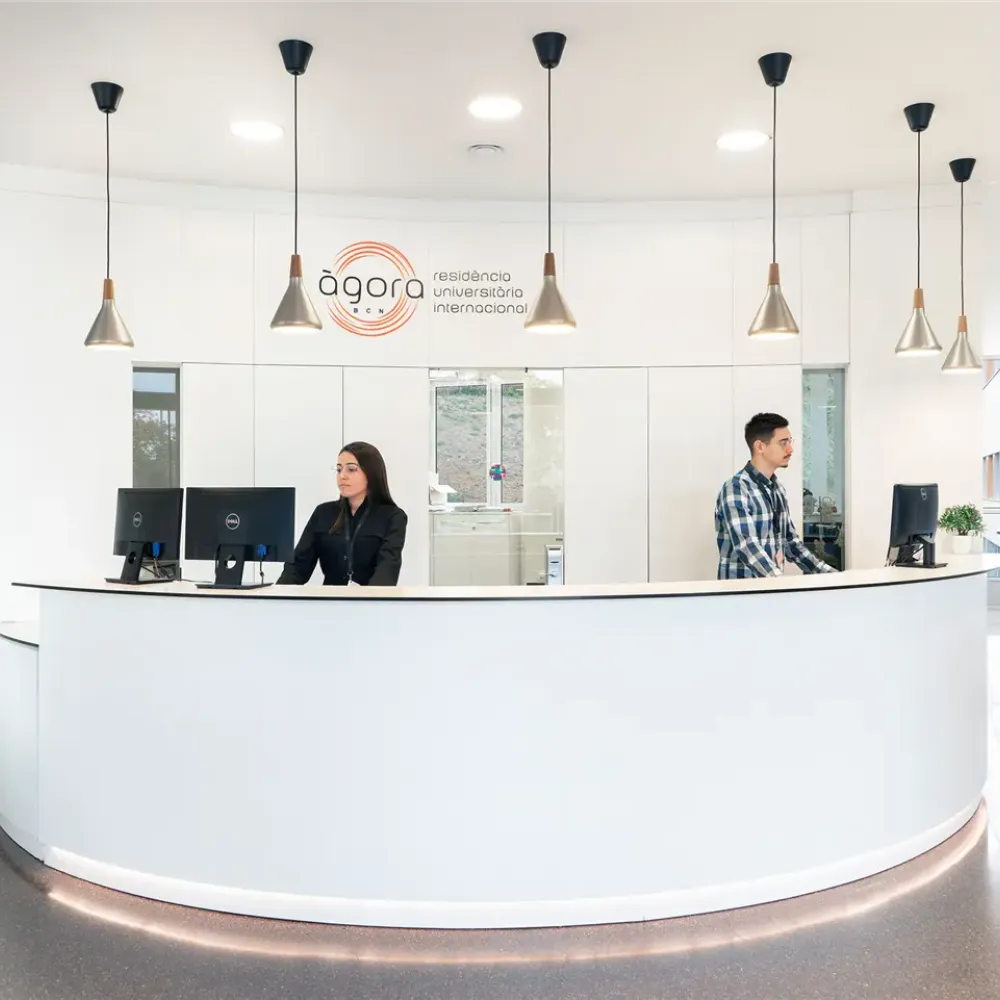
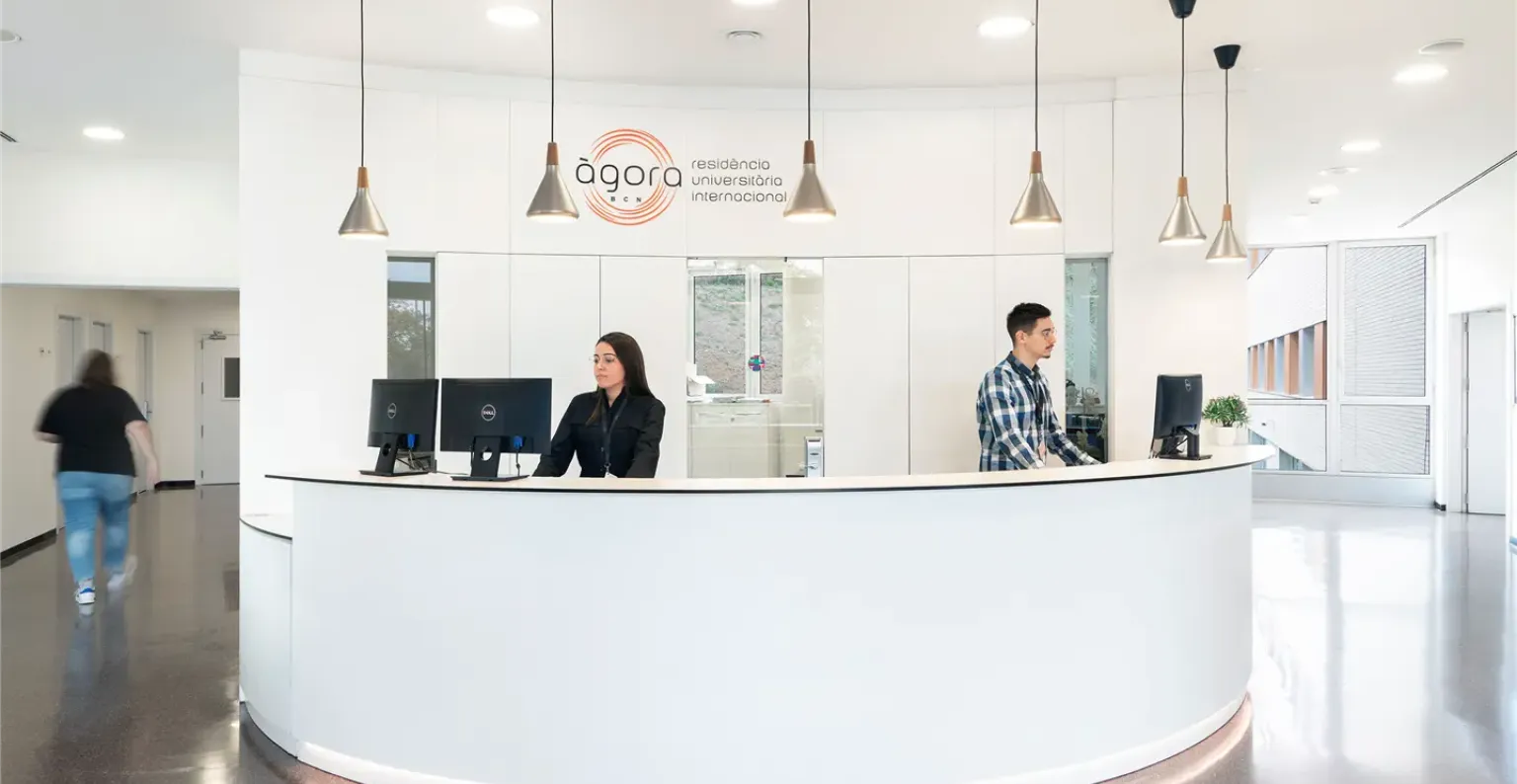
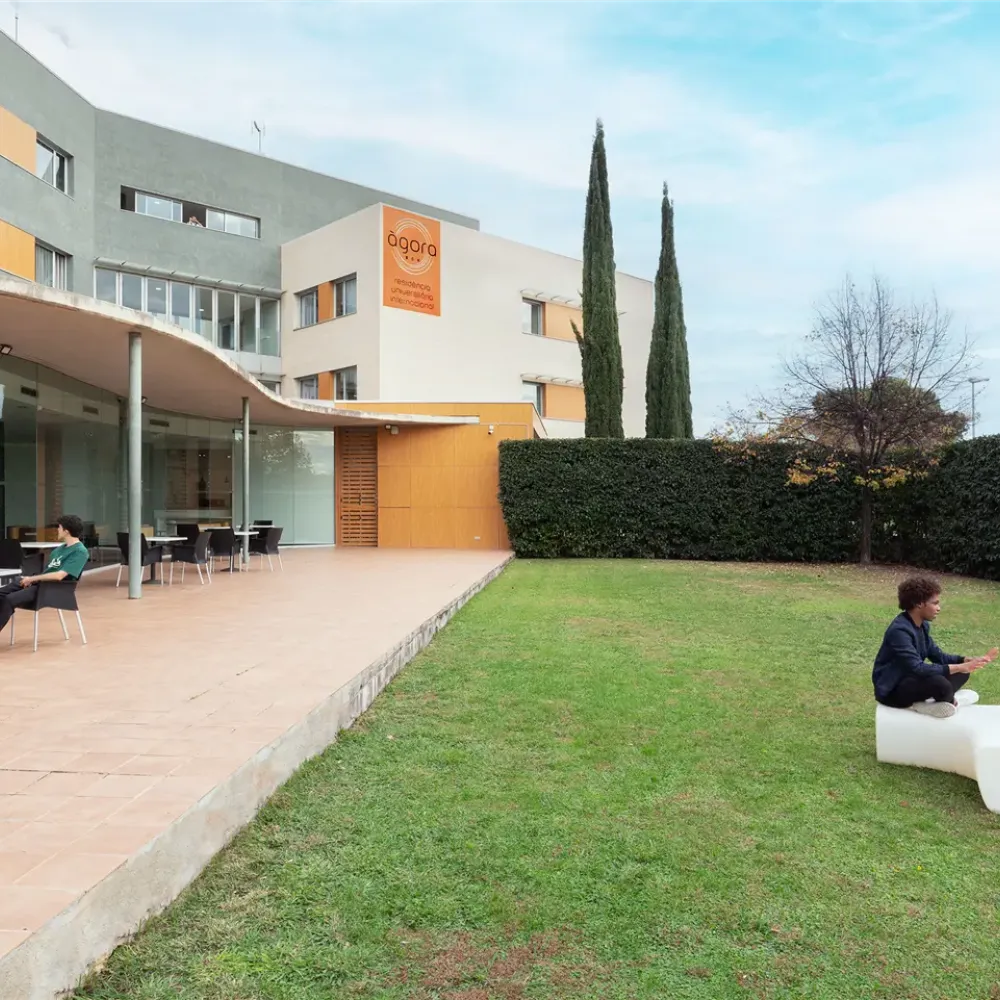
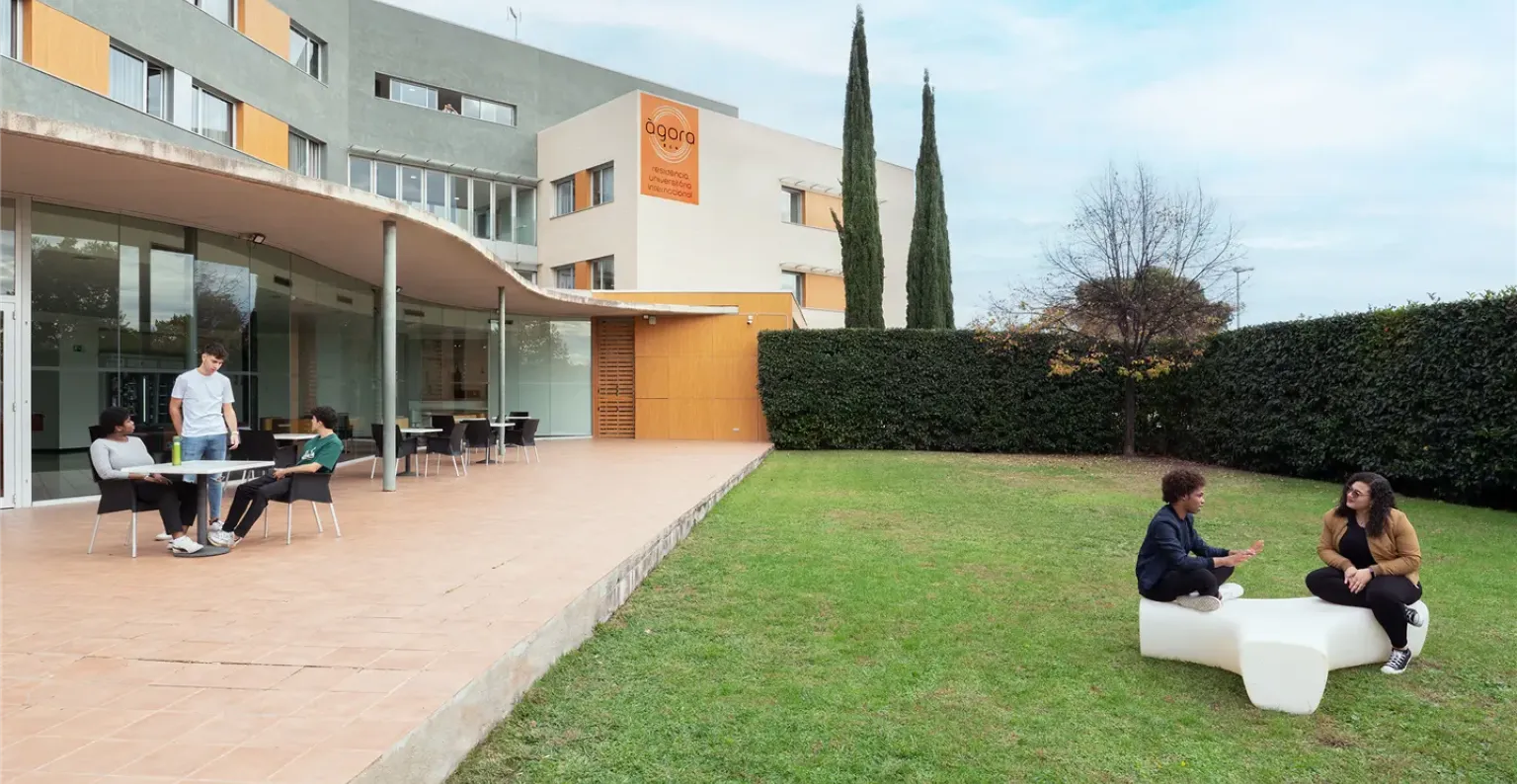
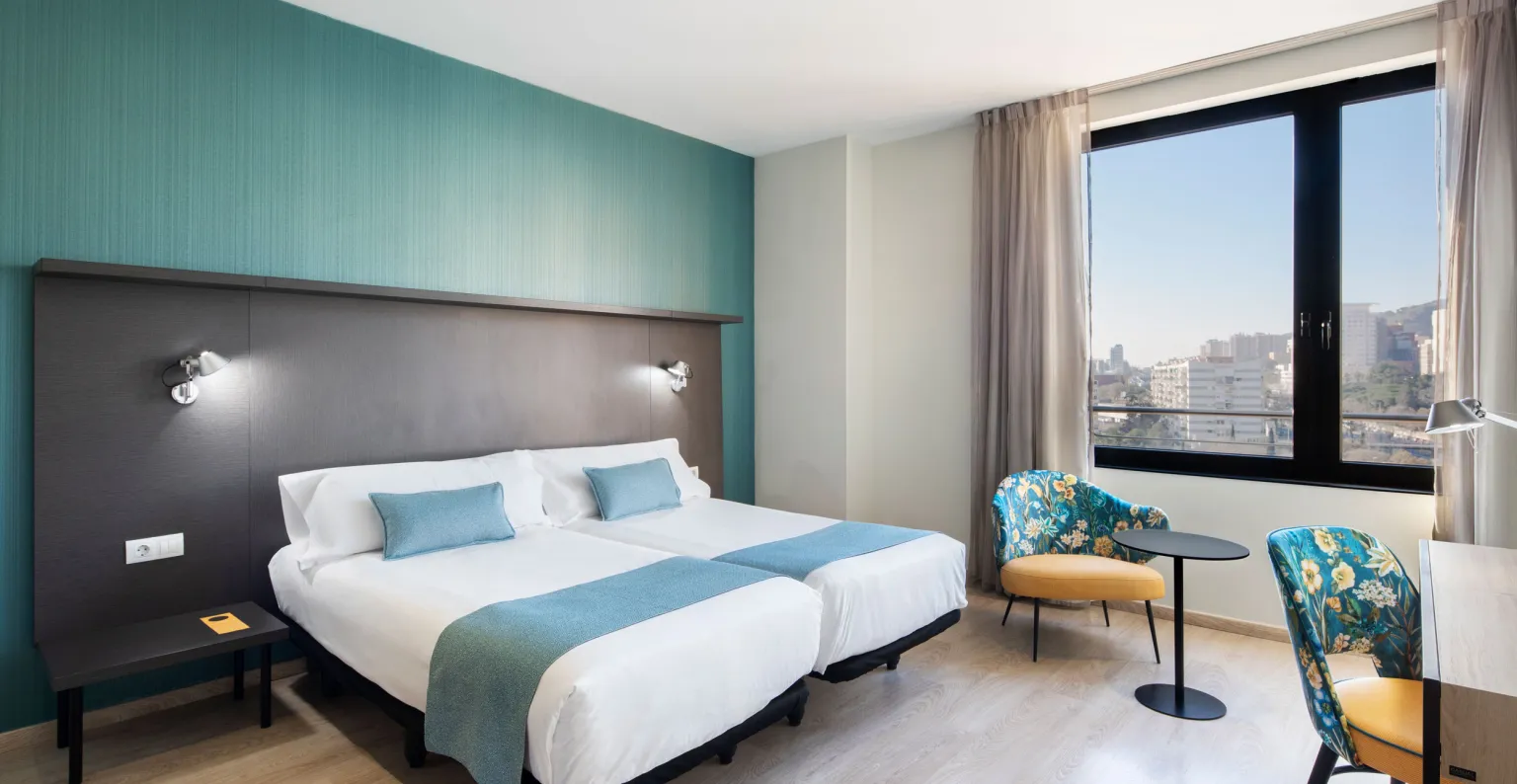
- Student Residence Hall: Àgora BCN International University Residence Hall
- Location: 7 min walk from CETT and metro station