40 Years of the Alimara Awards
The Alimara Awards
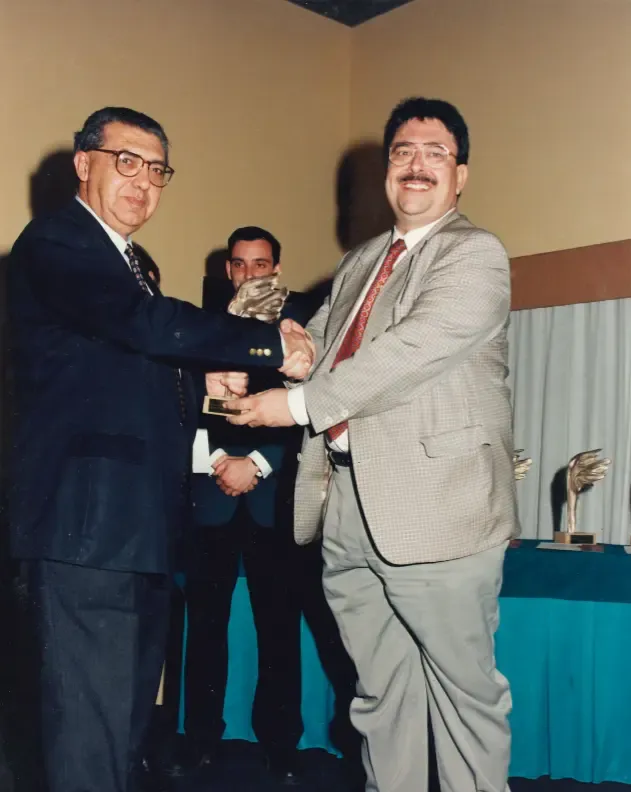
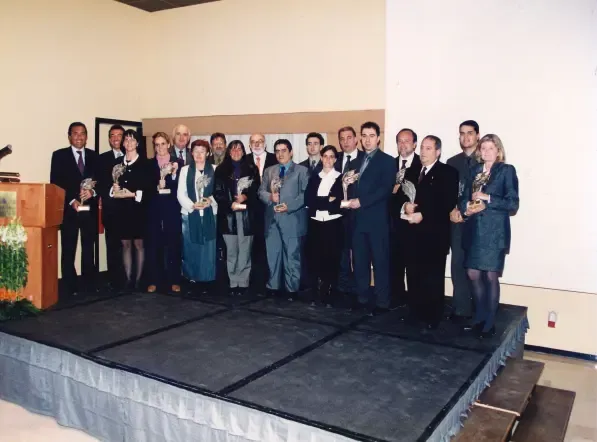
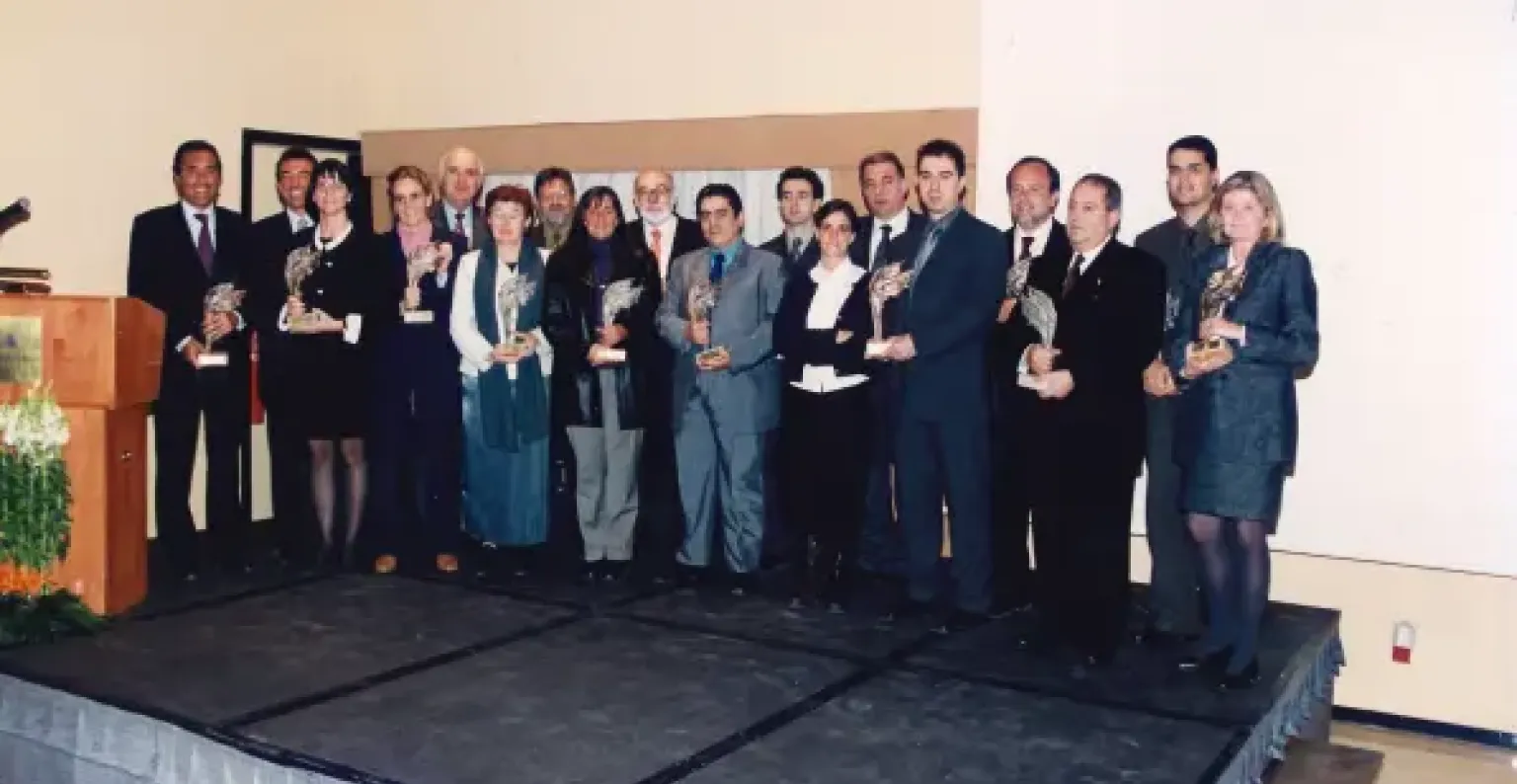
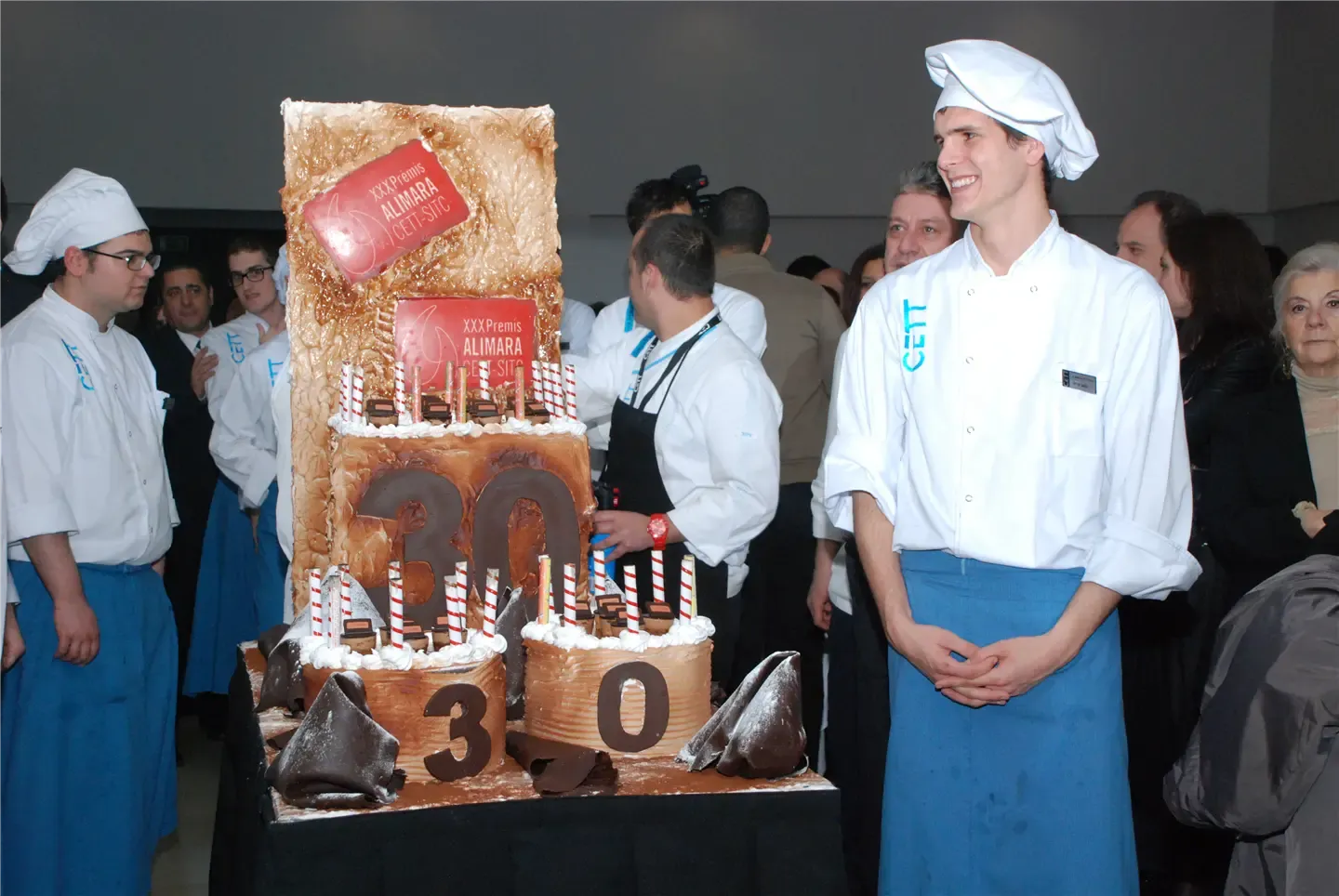
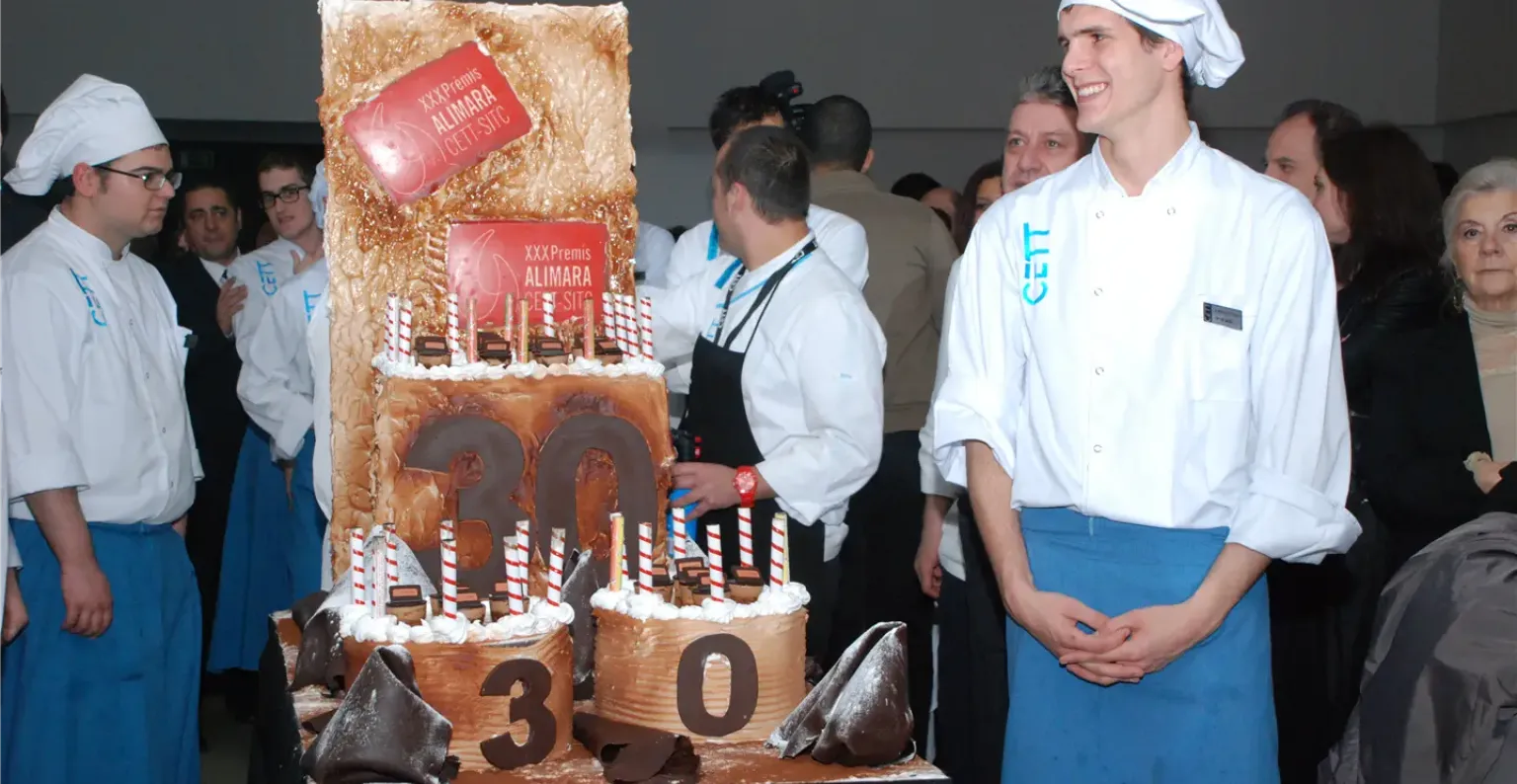
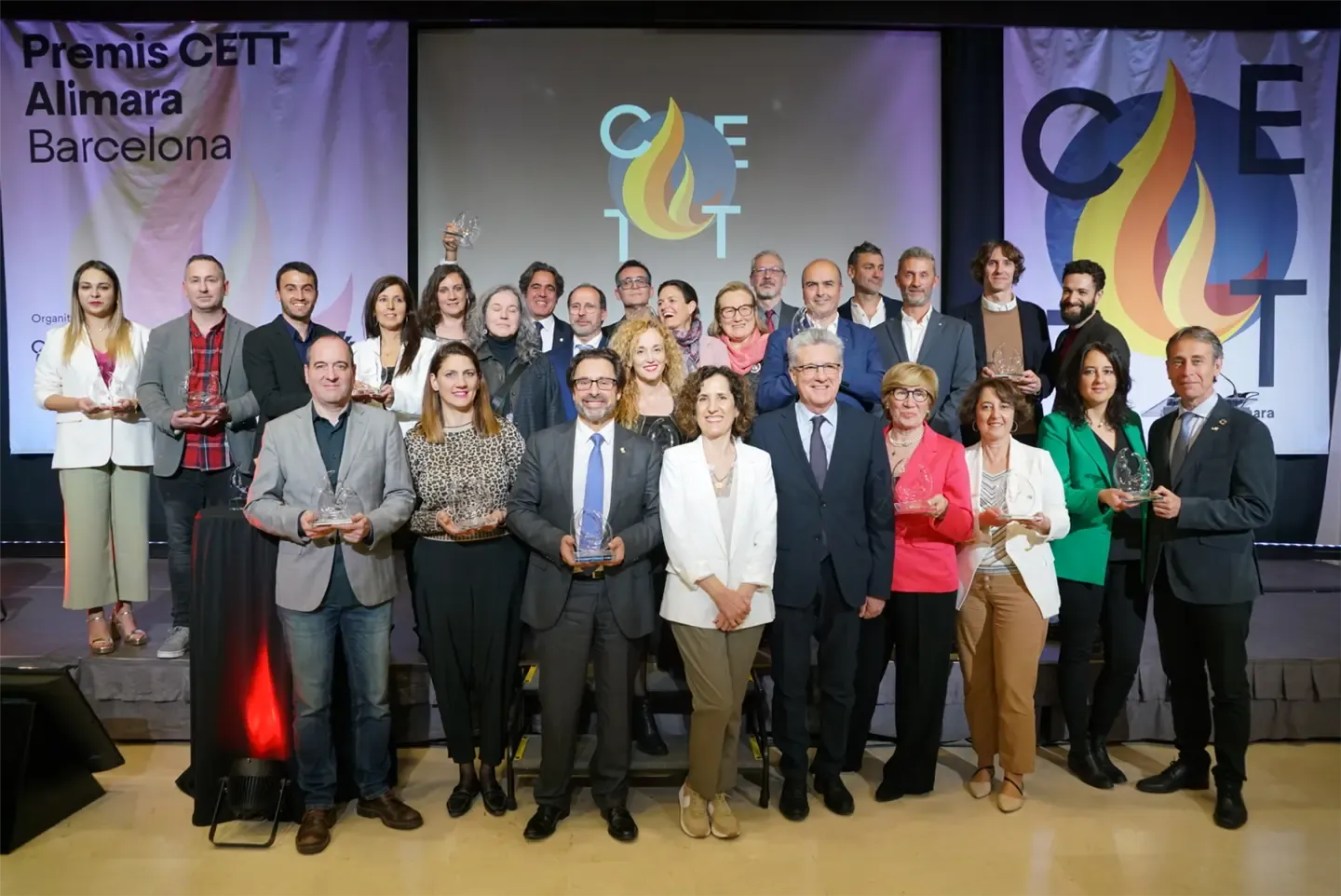
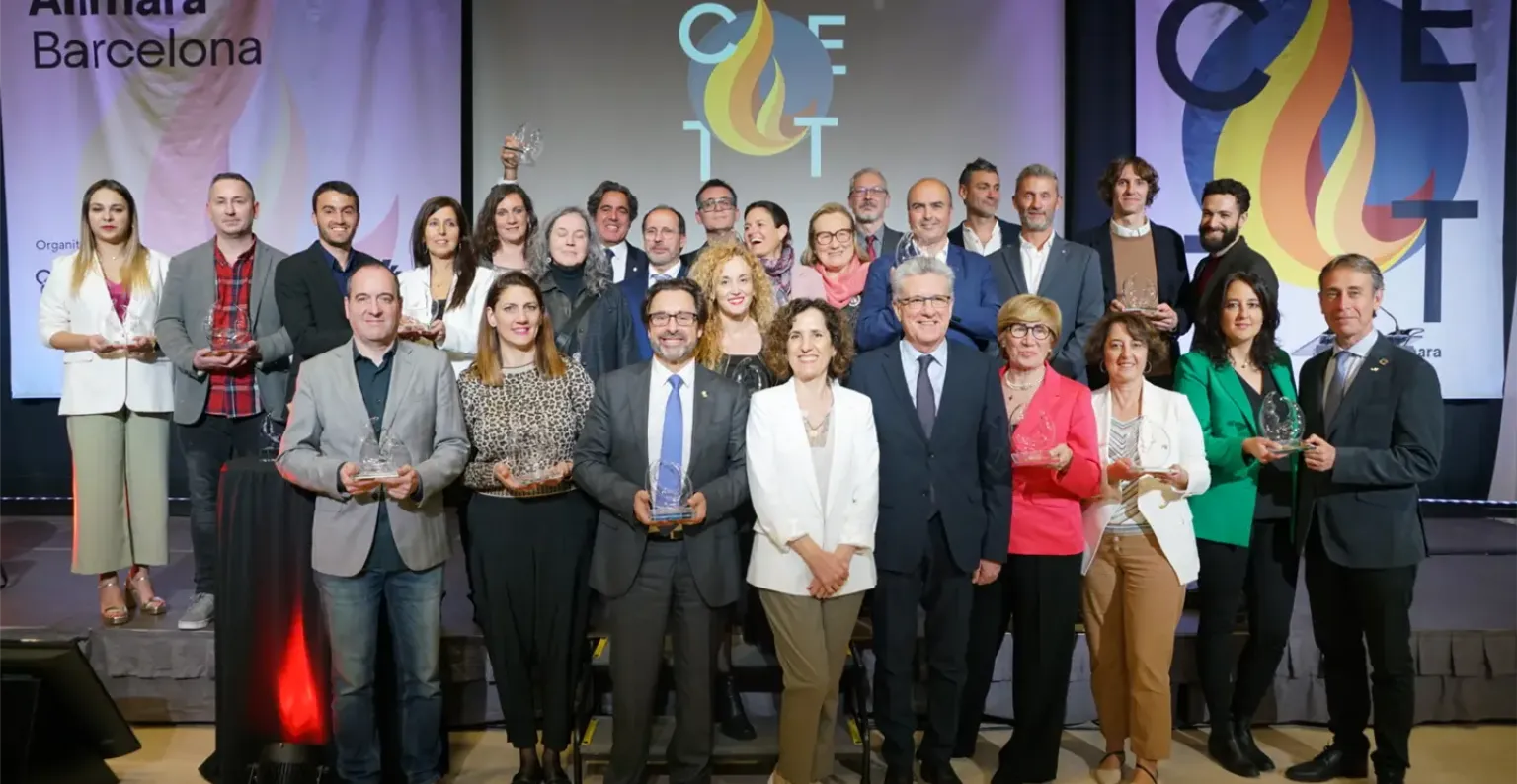
Since their creation in 1985, at the initiative of CETT and with the support of professionals and institutions in the sector, the CETT Alimara Awards have been a platform for recognizing the most innovative initiatives in tourism communication and promotion.
Throughout their forty-year history, the awards have highlighted excellence in tourism promotion and have been the best reflection of the sector's evolution. They have served as both a showcase and a springboard for the strategies and trends that have contributed to the industry's development. Along the way, they have gained partners such as B-Travel, a leading trade fair in Catalonia's tourism sector, UN Tourism, and the Departments of Culture and Language Policy of the Government of Catalonia.
Taking a look at the various Alimara Award winners is a way to understand how the tools and strategies that have defined the sector to date have developed and to assess their impact on the present and future.
Join us as we review our history.

El Sr. Gaspar Espuña, fue pionero en el reconocimiento y visibilidad de las actividades de promoción y difusión turística a través de los Premios Alimara. En palabras del sr. Espuña: "Era el momento de valorar quienes podían ser modelo en el sector turístico. El paso de un mercado de demanda a un mercado de oferta no era fácil: acostumbrados durante años a la inercia en la que los turistas llenaban nuestras empresas de alojamiento, sin mucho esfuerzo, aquel tiempo se acababa. Había que cambiar de mentalidad". (2014)
A journey through tourism innovation
The evolution of tourism, tourism marketing, the CETT Alimara Awards, and the development of CETT have gone hand in hand in recent decades. This relationship allows us to understand how the sector has evolved and what trends have defined each period. The Alimara Awards have reflected the changes in tourism promotion and marketing, highlighting the most innovative strategies.
Since their inception, the Alimara Awards have recognized excellence in communication and innovation within the tourism sector. These awards have witnessed the evolution of tourism, adapting to technological changes and new trends that have transformed the tourism sector as we know it today.
The era of print promotion and institutional communication
Digitization and our promotional channels
Evolution of experiential marketing and tourism digitization
Innovation, artificial intelligence and sustainability
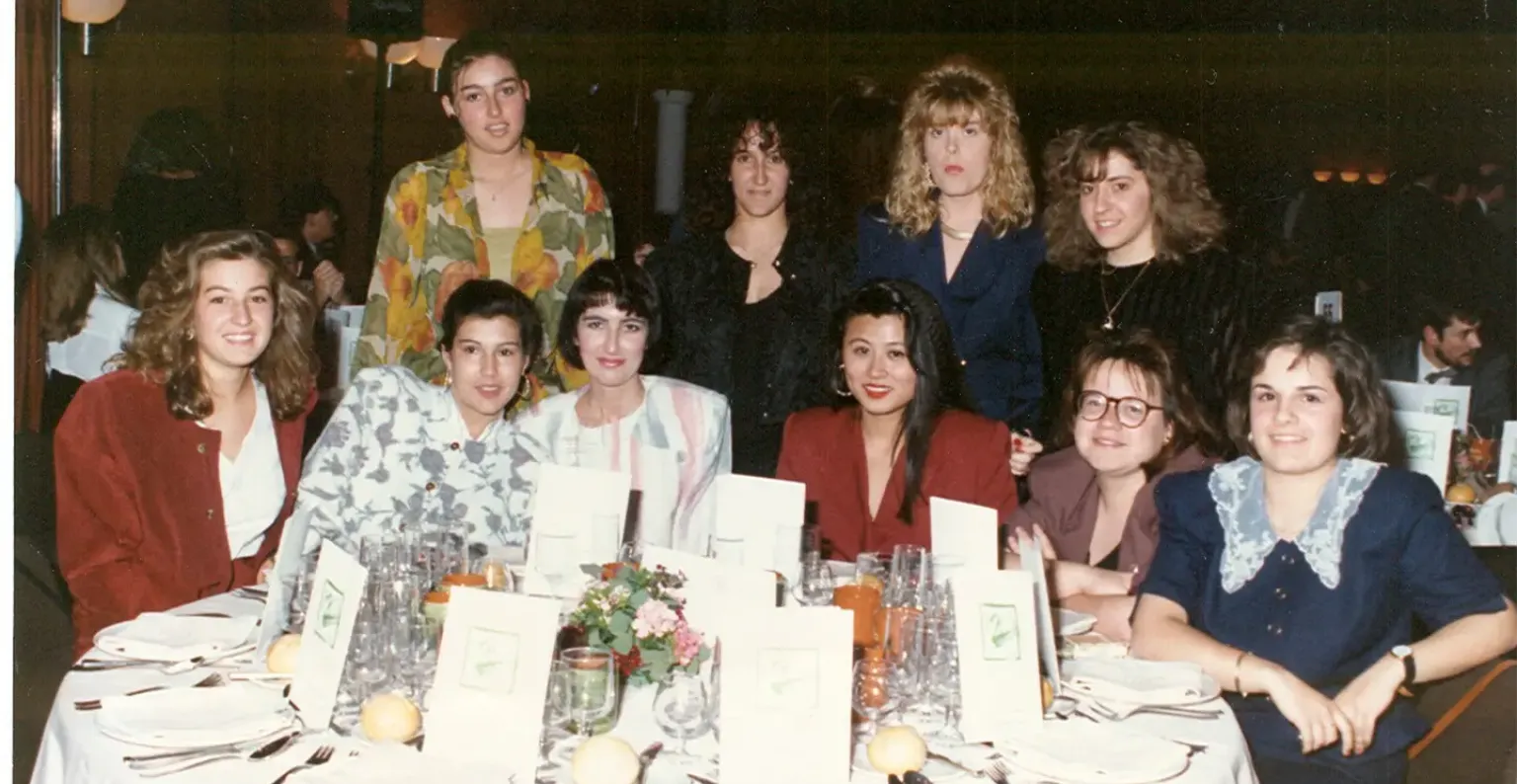
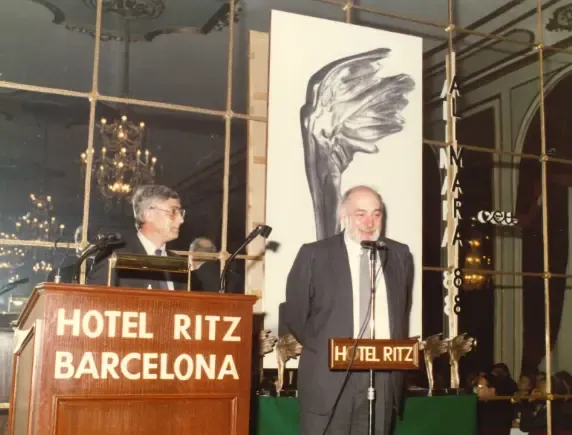
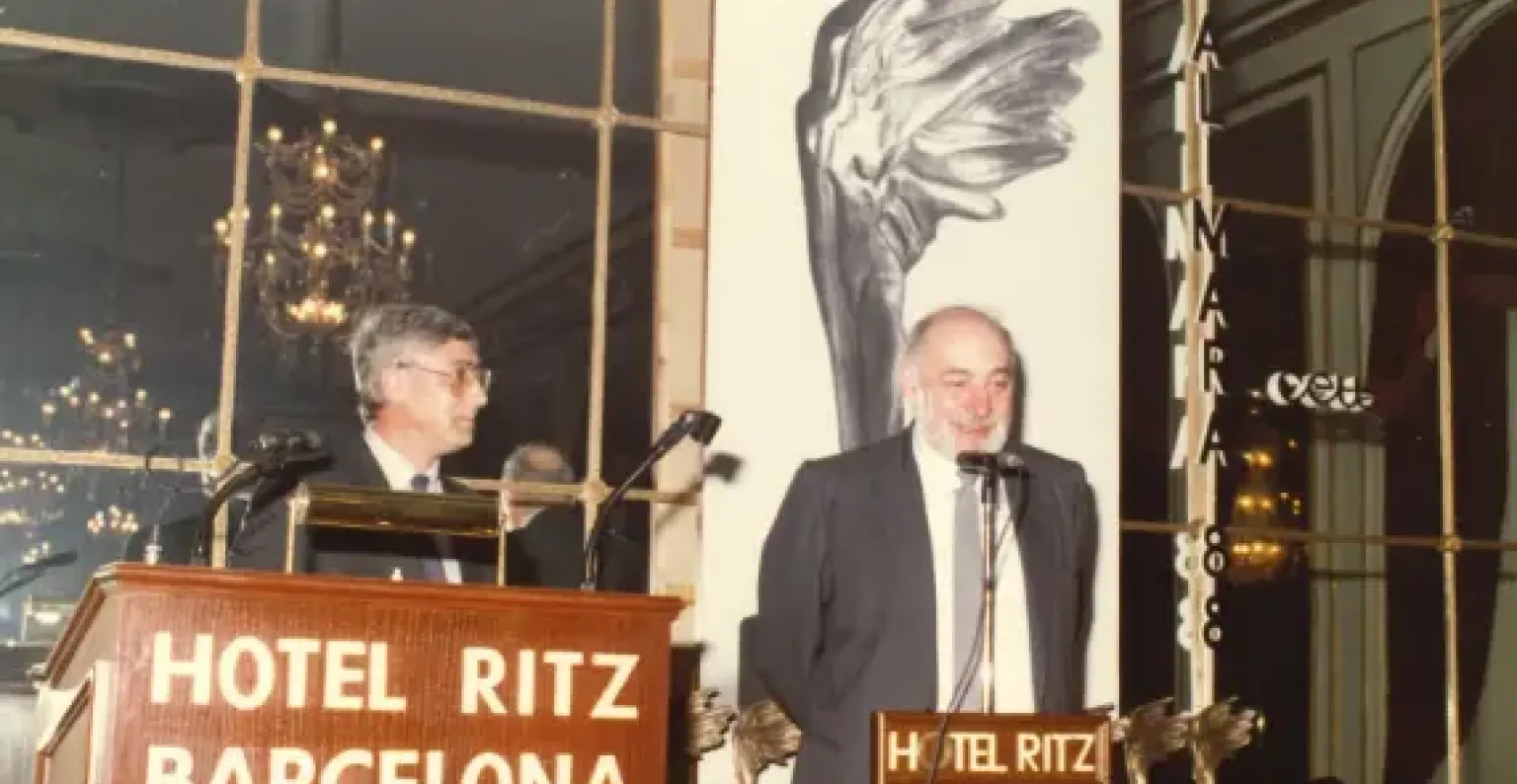
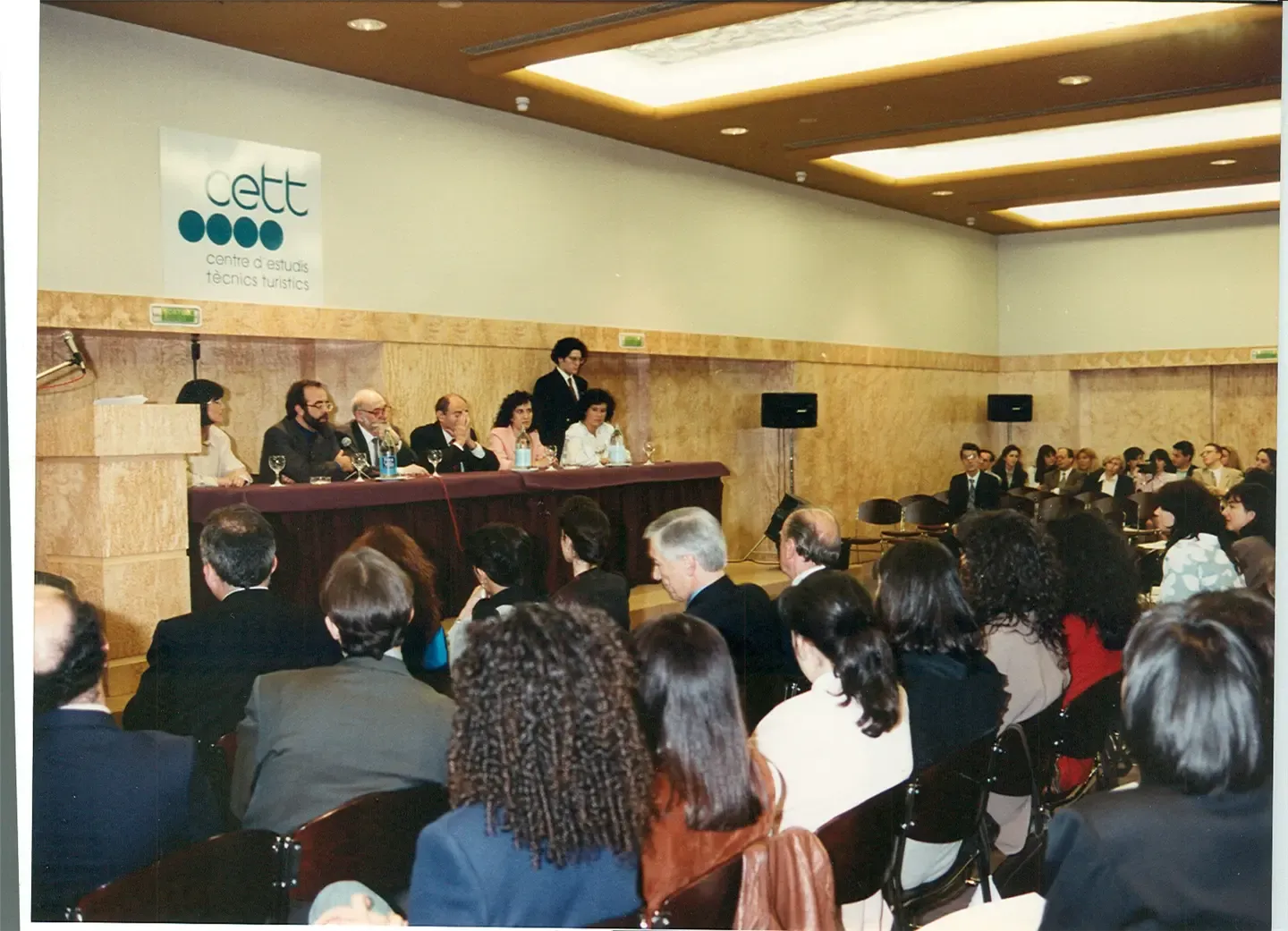
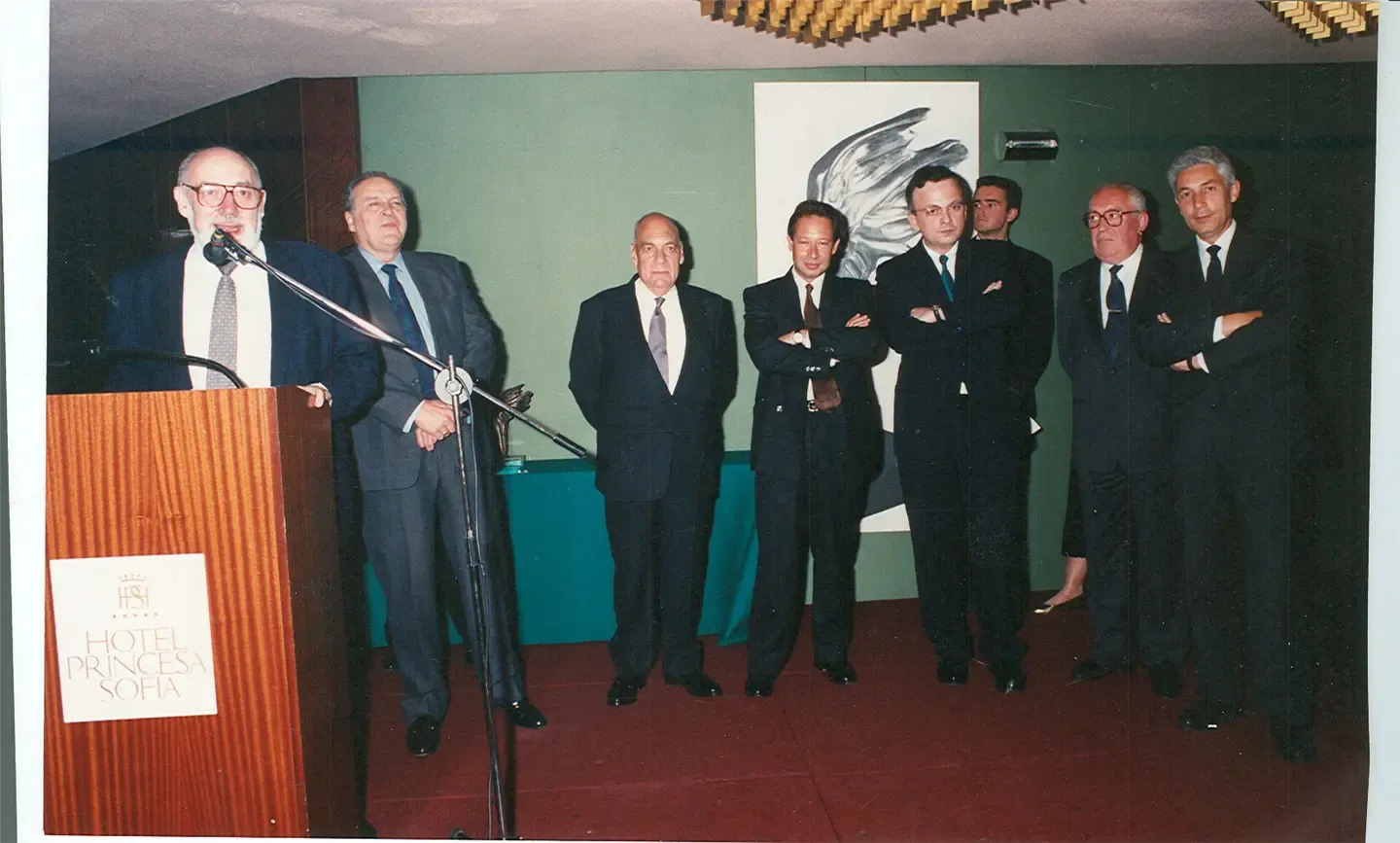
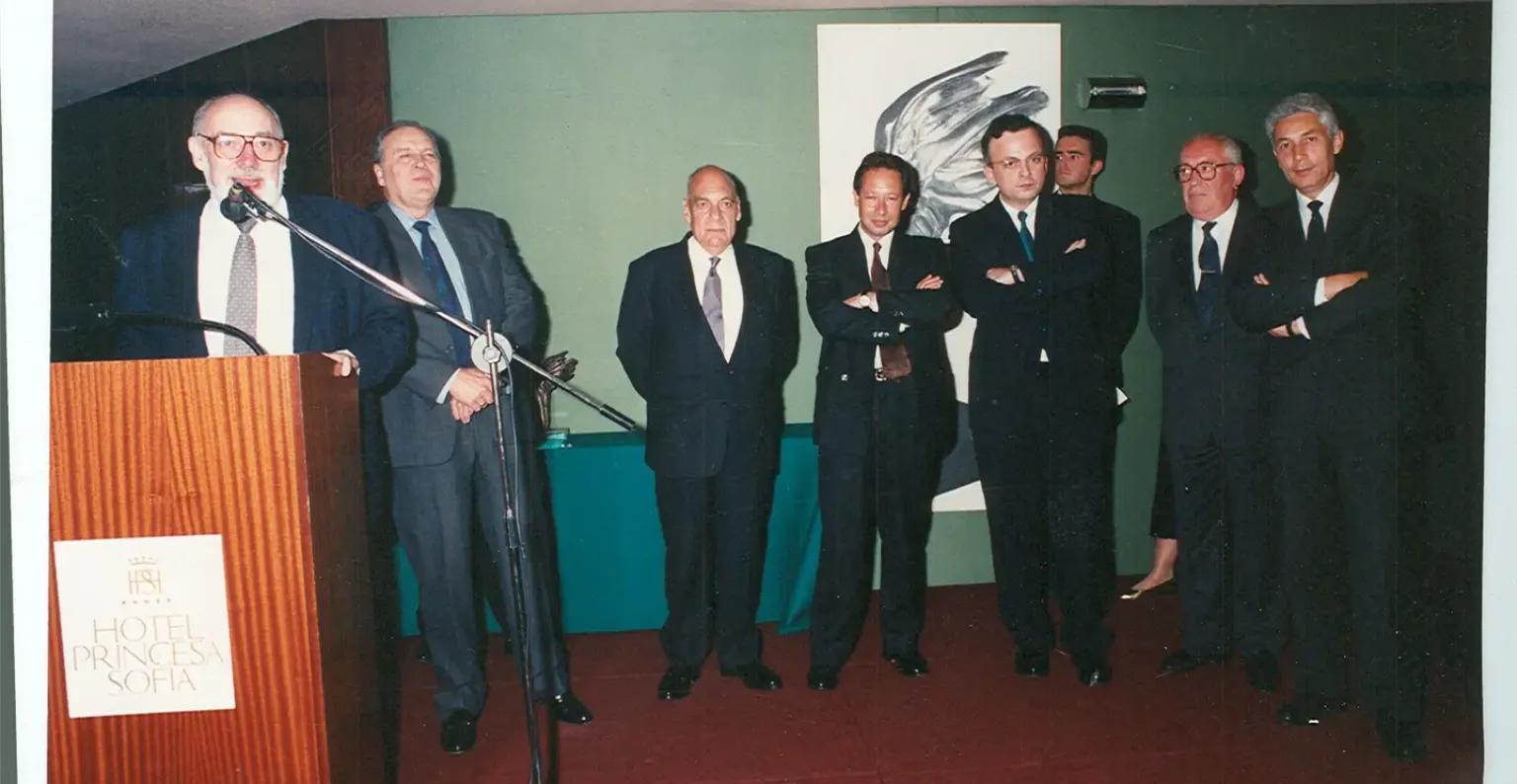
1985-1995: The era of print promotion and institutional communication
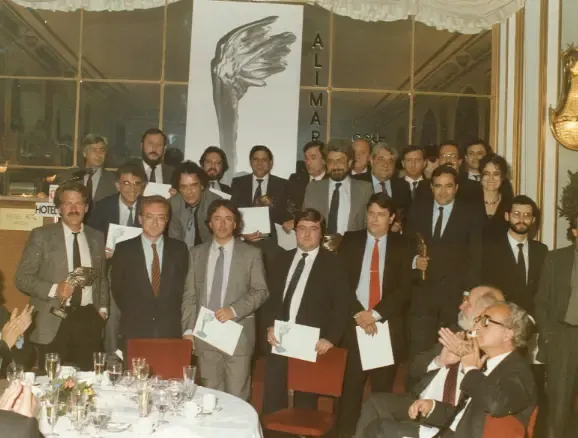
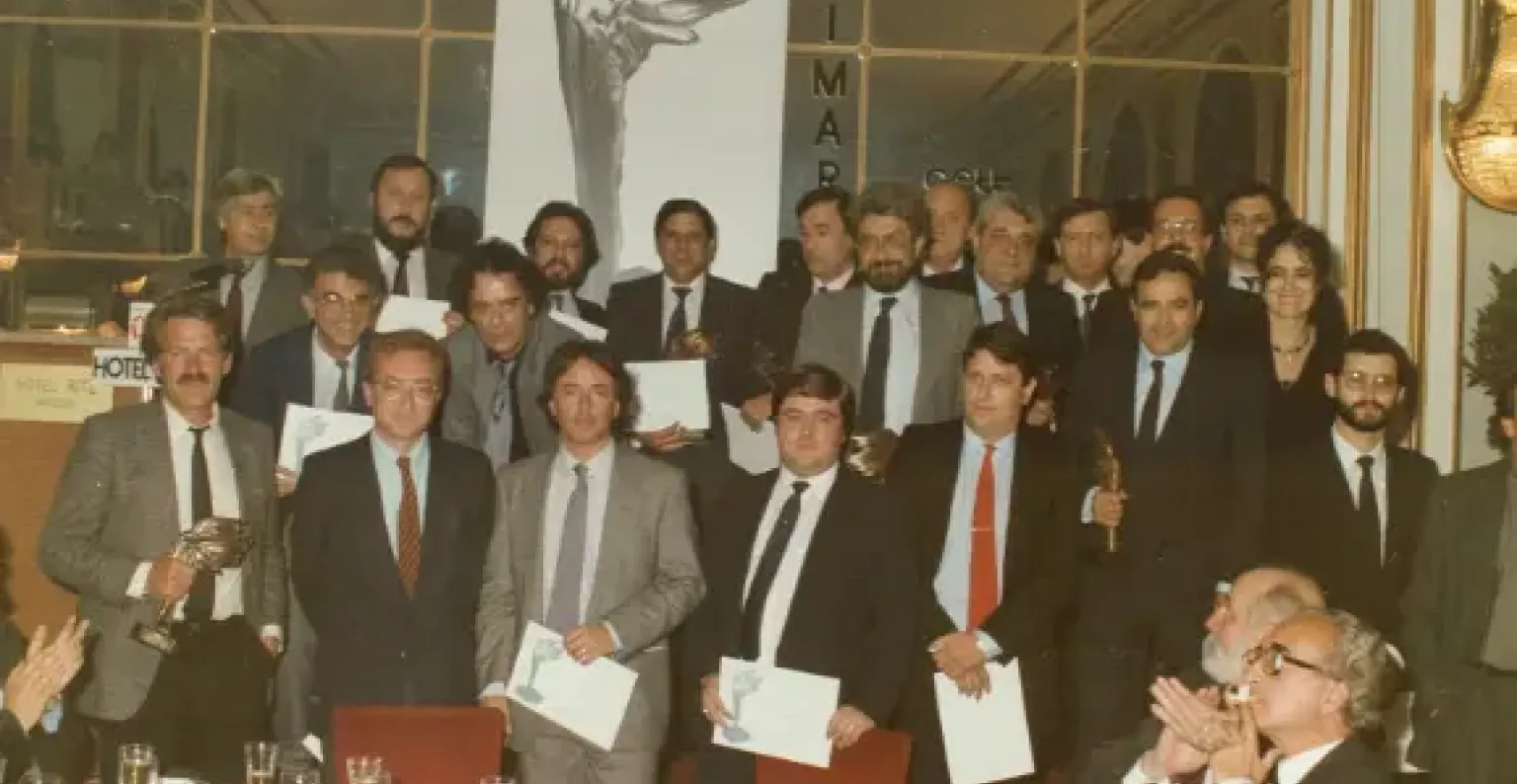
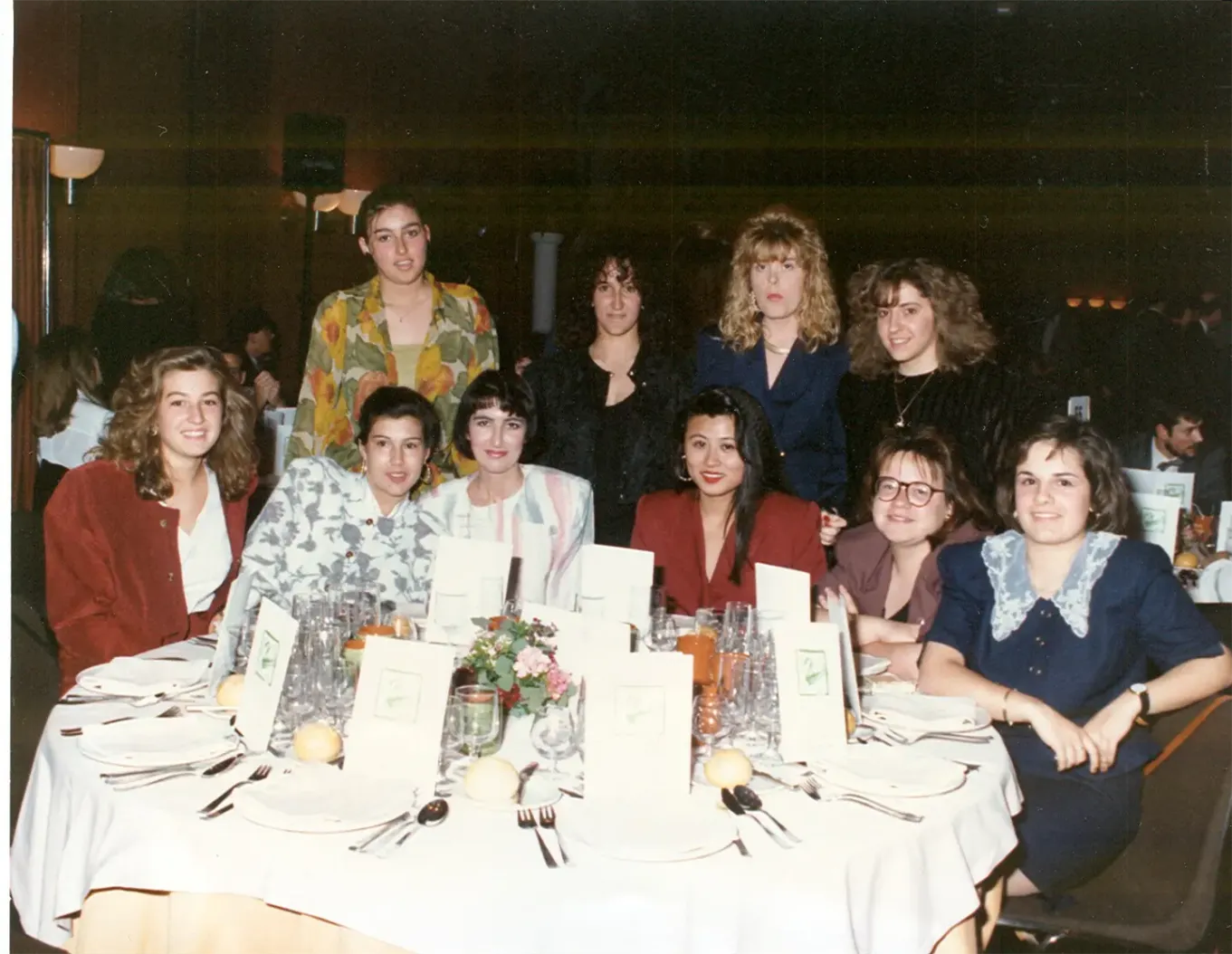
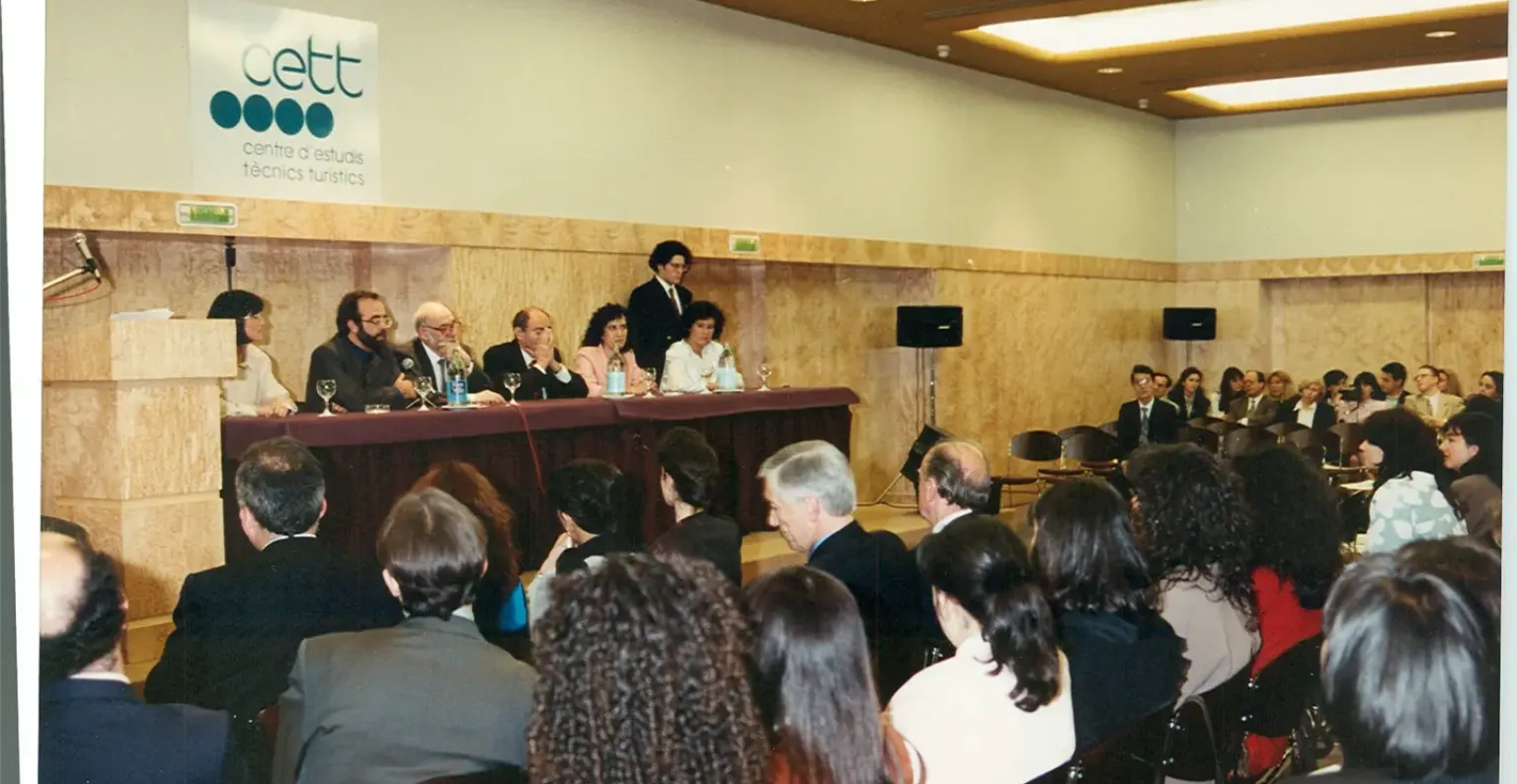
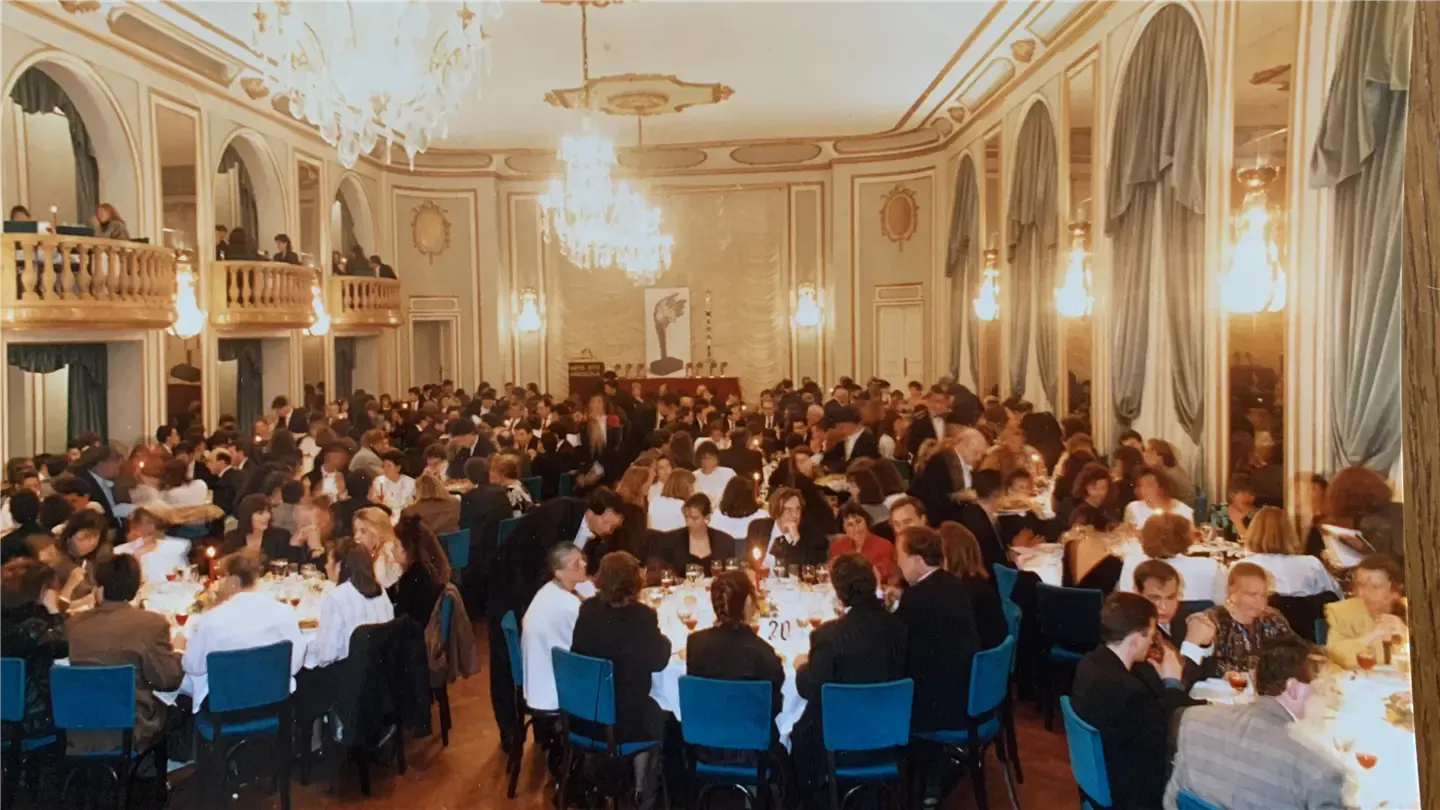
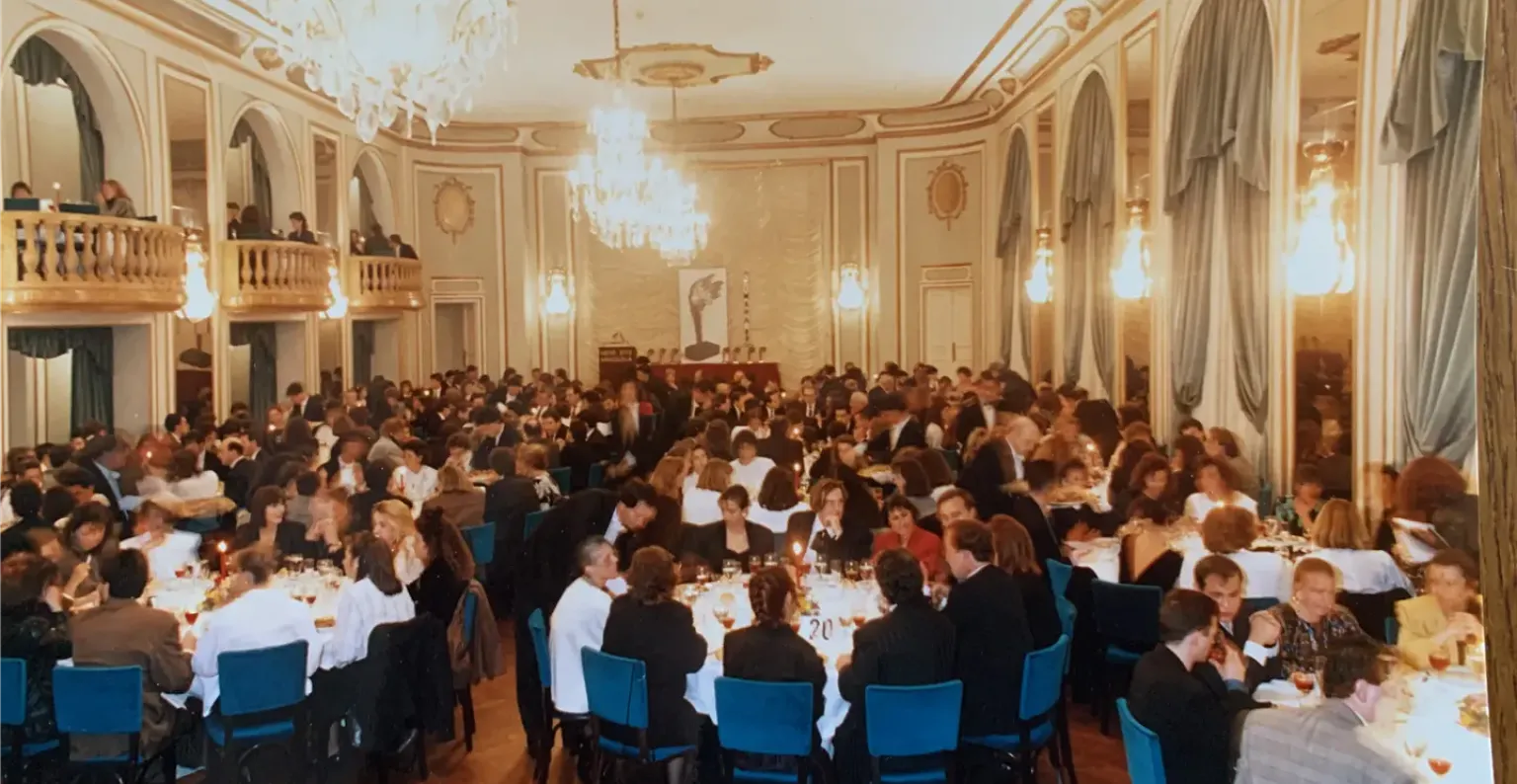
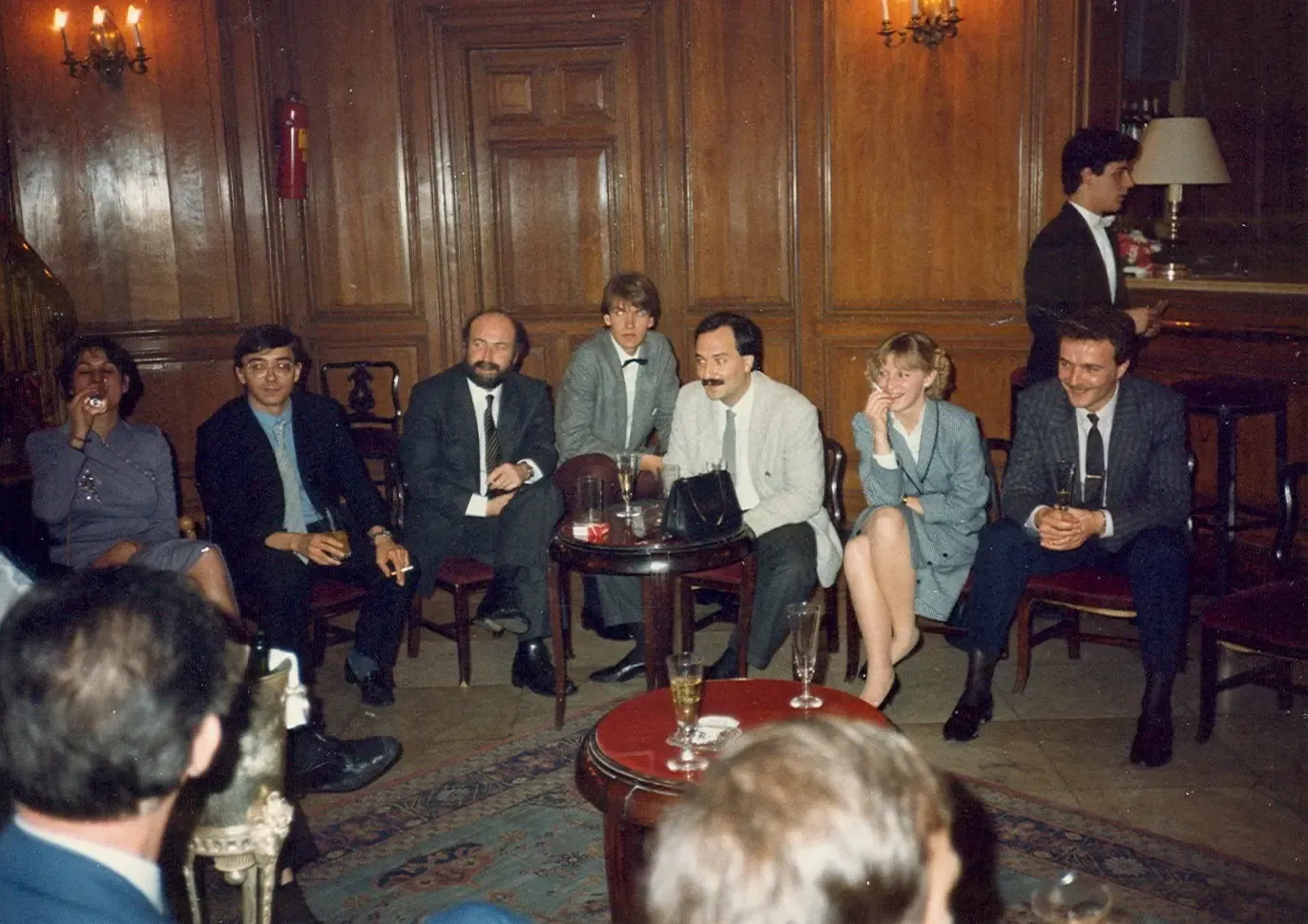
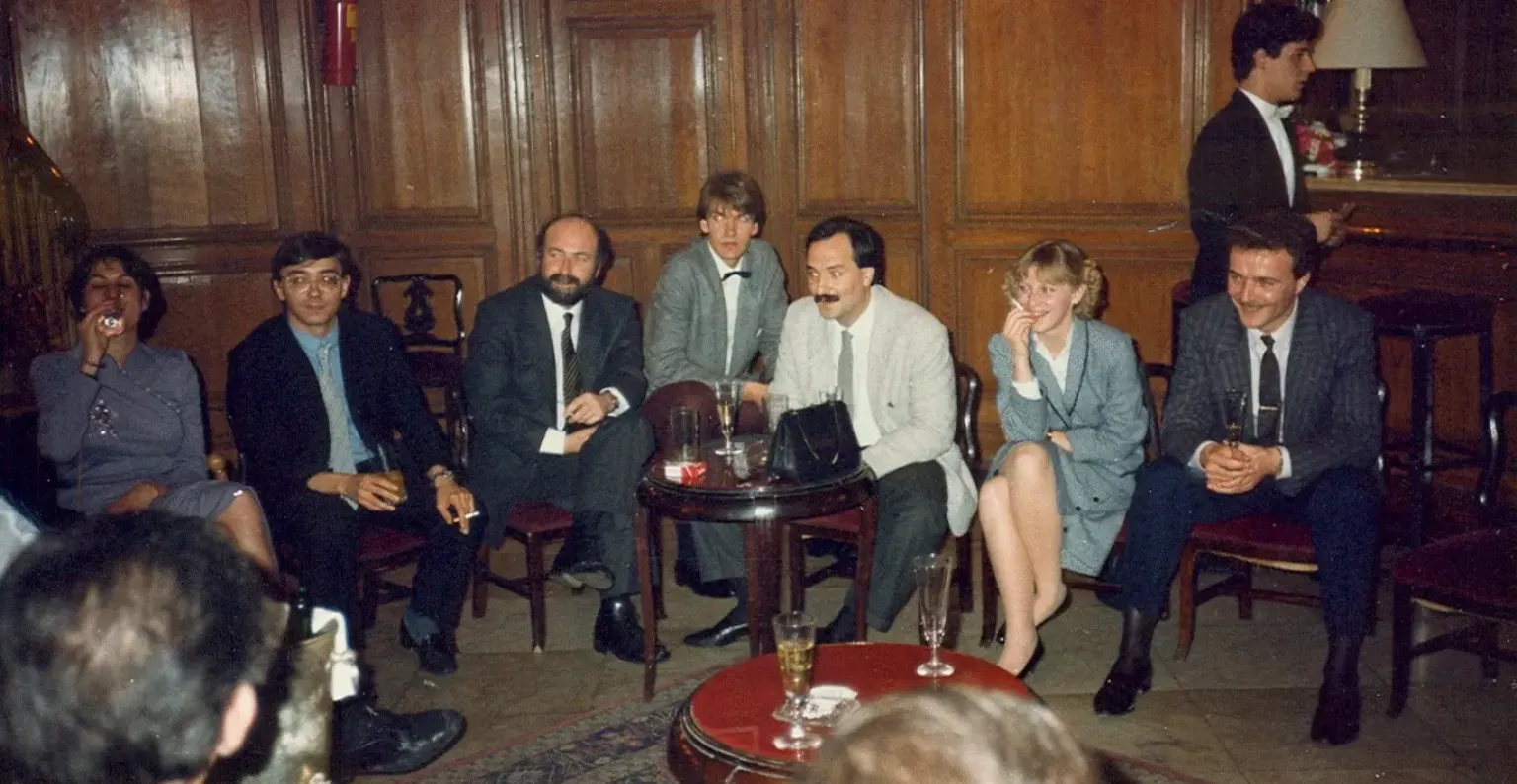
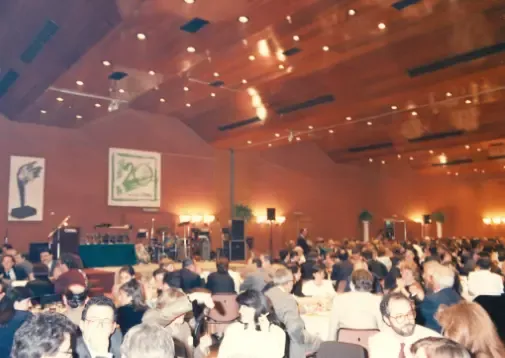
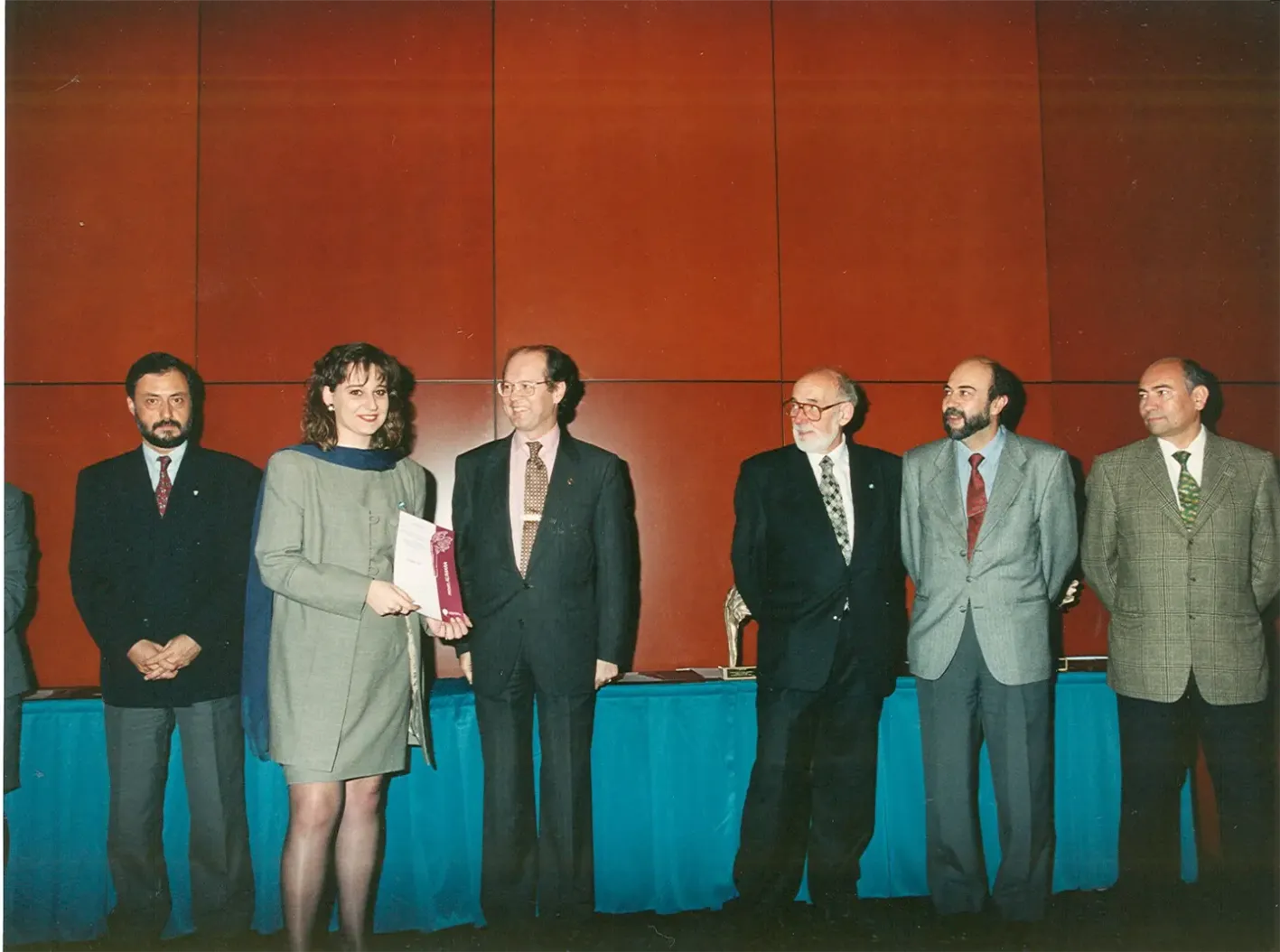
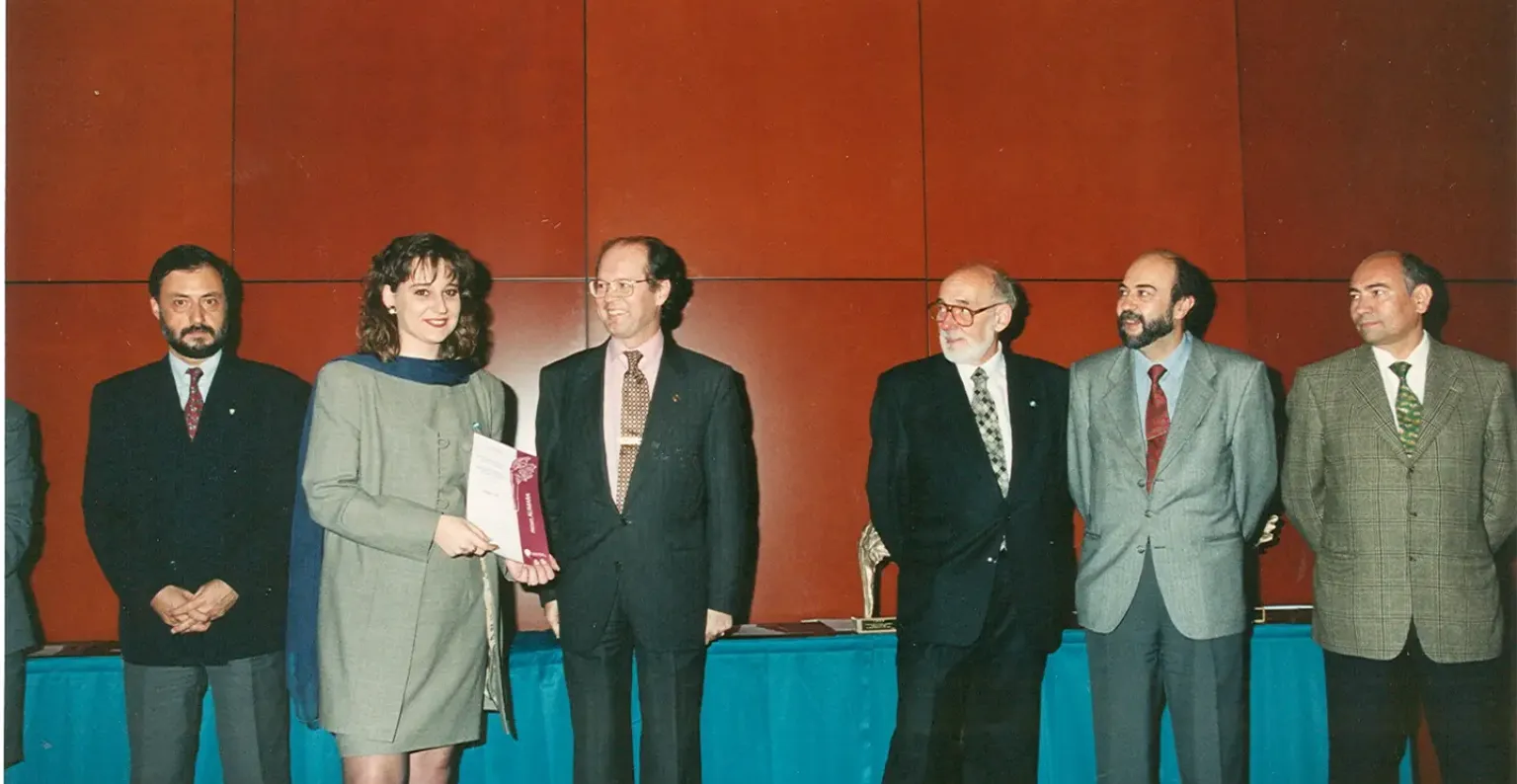
This era is marked by the consolidation of tourism as an intrinsic activity in the territory and traditional campaigns that consolidate the identity of destinations with traditional media such as brochures. The Alimara Awards, since their inception, have recognized the relevance of the promotion task in this development of the tourism sector of this reality awarding projects such as that of the Barcelona City Council in 1992, which benefited the success of the Olympic Games to position the city as an international destination, i Campaigns are both local, regional and state level in Turespaña, in the Basque Country the destination is more recognized.
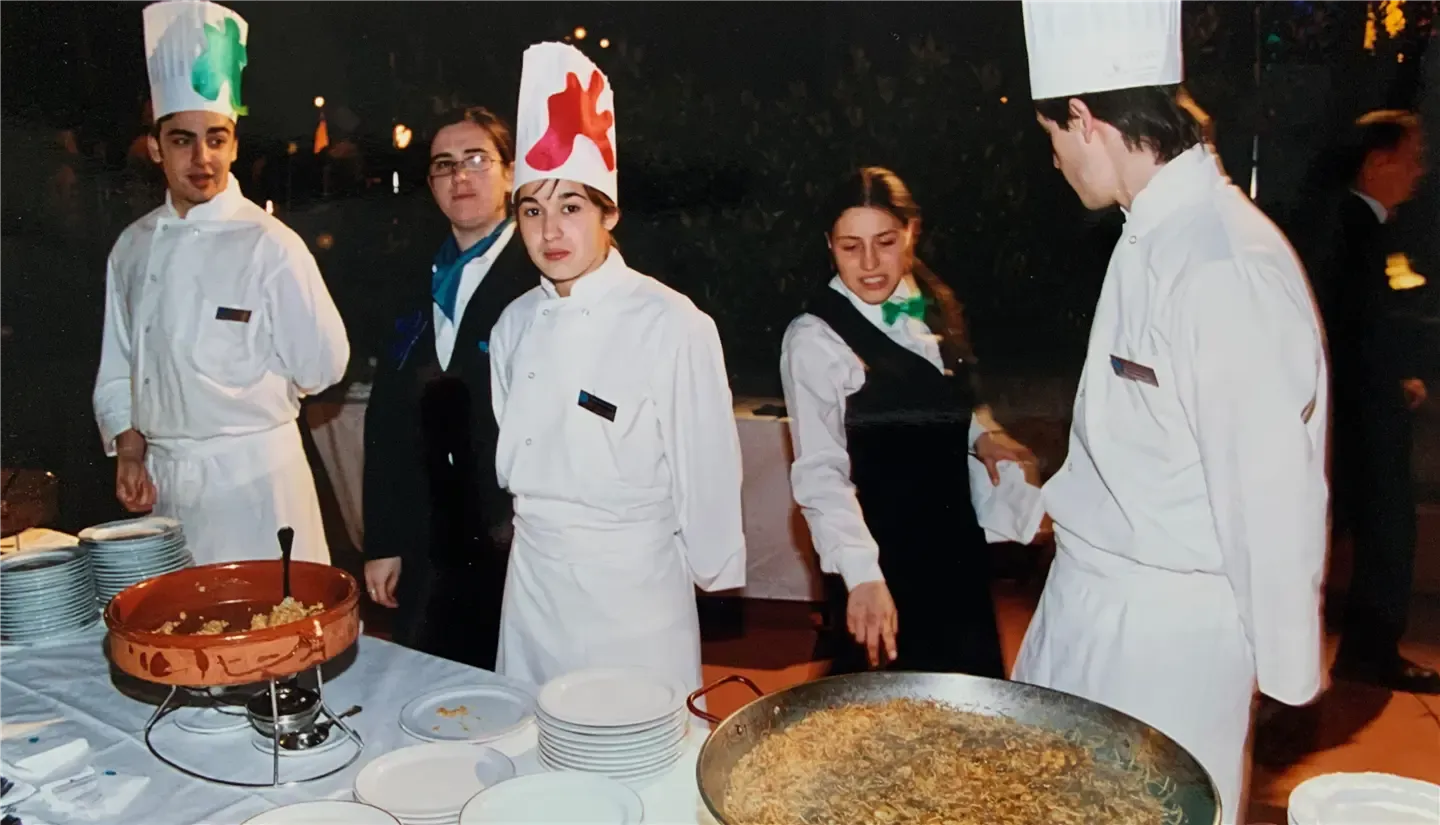
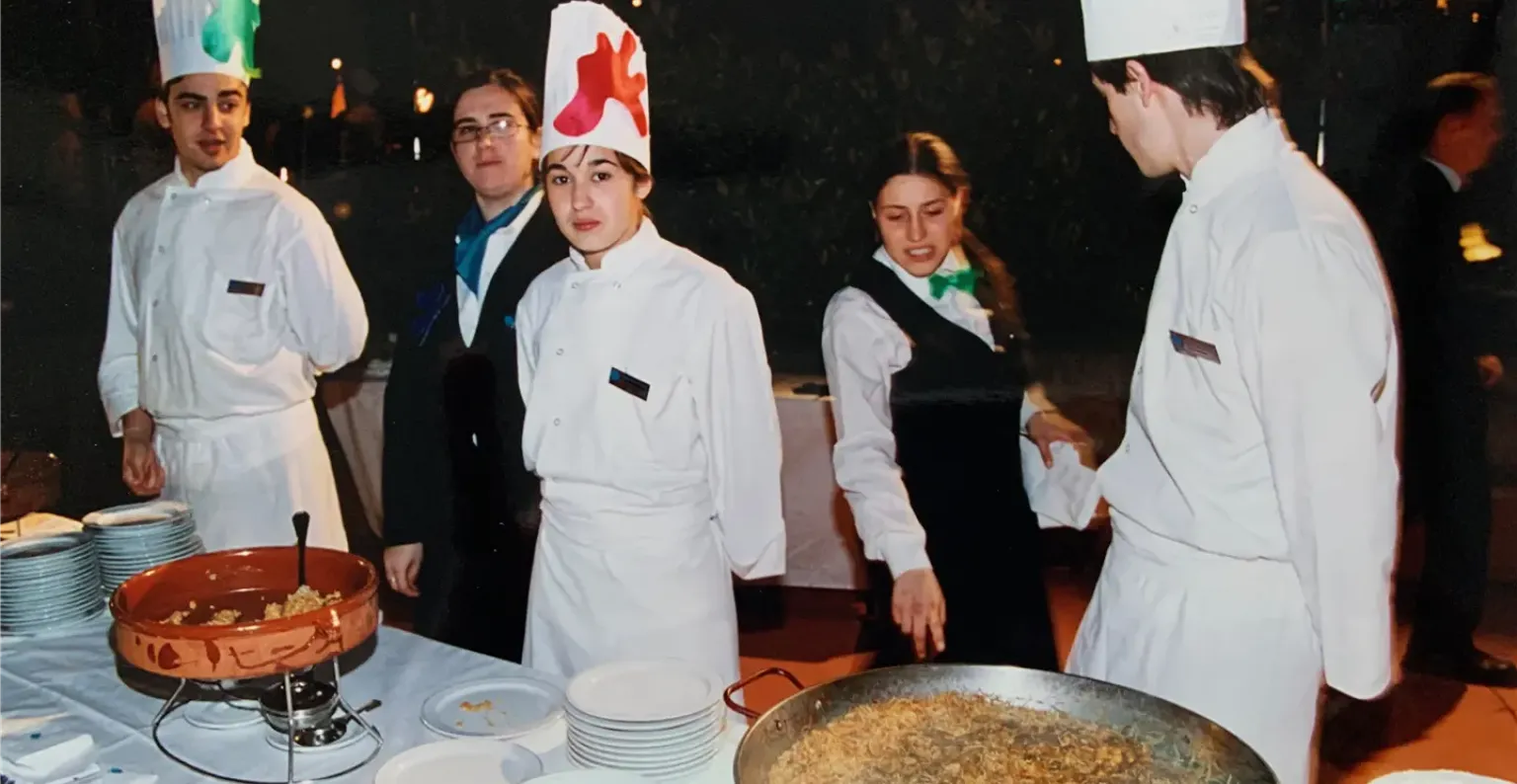
In an expanding industry, which had already begun implementing technological advancements years earlier with the emergence of GDS (Global Distribution Systems), and driven by the liberalization of air transport and the resulting shifts in travel patterns, CETT responded to the sector's new needs by establishing the foundations of its training model. It consolidated its position as a leader in tourism education in Catalonia through its affiliation with the Official School of Tourism of Catalonia (1990), the creation of the CETT Hospitality School, the introduction of the Alimara Estudinats Award (1993), and the opening of the Hotel Alimara (1995), reinforcing the link between applied academic training and professional practice.

1996-2005: Digitization and new promotion channels
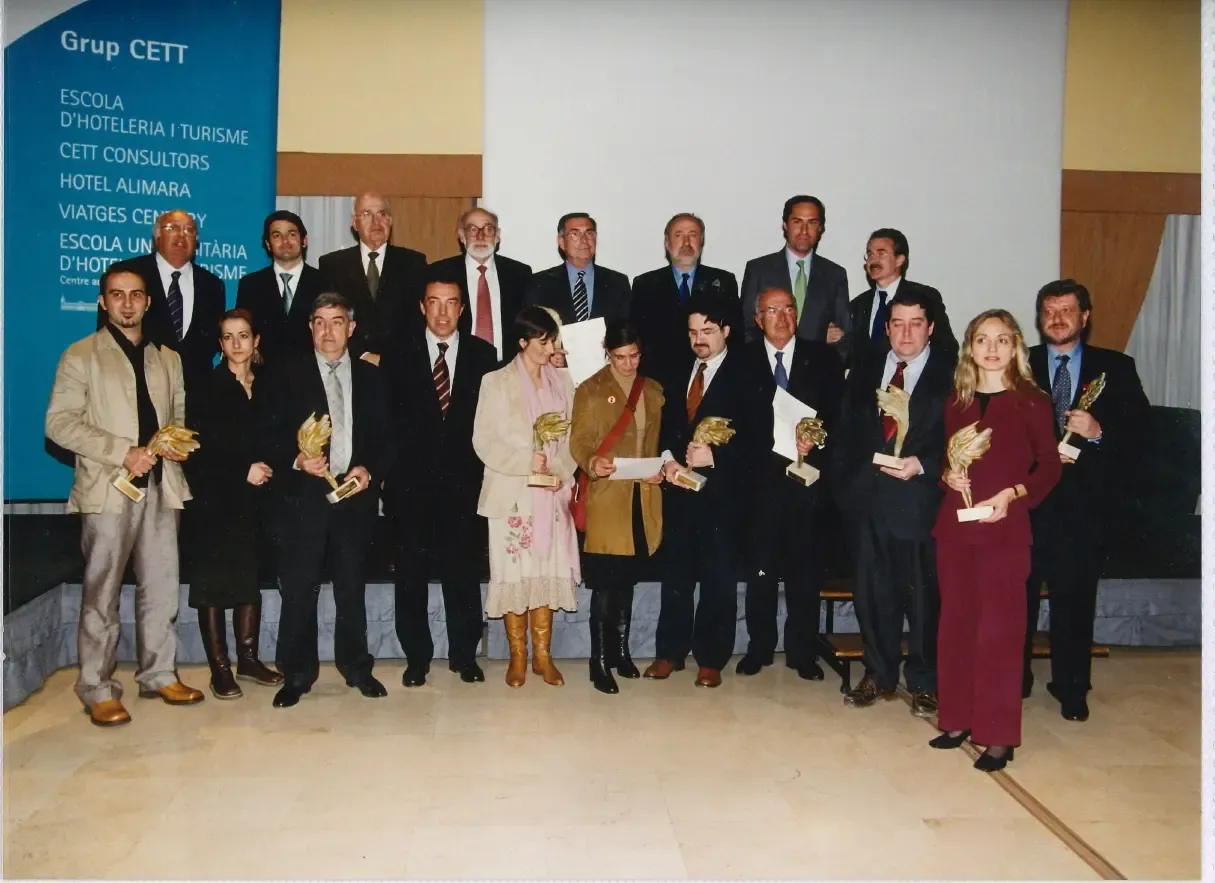
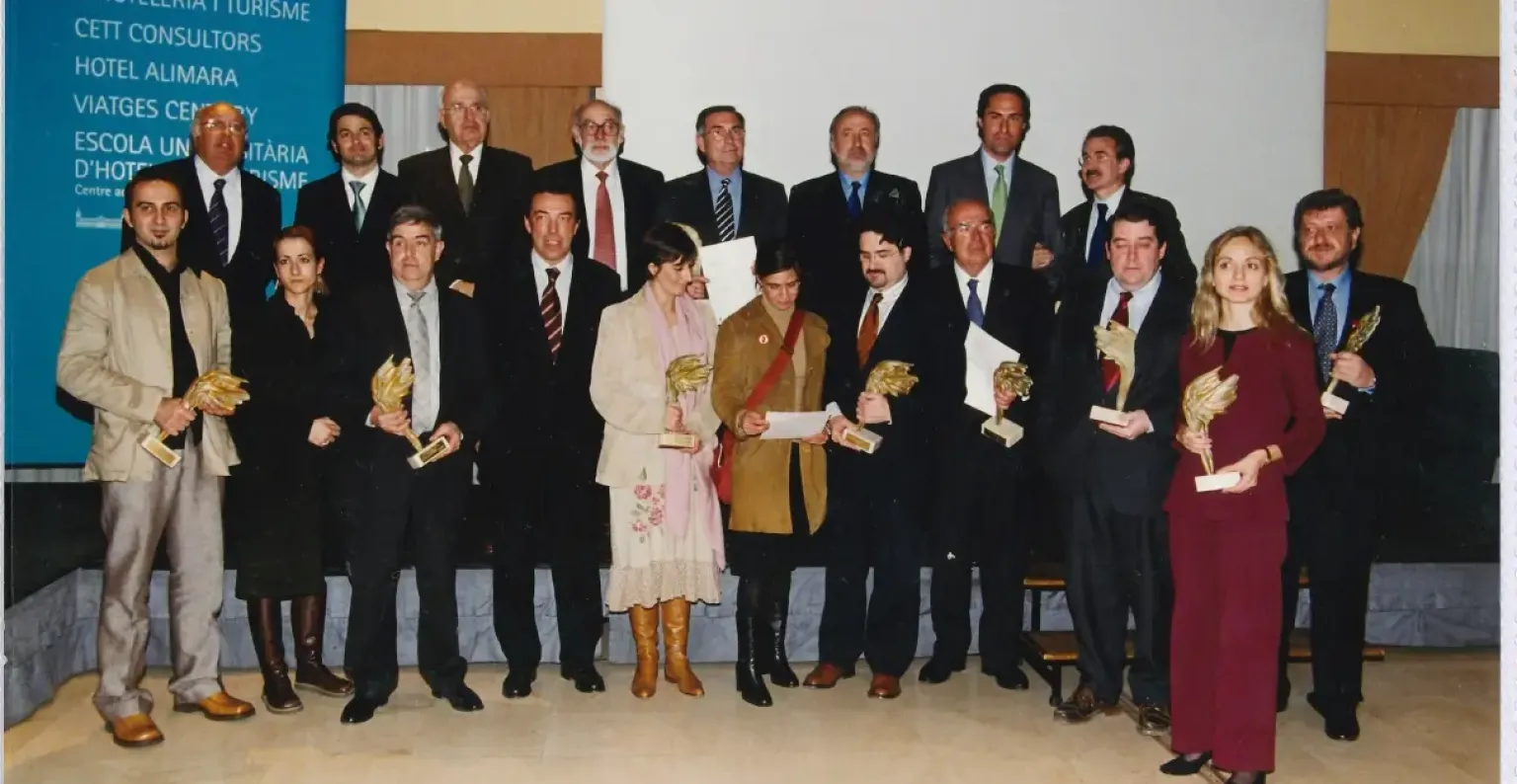
The emergence of new technologies is revolutionizing tourism marketing strategies in an era characterized by the expansion of ecotourism and cultural tourism. This is a time of integration of digital channels and a renewed focus on destination branding, which the Alimara Awards recognize by recognizing projects that incorporate digitalization as a central element. They have awarded prizes to the first tourism websites of hotel chains such as Meliá, Zenit Hotels, and BC Hoteles (2000), and to the most dynamic and interactive international campaign of 2009.**
Meanwhile, CETT continues its commitment to providing the highest level of professional development to a sector that is increasingly regulated thanks to the Tourism Law (2002). This law represents a paradigm shift towards the systematization of tourism promotion and management, with new facilities in Mundet, the launch of the Diploma in Tourism, and the offering of training programs in hospitality and tourism, as well as the implementation of specialized courses in hotel management and digital tourism.


2006-2014: Evolution of experiential marketing and tourism digitization
Social media is transforming the communication paradigm and, with it, the role of tourists in their interactions with tourism companies, which are gaining control and independence from travel agencies. The relationship is evolving to be dynamic and collaborative, with tourists seeking authentic and unique experiences within new digital communities. The Alimara Awards are reinventing their categories to recognize this evolution, awarding prizes for digital engagement campaigns, audiovisual content creation, and experience-based tourism promotion, such as the PortAventura World interactive mobile app (2013) and the Vist Norway campaign (2010).
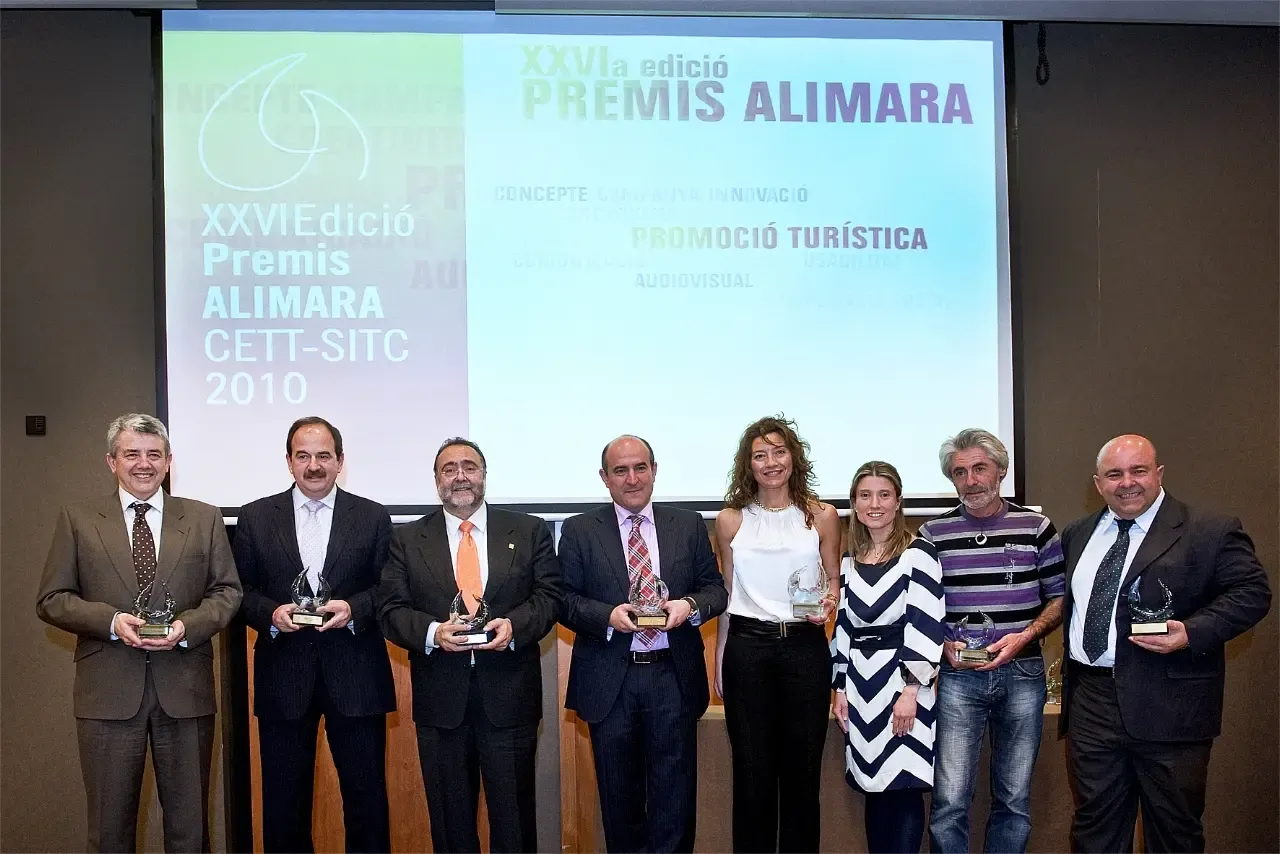
In line with these new trends and driven by the Bologna Process (2007), which regulates higher education in Europe, CETT is expanding its academic offerings and elevating them to the highest level of training to prepare professionals capable of leading these transformations. Thus, the first official master's degrees in tourism, hospitality, and gastronomy have been approved, the Bachelor's Degree in Tourism (2009) and the Bachelor's Degree in Culinary and Gastronomic Sciences (2014) have been launched, and new specialized programs in tourism experiences have been developed.
2015-2024: Innovation, artificial intelligence and sustainability
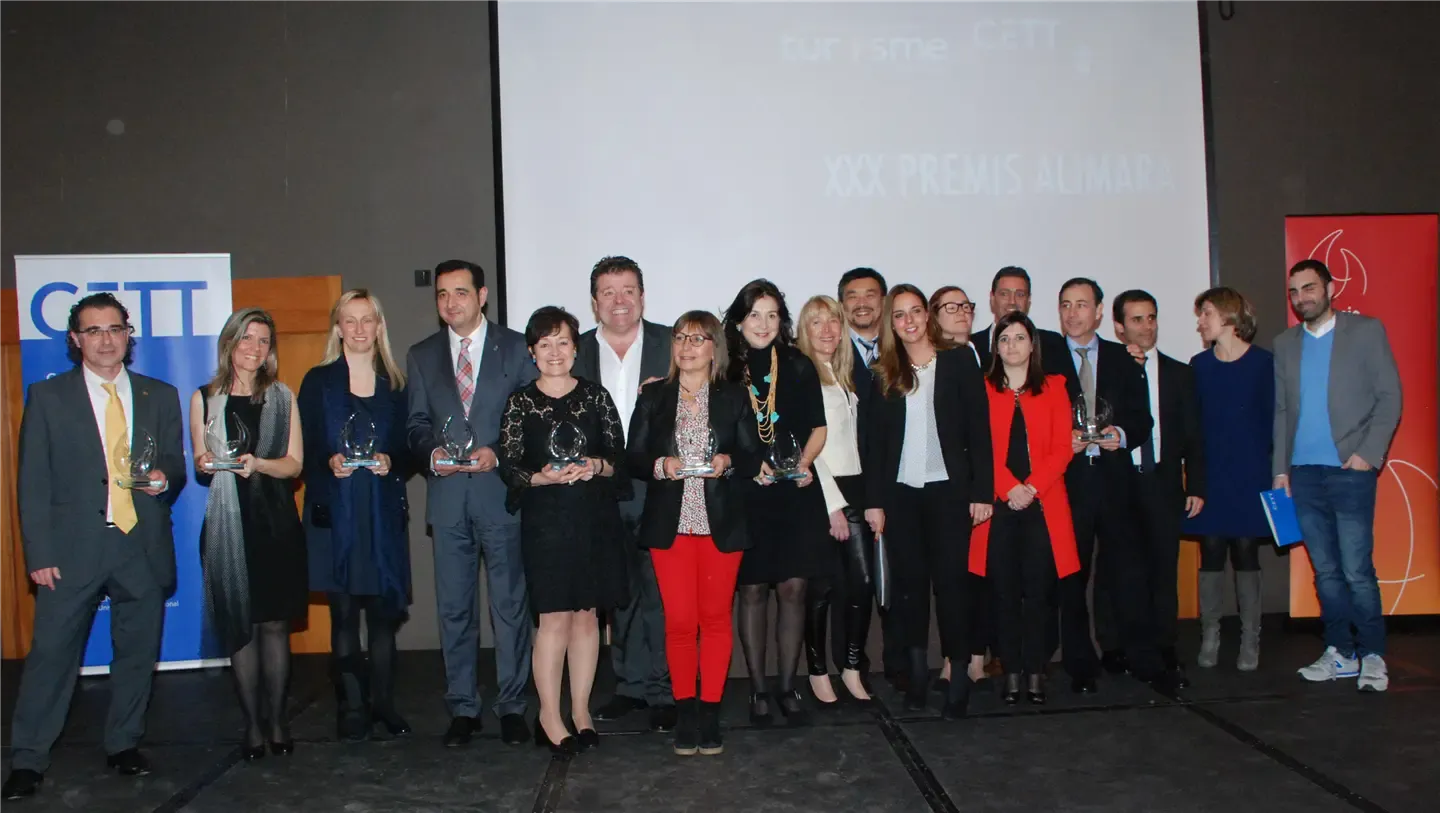
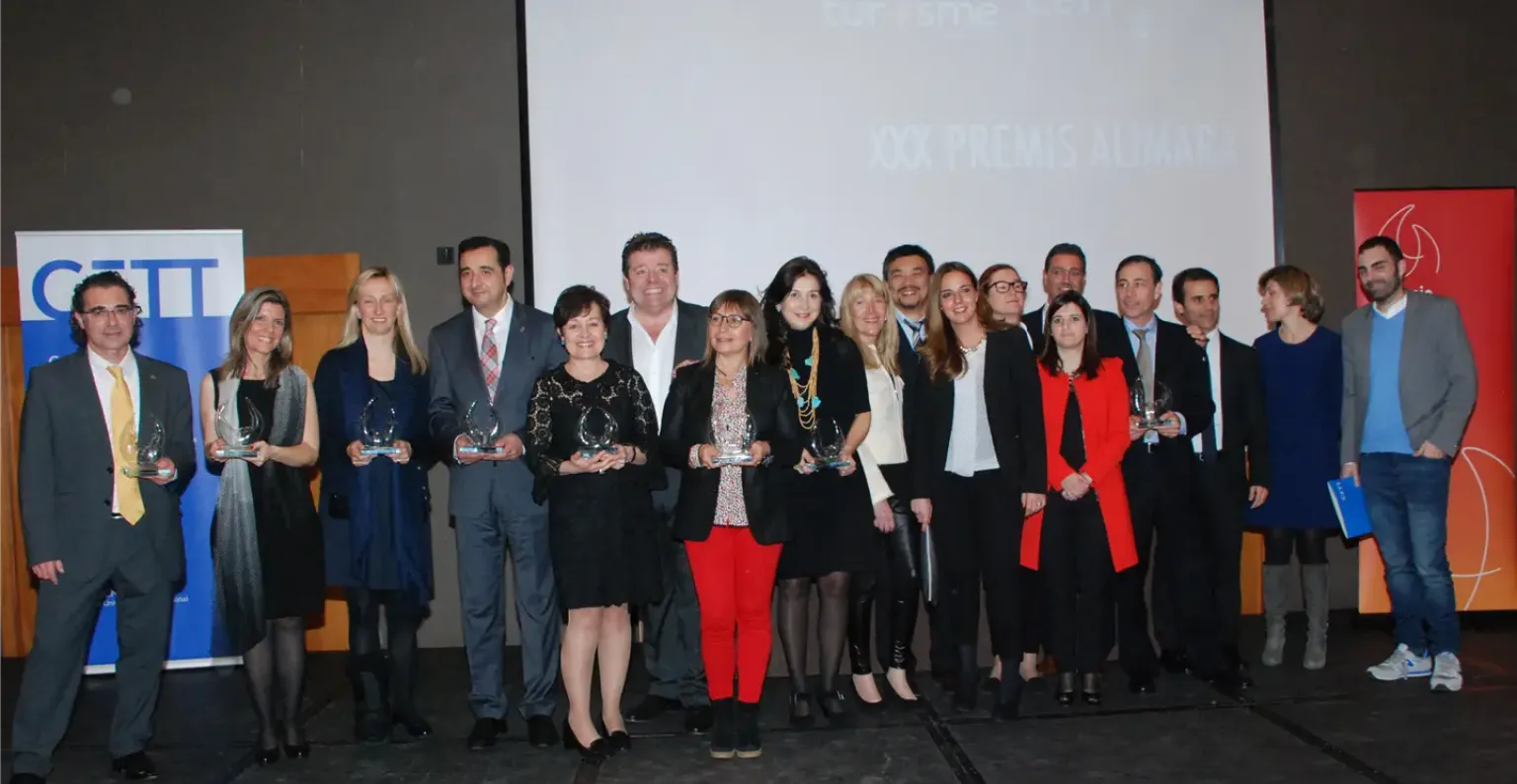
Personalization is taking a new level with the rise of artificial intelligence and big data, new agents that hyper-personalize tourist experiences and pave the way for predictive marketing. With the emergence of the Sustainable Development Goals, sustainability has become the central pillar of the tourism model, and the Alimara Awards recognize technological projects such as Casa Batlló's Structures of Being (2024) and sustainable initiatives like the Girona Routes (2018), reinforcing their commitment to innovation and sustainability.
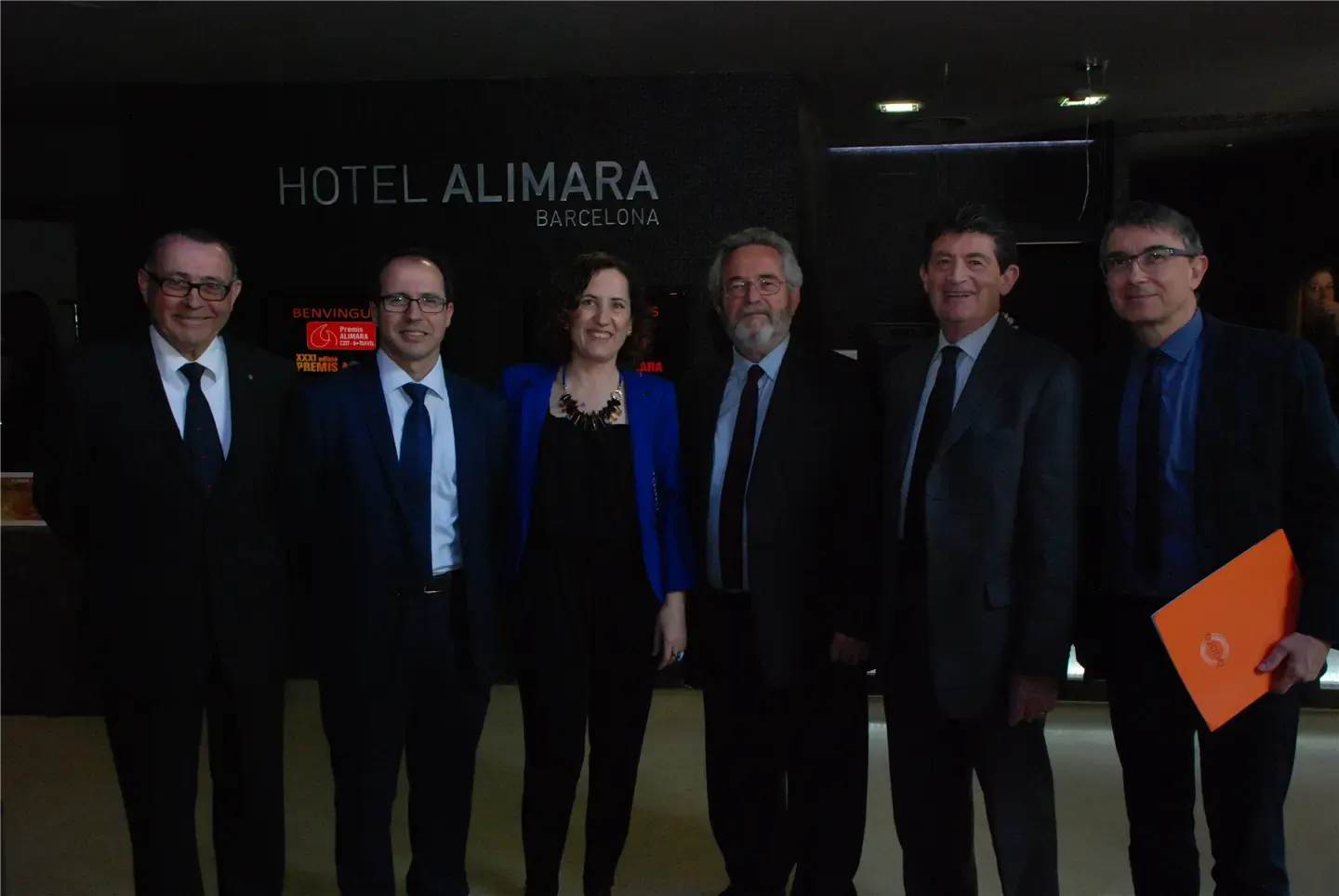
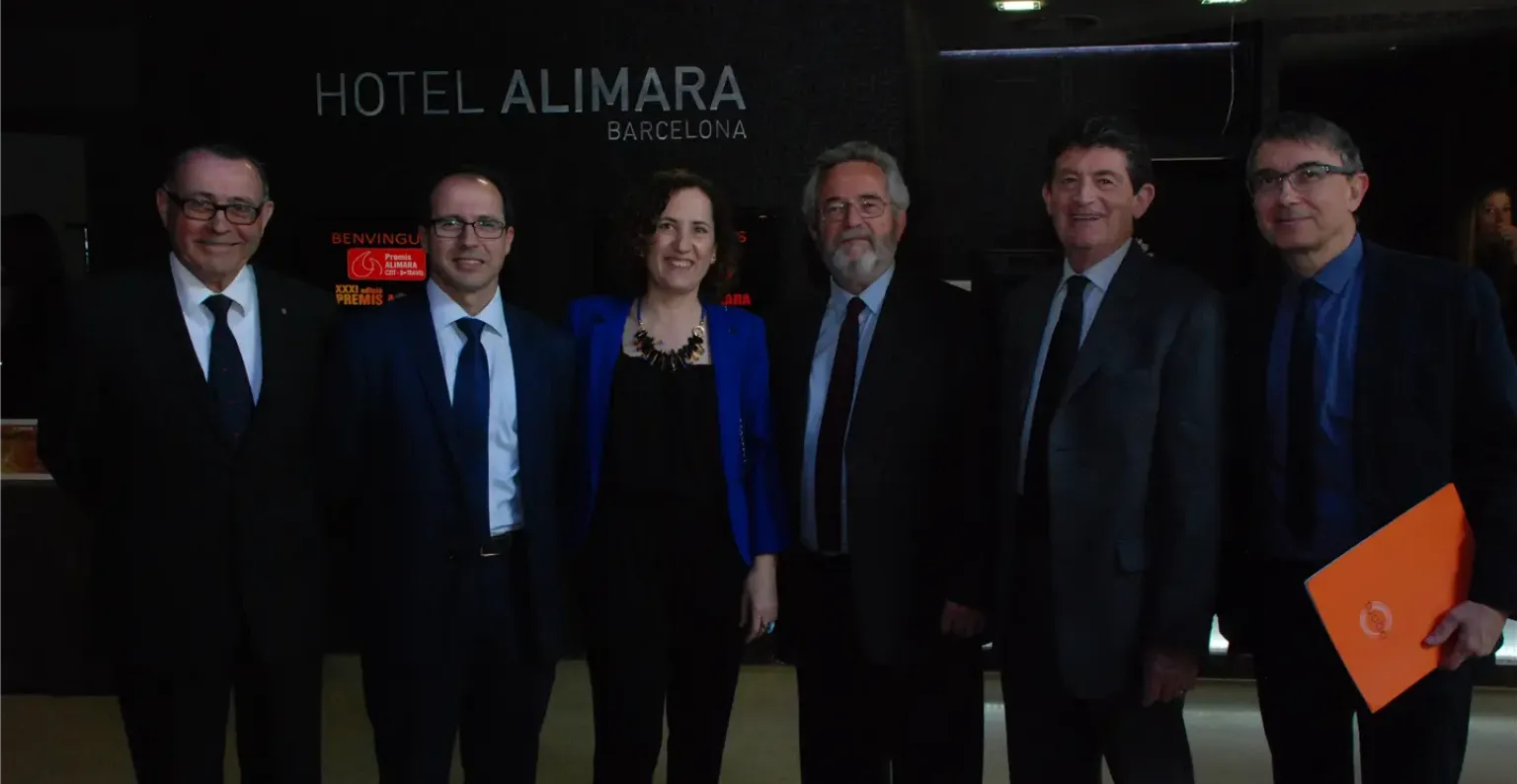
In a context focused on regenerative tourism, with the tourist tax approved in 2012—a tool now also focused on social returns beyond tourism promotion—CETT is dedicated to the generation and transfer of knowledge that enables institutional relationships driving sectoral change. Thus, the UB Chair of Tourism, Hospitality and Gastronomy CETT (2015) was created, reinforcing academic leadership in research in the sector, the CETT Smart Tourism Congress Barcelona was born (2016), the research category was included in the Alimara Awards (2021) and the Alimara Hotel became a 4th hotel.
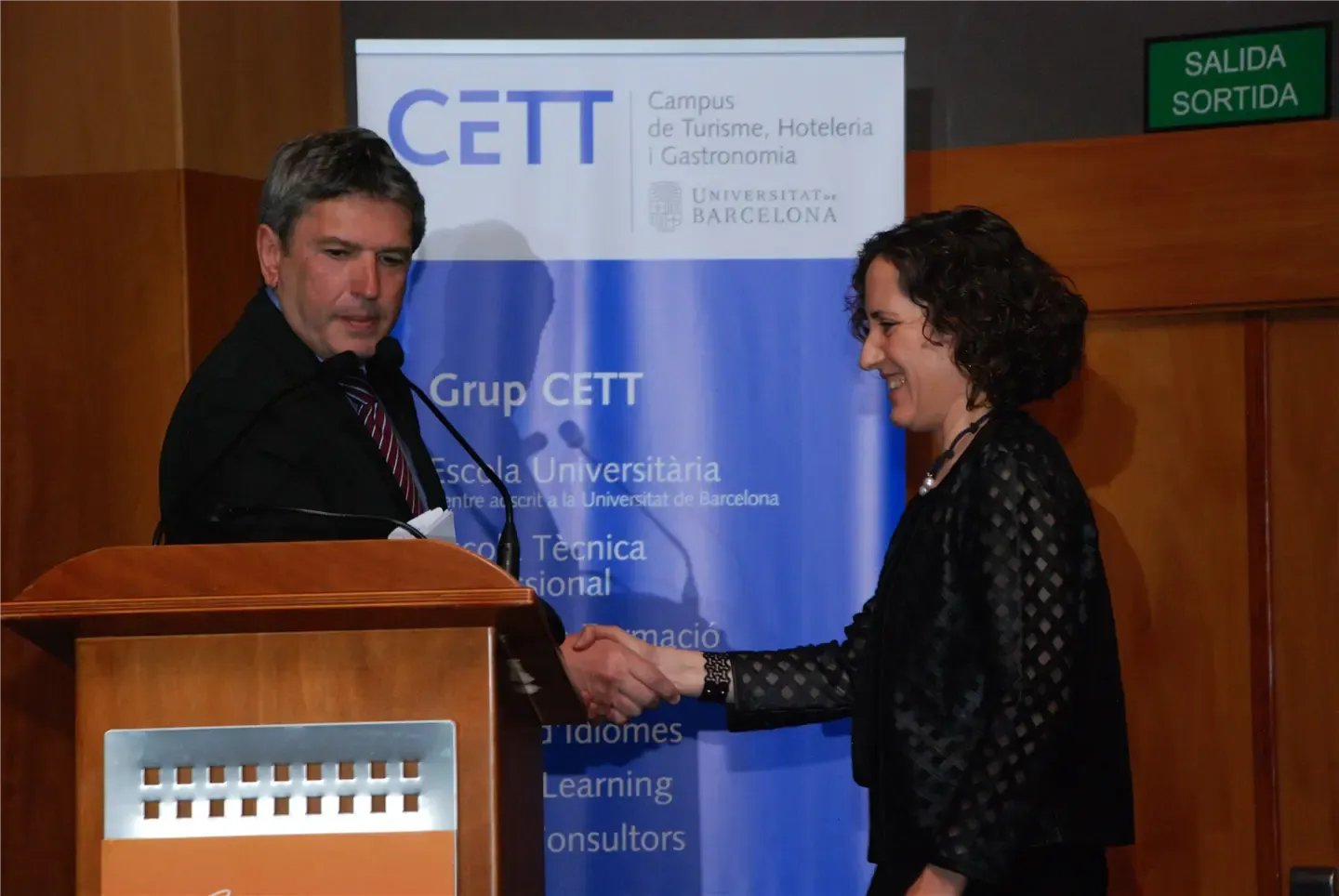
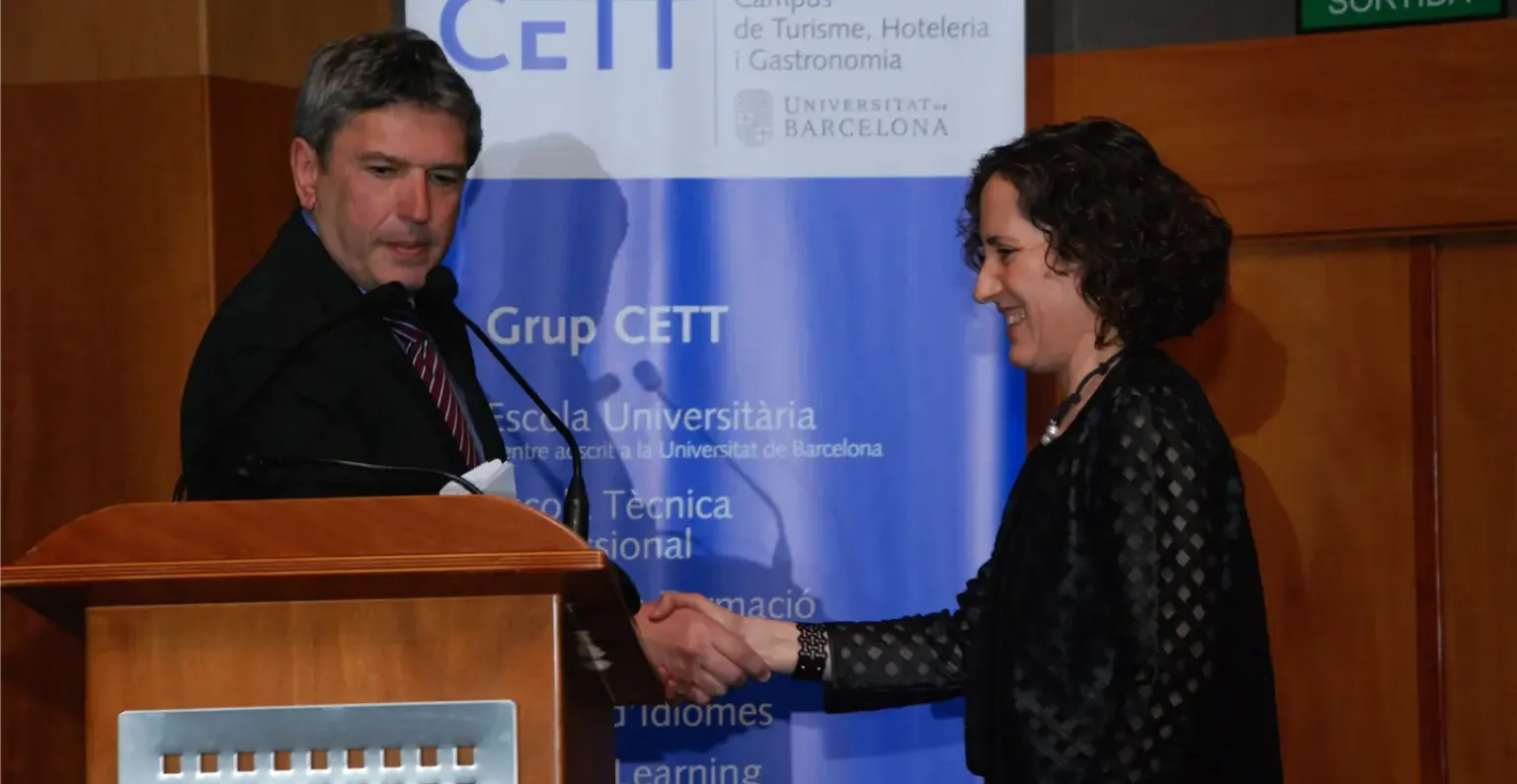
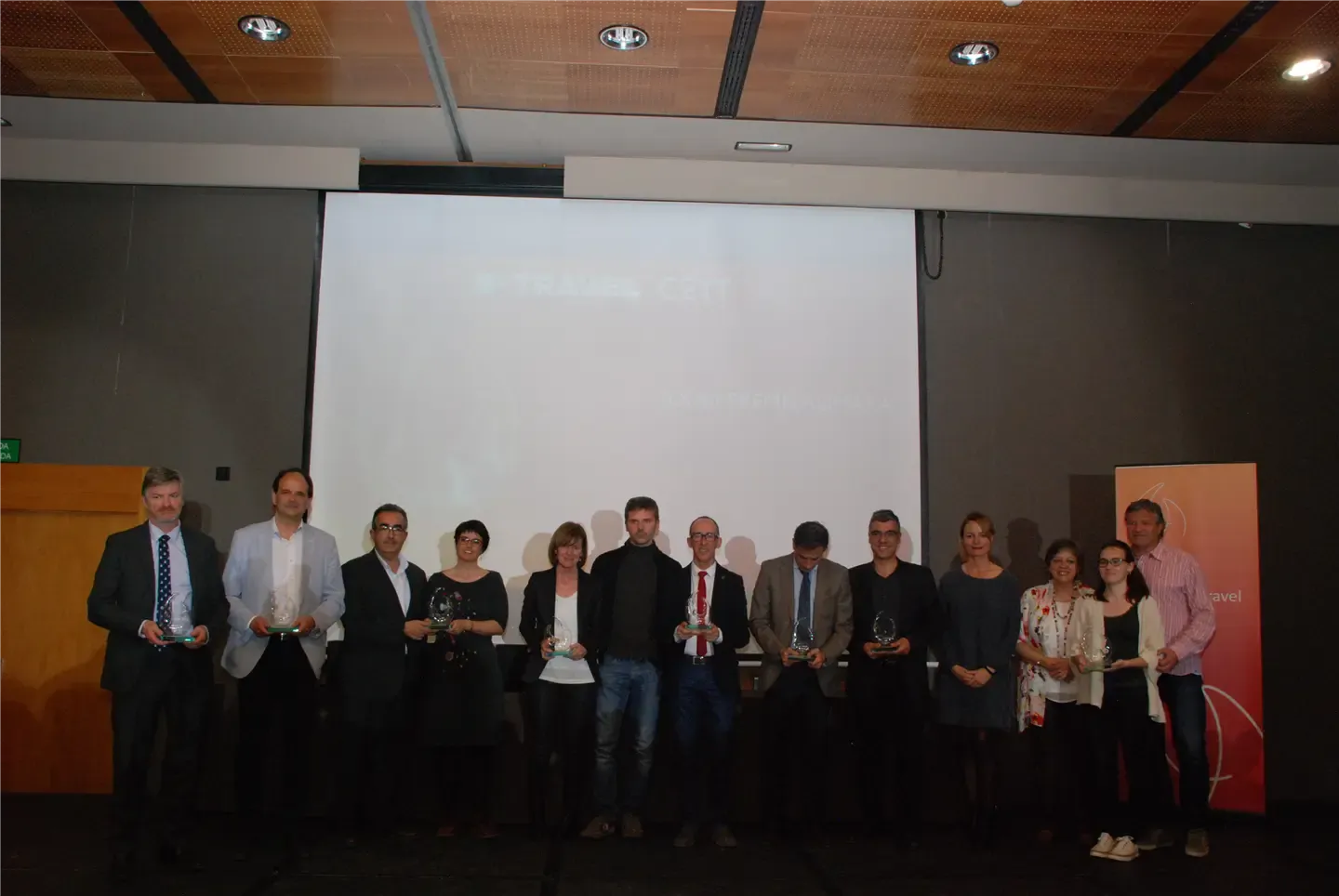
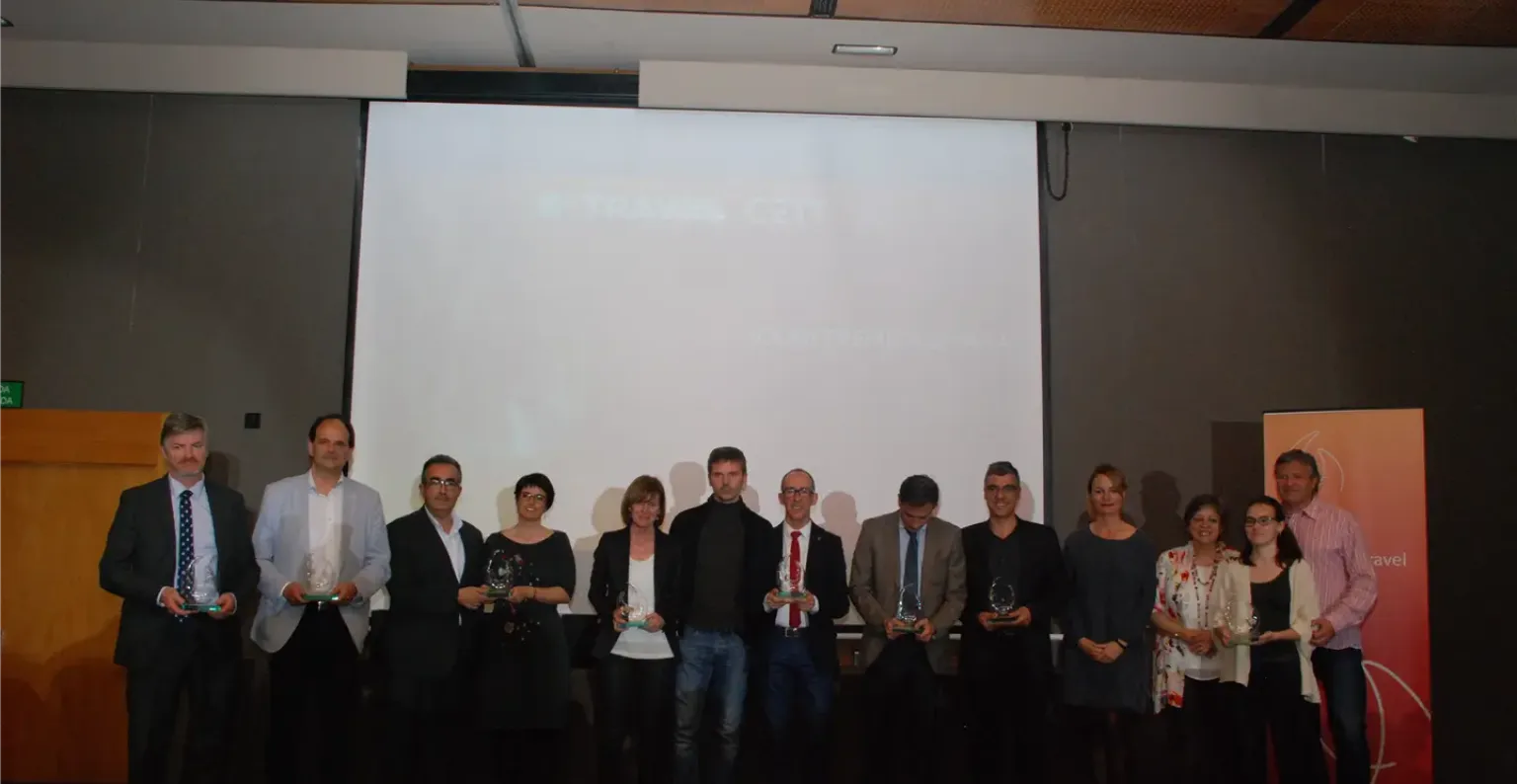
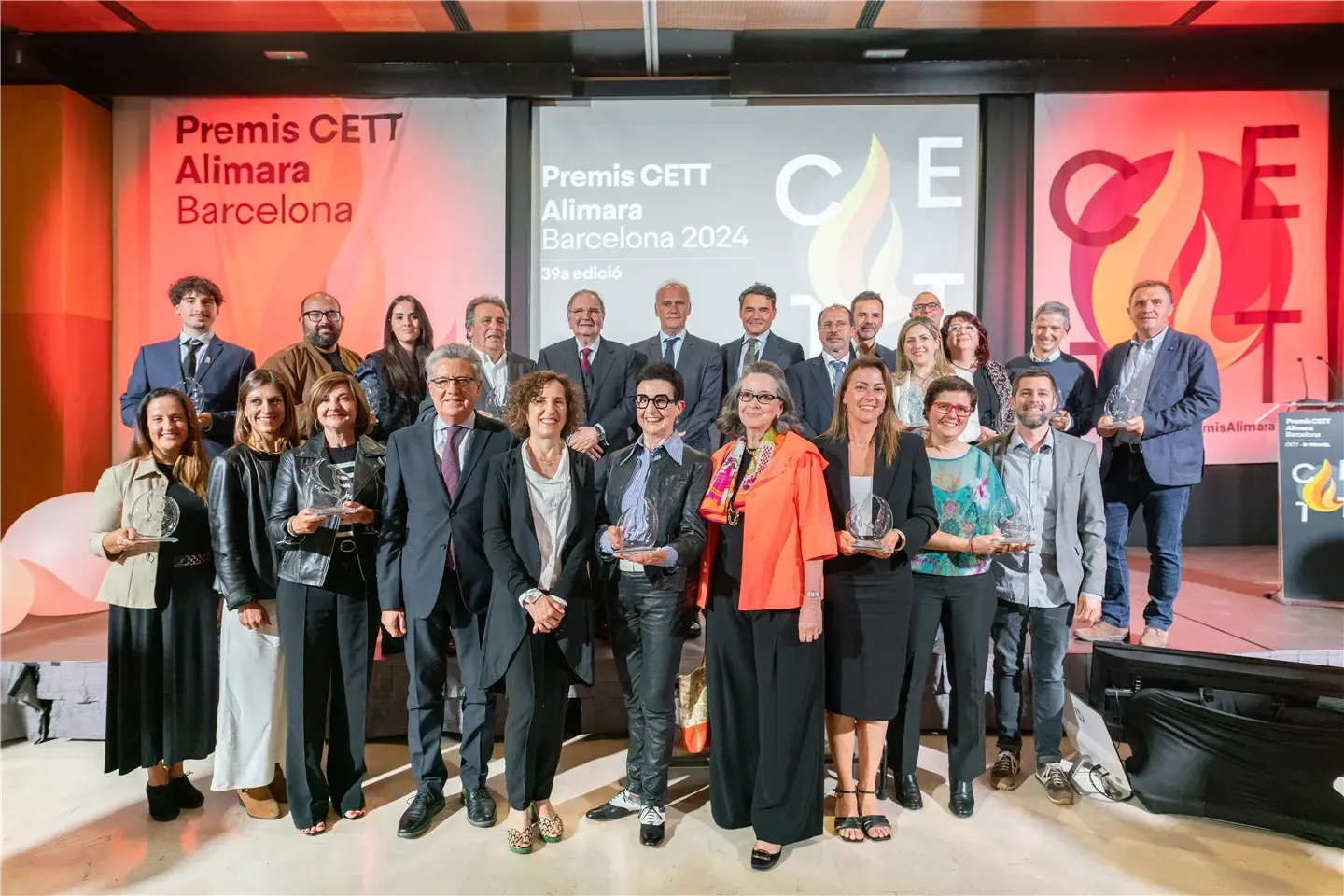
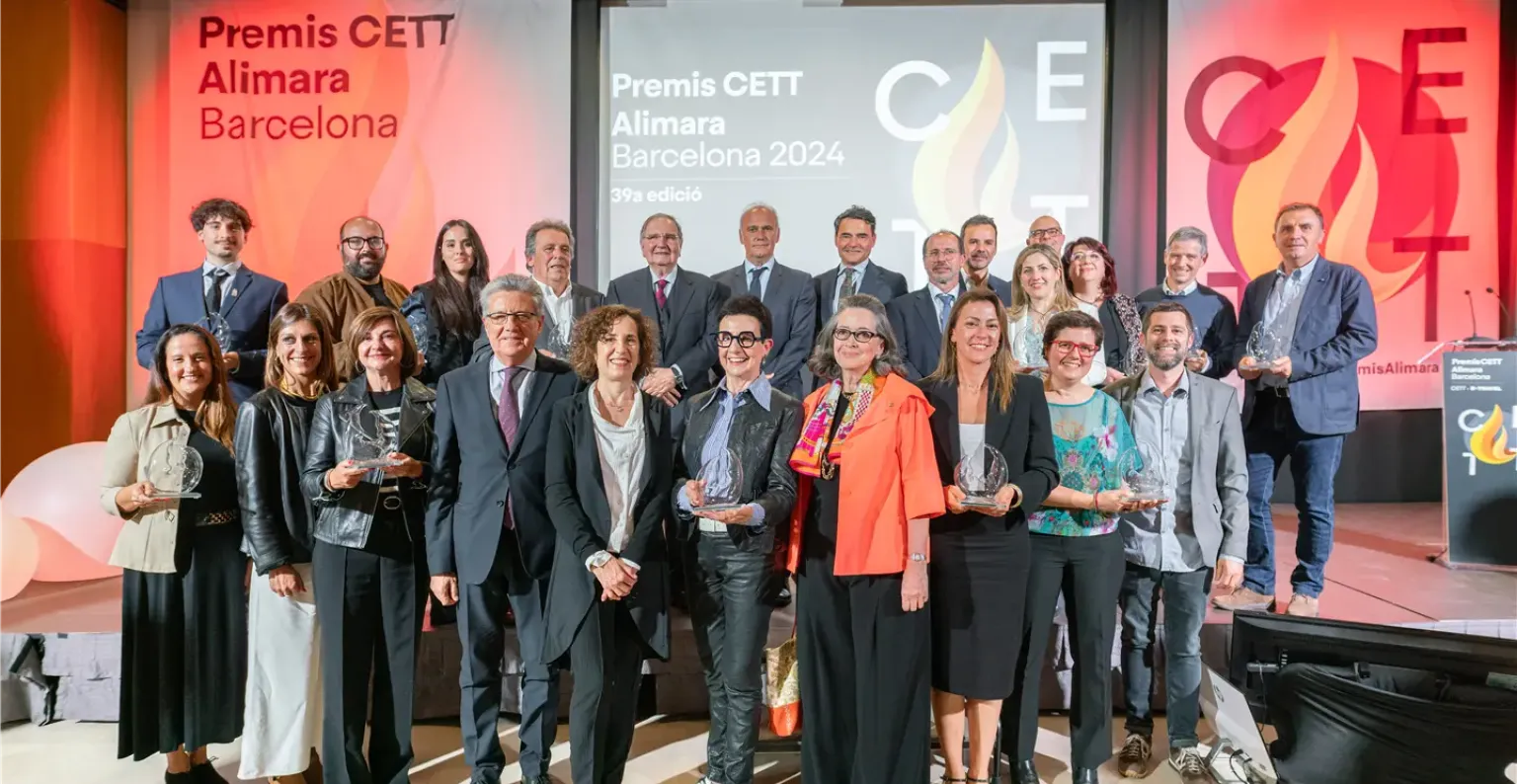
The awards: icons of an evolving tourism industry
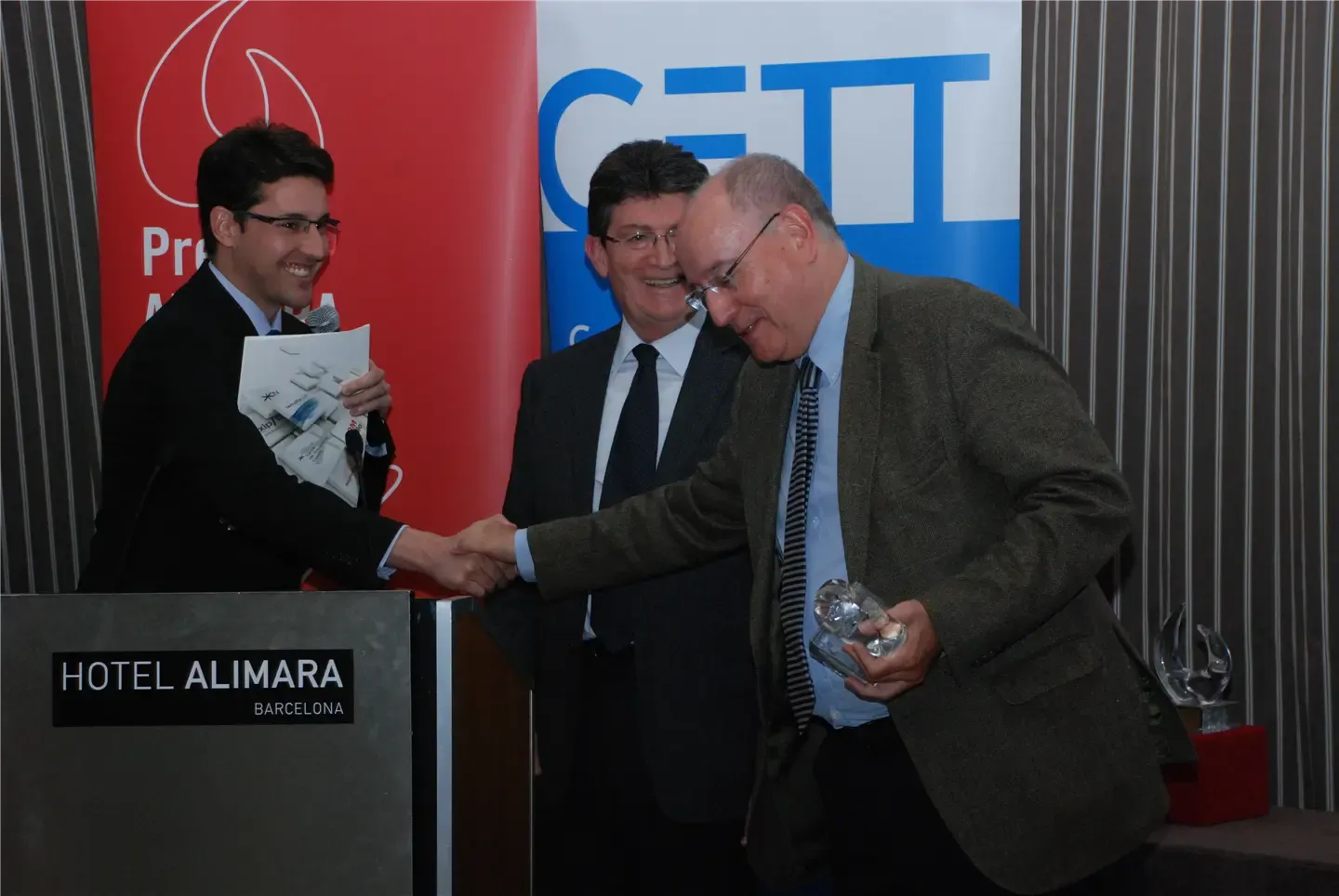
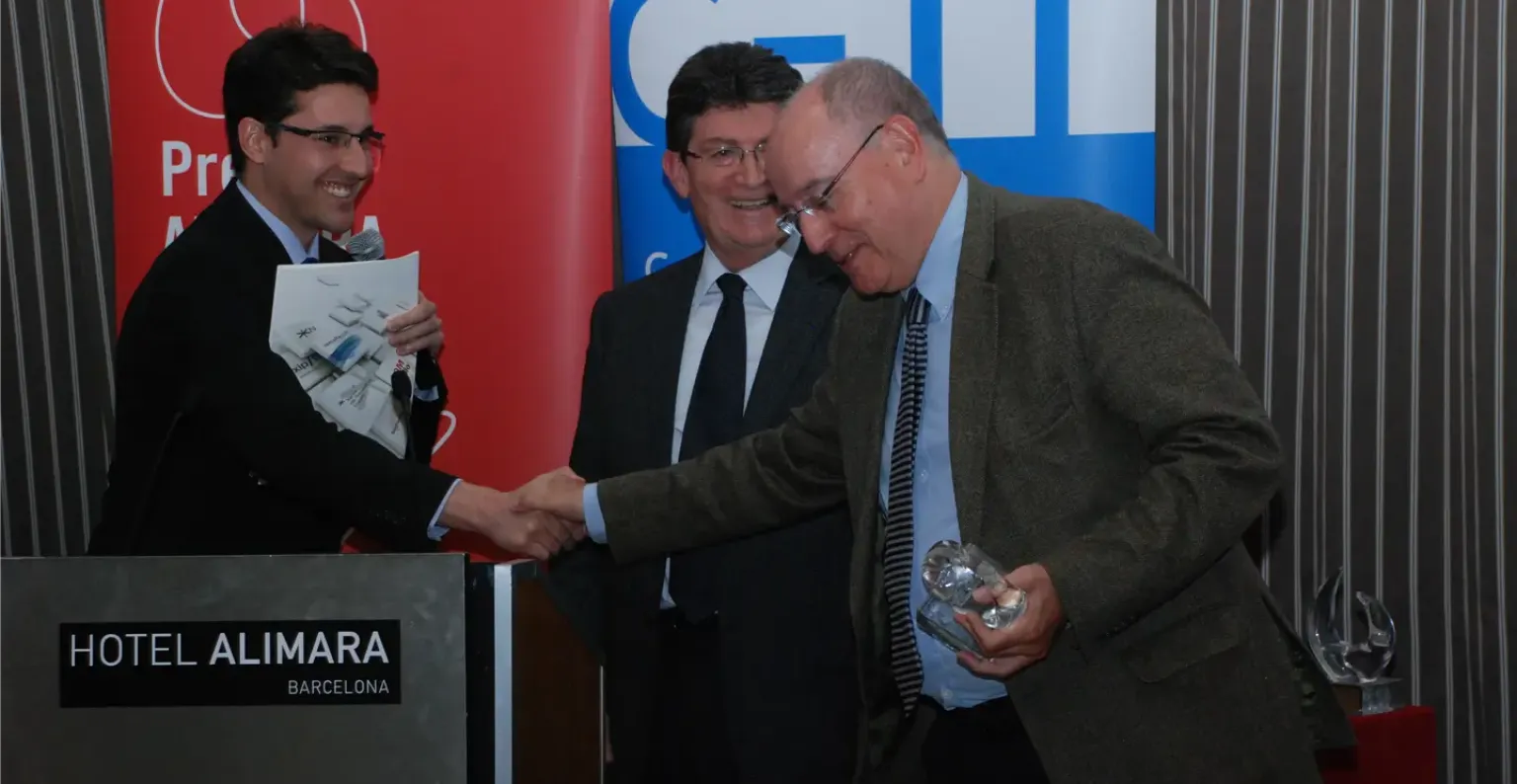
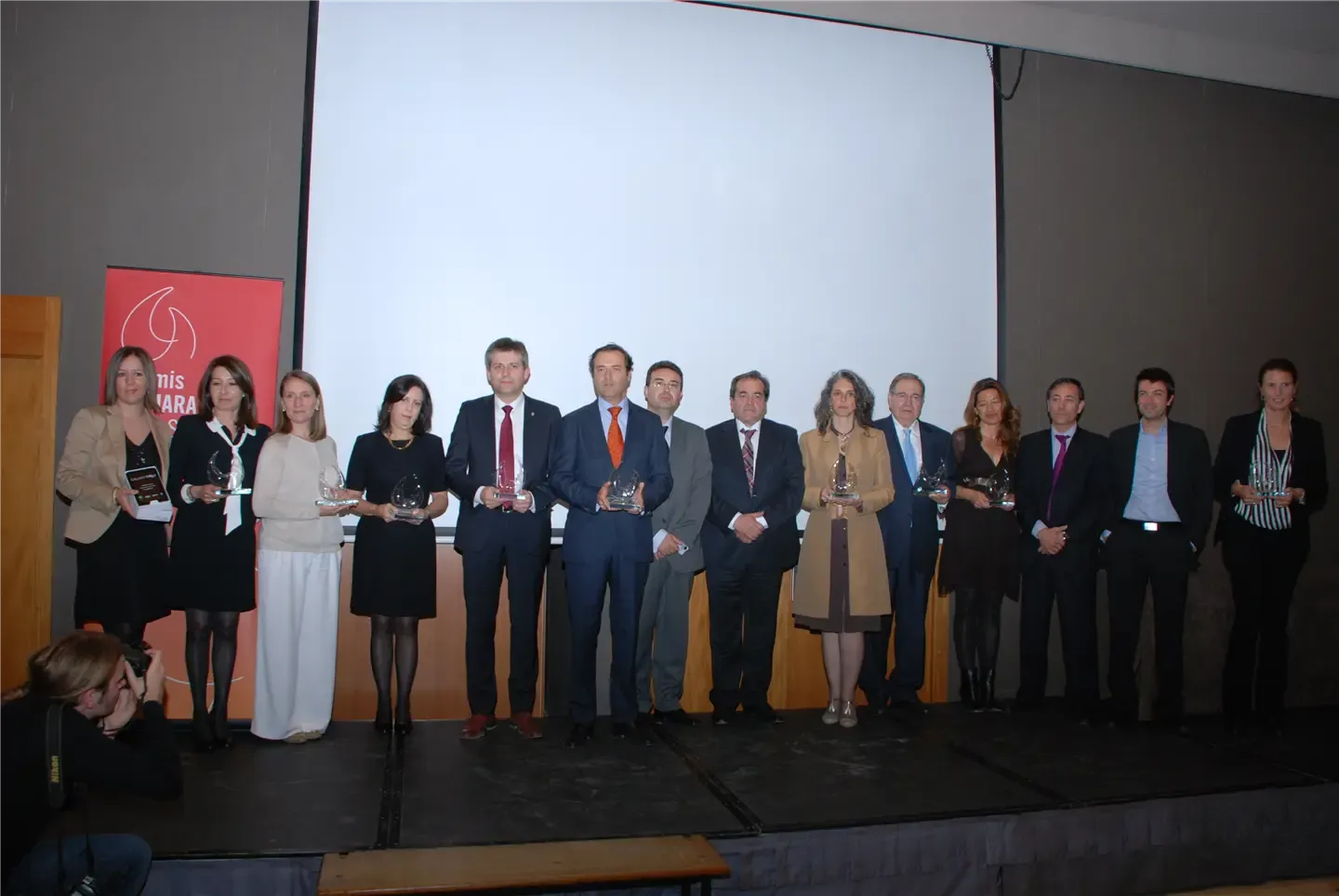
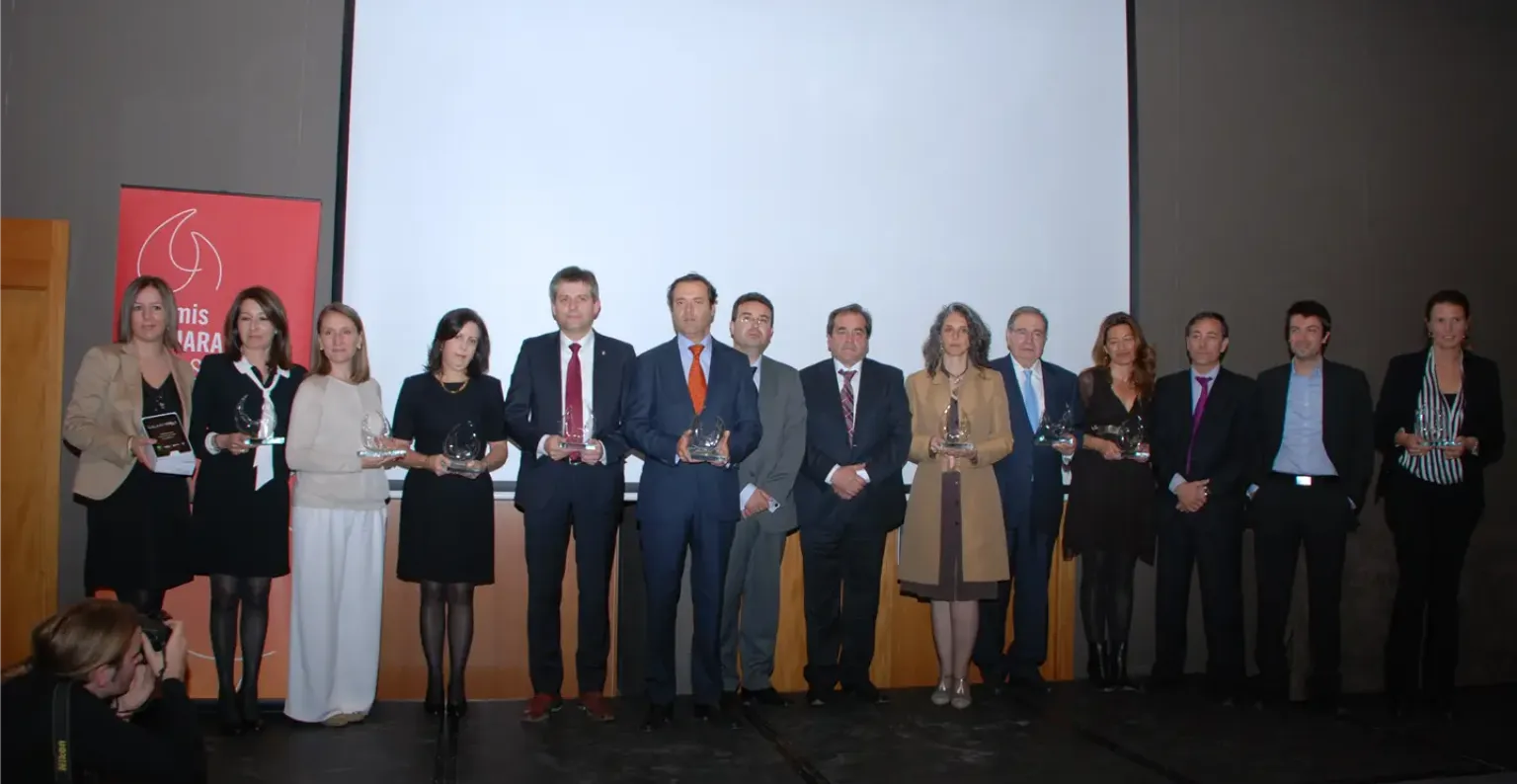
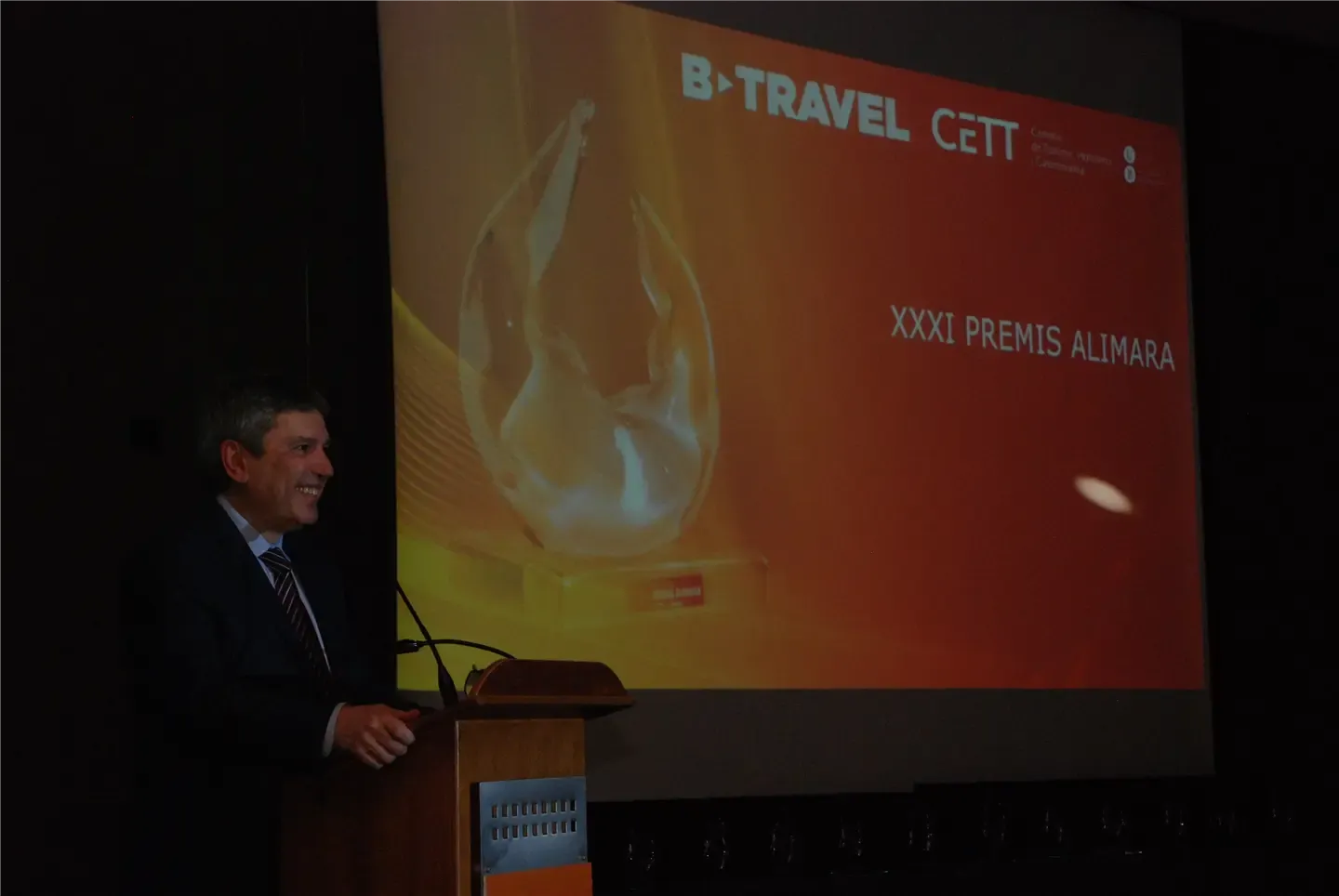
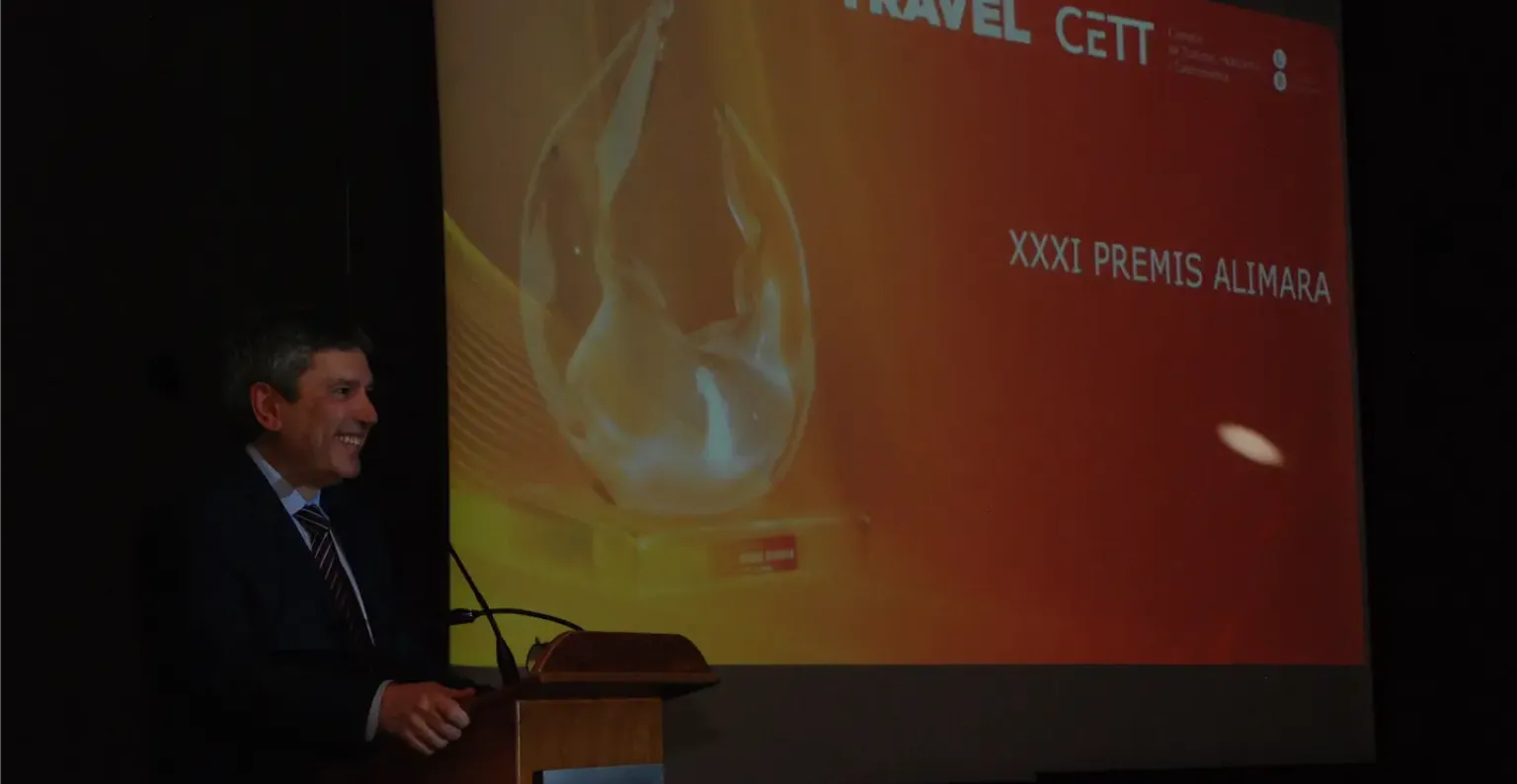
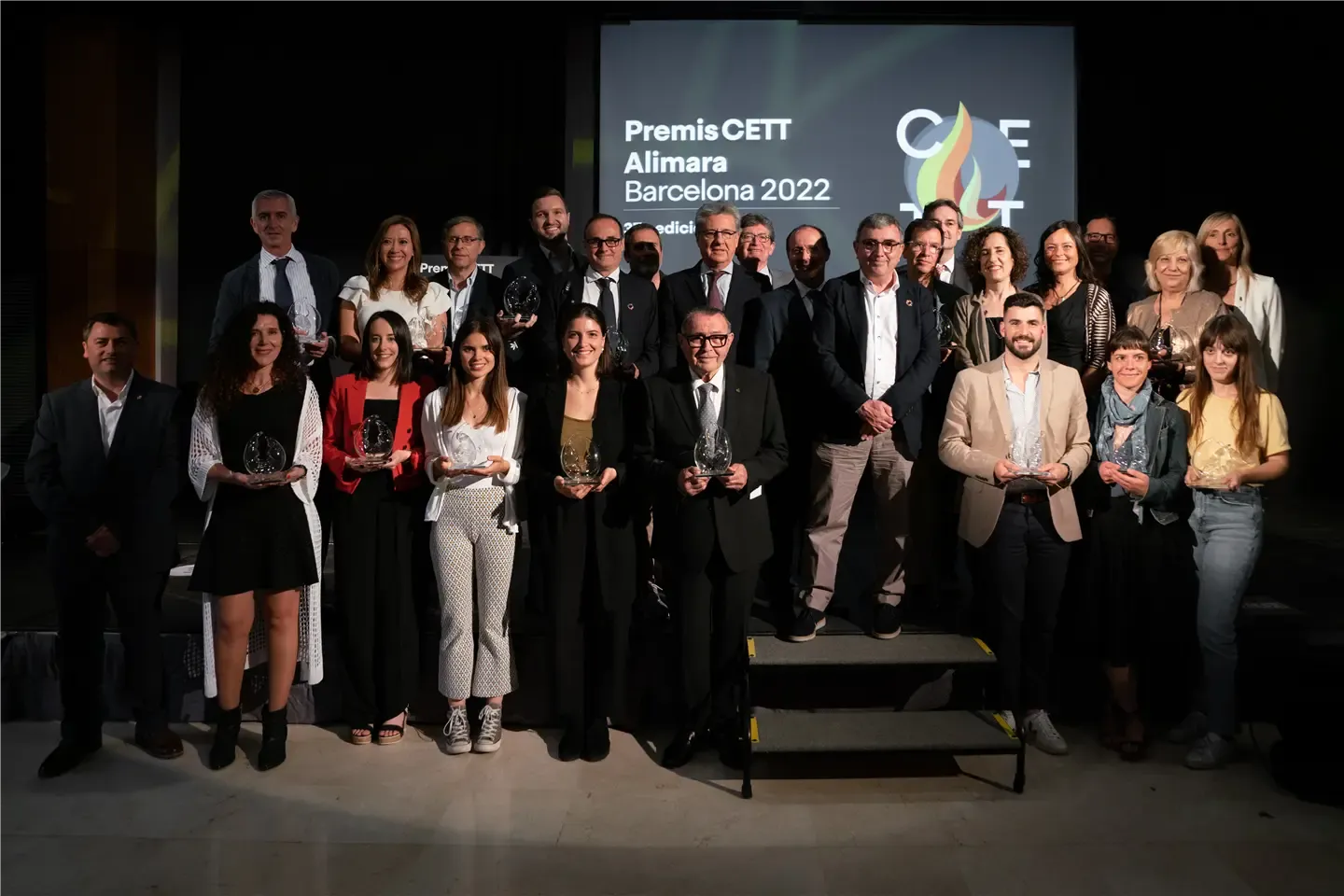
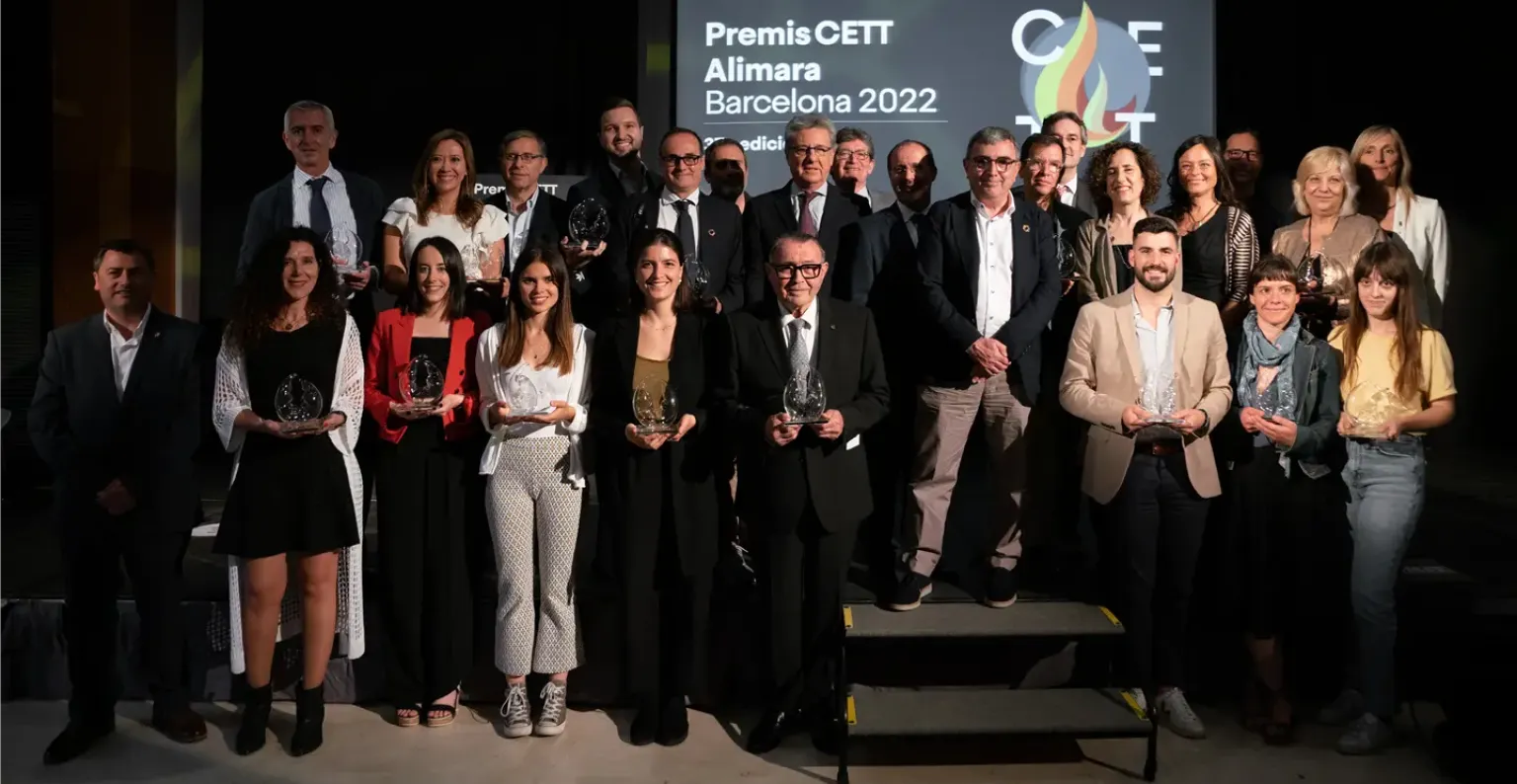
The tourism sector is constantly evolving, and with it, the Alimara Awards, which each year recognize the most innovative initiatives in the industry. Throughout their history, these awards have featured two iconic prizes that symbolize progress and excellence.

The statuette of the winged woman: the symbol of prestige
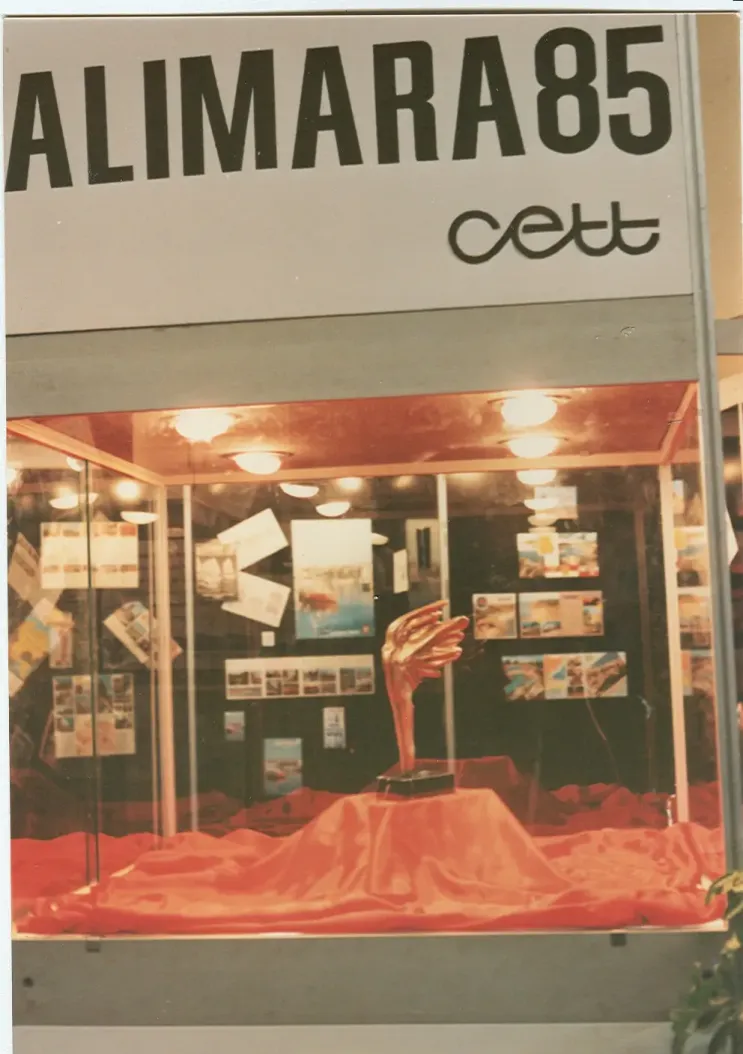
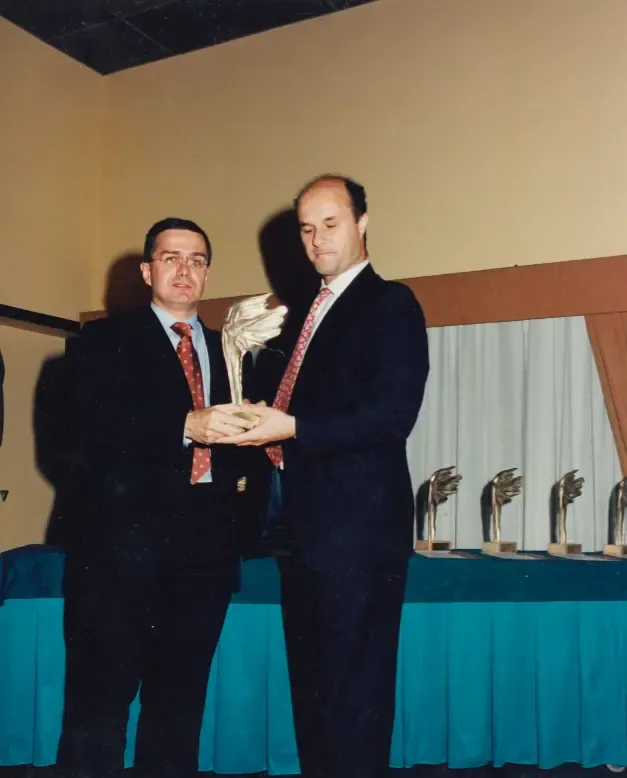
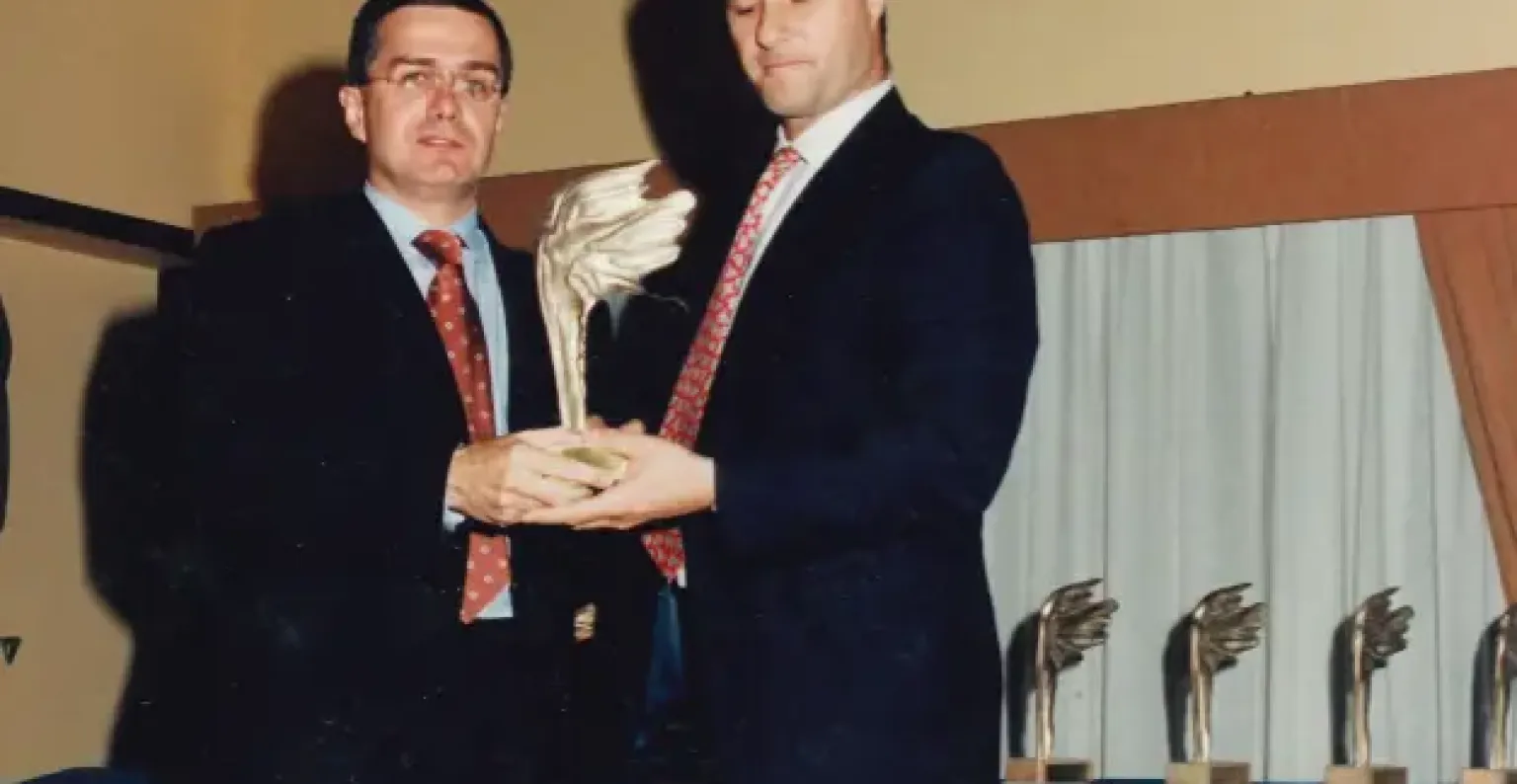
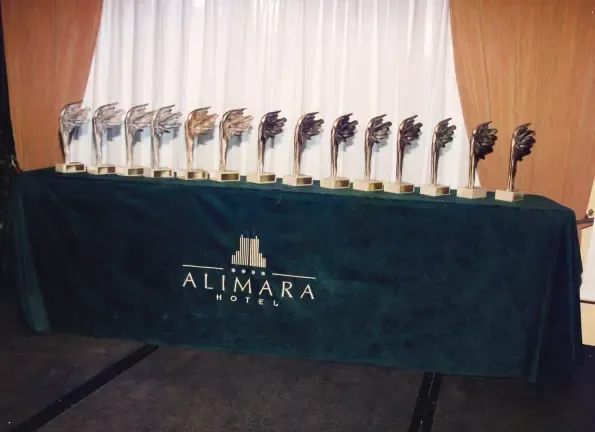
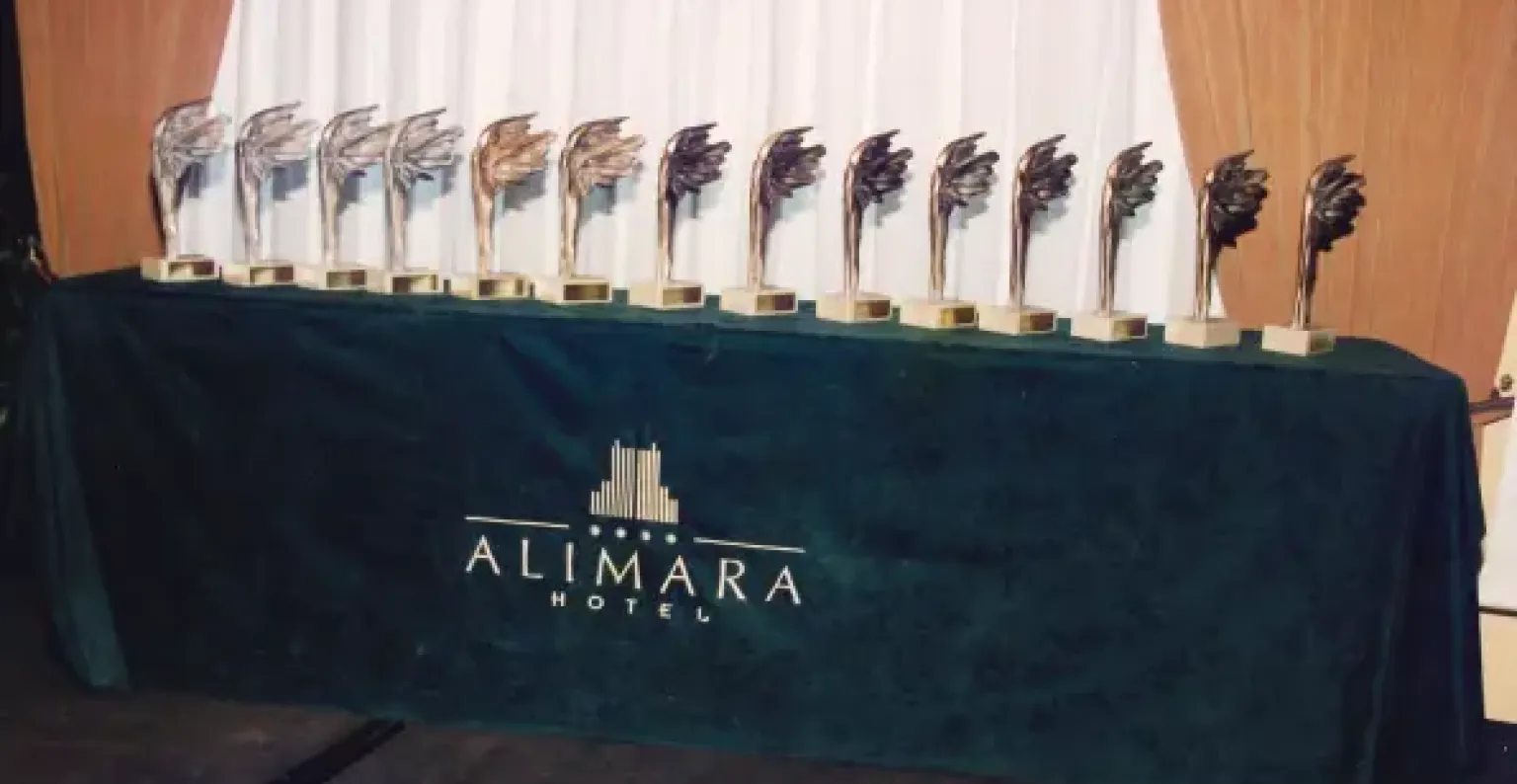
The inaugural Alimara Award is an elegant statuette in the shape of a winged woman. This figure represents freedom, dynamism, and the evolution of tourism. Its stylized design evokes creativity and a constant drive toward the future, establishing itself as a prestigious symbol in the tourism industry.

From Alimara to Glass Trophy: The Transformation Towards Modernity
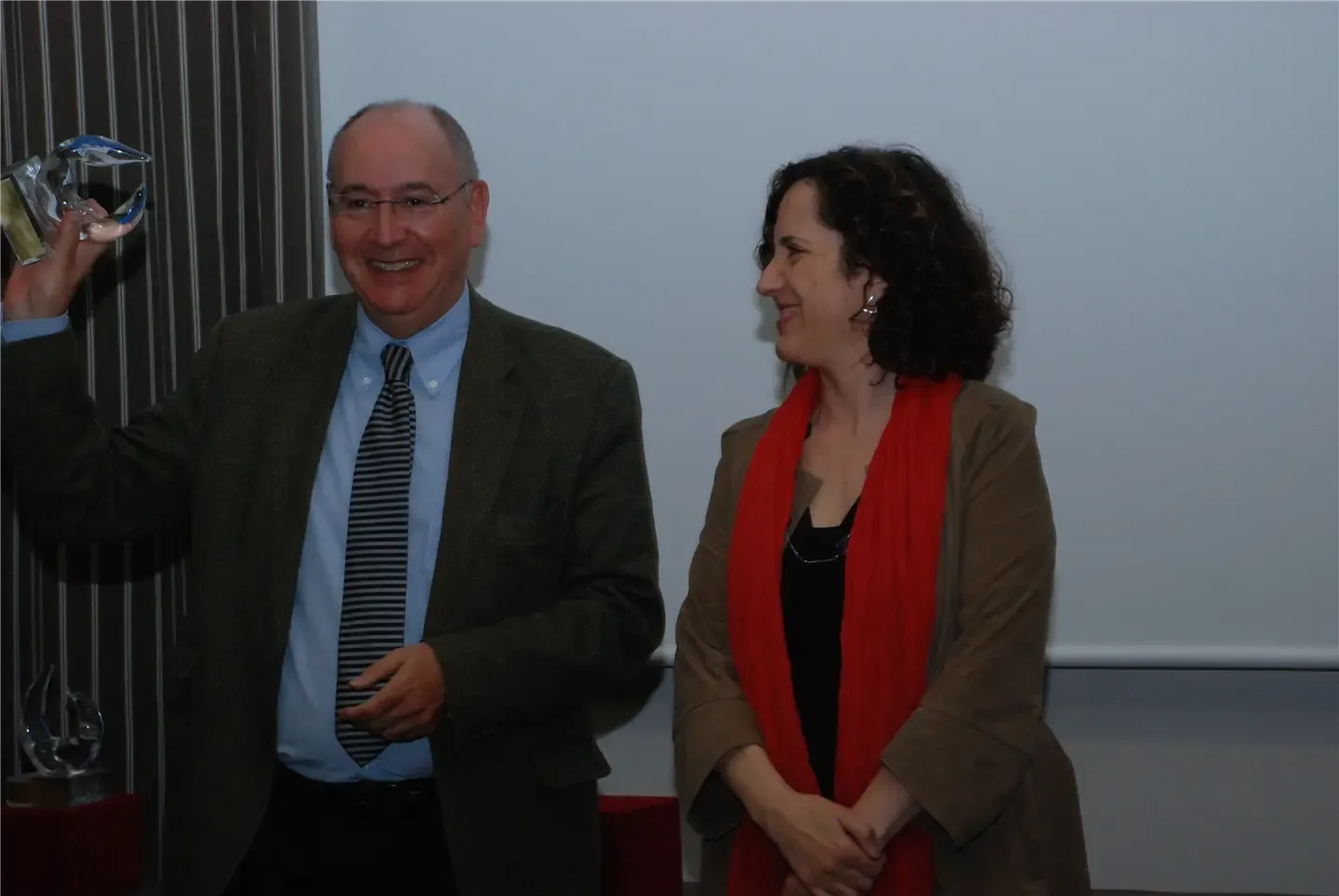
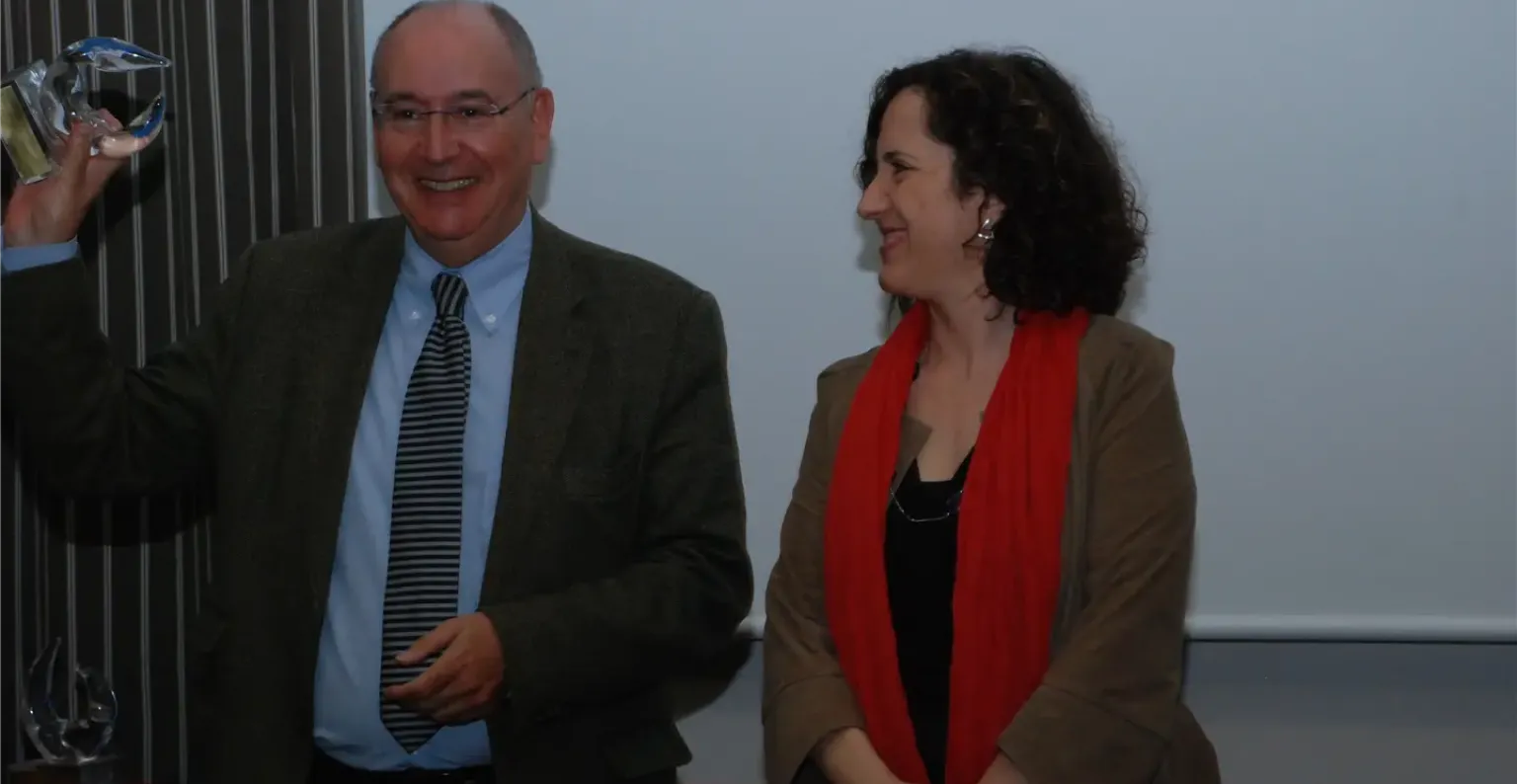
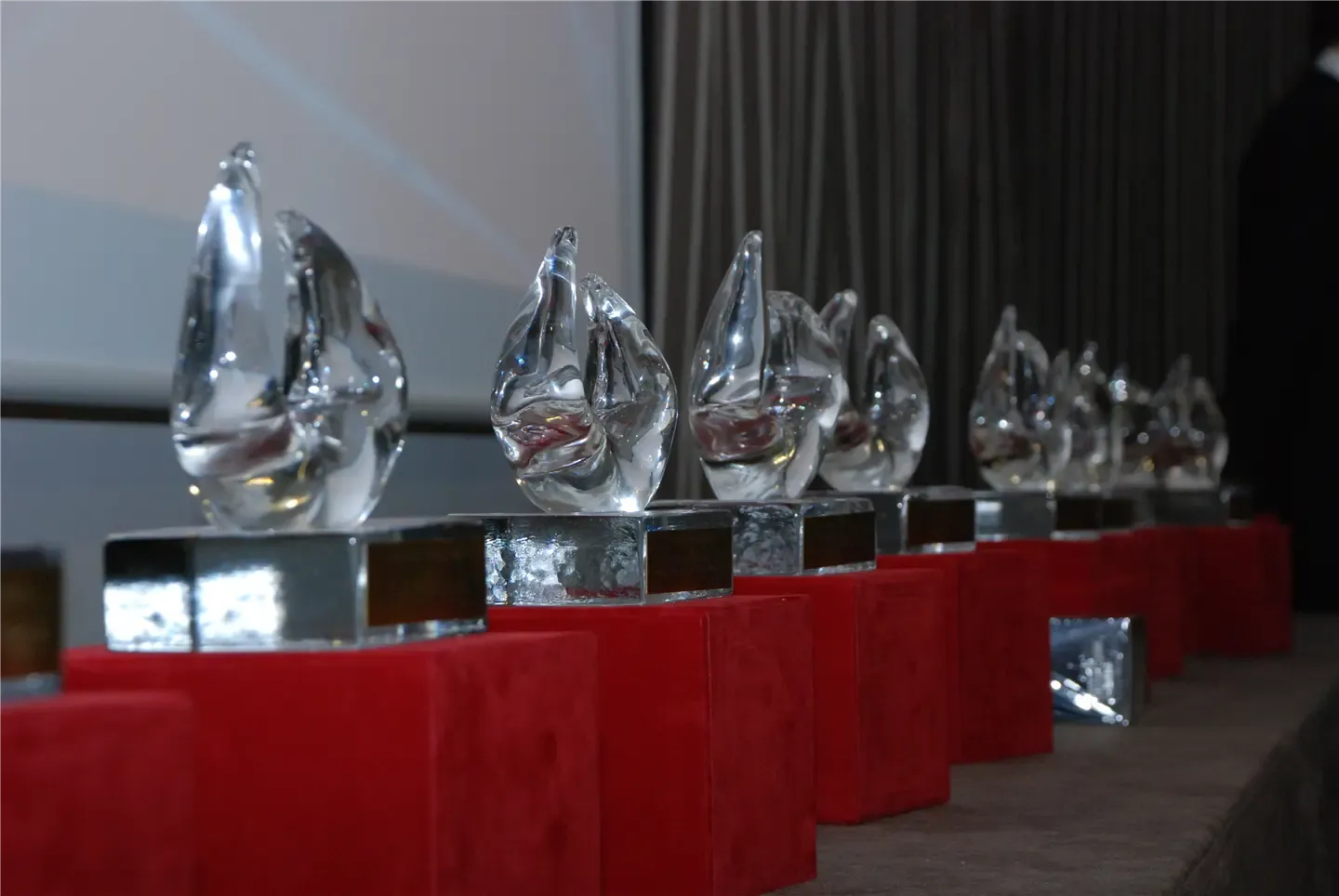
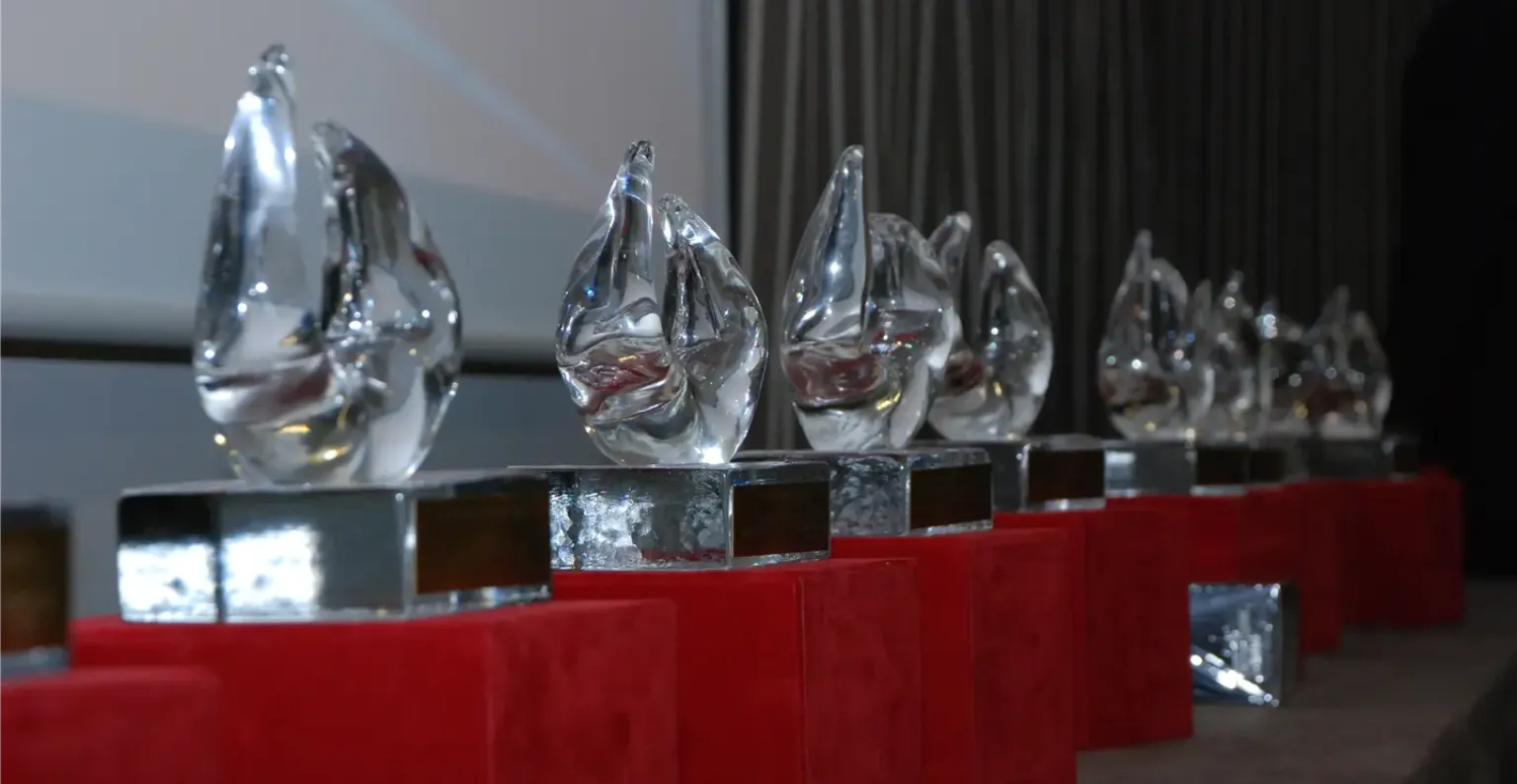
Over time, this award has evolved into a crystal trophy, whose minimalist and modern design conveys transparency and innovation, two essential values in today's tourism.
The Alimara Awards, the flame that never goes out
An Alimara is a fire that, in ancient times, was lit successively in high places. The Alimara served to warn, to communicate. It was a flame that guided and united people and communities. The CETT Alimara Awards symbolize this flame which, after forty editions, evolves, endures, and distinguishes itself.
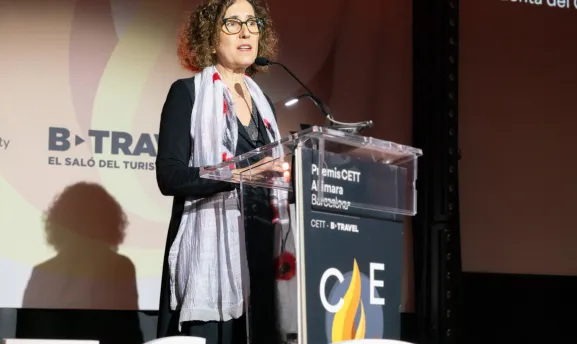
The Alimara Awards have been a constant in the evolution of the country's tourism industry, and at CETT we are delighted to have been part of them. This integrated perspective helps us anticipate the evolution of travelers' needs and expectations and how destinations, businesses, and marketing will need to respond. In this sense, and in line with CETT's commitment to Catalonia and the sector, the Alimara Awards will continue to serve as a benchmark for ongoing development.
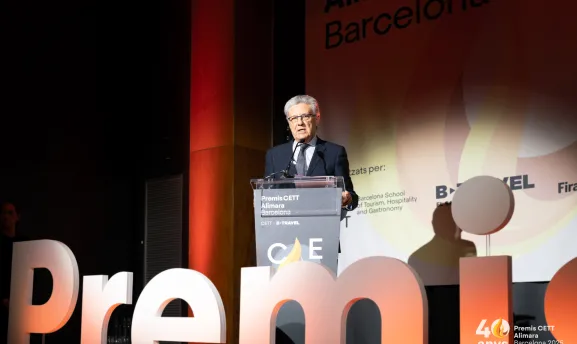
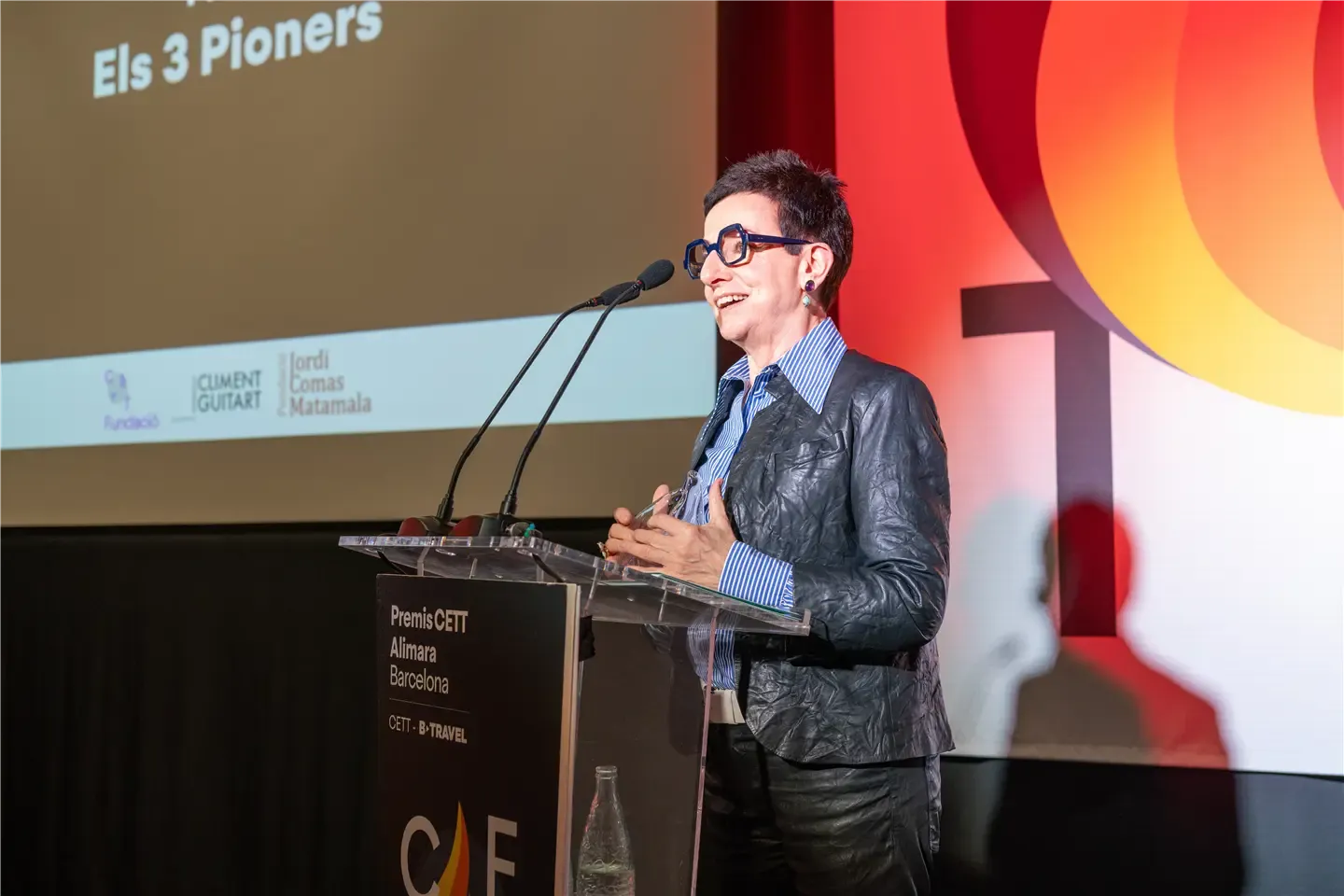
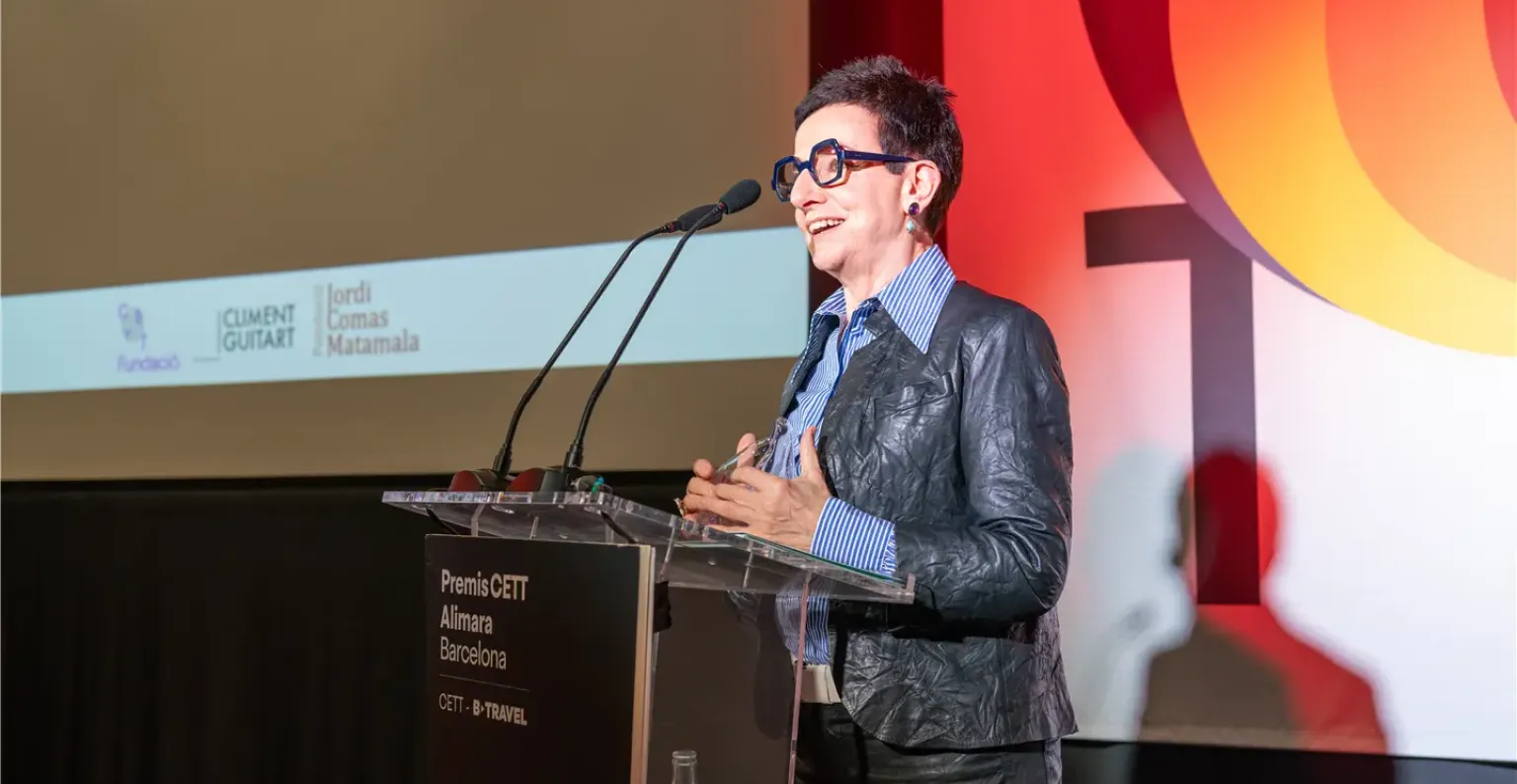
"It's an honor to share the CETT Alimara Awards ceremony with CETT, especially on its 40th anniversary. The expertise and level of projects presented continues to improve with each edition, and we would like to congratulate the jury for their excellent work."