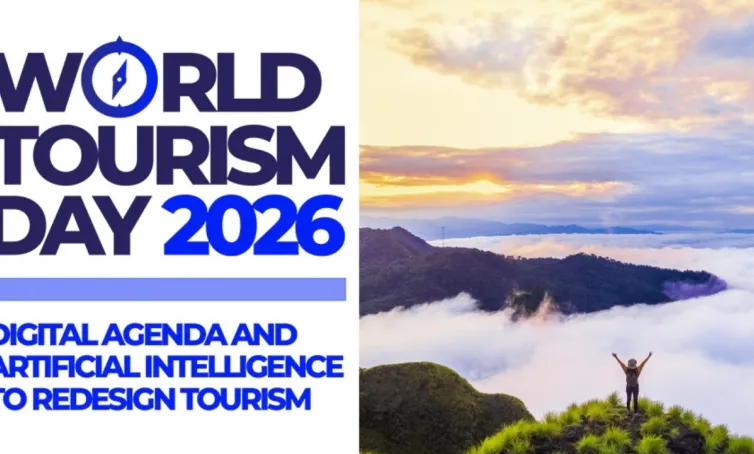
How digital innovation is reshaping the tourism and hospitality industry

Explore how digital transformation is redefining travel and hospitality, driving smarter operations, tailored guest experiences, AI-powered solutions, and more meaningful journeys for today’s travelers.
Digital transformation is no longer a passing trend—it has become a strategic driver reshaping the global tourism and hospitality landscape. Far beyond standalone tools, digital technologies are redefining business models, enhancing the traveler experience, and transforming how destinations, hotels, and operators manage their services. This shift spans everything from online booking and tailored guest journeys to advanced data management and the automation of internal processes.
Digitalization as a competitive advantage
In the tourism industry, digitalization means embedding technology across all operational areas to boost efficiency, elevate service quality, and foster innovation. According to Segittur (Spain’s State Agency for Tourism Innovation and Technology Management), digital transformation is one of the sector’s key challenges, offering clear benefits in terms of competitiveness, professionalization, and commercial performance.
In this context, destinations and businesses that embrace digital tools are better equipped to attract and retain travelers in increasingly demanding and dynamic markets.
Personalized experiences
One of the areas where digitalization is making the biggest impact is the traveler experience:
- Smart booking engines and digital platforms now enable seamless trip planning, from destination discovery to final reservation. Solutions such as SiteMinder, Cloudbeds, or booking platforms like TourRadar allow users to check real-time availability, compare options, and complete bookings in a fast, automated, and tailored way.
- Artificial intelligence (AI) takes this a step further by delivering personalized recommendations based on user behavior, preferences, and search history.
- Meanwhile, chatbots and virtual assistants provide instant support, enhancing communication with customers throughout their journey.
Together, these technologies empower travelers with more relevant and customized options, ultimately boosting satisfaction and long-term loyalty.
Data-driven strategies: the new competitive foundation
Data analytics has become a cornerstone of digital tourism and hospitality:
With advanced analytics and Big Data, businesses can anticipate demand trends, refine pricing strategies, and develop more compelling products. Data insights also make it possible to segment audiences based on behavioral patterns, enabling more tailored and relevant experiences. Real-time data collection and analysis empower companies to make faster, more informed strategic decisions.
Ultimately, leveraging data effectively allows destinations and hospitality businesses to become more agile, proactive, and resilient.
Operational transformation in hotels and destinations
Digitalization is not only reshaping the guest experience—it is also transforming internal operations across the tourism sector:
- The implementation of property management systems (PMS) streamlines processes from booking to billing, improving efficiency across the board.
- Technologies such as the Internet of Things (IoT) enhance energy management and help reduce operational costs.
- Digital systems also support better workforce and resource management, minimizing errors and improving response times.
Together, these innovations not only optimize day-to-day operations but also free up staff to focus on higher-value, guest-centric activities.
Digital marketing and destination visibility
Digital transformation has also reshaped how destinations and tourism businesses promote themselves:
- Digital marketing enables reaching highly targeted audiences worldwide through more efficient, data-driven campaigns.
- User-generated content on social media plays a decisive role in shaping perceptions and influencing travel choices.
- Online reviews have become a critical trust factor, directly impacting the decision-making process of potential customers.
In many regions, the implementation of strong digital marketing strategies has significantly increased online visibility, strengthening destination positioning across search engines and social platforms.
Artificial intelligence driving sustainable tourism
Technologies like AI are not only enhancing the traveler experience—they are also becoming essential to advancing sustainability across the sector:
- AI-based systems can optimize transport routes, reducing carbon emissions while improving overall operational efficiency.
- Data-driven tools help hotels minimize food waste and make smarter use of resources such as energy and water.
- AI also allows destinations to track and manage visitor flows, enabling more balanced and responsible tourism planning.
By integrating these solutions, digital transformation is helping the industry move towards more eco-efficient models, closely aligned with global sustainability goals.
Current challenges of digitalization in tourism
Despite its many advantages, digital transformation also brings a set of challenges that the industry must address:
- The potential loss of human touch is a growing concern, especially when technology replaces personal interaction without the right balance.
- The digital divide between larger organizations with greater technological capacity and smaller businesses makes widespread adoption more difficult.
- Data protection and cybersecurity have become critical priorities, requiring robust strategies to ensure traveler trust and safeguard sensitive information.
Addressing these challenges calls for a strategic approach that combines technology, talent development, and a strong human-centered mindset.
Emerging trends shaping the future
Digital transformation continues to evolve, with several key trends redefining the tourism and hospitality landscape:
- The rapid growth of AI and machine learning is enabling businesses to better anticipate customer behaviour and market dynamics.
- Advanced digital solutions are becoming increasingly integrated into mobile travel planning, allowing users to design and manage their trips seamlessly from their devices.
- The adoption of digital twins—virtual replicas of physical environments—is opening the door to more immersive planning and innovative tourism experiences.
These developments will continue to drive competitiveness, creating new opportunities for organizations that lead the way in digital innovation.
Digitalization is reshaping tourism and hospitality across multiple dimensions: internal operations, traveler experience, marketing strategies, sustainability, and global competitiveness. It’s not just about adopting new tools, but about embedding a digital mindset focused on delivering value and enhancing the overall experience.
Those who successfully embrace this shift will gain a clear competitive edge in an increasingly demanding, connected, and tech-driven industry. At CETT-UB, we equip our students with the skills and knowledge needed to lead the digital transformation of tourism and hospitality.
- Bachelor’s Degree in Tourism
- Bachelor’s Degree in Digital Business and Innovation
- Double Bachelor’s Degree in Tourism and Digital Business & Innovation
- Bachelor’s Degree in International Hotel Management
- Open Bachelor’s Degree
- Master’s Degree in Innovation in Tourism Management
- Master’s Degree in Hotel Management
- Master’s Degree in Tourism Business Management
- Master’s Degree in Entrepreneurship and Venture Creation
- Specialization in Digital Marketing and Revenue Management
These programs bring together management, innovation, and technology to tackle the challenges of an increasingly digital tourism industry.