CETT's Business Advisory Council focuses on innovation
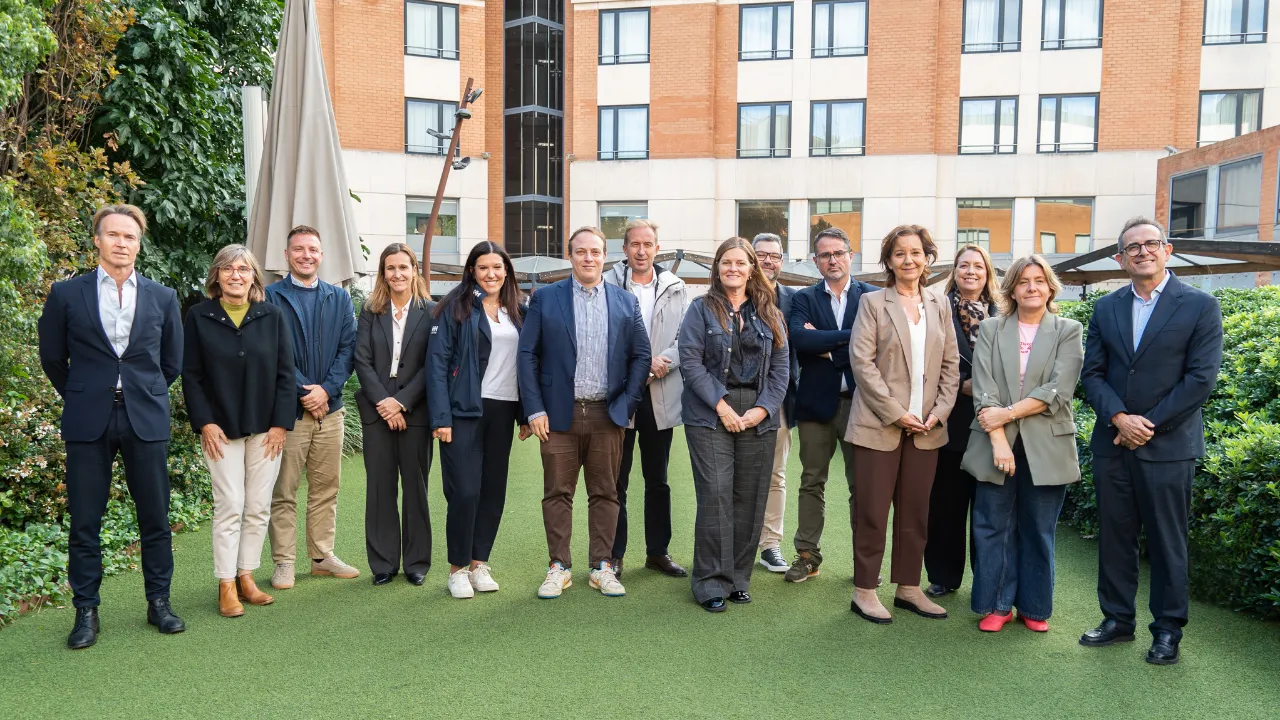
The Council's third meeting explored the role of applied research, artificial intelligence, and intrapreneurship as drivers of transformation, strengthening university–industry collaboration to address the sector's challenges.
CETT has held the third meeting of its Business Advisory Council, a forum for dialogue and collaboration with the business community aimed at strengthening ties between academia and industry and promoting joint initiatives that contribute to the transformation of the tourism, hospitality, and gastronomy sectors.
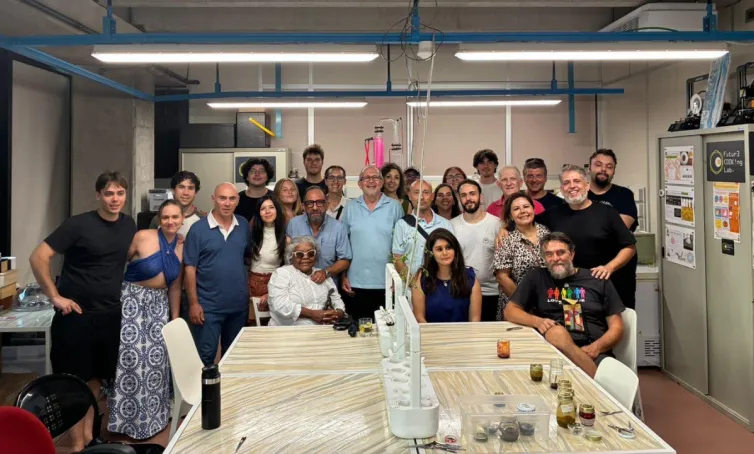
The session focused on the role of research, talent, and innovation as drivers of business transformation, through a series of presentations, hands-on experiences, and discussions that provided opportunities to explore new avenues for collaboration between CETT and businesses.
In this context, Elisabet Ferrer, General Director of CETT, emphasized the importance of embedding innovation into organizational culture: “Innovation cannot be a reaction. It must be a strong, shared foundation. A capability to develop and share.” Her reflection highlighted the need to foster innovation collectively and continuously, connecting academic knowledge with the challenges facing the business community.
From research to impact: knowledge at the service of businesses
The event began with a presentation by Dr. Marta Salvador, Research Coordinator at CETT, highlighting the institution's research capabilities and its ability to generate knowledge. The presentation emphasized the value of applied research, knowledge transfer, and the development of innovation projects in collaboration with industry.
In this context, CETT's living labs were highlighted as spaces for innovation and experimentation, along with opportunities to connect students' talent with real-world organizational challenges through Bachelor's Final Projects, master's final projects, and other initiatives.
Intrapreneurship and artificial intelligence to transform organizations
One of the meeting's central sessions was the presentation “Intrapreneurship and AI: Keys to Driving Innovation in Business,” delivered by Ignasi Costas, Co-Managing Partner and Head of the Innovation and Entrepreneurship Practice at RCD.
The session explored the factors needed to foster a culture of innovation within organizations, from creating environments that encourage employee participation to establishing incentives and addressing the challenges associated with developing new initiatives.
During his presentation, Costas also emphasized the need to integrate artificial intelligence into organizations from a strategic and responsible perspective. He noted that while AI enhances business capabilities, it also increases companies' exposure to legal risks. In this regard, he stressed the importance of developing an internal culture around AI use, establishing safe environments, and defining an organizational framework that enables companies to identify, manage, and accept risks in line with their objectives and needs.
Gastronomic innovation: from the classroom to real-world practice
Innovation also took on a practical dimension with the presentation “Cooking Up Innovation: Learning, Experimenting, and Transforming,” featuring faculty members and students from CETT's Bachelor's Degree in Culinary and Gastronomic Sciences.
Vinyet Capdet, Director of the Bachelor's Degree program, provided context on the role of innovation in culinary education, while Mikel Díez, professor and researcher at CETT, explored how teaching methodologies encourage experimentation and the development of new gastronomic solutions.
Students contributed to the session by sharing their experience with the culinary challenge “The Impossible Dish,” an initiative that demonstrates how hands-on learning can stimulate creativity, problem-solving skills, and innovation. The project has already gained visibility at leading industry venues and events, including La Boqueria Market and the Gastronomic Forum.
University and industry: open innovation to address future challenges
The meeting concluded with the group activity “University and Industry: Can We Innovate Together?”, a space for reflection on new opportunities for collaboration between academia and the business community, including the development of innovation labs, joint solutions to real-world challenges, and the promotion of applied research projects.
This third meeting of the Business Advisory Council reinforces CETT's commitment to connecting knowledge, talent, and industry to generate a tangible impact on the sector, fostering collaborative spaces that turn today's challenges into opportunities for innovation and development.