Tourism in the face of global uncertainty: planning ahead to stay competitive
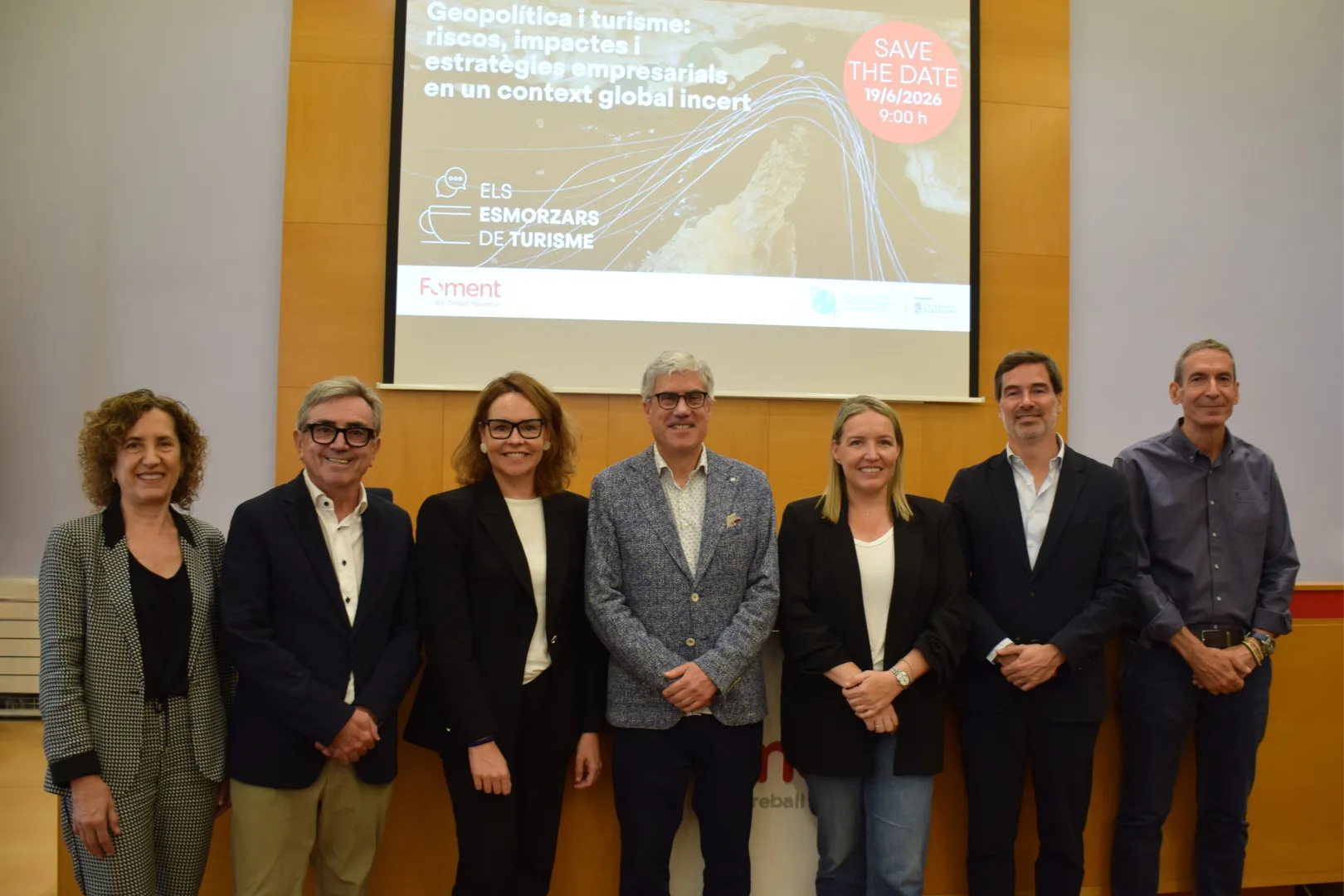
Experts analyze the impact of geopolitics on connectivity, traveler confidence, and the competitiveness of destinations at a new Turisme Breakfast.
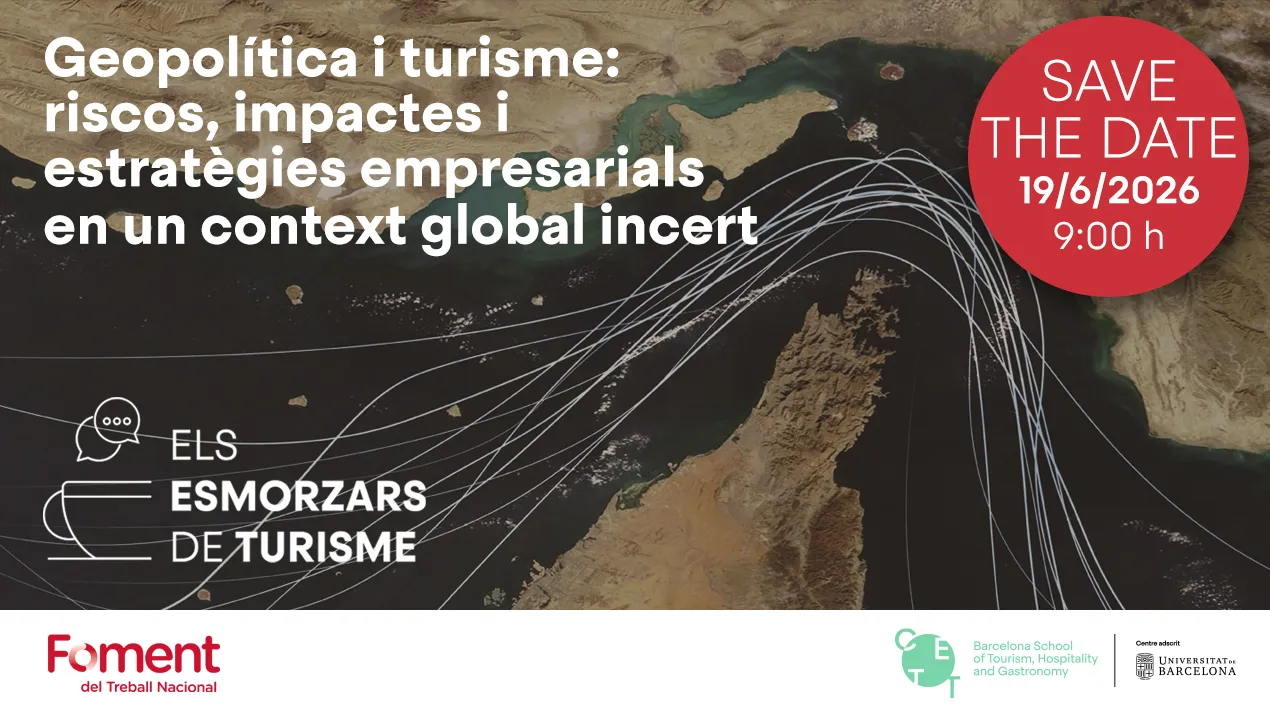
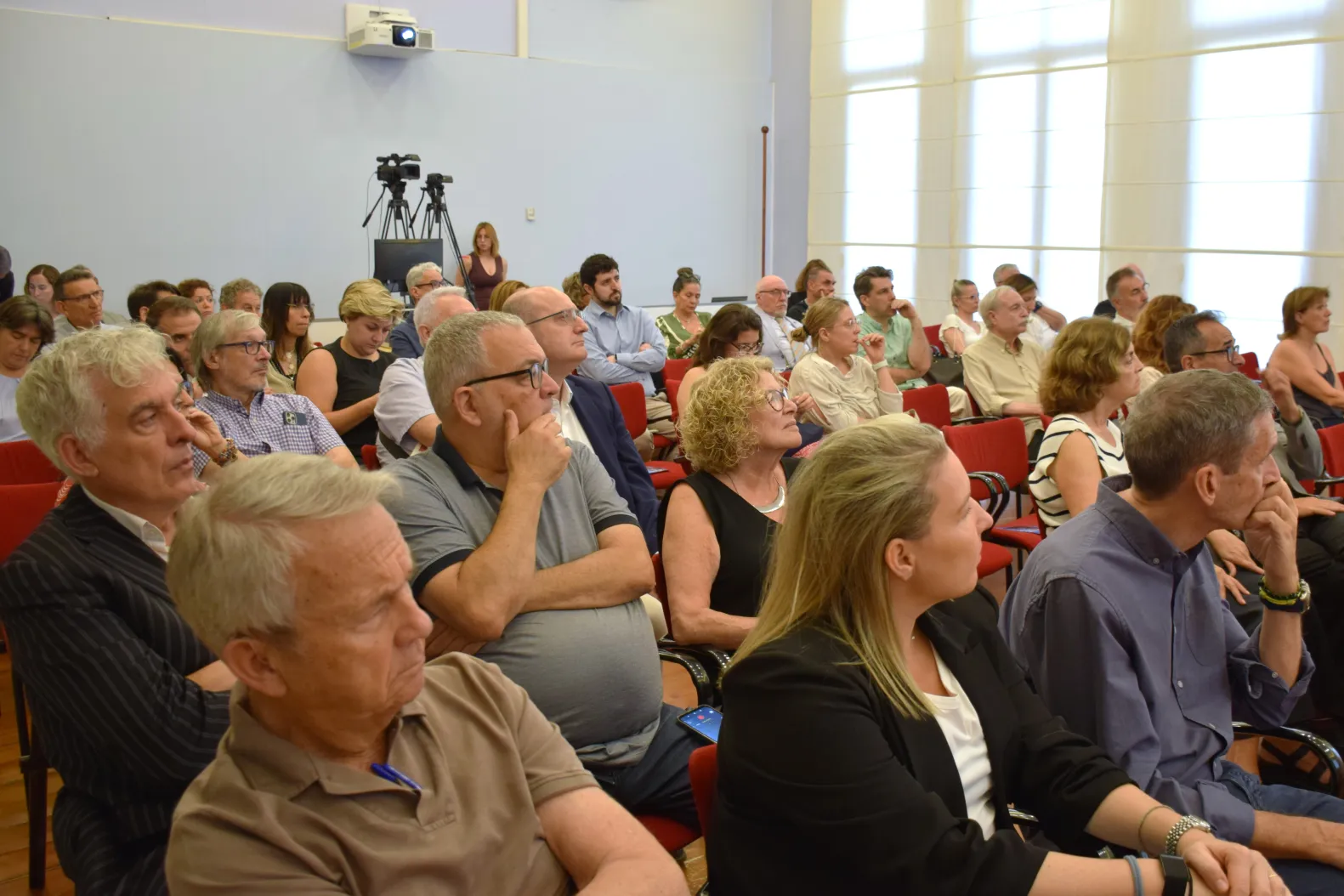
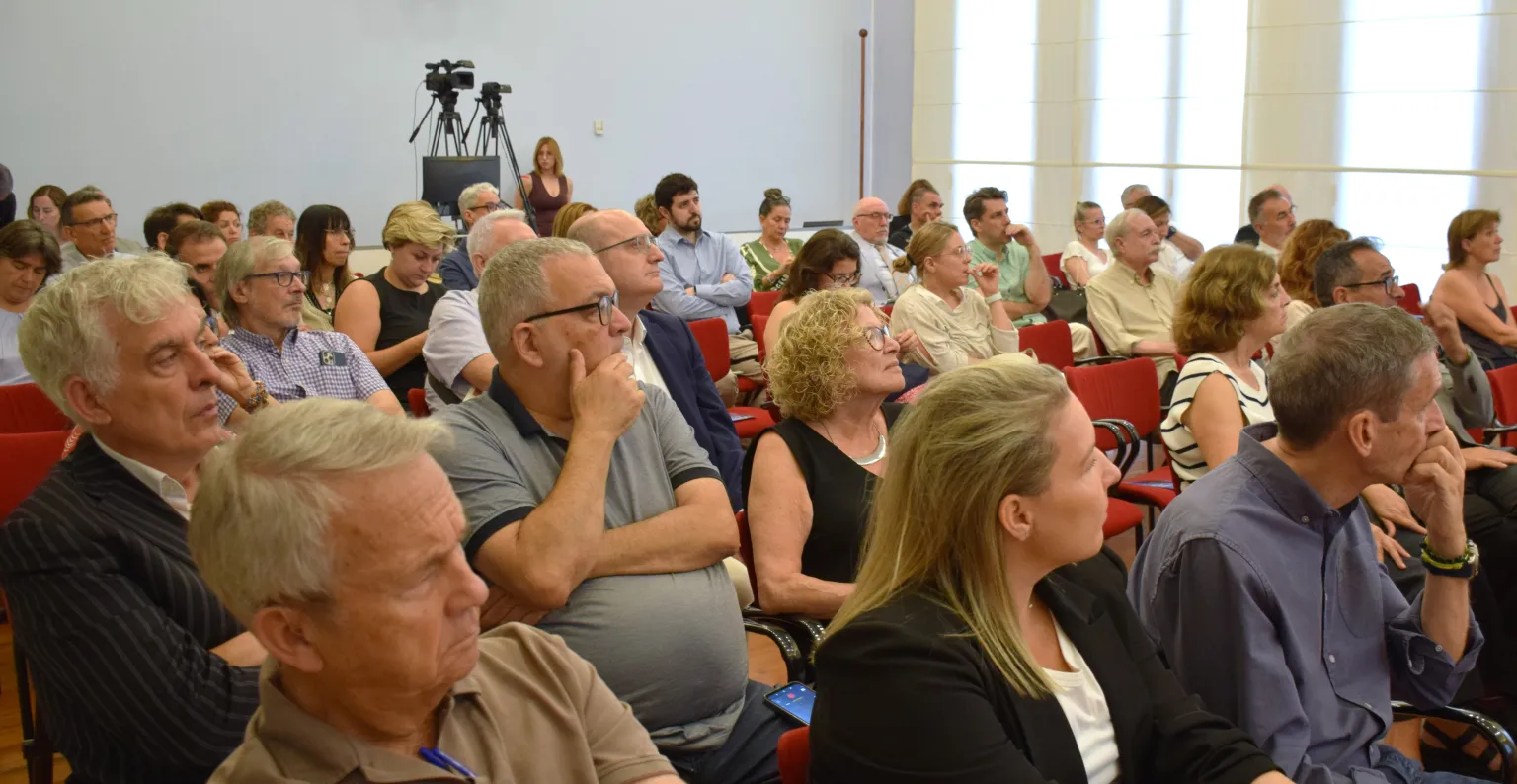
Foment del Treball and the CETT-UB Barcelona School of Tourism, Hospitality, and Gastronomy held another session of the Esmorzars de Turisme (Tourism Breakfast), dedicated to analyzing the impact of geopolitics on tourism and the strategies that companies and destinations can implement to anticipate an increasingly uncertain international context.
Titled “Geopolitics and Tourism: Risks, Impacts, and Business Strategies in an Uncertain Global Context," the event focused on how international conflicts, geopolitical tensions—particularly in the Mediterranean region and the Middle East—and shifts in global economic dynamics influence connectivity, source markets, perceptions of safety, and the competitiveness of destinations.
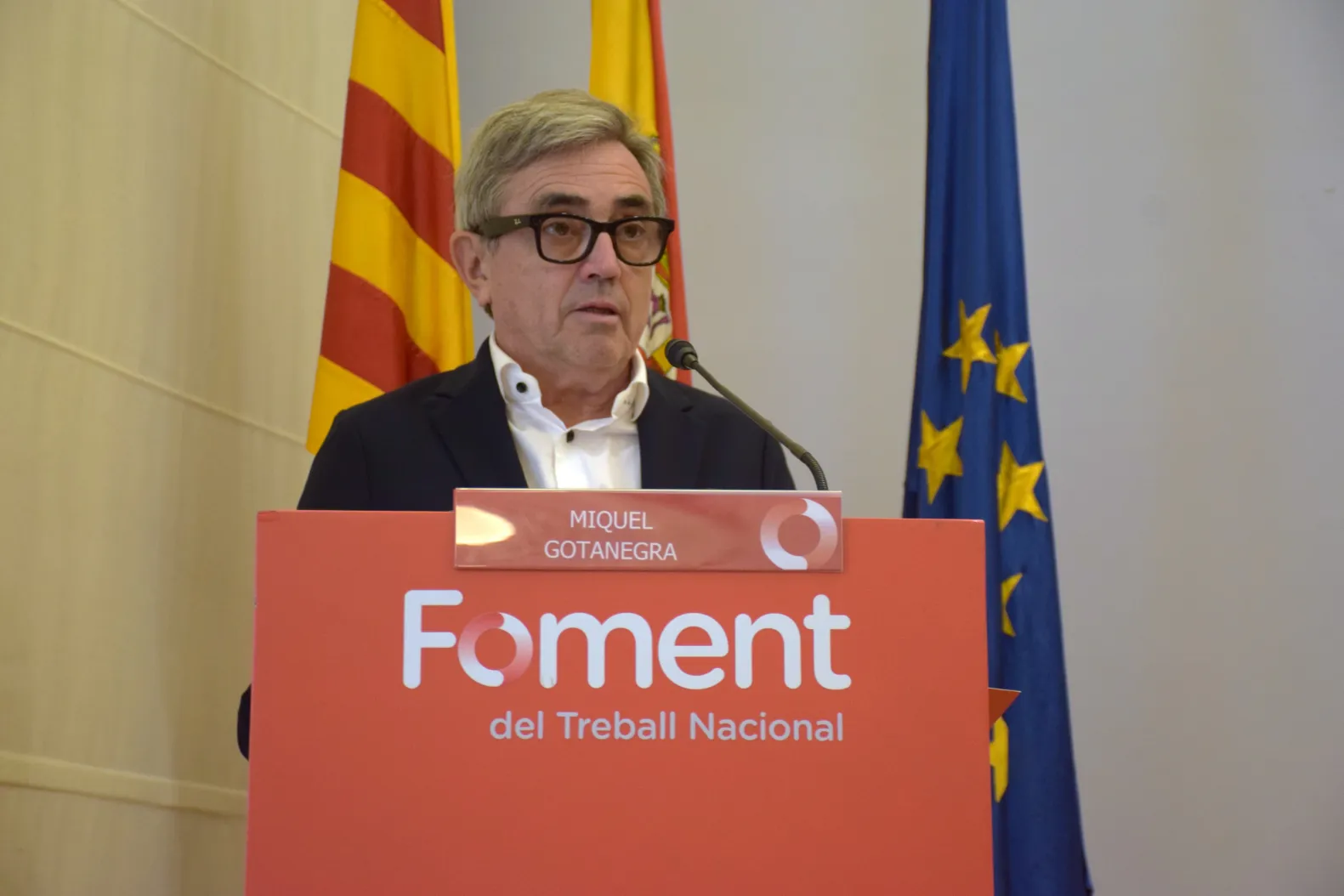
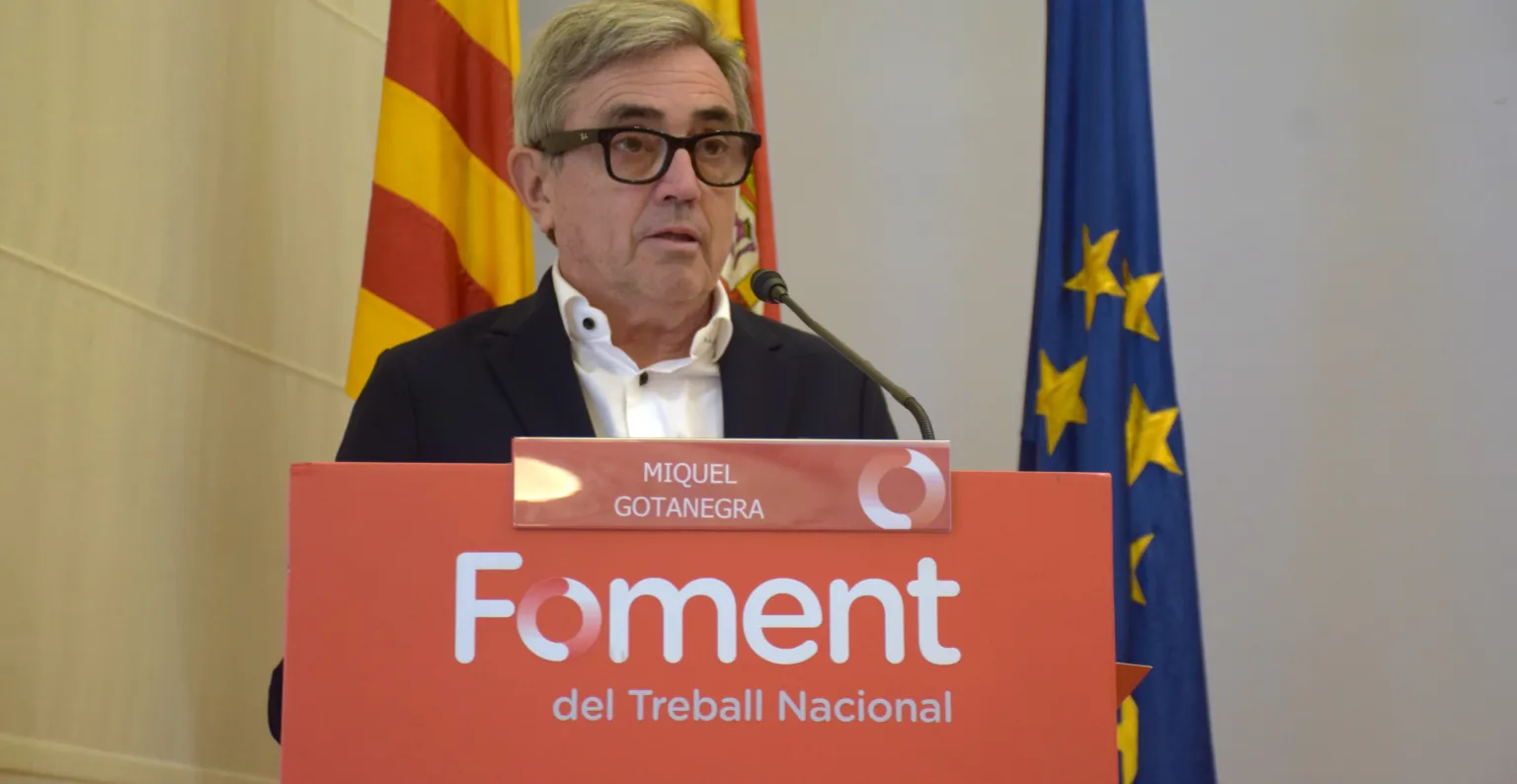
The president of Foment del Treball’s Tourism and Services Commission, Miquel Gotanegra, emphasized that the tourism sector currently operates in a context marked by uncertainty. “International conflicts, trade tensions, changes in strategic alliances, and new global economic dynamics influence connectivity, traveler confidence, and the competitiveness of destinations,” he stated.
Gotanegra emphasized, however, the sector’s ability to respond: “If the tourism sector has demonstrated anything, it is its extraordinary ability to adapt. We saw this during the pandemic, and we continue to see it in the face of new global challenges. Tourism is a resilient, innovative sector that is accustomed to anticipating change. In this regard, he argued that this adaptation must be accompanied by a strategic vision and greater collaboration among government agencies, companies, and industry stakeholders to share information, anticipate risks, and build more robust and sustainable business models.
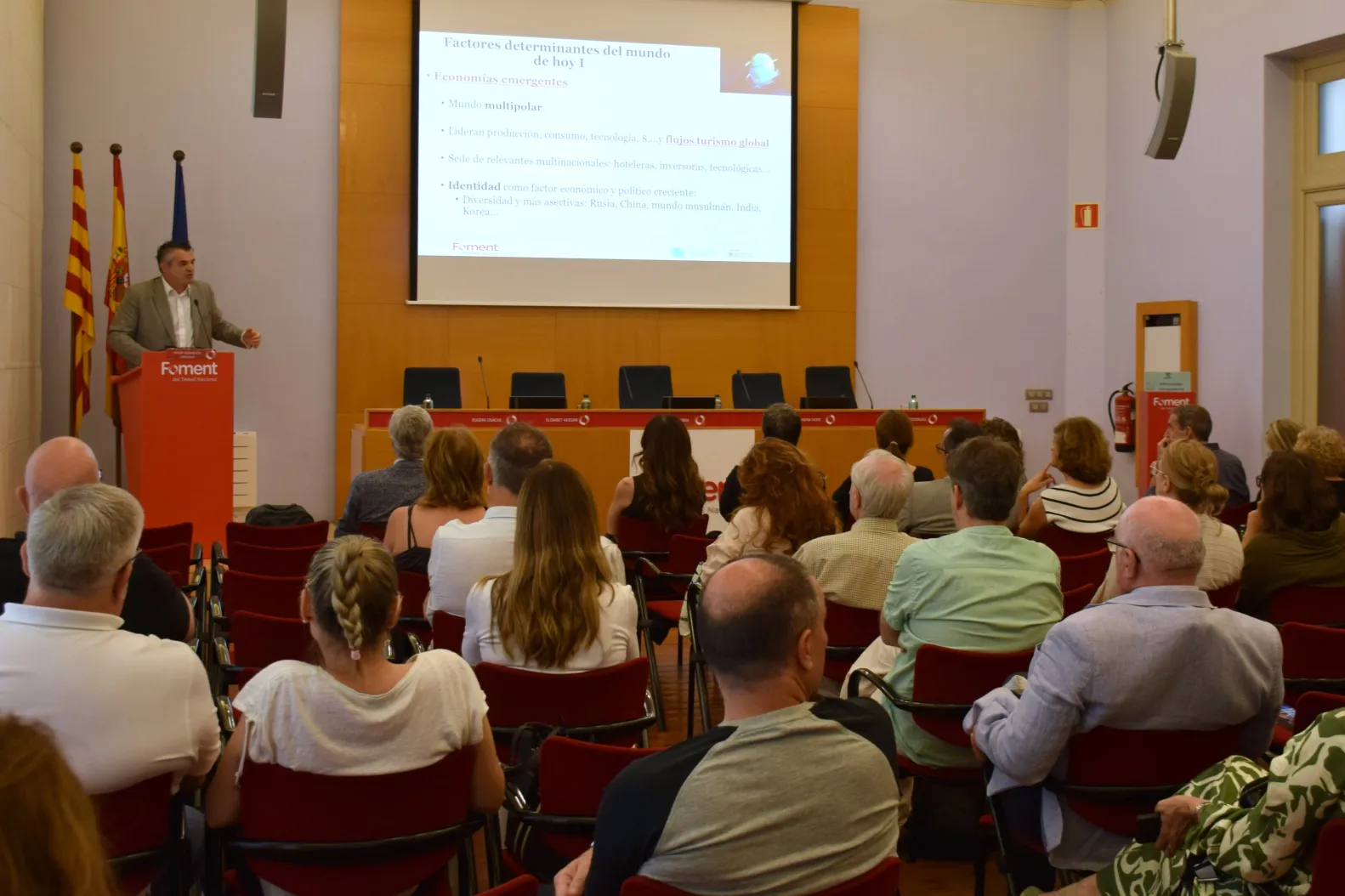
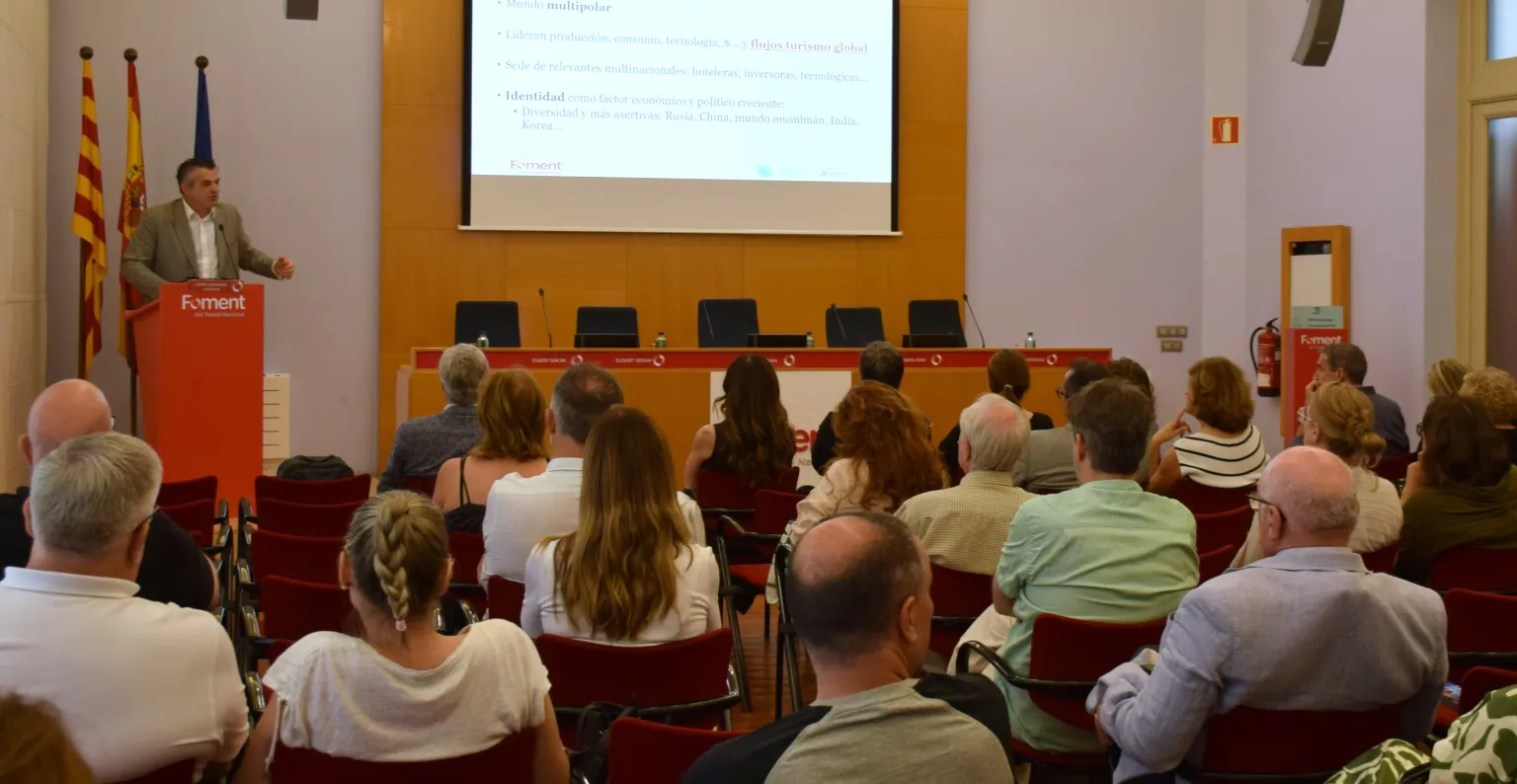
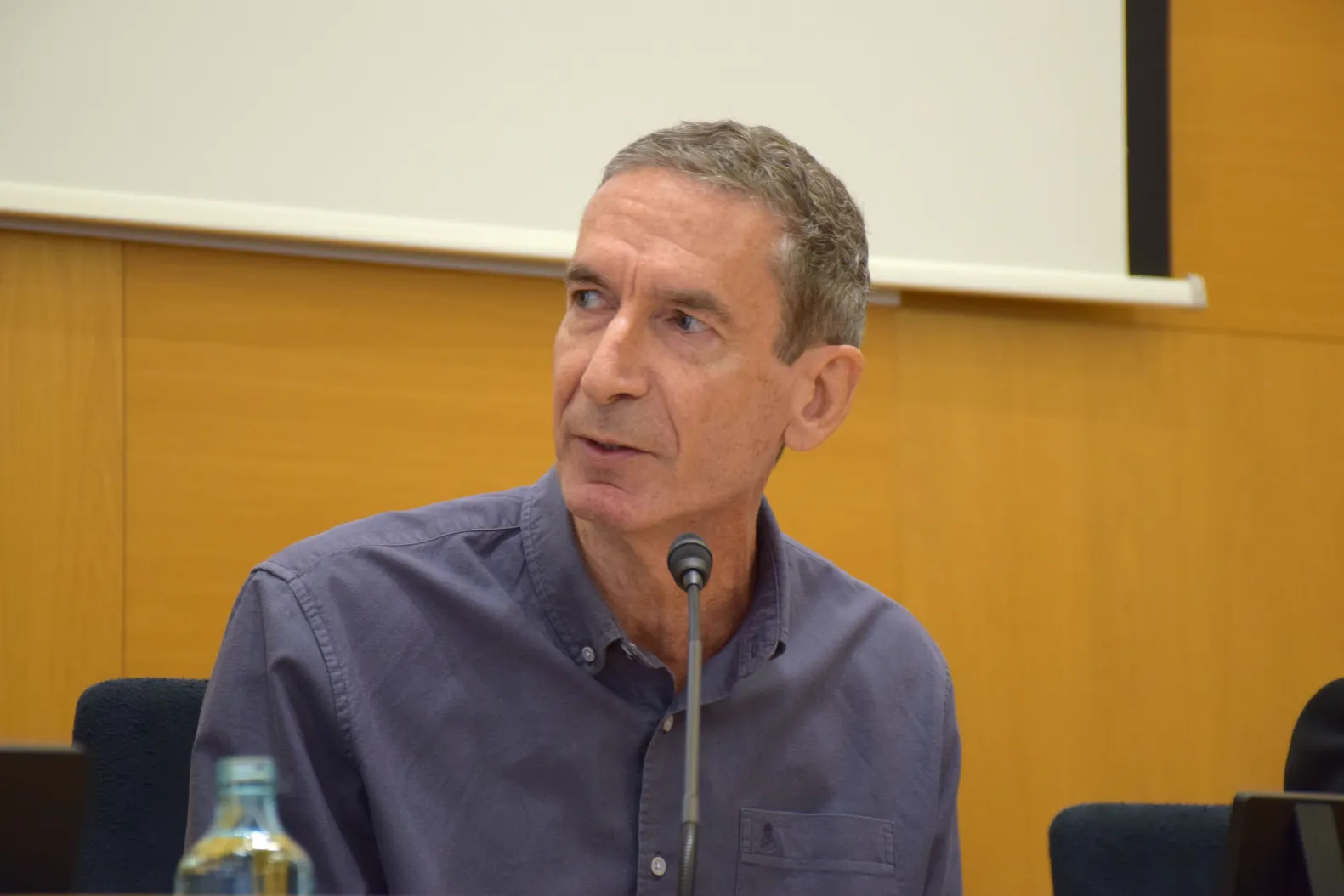
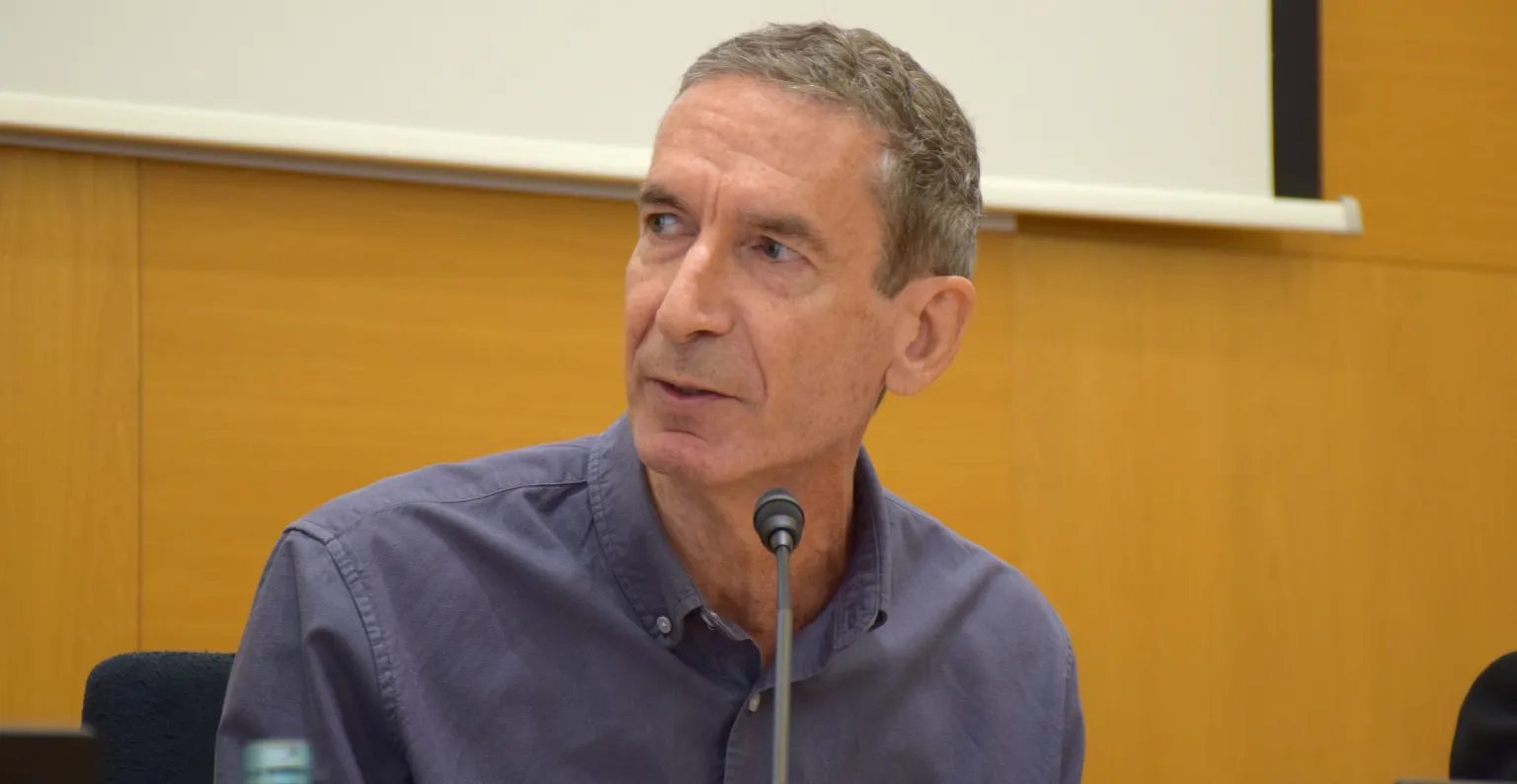
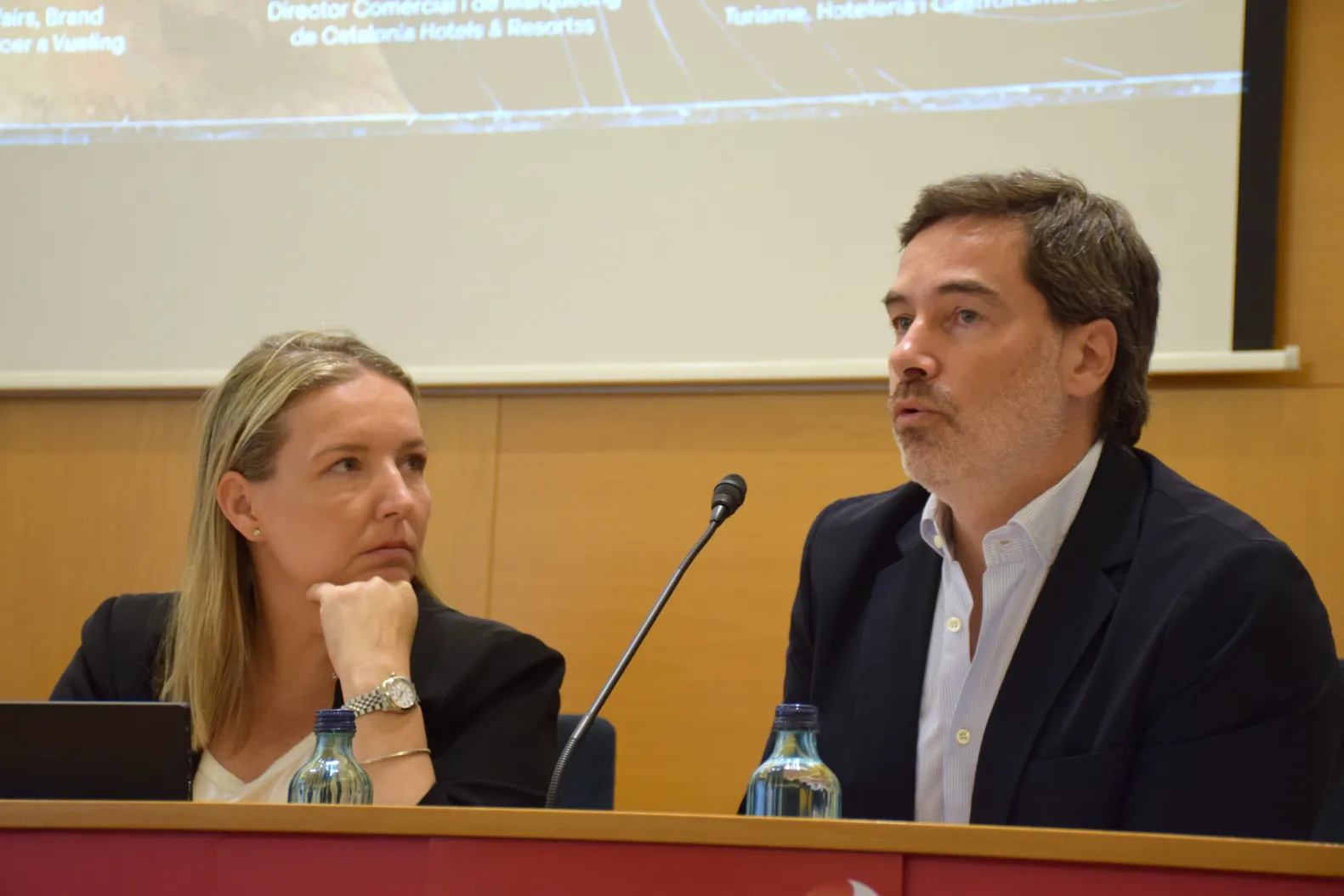
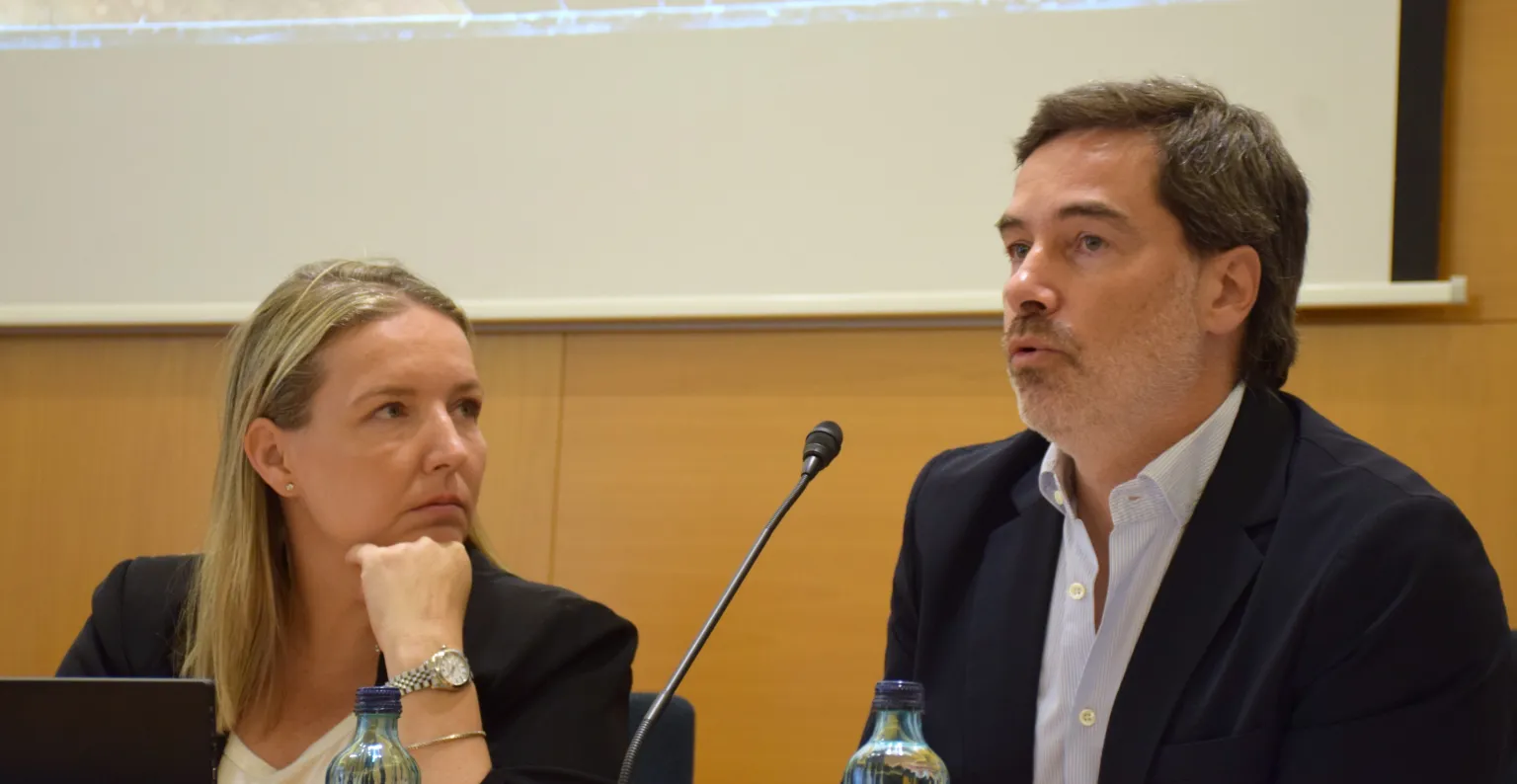
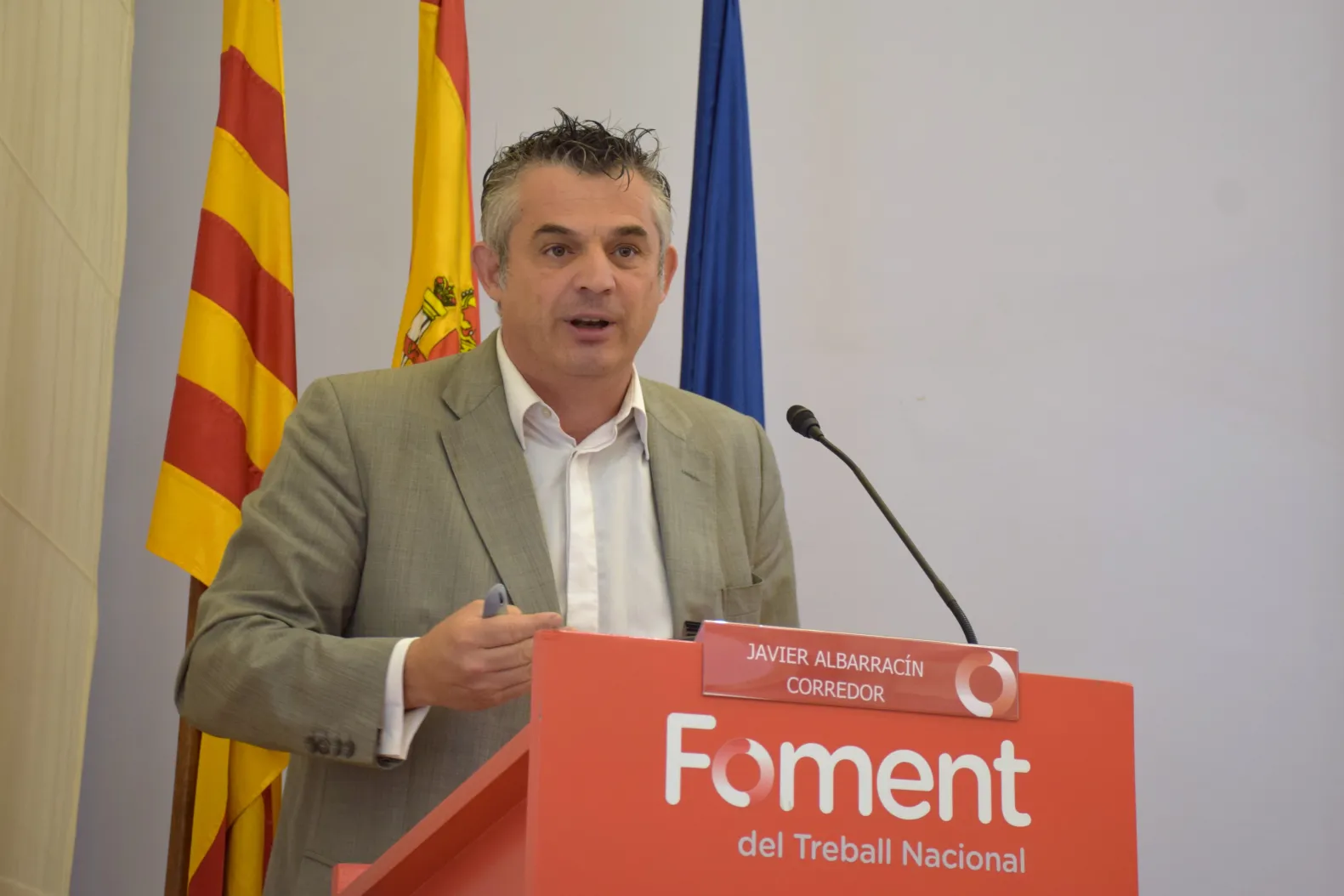
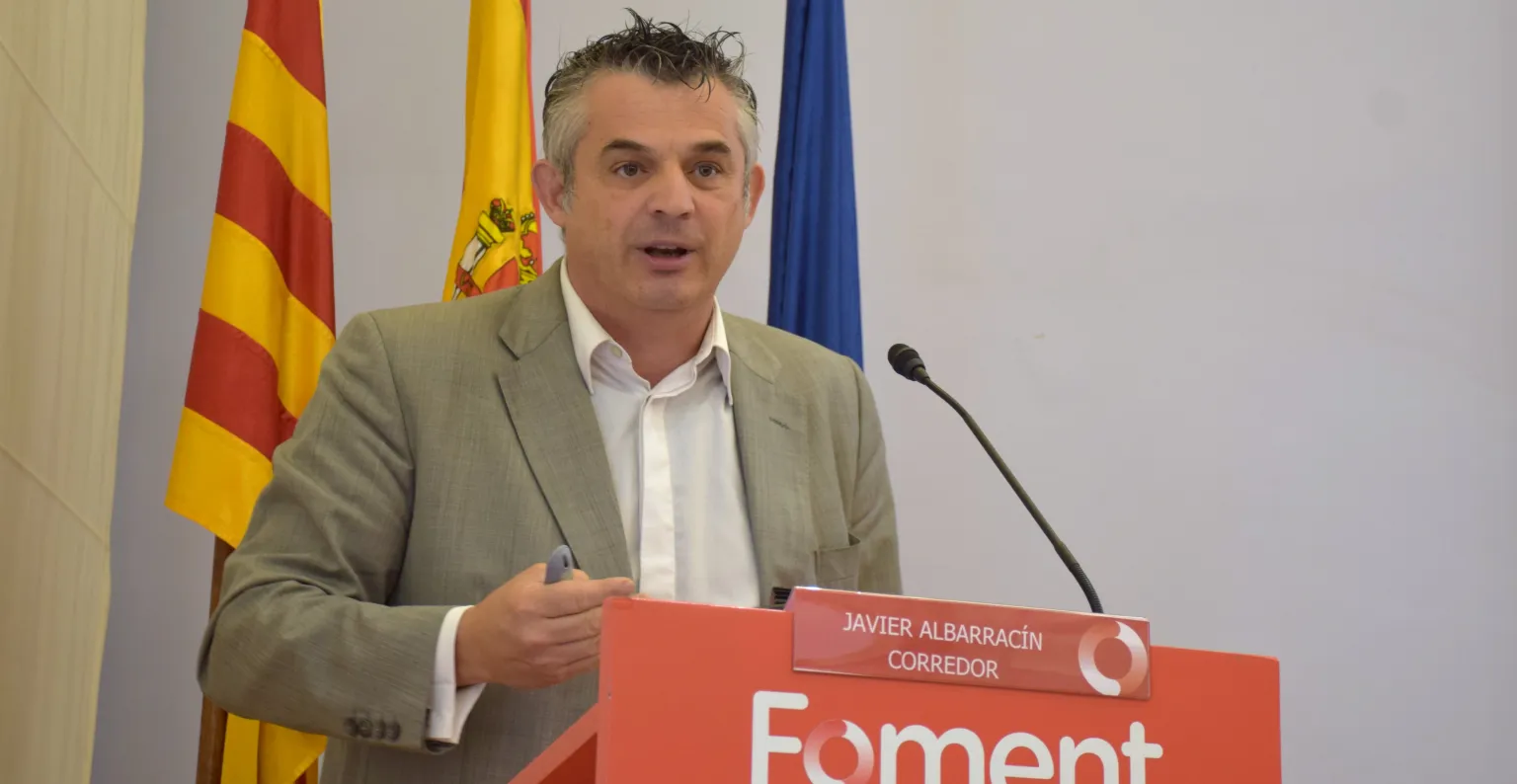
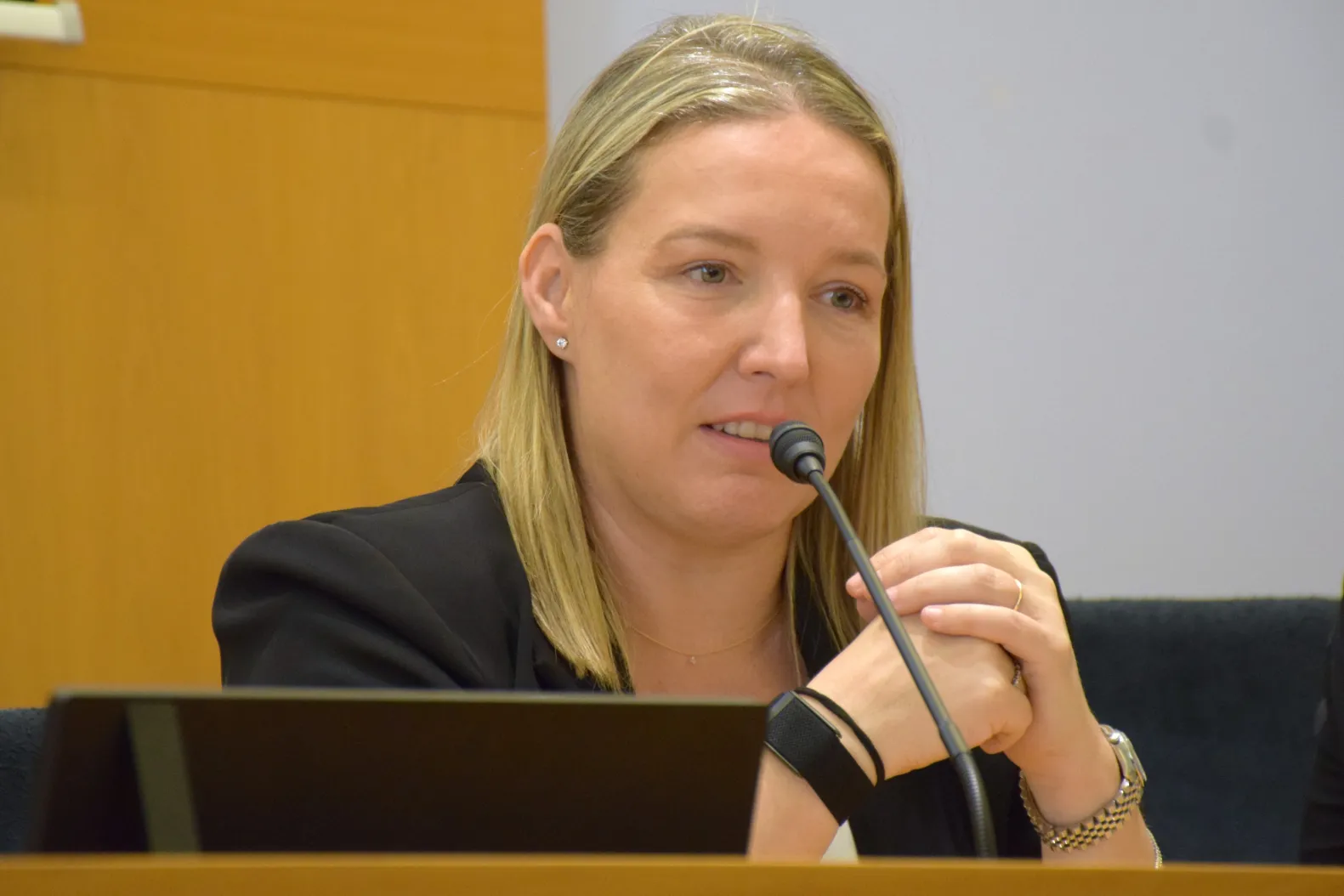
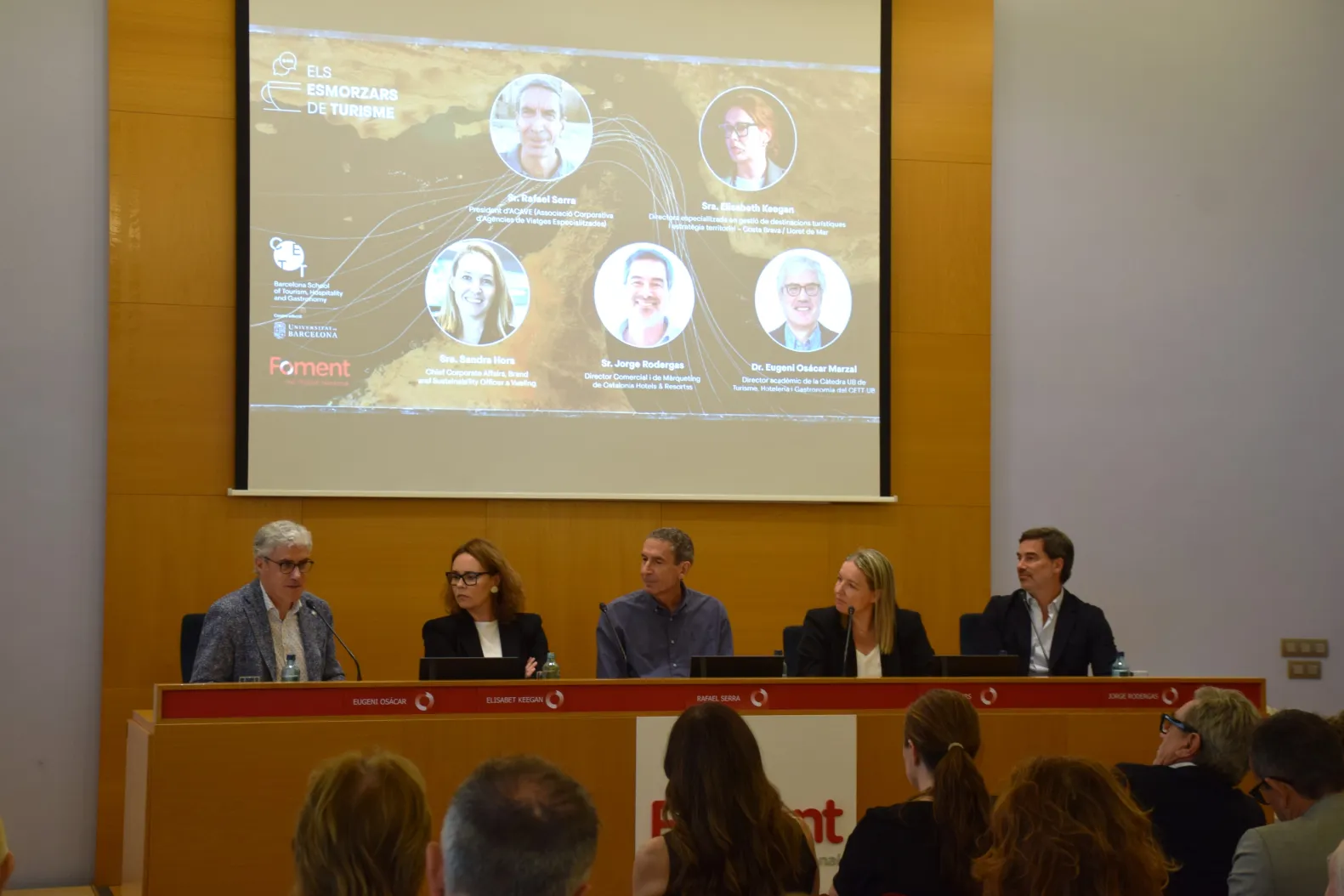
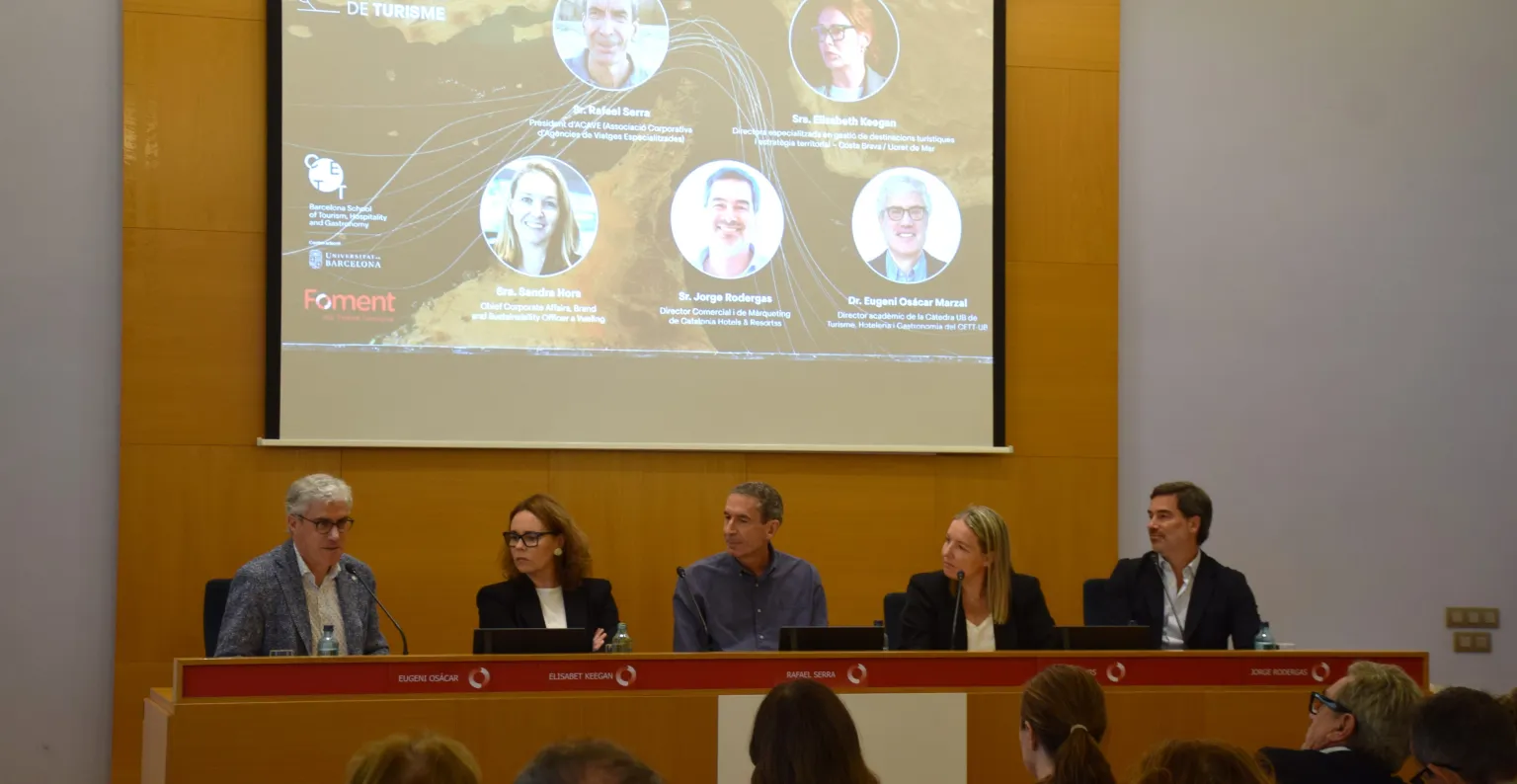
The session began with opening remarks by Dr. Eugeni Osácar, academic director of the UB Chair in Tourism, Hospitality, and Gastronomy at CETT, followed by a keynote address by Javier Albarracín Corredor, a consultant and university professor specializing in geopolitics and international economics. This was followed by a roundtable discussion moderated by Dr. Osácar, featuring Elisabet Keegan, a director specializing in tourism destination management and territorial strategy; Rafael Serra, president of ACAVE; Jorge Rodergas, sales and marketing director at Catalonia Hotels & Resorts; and Sandra Hors, director of Corporate Affairs, Brand, and Sustainability at Vueling.
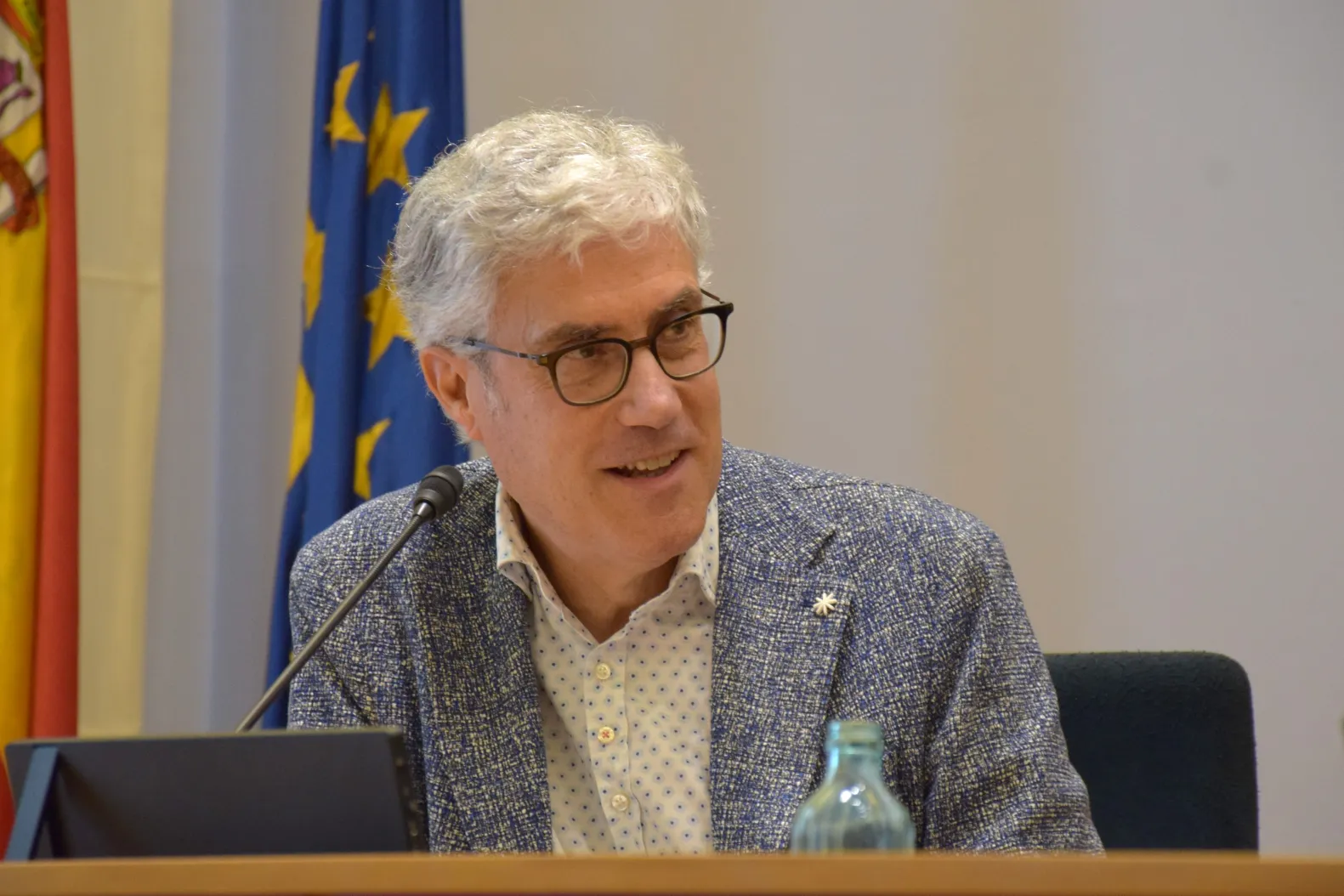
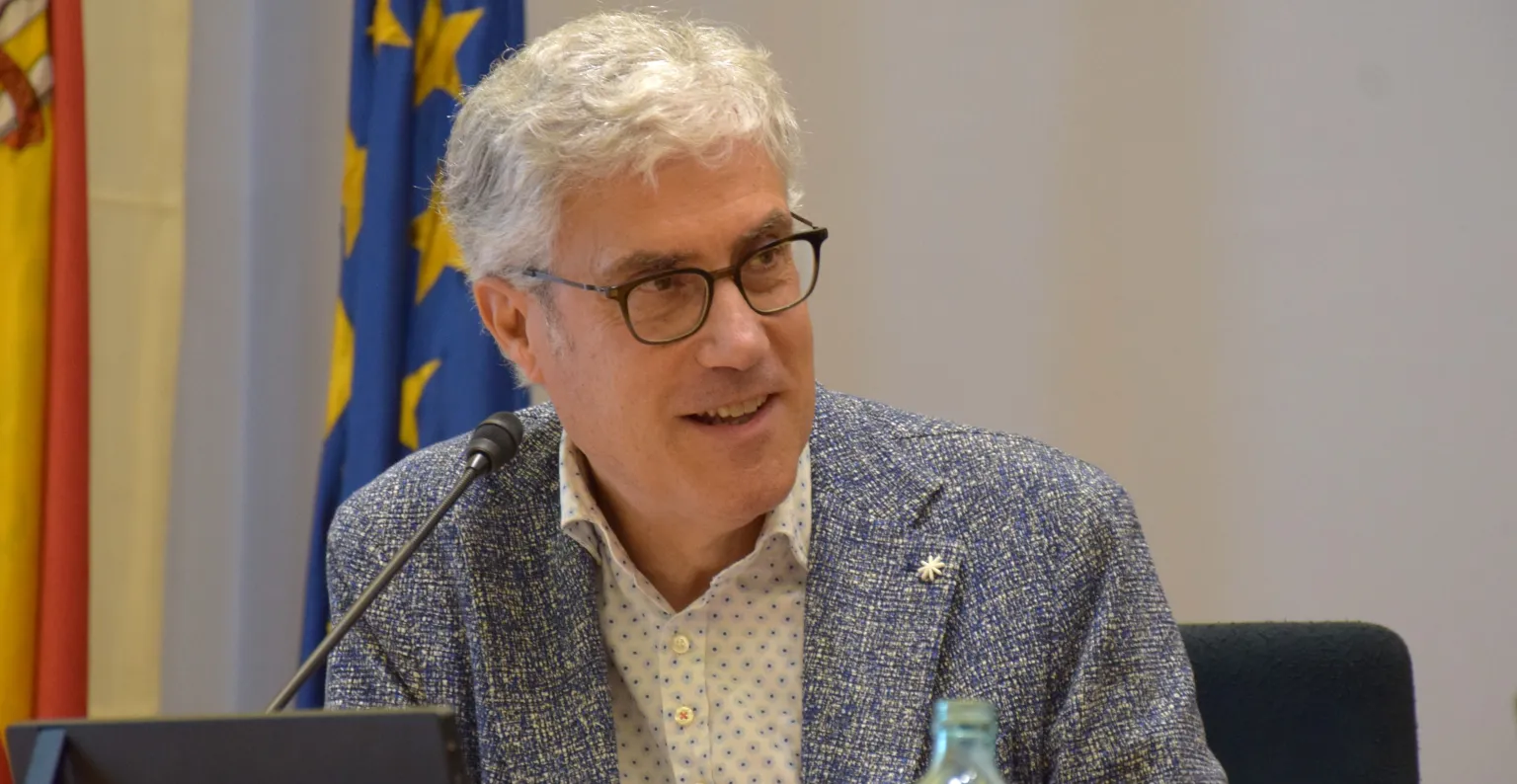
In his opening remarks, Dr. Eugeni Osácar noted that “while for decades the major challenge for tourism as an industry was growth, perhaps the major challenge in the coming years will be adapting to uncertainty.”
For his part, Javier Albarracín Corredor warned that “the influence of geopolitics on the economy is growing and is here to stay.” He also noted that tourism is “a sector highly sensitive to perceptions of instability” and that, as a result, it faces “difficult and volatile times.” Albarracín added that “emerging economies will play an increasingly significant role as destinations, source markets, and investors.”
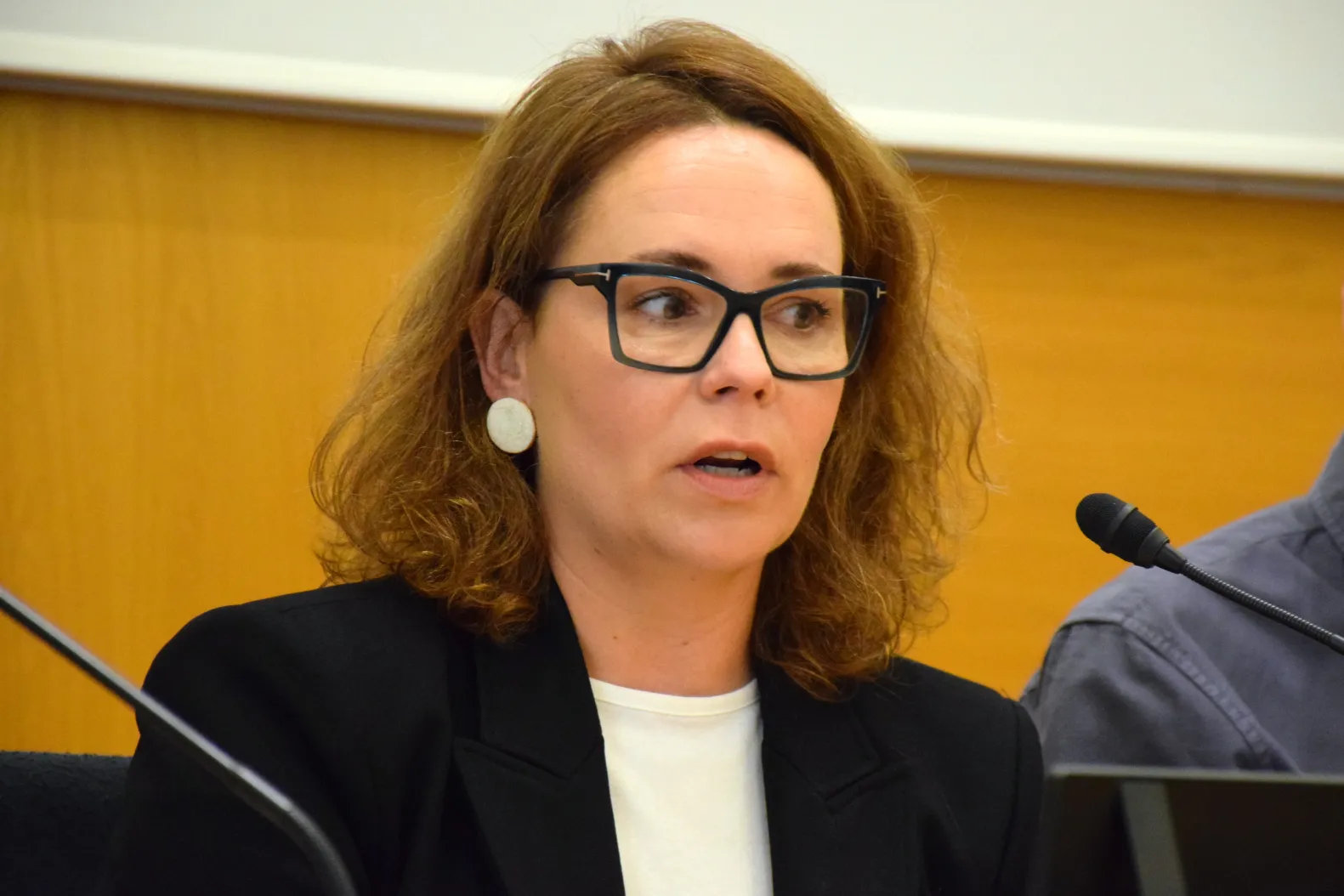
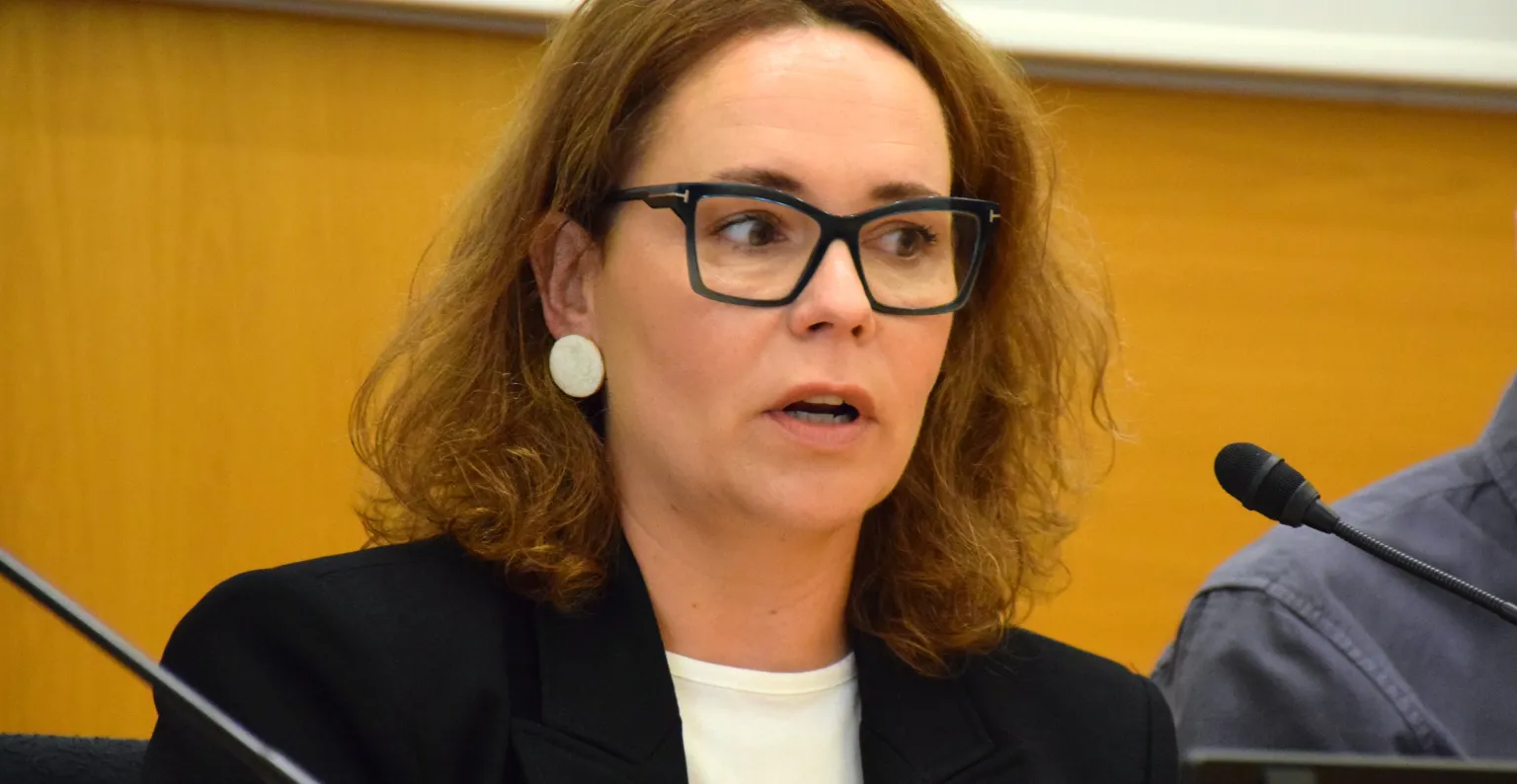
During the roundtable discussion, Elisabet Keegan, a director specializing in tourism destination management and territorial strategy, emphasized that “geopolitics is no longer an external factor for tourism: today, it shapes visitor flows, travel decisions, and the competitiveness of destinations.”
ACAVE President Rafael Serra highlighted the role of travel agencies in times of uncertainty and crisis. “Travel agencies are the most efficient channel during a crisis that arises during a trip,” he stated. Serra also noted that “the level of fear depends more on the media than on reality.”
From the hotel industry’s perspective, Jorge Rodergas, sales and marketing director at Catalonia Hotels & Resorts, explained that “demand still exists, but it is somewhat more hesitant, tactical, and sensitive to the current context.” According to Rodergas, there is currently “a realignment of travel patterns,” with a greater emphasis on nearby and safe destinations, a shorter booking window, and greater sensitivity to value—understood as the combination of price, safety, and connectivity. “The challenge we face right now is not a lack of demand, but rather identifying it quickly and knowing how to capture it,” he noted.
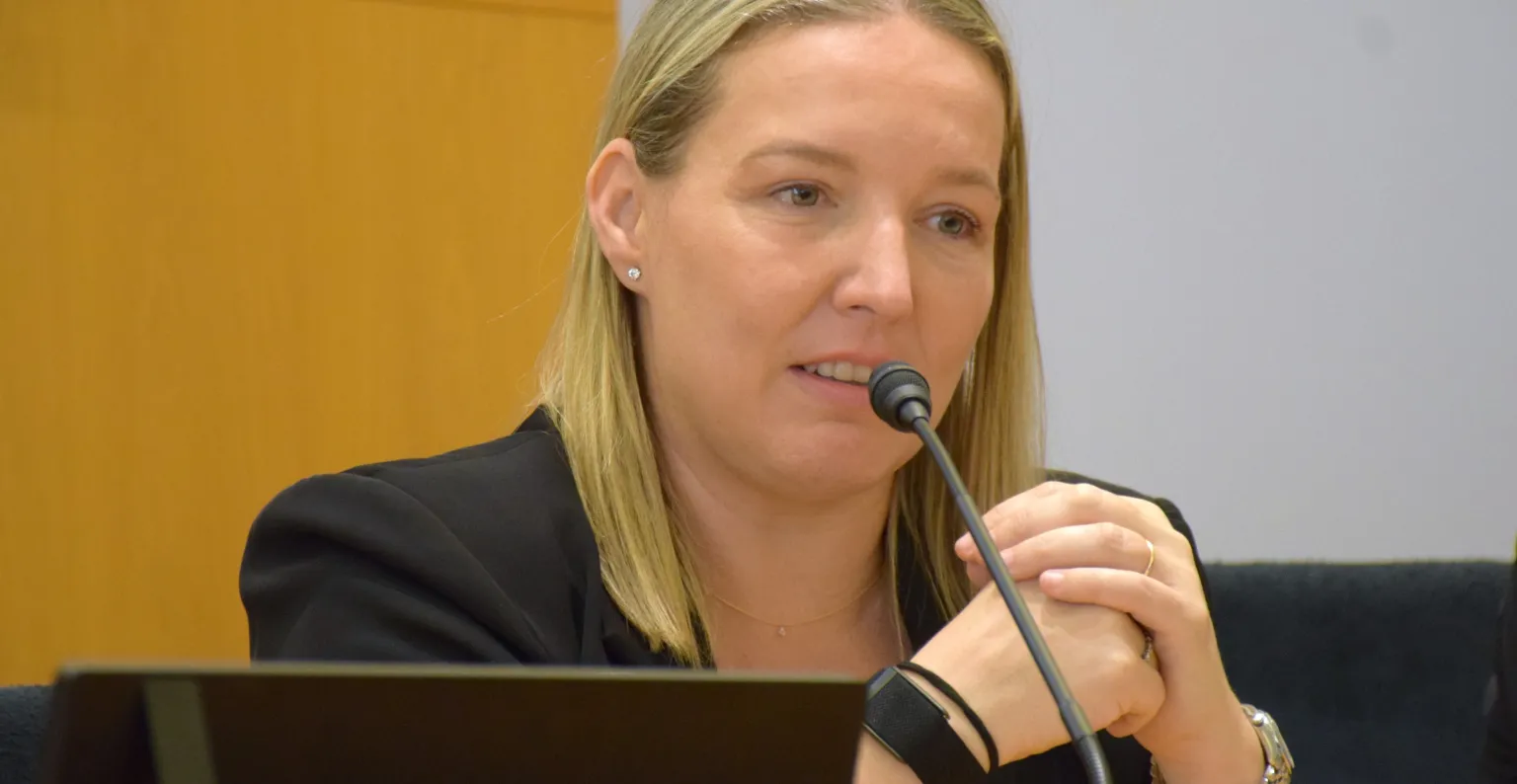
Sandra Hors, Vueling’s Director of Corporate Affairs, Brand, and Sustainability, emphasized that “aviation is one of the most competitive sectors in the economy, and it is precisely this competitiveness that drives us to become more efficient, innovative, and resilient every day. Despite the volatility of the current environment, the market continues to show dynamism. Our leading position in the markets allows us to continue investing in technology, people, and our fleet, with a long-term vision focused on offering the best connectivity to regions and to our customers".
The Tourism Breakfasts are events organized by Foment del Treball to address issues related to the development of tourism, the hospitality industry, and gastronomy, with the goal of creating a space for networking, sharing experiences, and promoting initiatives that benefit the sector as a whole.