Paula Cuenda, CETT Alumni and Best Sommelier of Catalonia 2026: “The podium was entirely female. We have made history”
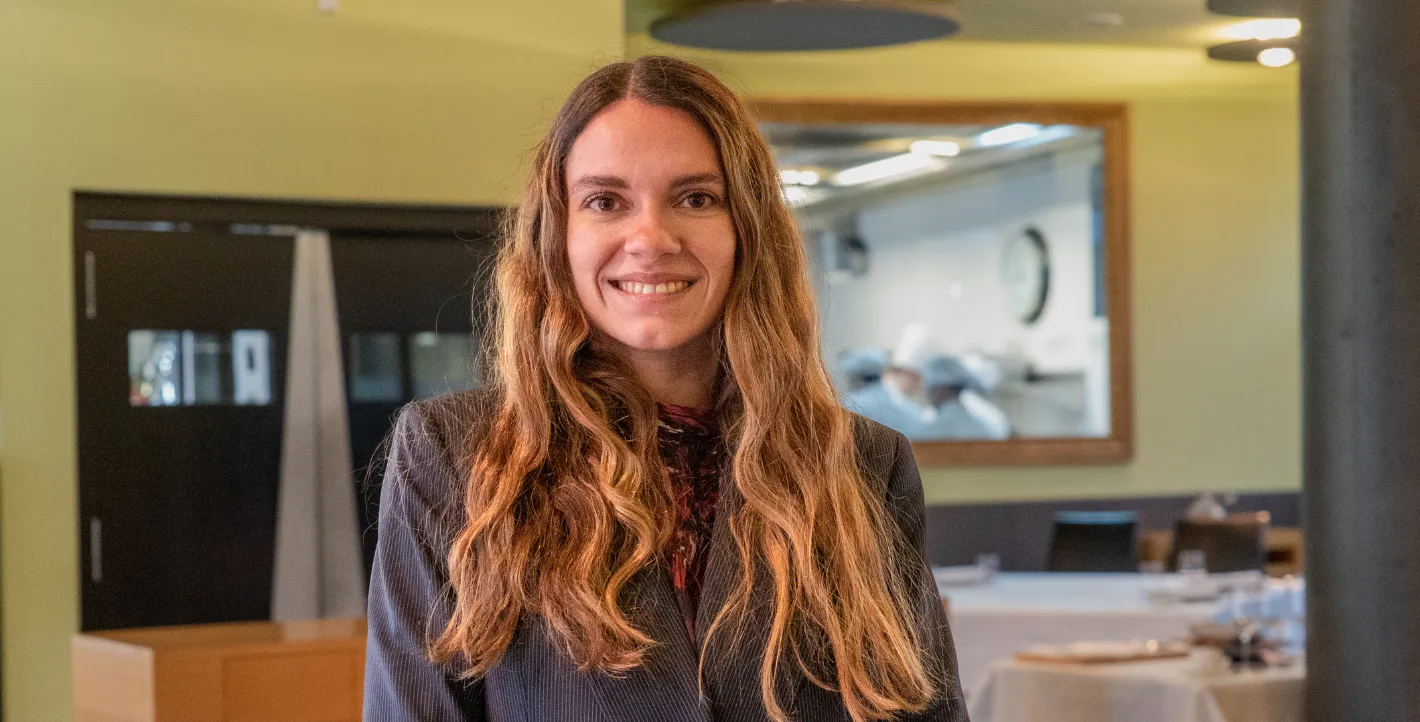
The CETT Alumni and Head Sommelier at Villa Mas has been crowned Best Sommelier of Catalonia 2026.
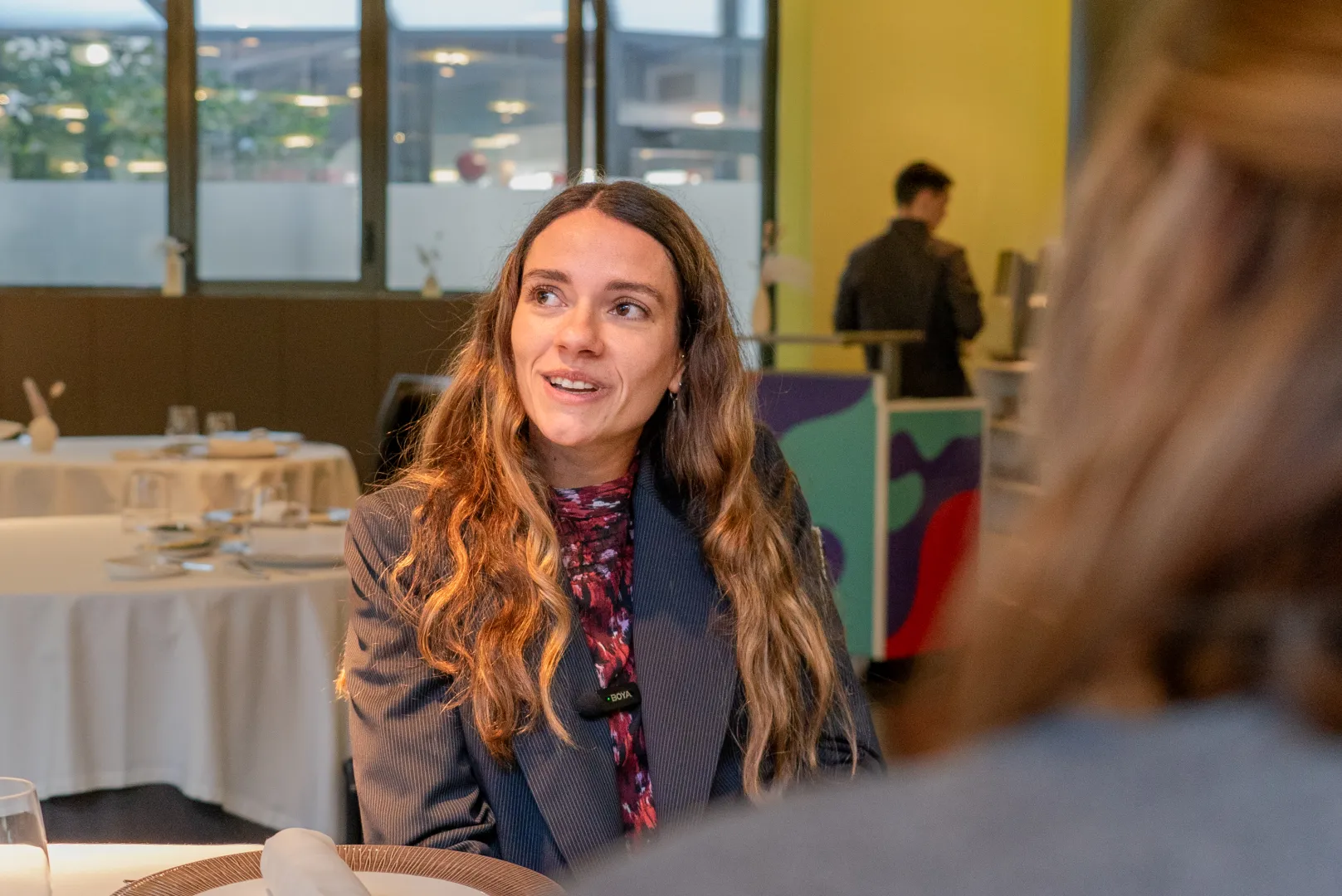
Paula Cuenda, alumni of the University Diploma in Sommelier Studies, has been named Best Sommelier of Catalonia 2026 in an all-female final held at the Fòrum Gastronòmic in Girona. This award, presented by the Catalan Association of Sommeliers, aims to promote and enhance the profession of sommelier, fostering knowledge of wines and gastronomic products from around the world, especially those from Catalonia.
We spoke with Paula Cuenda to learn more about her journey and the value of education in a sector defined by professionalism and tradition.
-
Congratulations, Paula! What does being named Best Sommelier of Catalonia mean to you?
It is a great recognition and a great responsibility because I am very young, and I have always wanted to do things the way I have done them from the very beginning, with a lot of hard work and dedication. This recognition highlights daily effort and commitment, and it is also a major responsibility because, in the end, representing all the small wineries across Catalonia is a source of pride and satisfaction that aligns with the life philosophy I share.
-
You were the youngest finalist. How do you approach such a significant recognition in a sector with so much history and tradition?
I believe things are changing for the better. The profession of sommelier has always been very traditional, and the figure of the sommelier has mostly been represented by an experienced, veteran man. Women have been part of the sector for a long time, but I think that now we are truly stepping into the spotlight, and more and more wineries and restaurants are being represented by women.
These positive changes are the result of the strength and empowerment that new ways of doing things bring. In my case, I have always worked in restaurants that, fortunately, have placed their trust in young professionals. That support gives you the motivation and confidence to keep doing what you love in a more personal and authentic way.
-
As you mentioned, one of these positive changes is the increased visibility of women in the sector. Has this perspective also been reflected in the competition?
It has been incredible. Nearly 50% of the participants were women, and the podium was entirely female. We were talking about it among ourselves—it felt empowering and very rewarding because, finally, we made history. This has not happened in any other region of Spain, and I am extremely proud of the work we are doing.
-
The competition requires extensive theoretical knowledge and practical sensitivity. What would you highlight about your candidacy, and which qualities do you think the jury valued most?
I think style and stage presence are critical. In my case, doing this job every day is constant training, because I am not playing a role or performing something artificial—I am simply showing what I do daily when serving guests. I would also highlight confidence when defending a pairing or a particular wine variety. You have to believe strongly enough in what you offer to convince your guests that it is undoubtedly what they should taste.
-
Today you can say you are the best sommelier in Catalonia, but what has your journey been like, and where does your passion for wine come from?
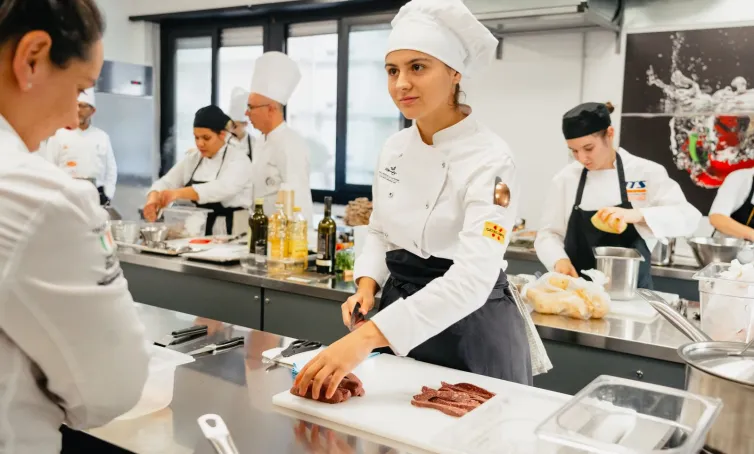
CETT has had a lot to do with it. I have always been—and still am—truly grateful to all the professors who taught me. My academic path began with the Higher Degree in Kitchen Management (Vocational Training), and I discovered my passion for wine through curiosity, visiting restaurants, and tasting pairings. That interest materialized in the University Extension Diploma in Sommelier Studies after I won the CETT Cooking and Hospitality Competition, which offered a scholarship for any of the center’s programs as a prize.
My curiosity kept growing until I had the opportunity to join Mas Marroch by the Roca brothers, where I first worked in the dining room and later as a sommelier. That is why I am so proud to be at the CETT Campus today, because it was the starting point of everything I am experiencing now.
-
Is a great sommelier born or made? How do you assess the role of education in your career?
Education is essential. You might be born with a particular sensitivity or perhaps a more developed sense of smell, but it is through practice, training, and tasting that you truly educate your palate, your sense of smell, and all your senses. So, to answer the question, I do not think you are born a sommelier—you have to be consistent and train your palate.
-
Sommelier work is often described as demanding and constantly evolving. What do you see as the main challenges in the field today?
It is a very rewarding profession, but it requires constant dedication and ongoing training to keep up with a world that is continuously changing. It is important to stay updated in every sense, both academically and in terms of viticulture. Visiting wine regions and understanding the changes they are experiencing—especially due to climate change—is essential to understanding how those changes influence the wines. We cannot enjoy a glass of wine without taking care of wineries, wine-growing regions, and the territory itself.
-
And to close this conversation with a toast, what advice would you give to someone who wants to take the step and become a sommelier?
Do it out of passion. Overall, it is a vocation—you cannot approach it any other way. Well, you could, but you would not enjoy it as you should.