The “Taylor Swift Effect” boosted hotel revenues by up to 45% during The Eras Tour
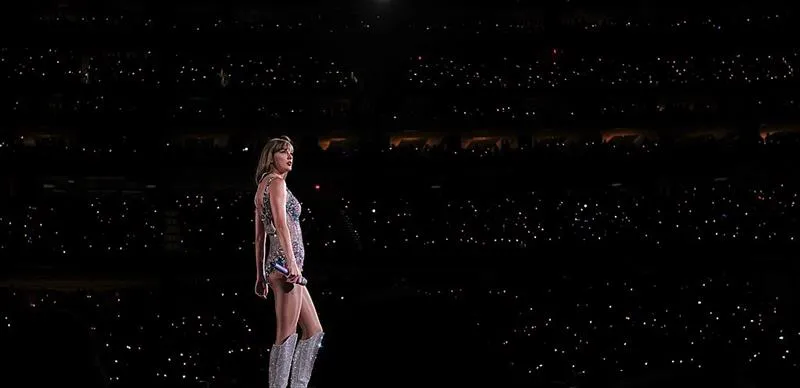
The findings of the study “When Taylor Swift hits town: Megastar-driven effects on hotel performance” show that the tour became an economic phenomenon for destinations and tourism businesses.
The study “When Taylor Swift hits town: Megastar-driven effects on hotel performance”, based on real data from the U.S. hotel market, confirms that Taylor Swift’s The Eras Tour not only revolutionized the music industry but also generated an unprecedented economic impact on the hospitality sector.
The research, conducted by Dr. Oriol Anguera-Torrell from the CETT Barcelona School of Tourism, Hospitality and Gastronomy, together with Dr. David Boto García and Dr. Marta Escalonilla from the University of Oviedo, reveals that the concerts of this megastar increased hotel occupancy by an average of 14%, caused hotel prices to rise by around 27%, and boosted revenue per available room by nearly 45%.
These effects were even stronger when concerts took place over weekends and far exceeded the impact of other internationally renowned artists like Beyoncé, Bruce Springsteen, or Ed Sheeran, who were also analyzed in the study.
High-end hotels: the biggest winners
The impact was not evenly distributed: high-end hotels saw the greatest revenue increases. This can be explained by the fact that their guests tend to be less price-sensitive, allowing these establishments to raise prices during concert dates without losing demand. Additionally, high-end hotels typically operate with lower occupancy rates, which gives them greater capacity to absorb spikes in demand caused by events of this magnitude.
Implications for the Tourism sector
The results of this study show that the so-called “Taylor Swift Effect” is much more than a viral trend—it is a measurable economic phenomenon of great significance for tourist destinations and businesses.
The findings highlight the role of major cultural events as drivers of local economic activity. Specifically, large-scale events can temporarily reshape hotel market behavior, creating sharp and highly concentrated demand peaks. This underlines the importance of coordinated planning between the entertainment and tourism sectors to fully capitalize on such surges.
With cities like Madrid and Barcelona set to host major international artists like Bad Bunny and Rosalía in 2026, we may be gearing up for a similar phenomenon. A reality that could transform the tourism and hotel industries and deliver a major economic boost to the country.
See the article.
More about this research on the blog Nada es Gratis.