Bachelor's Degree in Culinary and Gastronomic Sciences
Your request has been successfully received
Thank you very much for your interest.
You will receive a confirmation email shortly.
-
Duration4 courses
-
Credits240 ECTS
-
Start dateSeptember 2026
-
ModalityOn-campus
-
Specialization TracksCulinary R+D in the Food Industry | Culinary Innovation and Creativity | Collective Catering Management
-
LanguagesSpanishCatalan
-
Cut note5.00
-
Access code11113
Fusing science, creativity and business
Can you imagine being part of the generation of professionals who will define the gastronomy of the future?
The Bachelor's Degree in Culinary and Gastronomic Sciences is a complete education that combines creativity, science and business management to prepare you for any professional challenge. It will train you to innovate, design, manage, produce and direct operations and processes in the food industry, collectivities and haute cuisine.
What will you learn?
- Create new and surprising gastronomic concepts.
- Dominate advanced techniques adapted to the latest trends.
- Manage your own business or lead projects in the sector.
- Research and bring new solutions to the world of food.
In addition, you will have the support of great experts such as Joan Roca, internationally renowned chef, and a committed teaching team that will guide you through a practical training connected to the real demands of the sector.
This degree, the first in Culinary and Gastronomic Sciences in Catalonia, has more than ten years of experience with graduates who today lead gastronomic projects around the world. Are you ready to take the next step and be part of this change?
A degree with multiple options
-
Choose from three specialization itineraries
- Culinary Innovation and Creativity: Explore your creative side in the kitchen, combining solid techniques with experimentation. Design new concepts and business models that transform the industry.
- Culinary Research and Development in the Food Industry: Be part of the future of food. Create new food products, develop research projects, optimize processes and generate business opportunities.
- Catering Management: Lead kitchens and projects in collective dining rooms. Learn to design gastronomic offers, manage teams and processes, and respond to market needs.
- Culinary Innovation and Creativity: Explore your creative side in the kitchen, combining solid techniques with experimentation. Design new concepts and business models that transform the industry.
-
Discover all the resources at your disposal
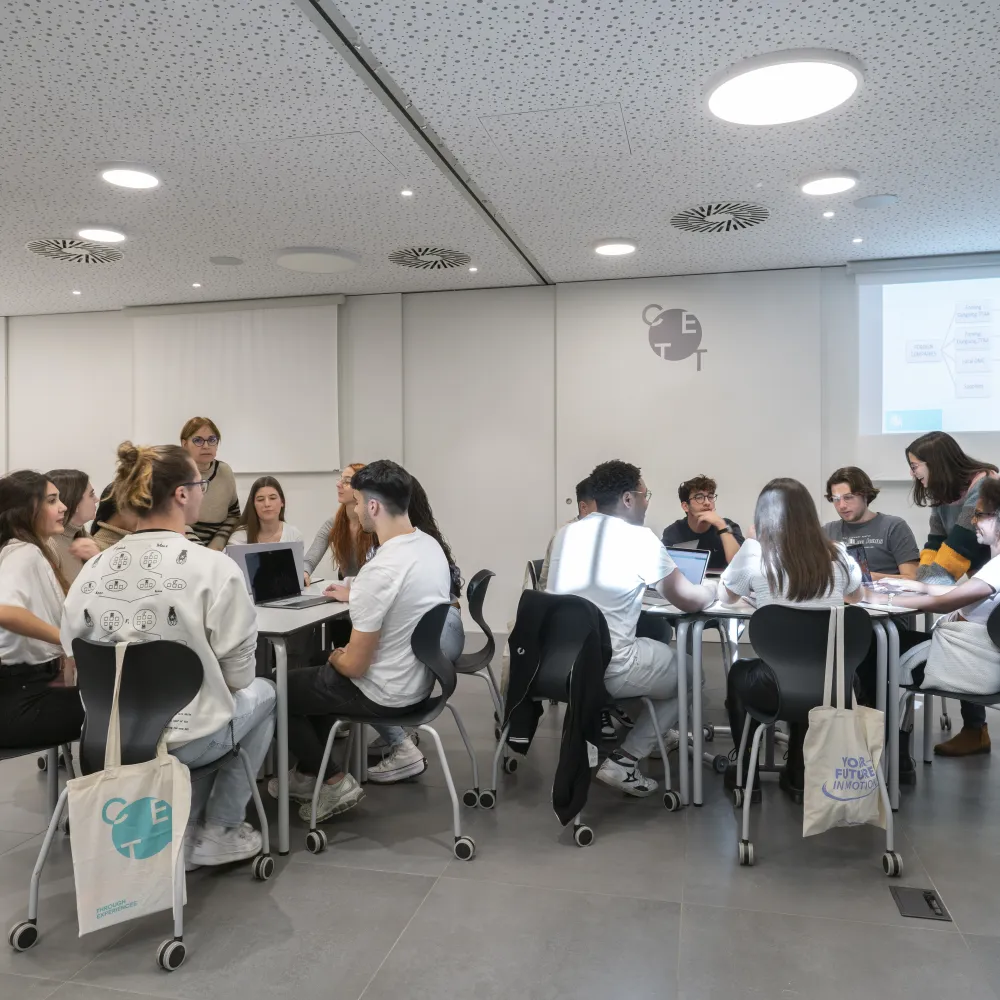
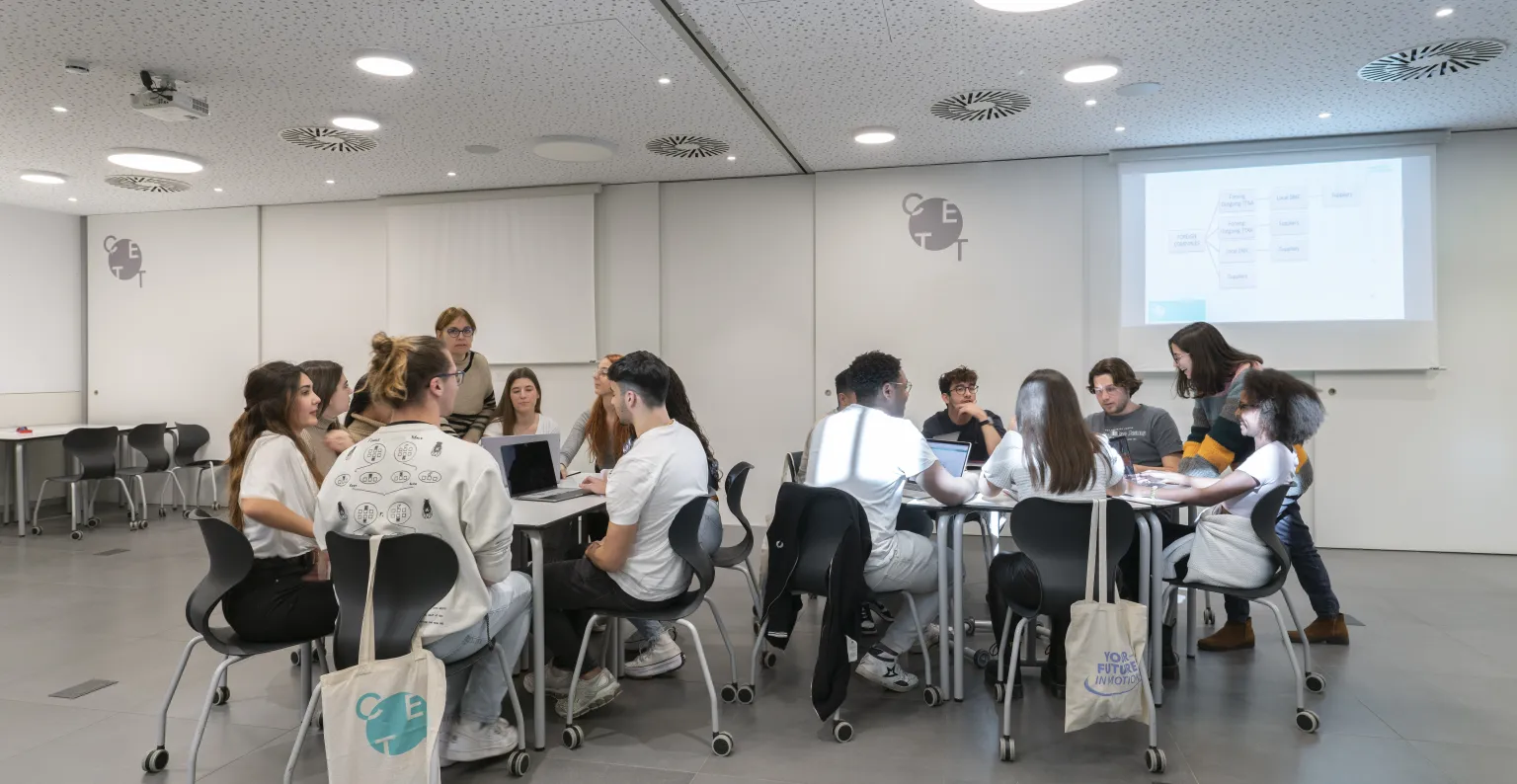
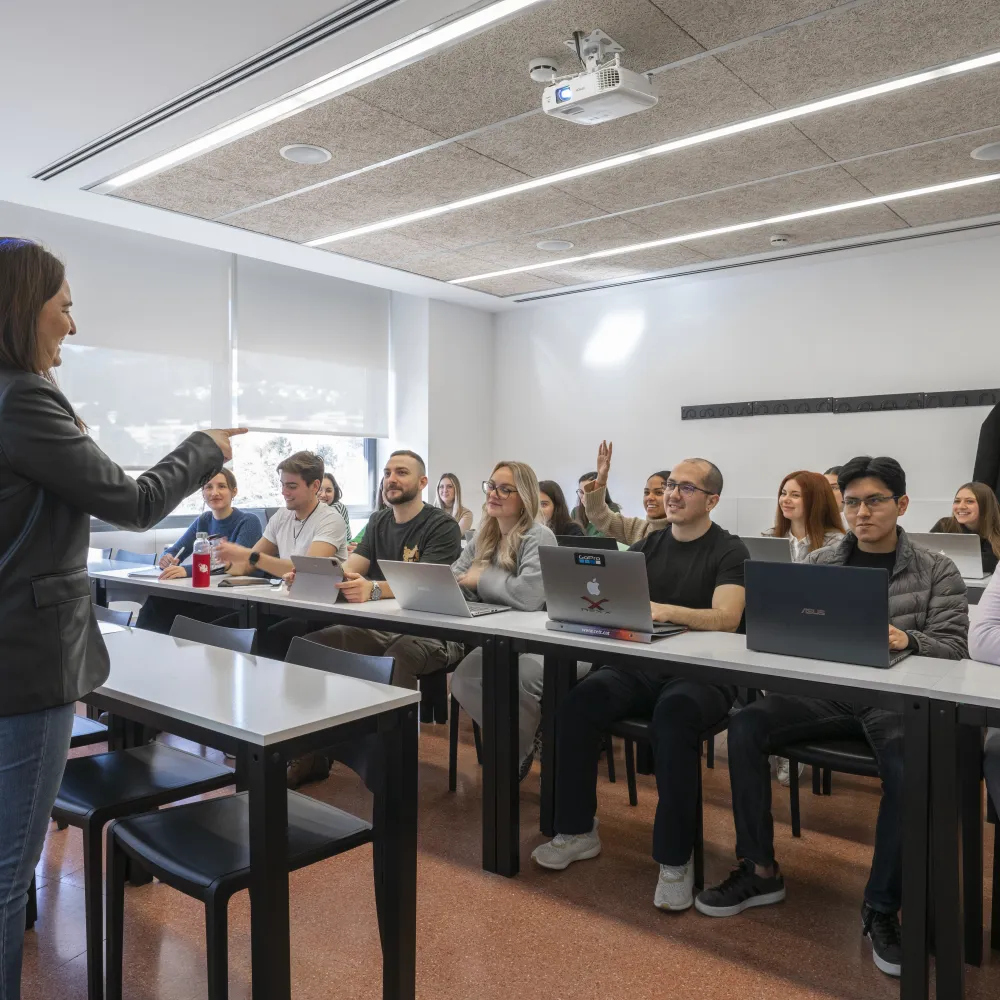
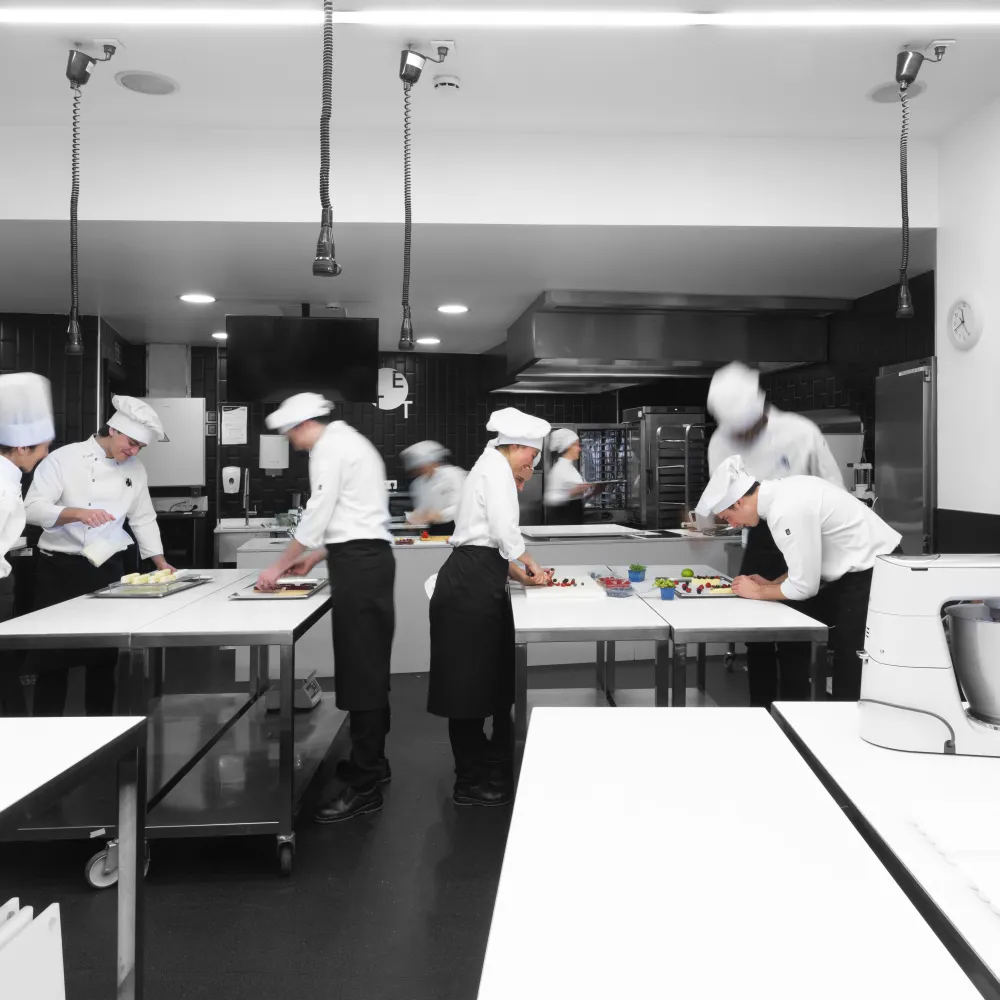
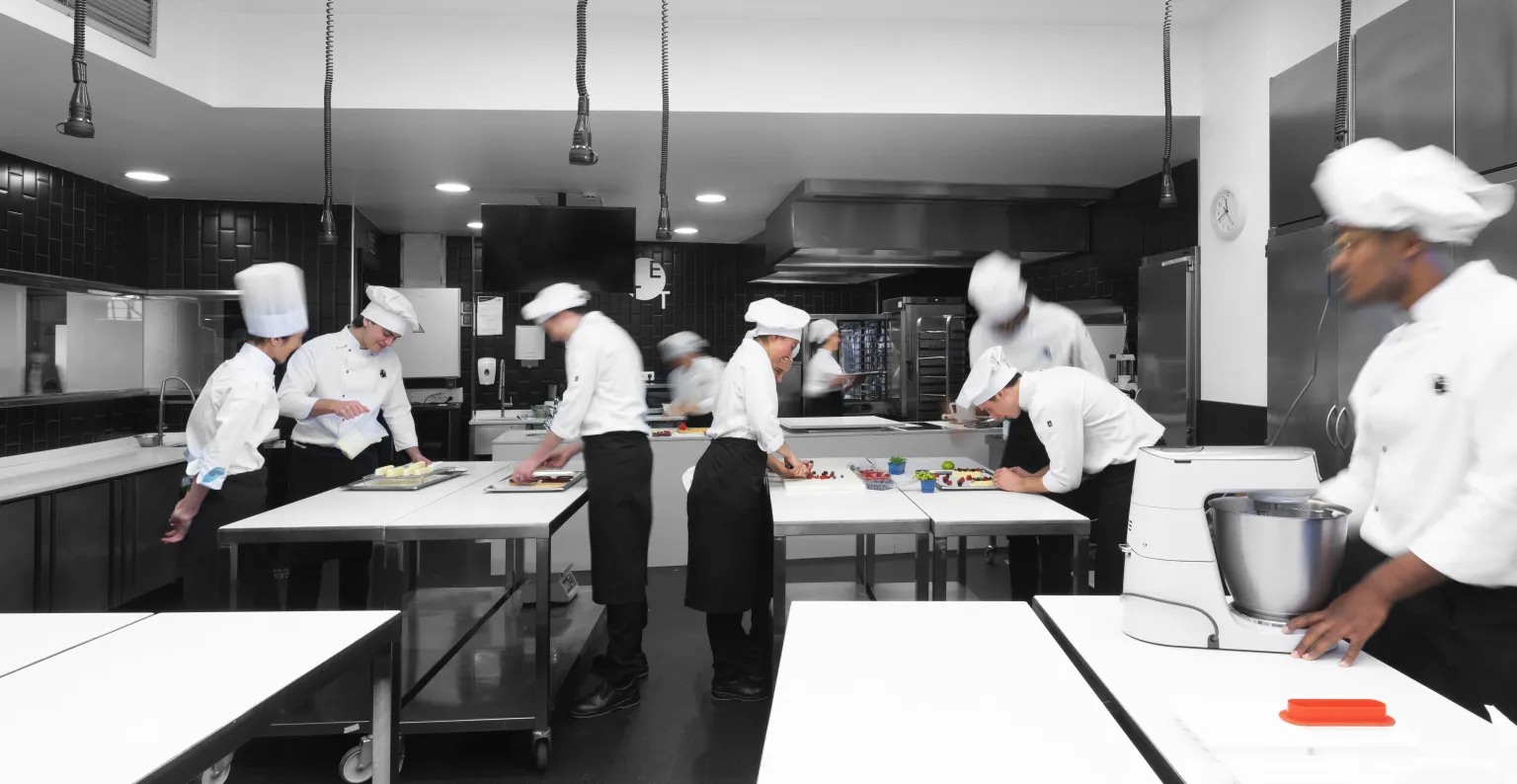
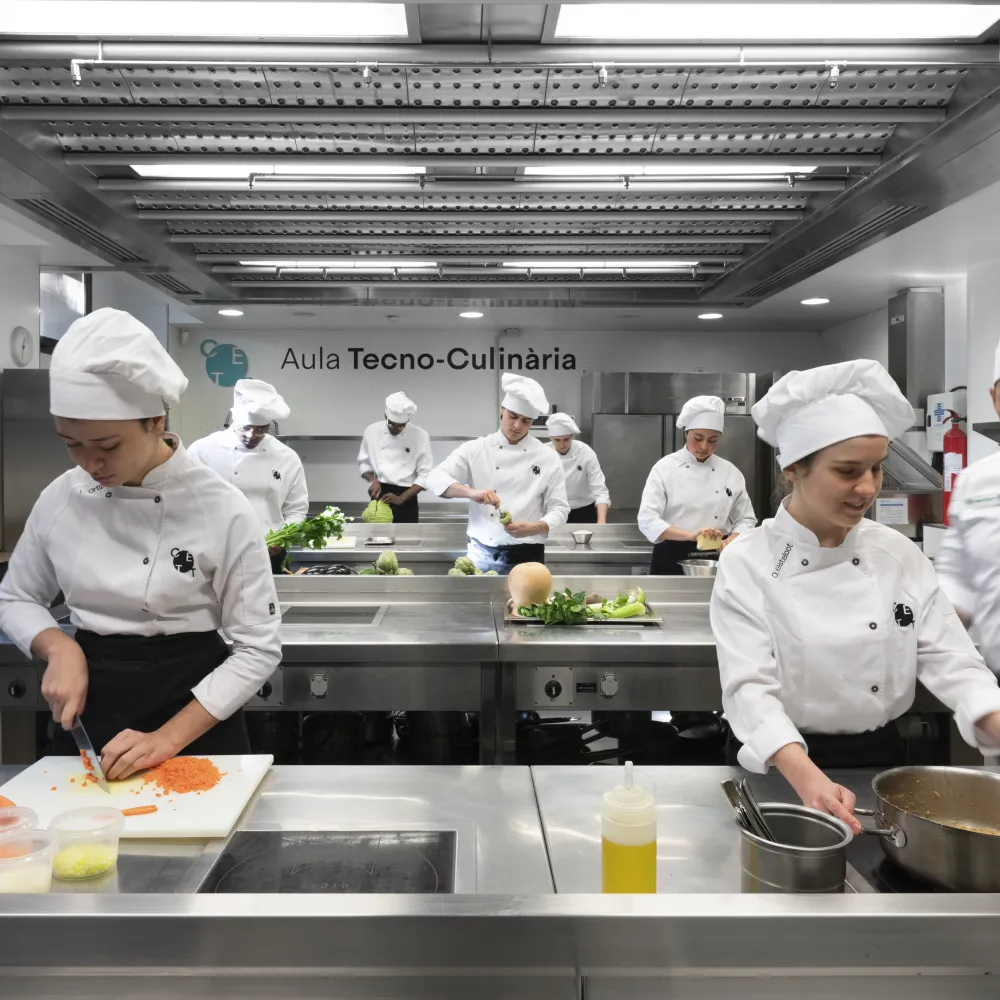
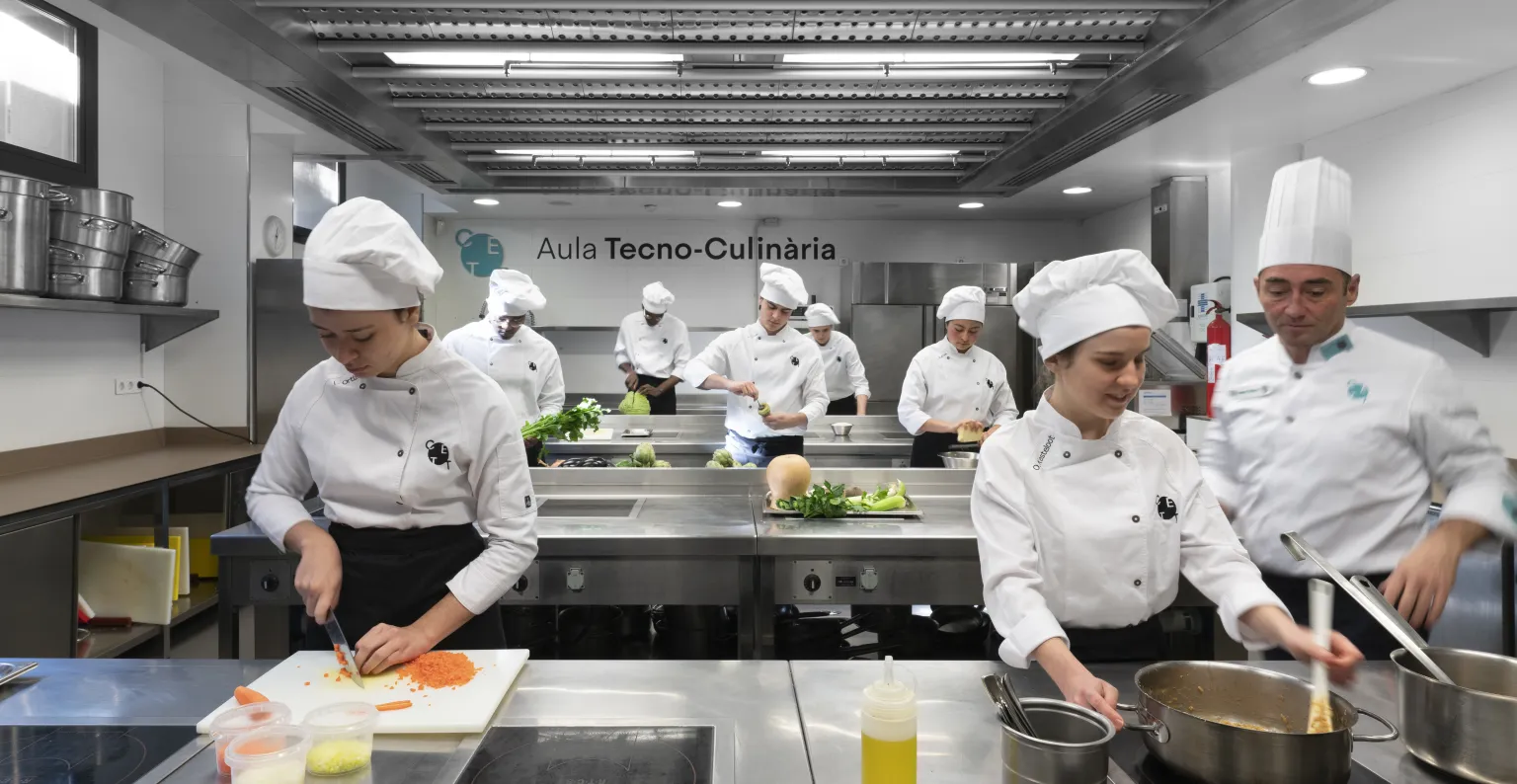
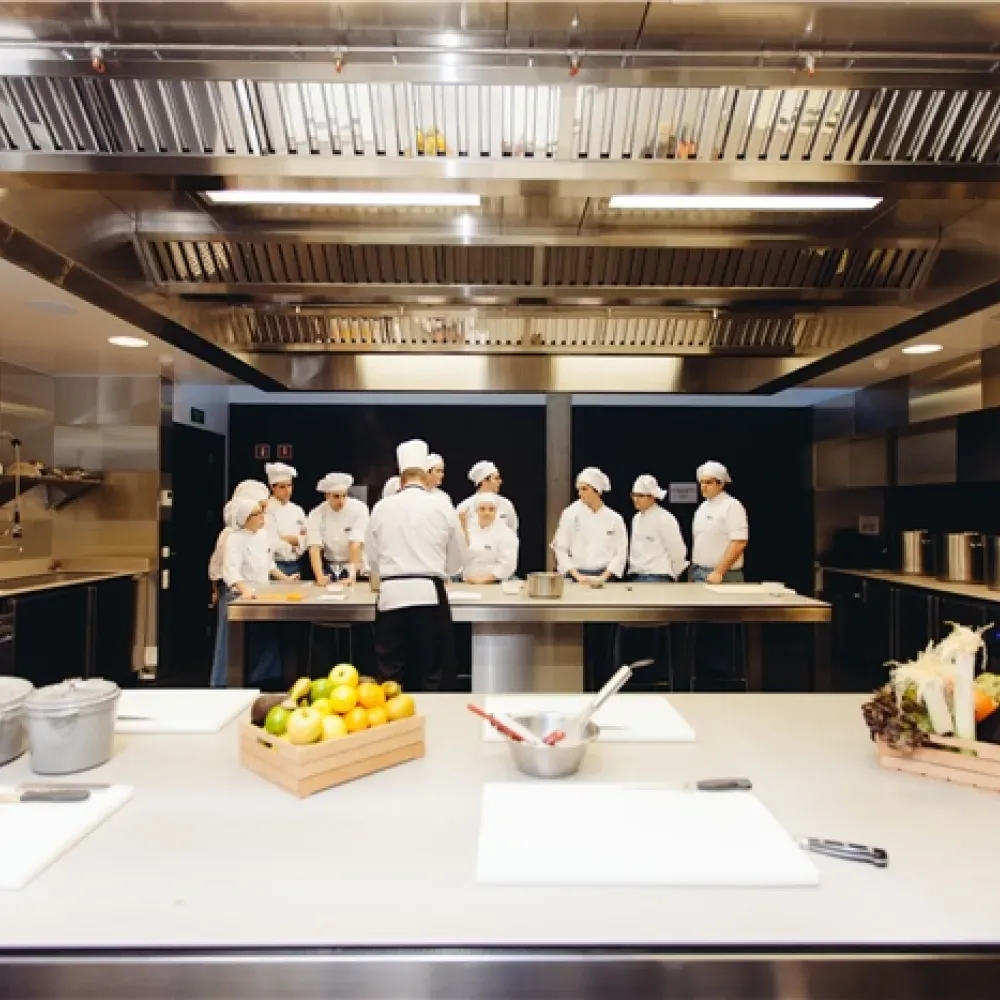
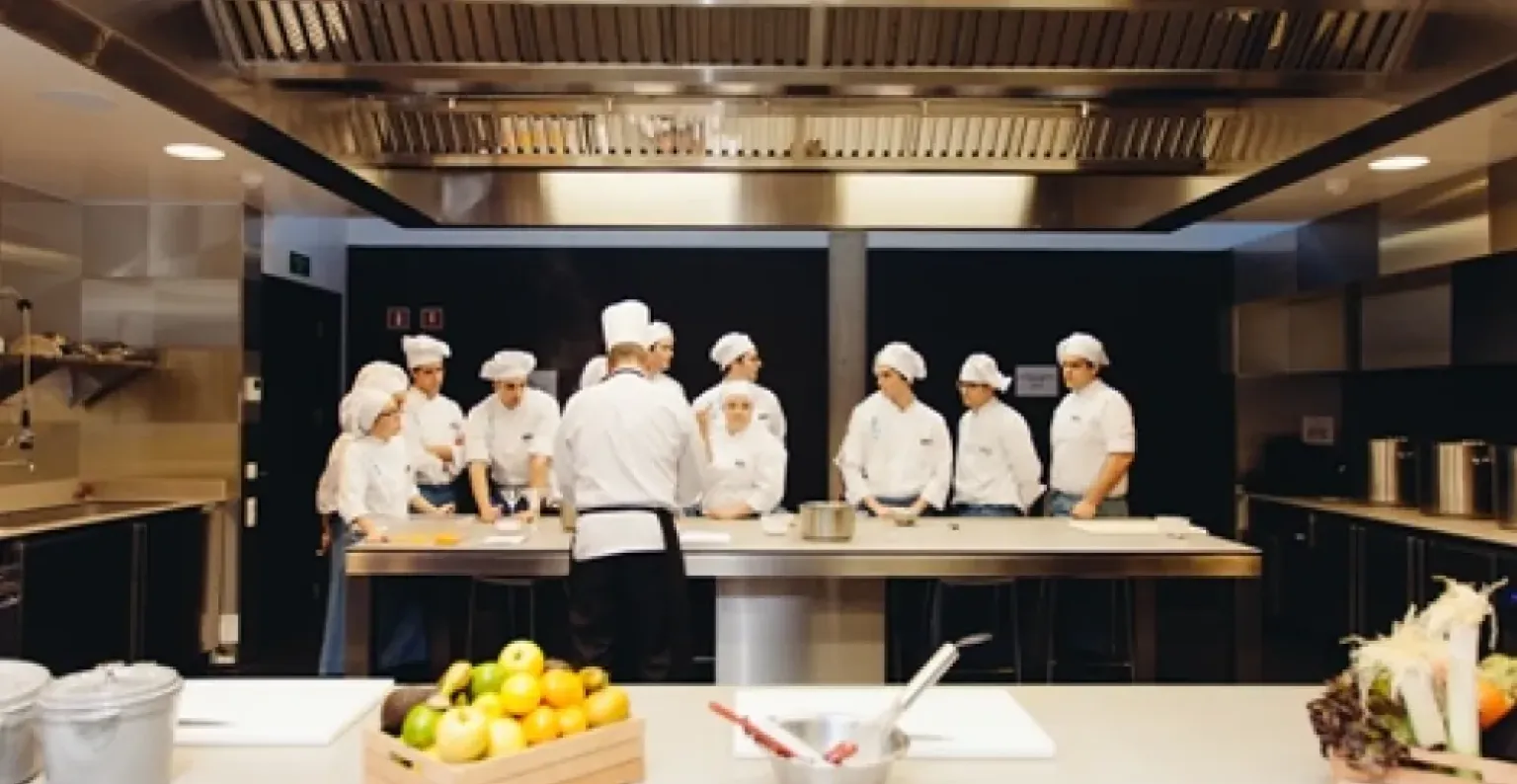
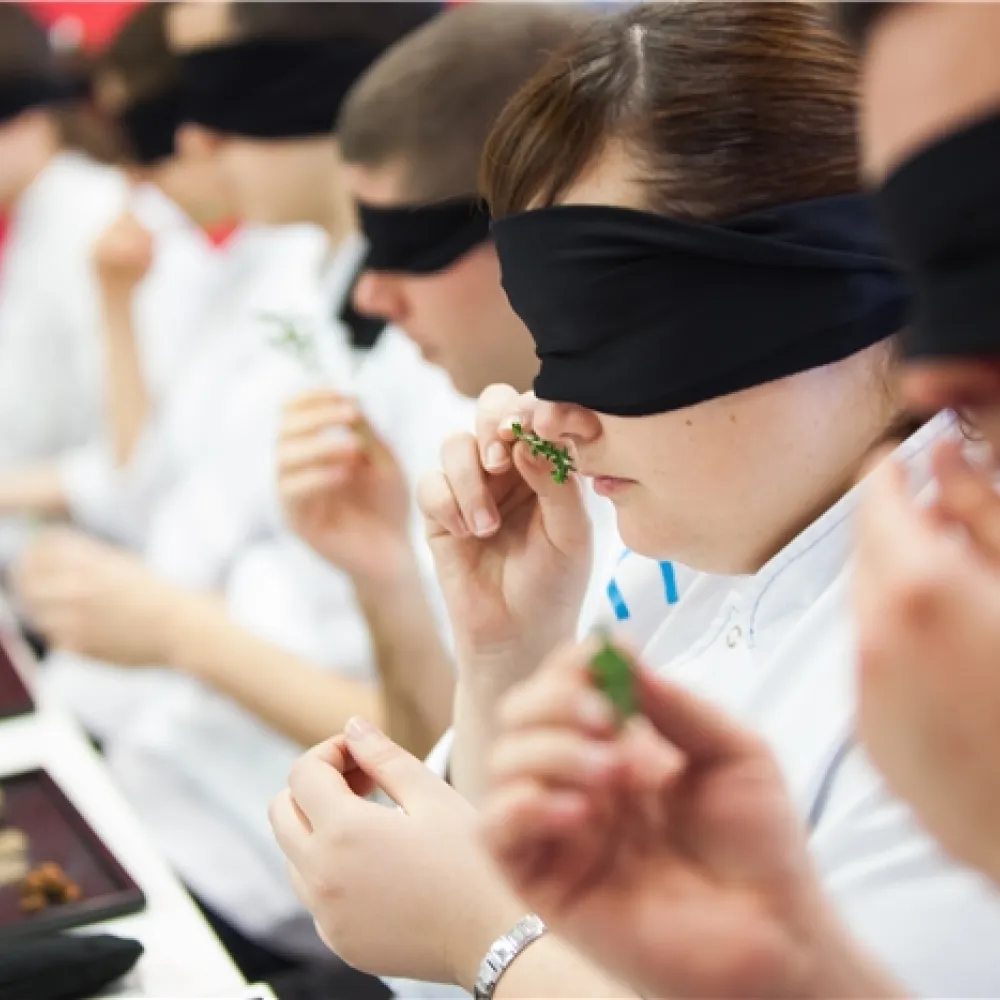
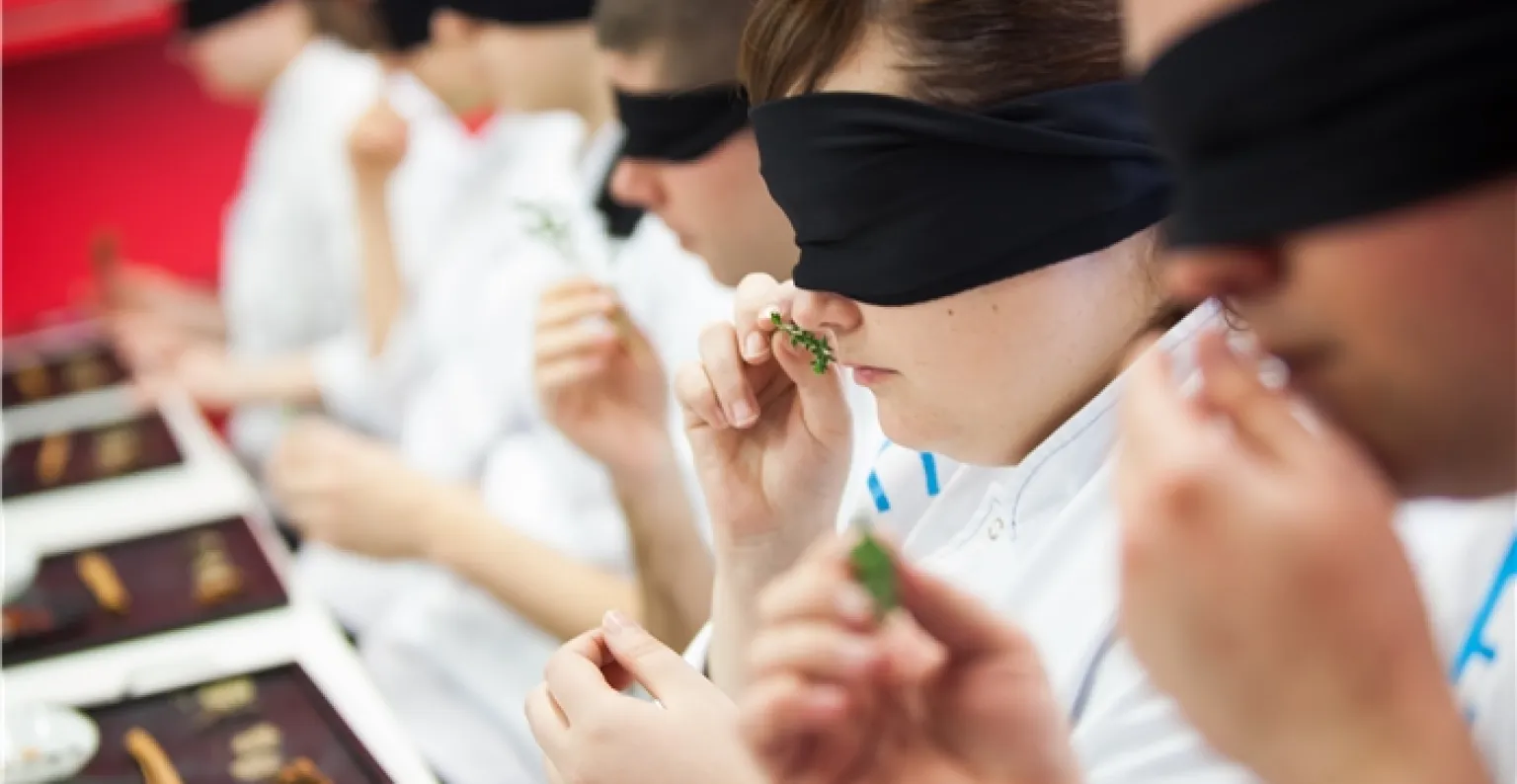
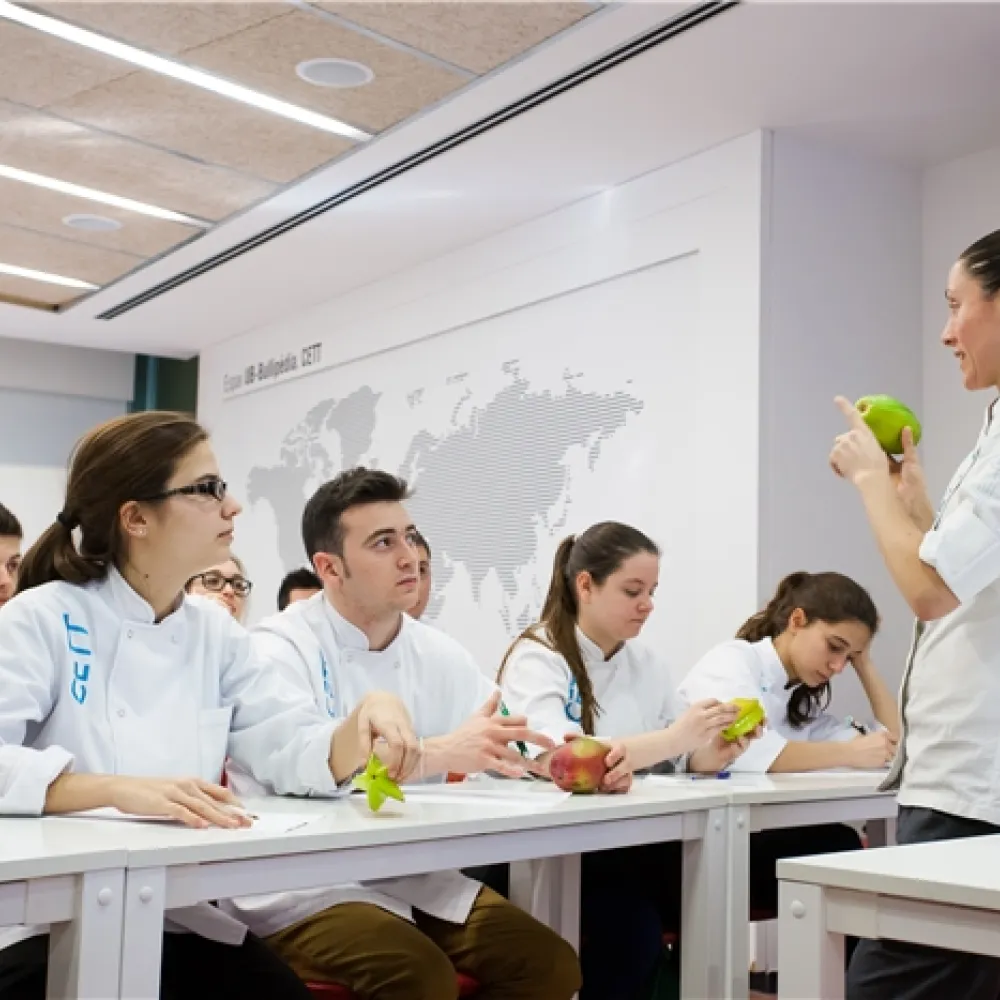
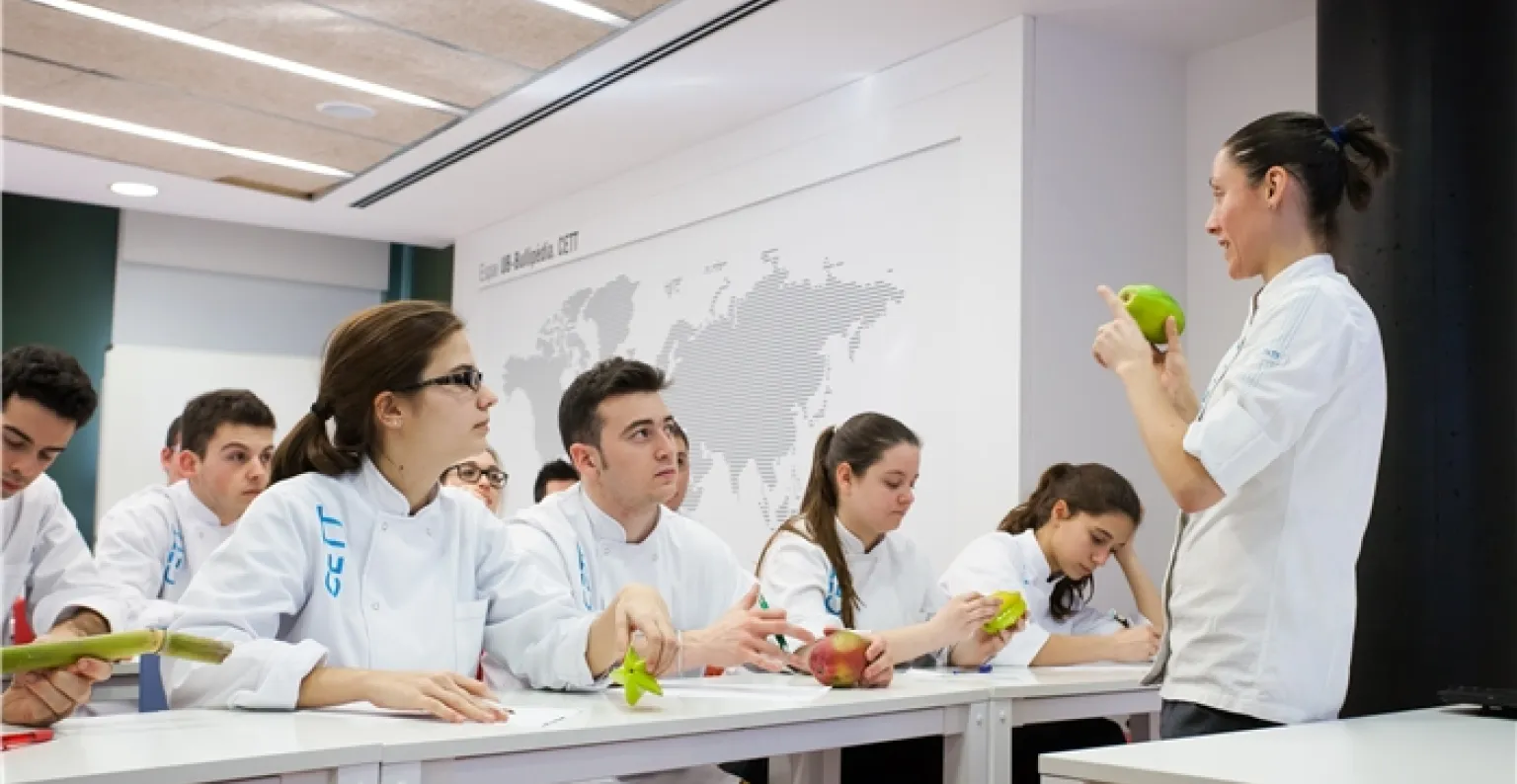
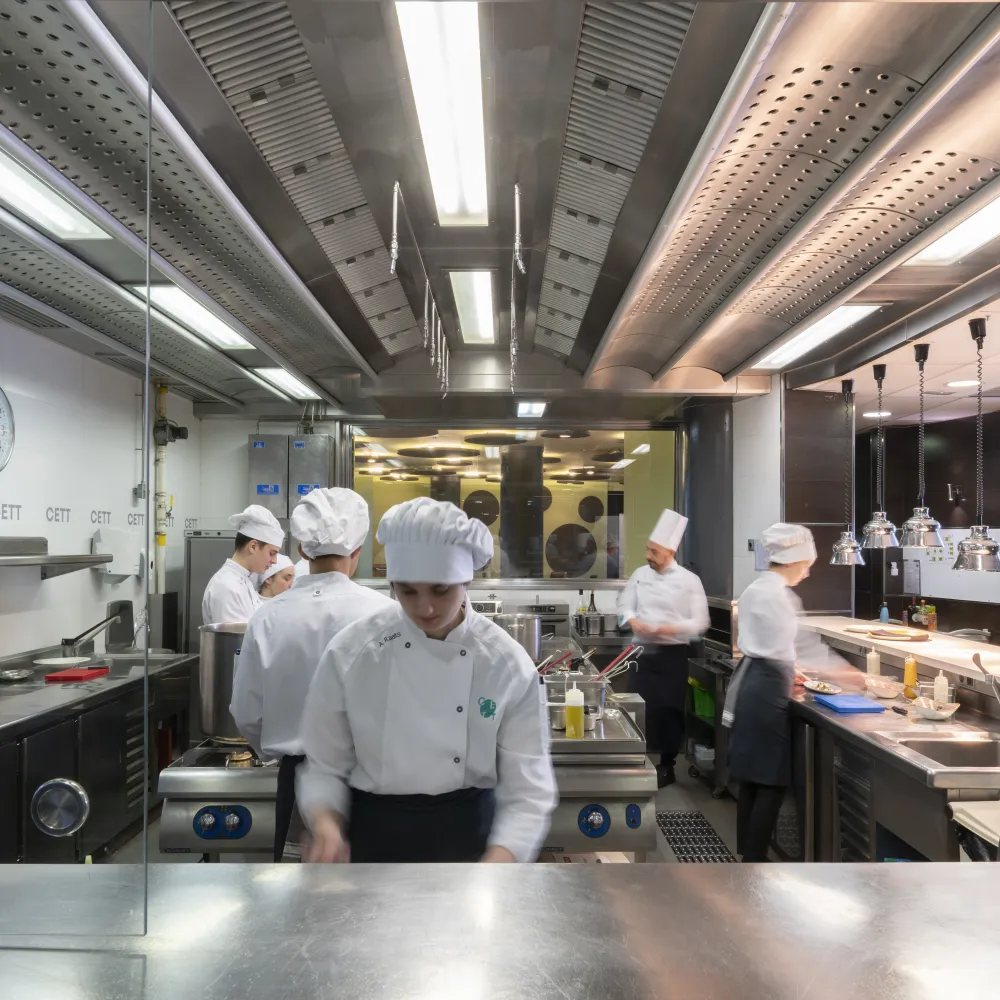
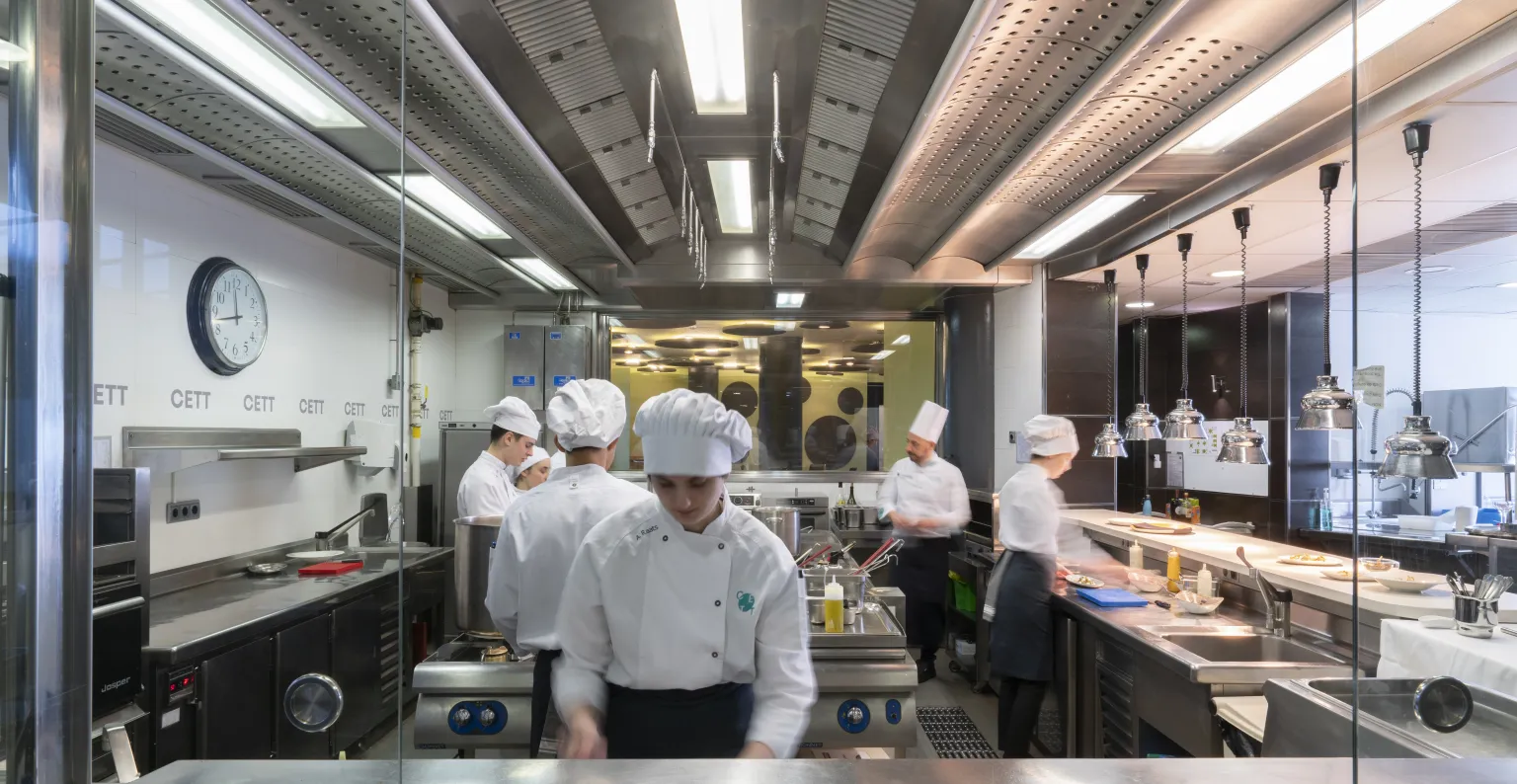
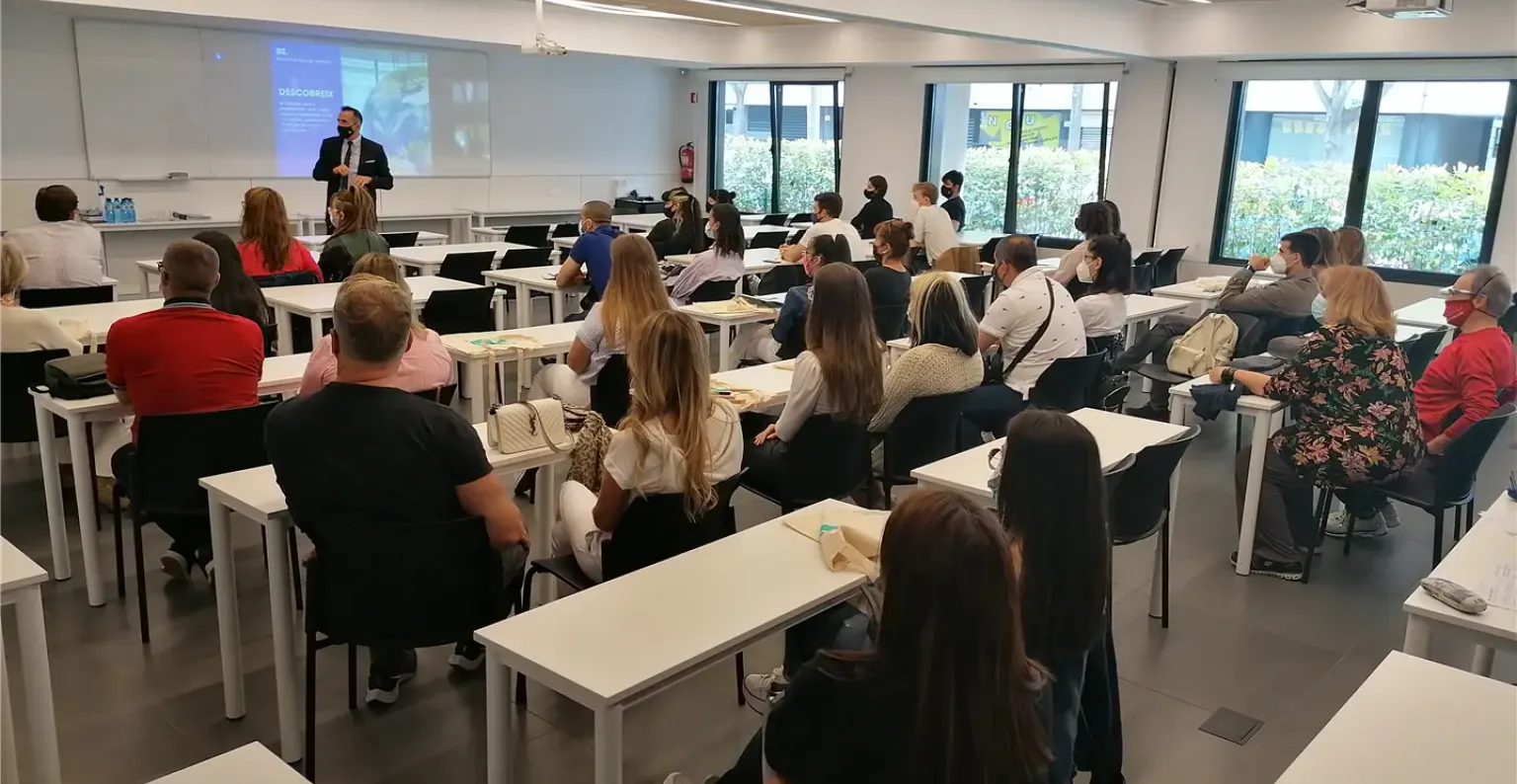
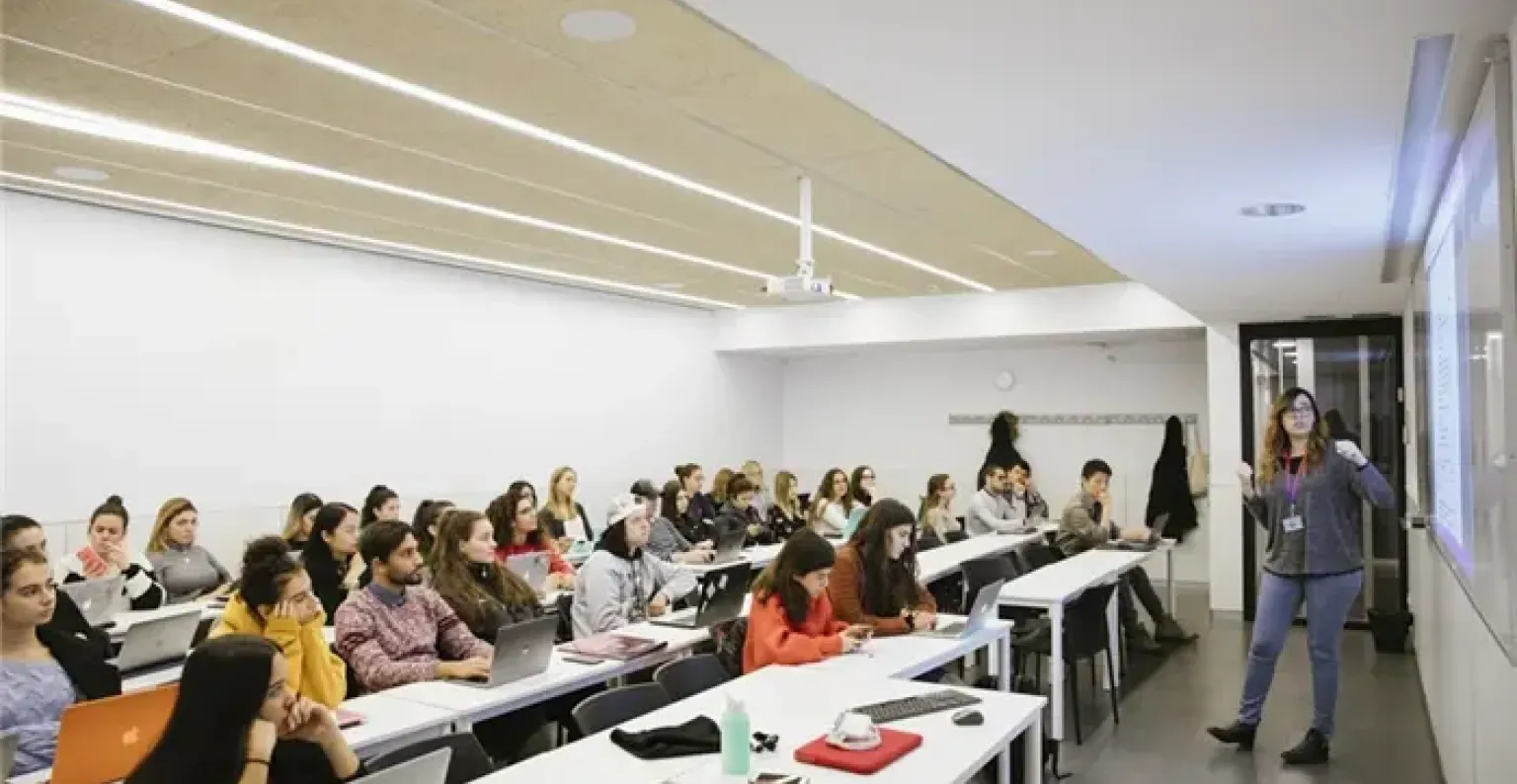
- State-of-the-art facilities: train in CETT’s 12 technical classrooms, including the Aula Tecnoculinària, the Laboratori Experimental and the Aula dels Sentits, as well as in the Food Technology laboratories at the Campus de l’Alimentació de Torribera of the University of Barcelona.
- Subject matter experts: Learn from a teaching team with academic, technical and professional profiles specialized in gastronomy.
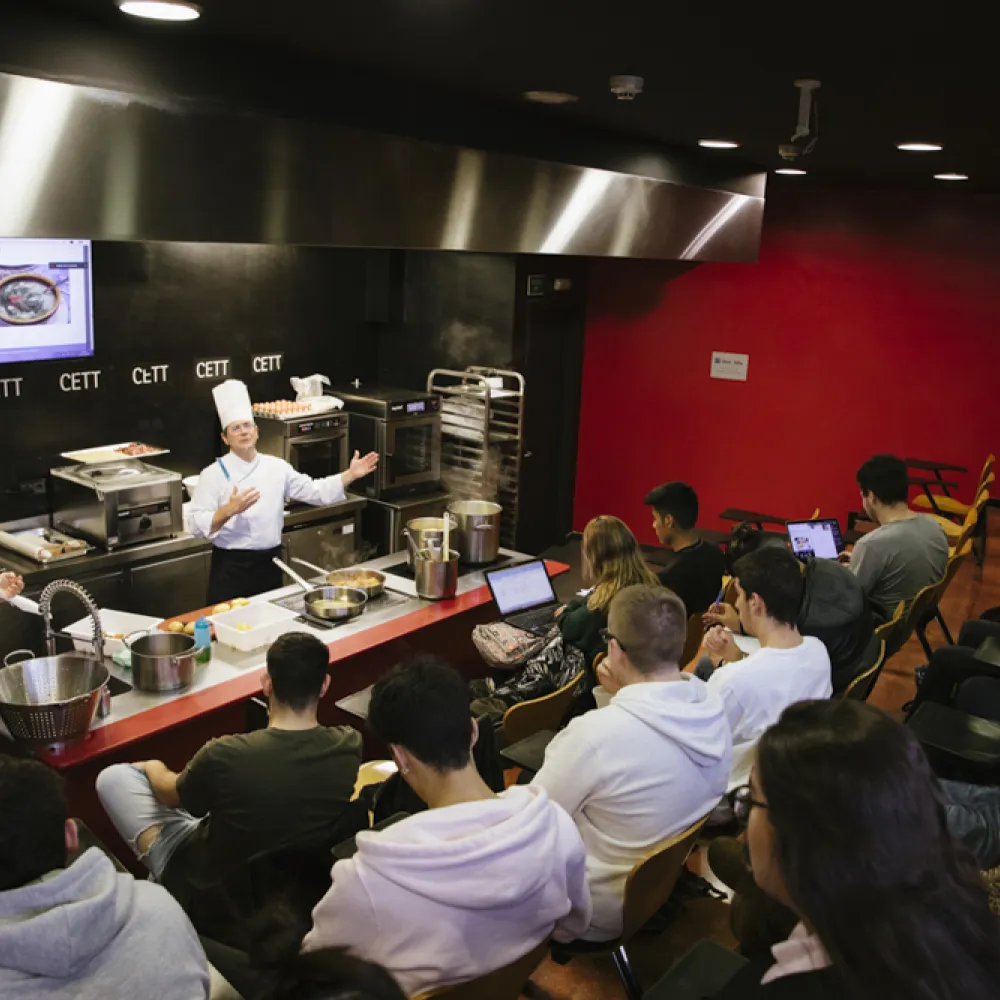
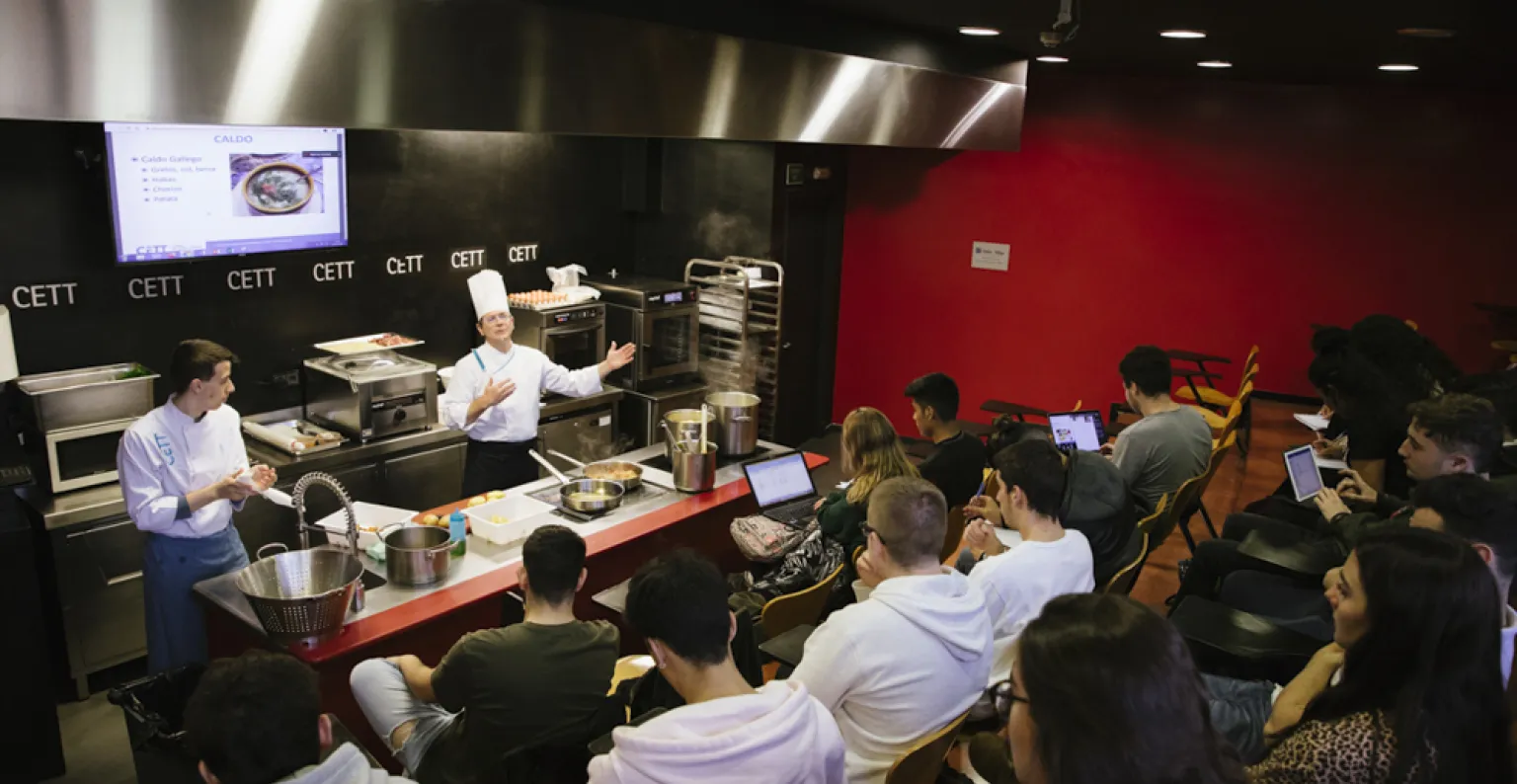
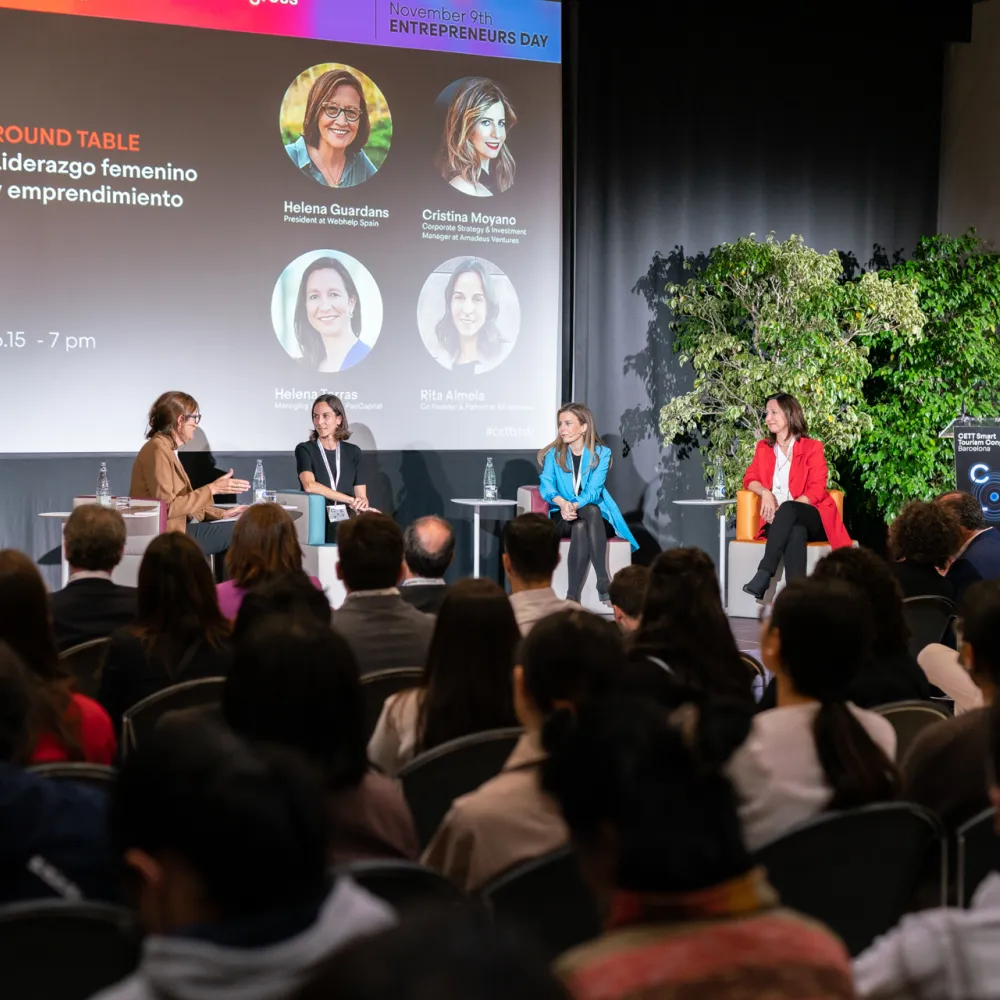
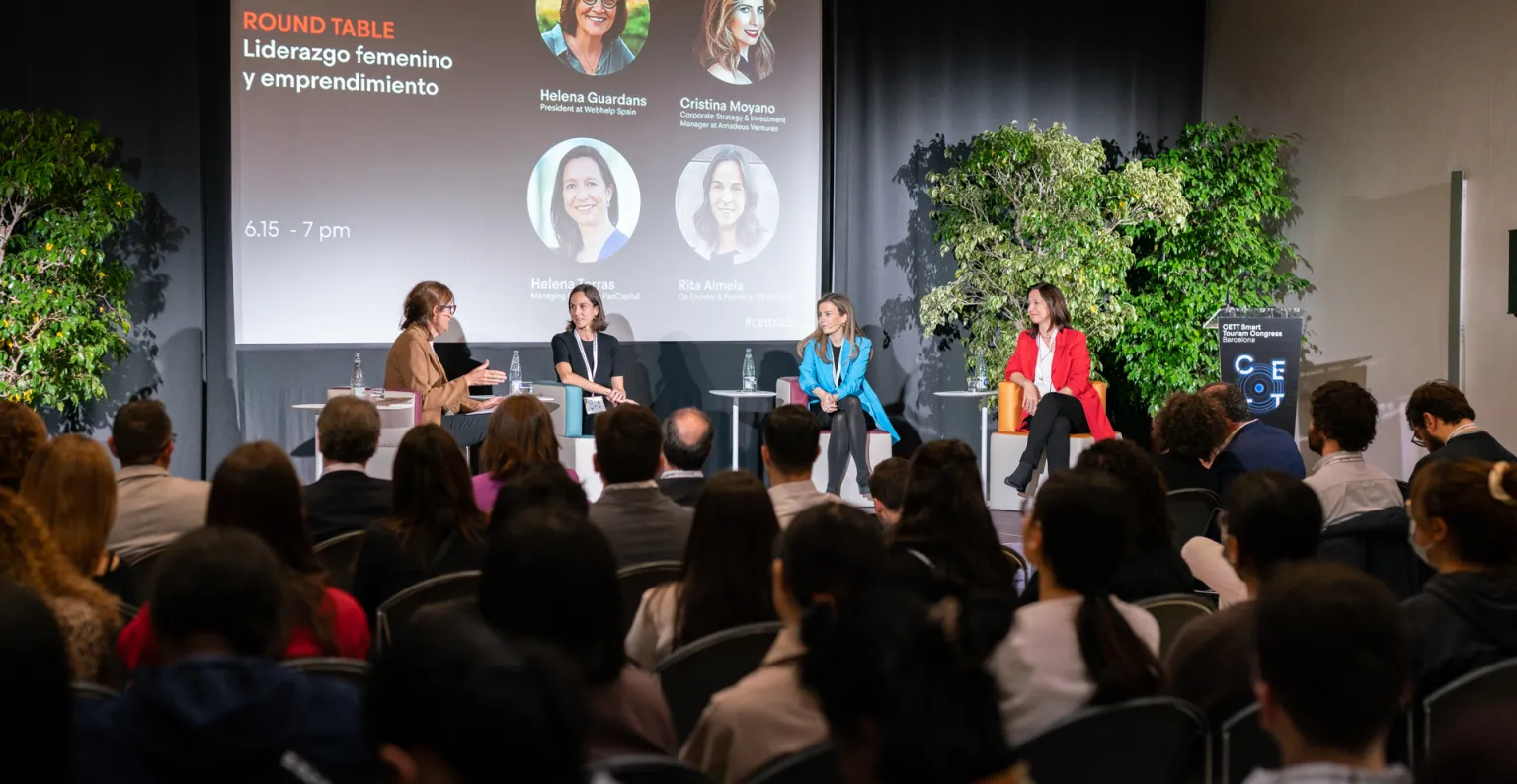
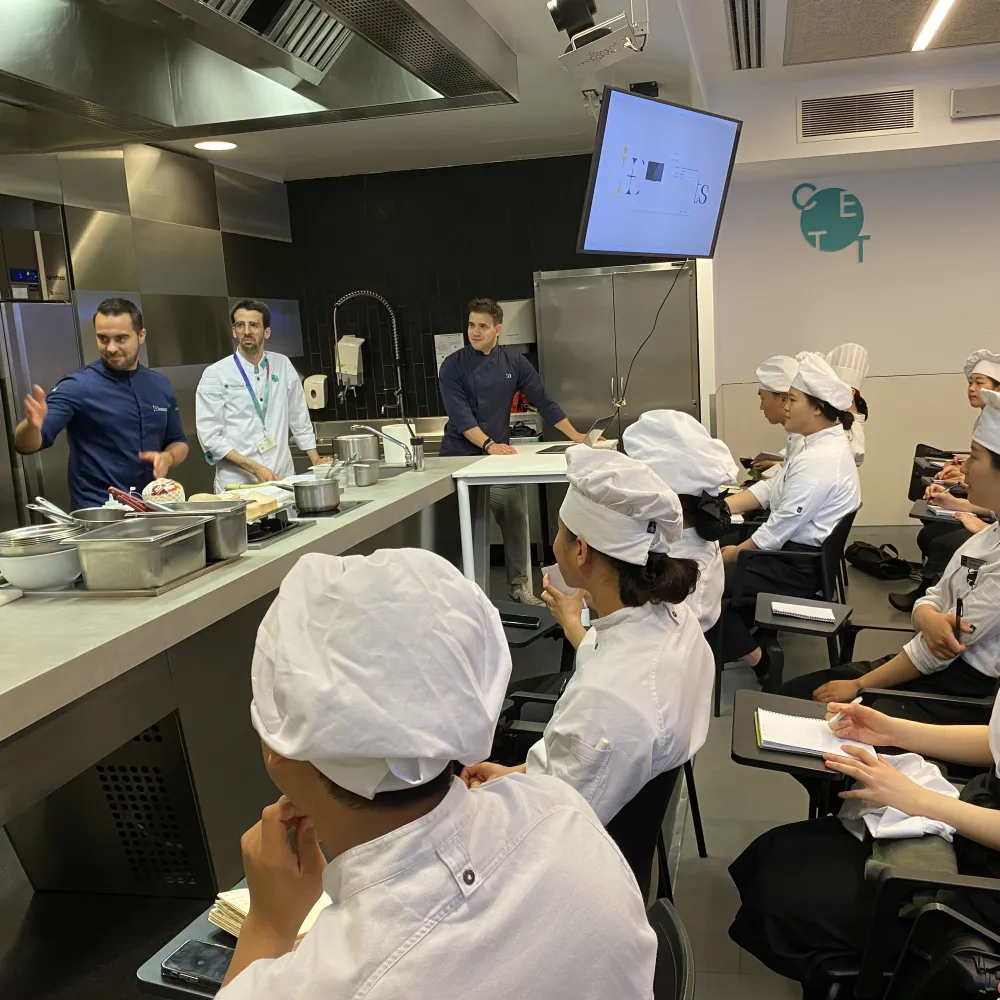
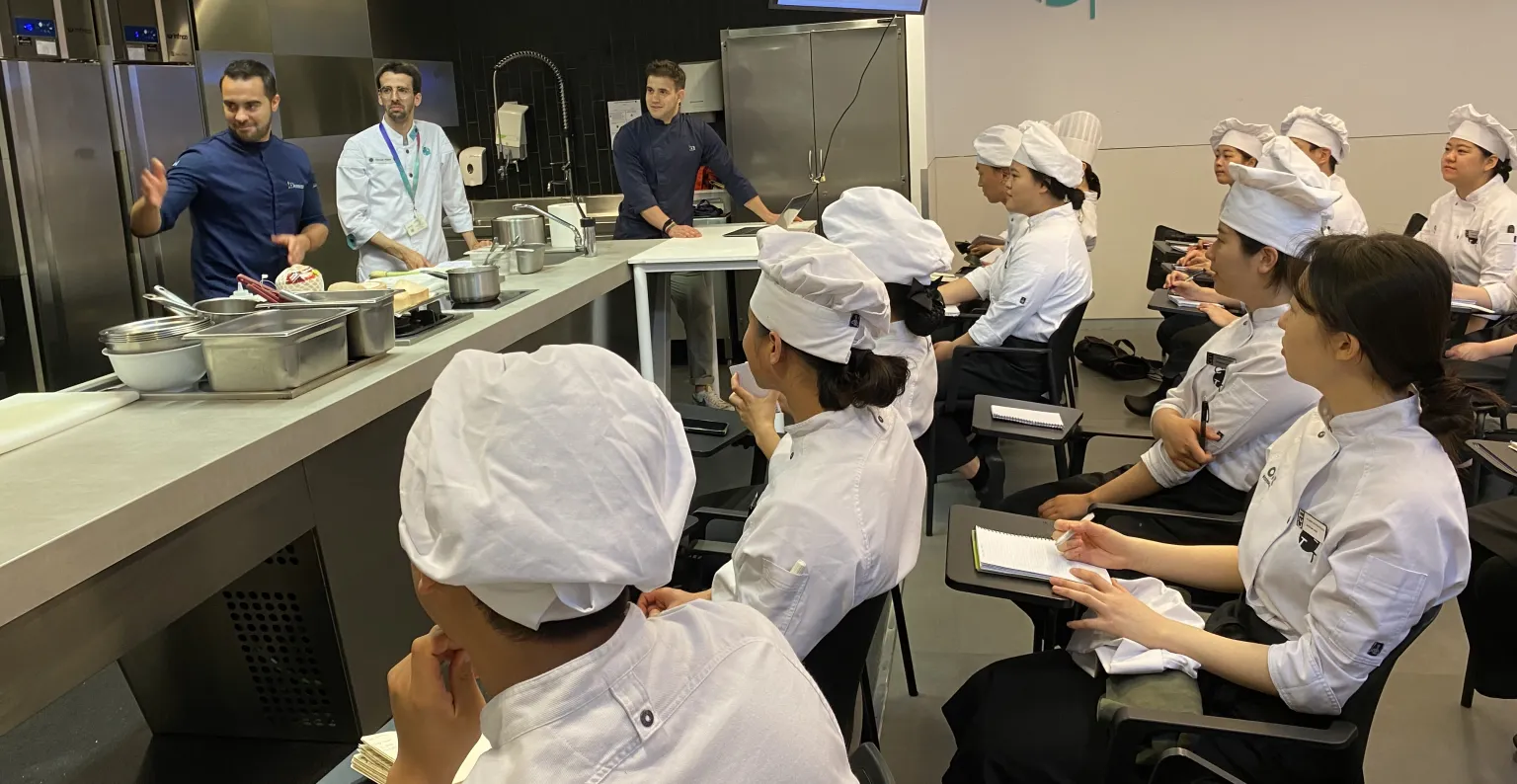
- Unique experiences: Participate in chef demonstrations, conferences, company visits, trade fairs and gastronomic congresses.
What makes CETT-UB's Degree in Culinary and Gastronomic Sciences different?
Interdisciplinary training
A degree where science, cuisine, food and gastronomy come together to prepare you for the future of food. Teaching is delivered across two specialised campuses — CETT-UB and the Campus de l’Alimentació de Torribera at the University of Barcelona — featuring laboratories, technical classrooms and innovation spaces focused on practical learning and applied research in the fields of food, science, cuisine and gastronomy.
Experience-based learning
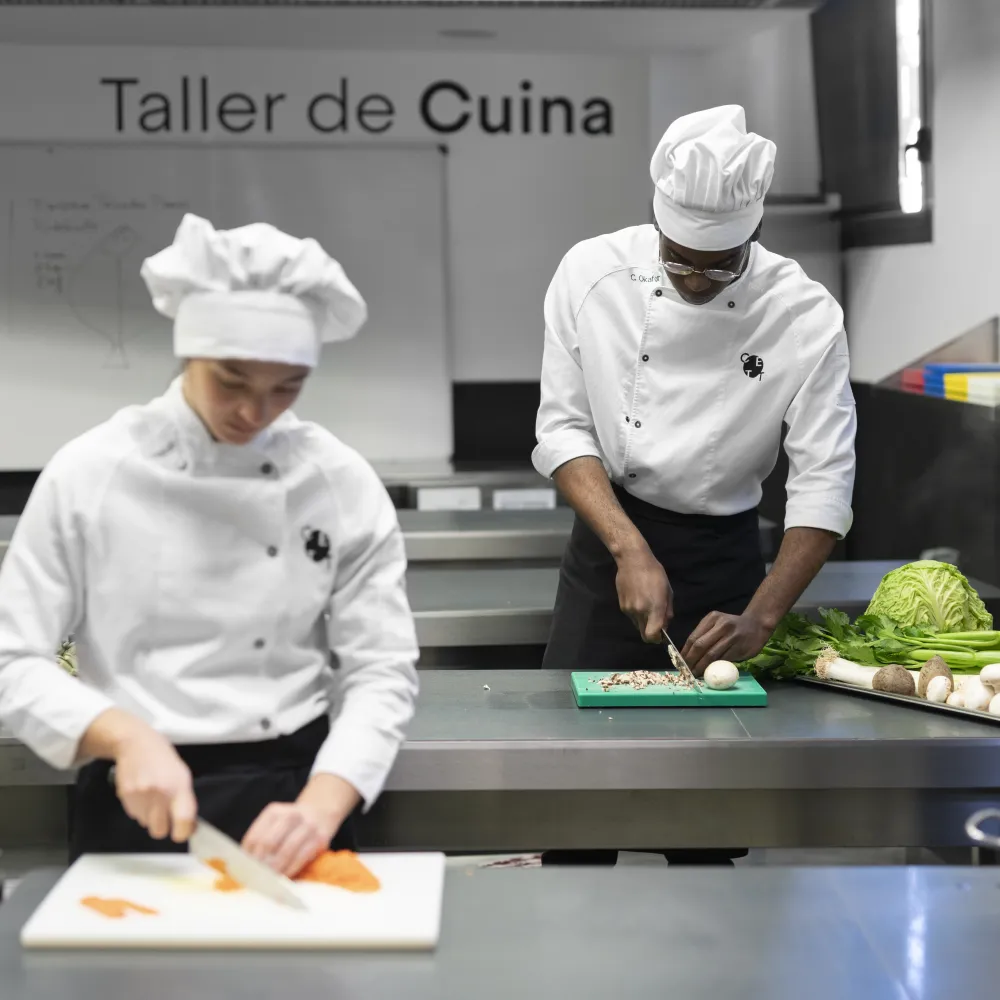
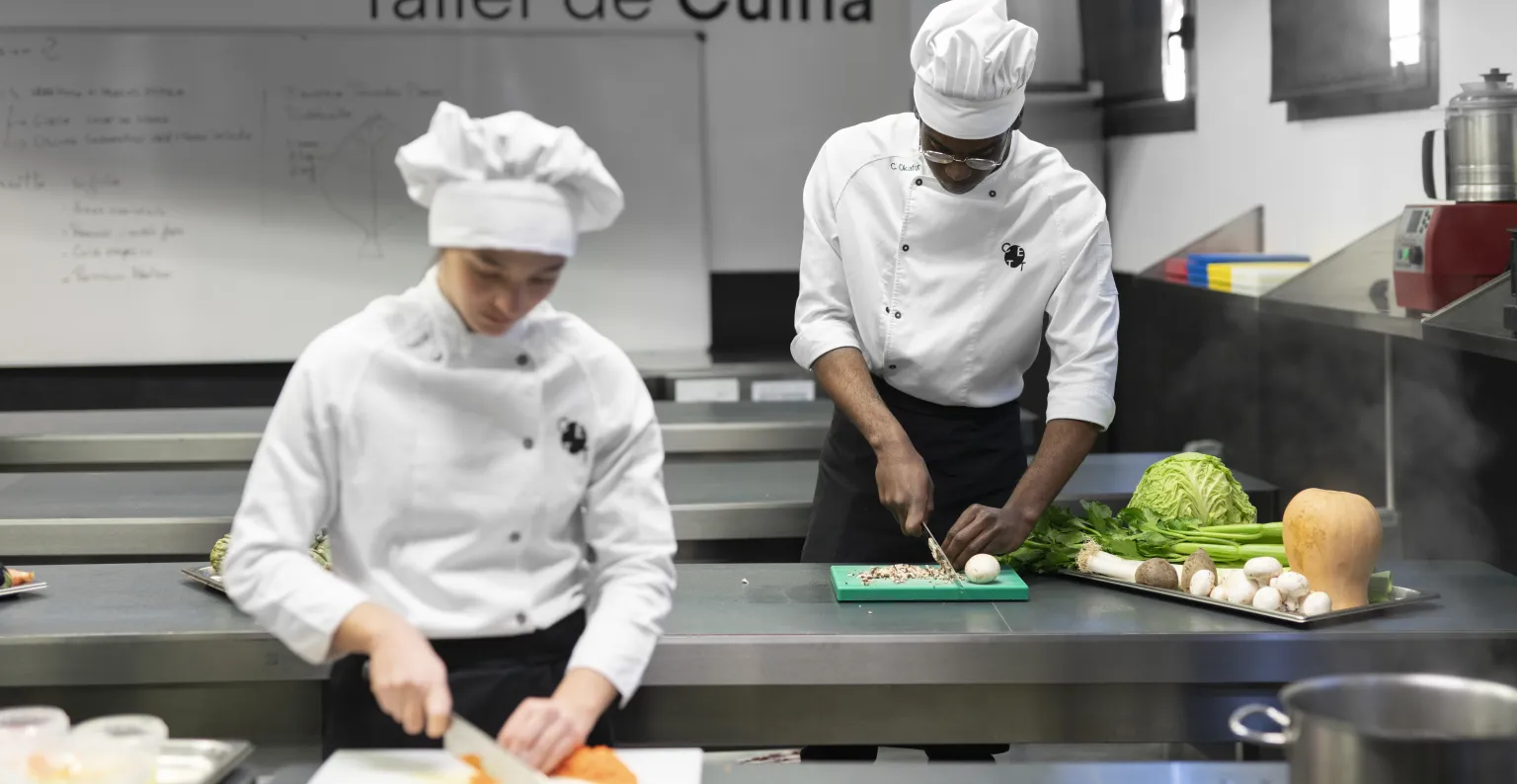
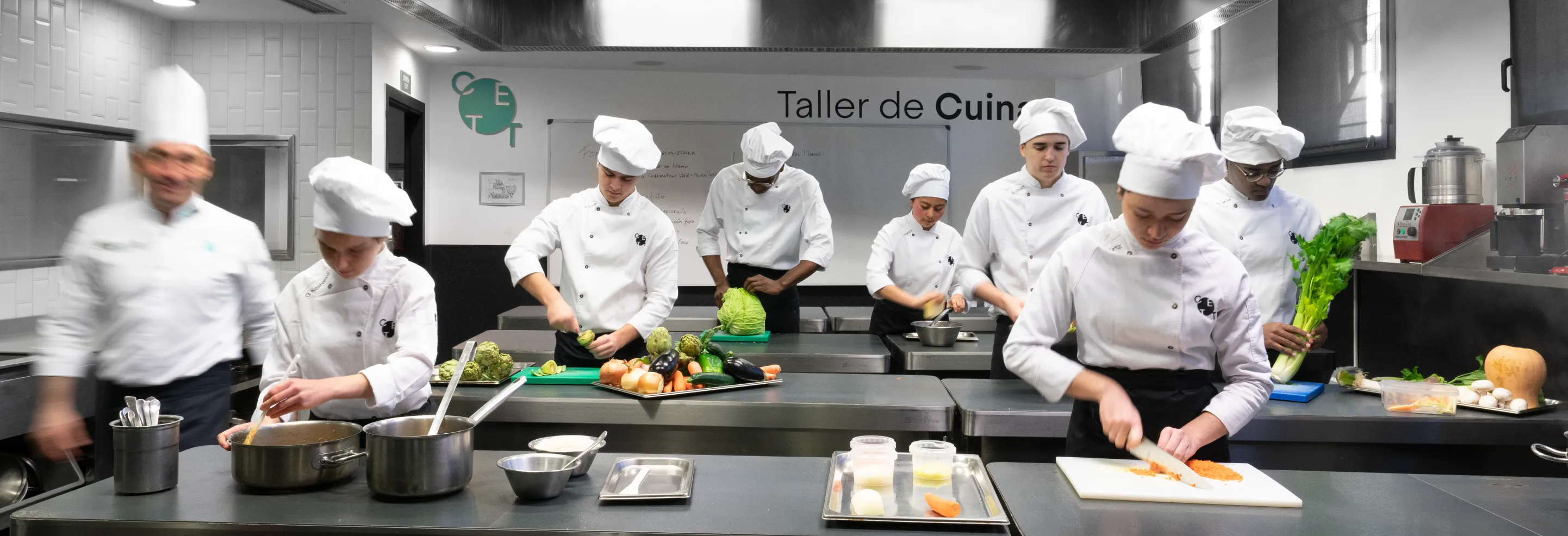
Experiential learning system where practice and application in the kitchen and laboratory form the pillars of our students' development to lead them to achieve the optimal learning outcomes for their insertion in the world of work or research.
From management to the food industry
You will acquire tools to create, manage and lead gastronomic projects in commercial and collective catering, business and food industry with sustainability criteria and avoiding food waste.
Wide range of professional opportunities
With more than 95% job placement rate, the degree prepares students for a wide variety of job opportunities in the catering sector, the food industry and business management in food, gastronomy, research and R&D centers.
The degree in numbers
of the total number of catering companies in Spain
of restaurant workers in Spain
michelin star restaurants in Spain
of students find a job upon graduation
Recognition
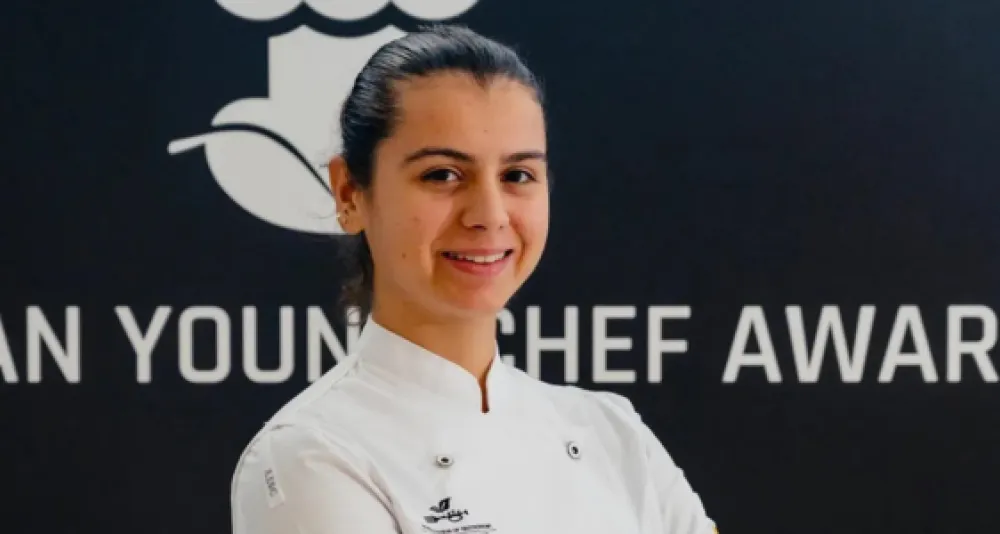
Marta Minoves best youg chef in Europe
Marta Minoves, alumni of the Degree in Culinary and Gastronomic Sciences CETT-UB, has been recognized as the best young chef in Europe in the European Young Chef Award 2024. Her dish, “Fonda Tor”, reinterprets the traditional Berguedà cuisine with local products and sustainable approach, combining innovation and tradition.

Second award Ecotrophelia competition
CETT-UB students have won the second prize in Ecotrophelia Spain with “Oatspresso”, eco-innovative energy bars that use waste such as coffee grounds and oat okara. The project promotes sustainability and upcycling, with an ideal design for each phase of physical activity.
Why CETT-UB?
CETT-UB is an institute with a strong academic reputation: it is supported by the University of Barcelona, scores high in international rankings, has more than 56 years of experience and over 22,000 alumni, guaranteeing prestige and educational quality.
You will study in an international environment: every year, the campus receives more than 1,200 students from over 75 countries who choose CETT to train in tourism, hospitality and gastronomy. This cultural diversity, together with academic mobility opportunities, will enrich your learning experience and prepare you for a global career in the tourism industry.
CETT-UB has a close relationship with the tourism industry, ensuring that your training will be consistent with the needs of the labor market. As the institute has more than 1,000 agreements with companies in the sector, you will have access to employment and internship opportunities. A high percentage of CETT graduates also find employment in the sector, which demonstrates the quality and relevance of our training.
At CETT-UB, you will learn through real challenges and projects. You will have the opportunity to participate in national and international awards and competitions, which will allow you to make your mark and develop your skills with a global perspective.
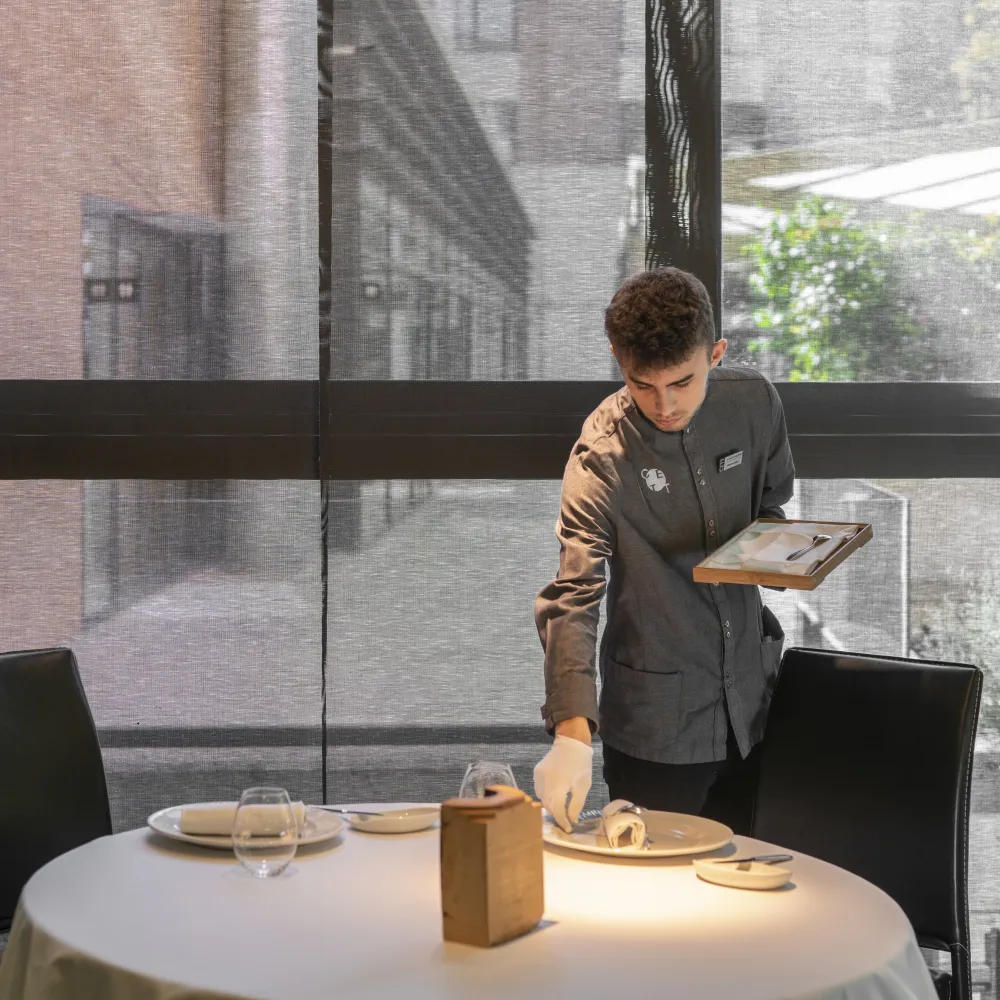
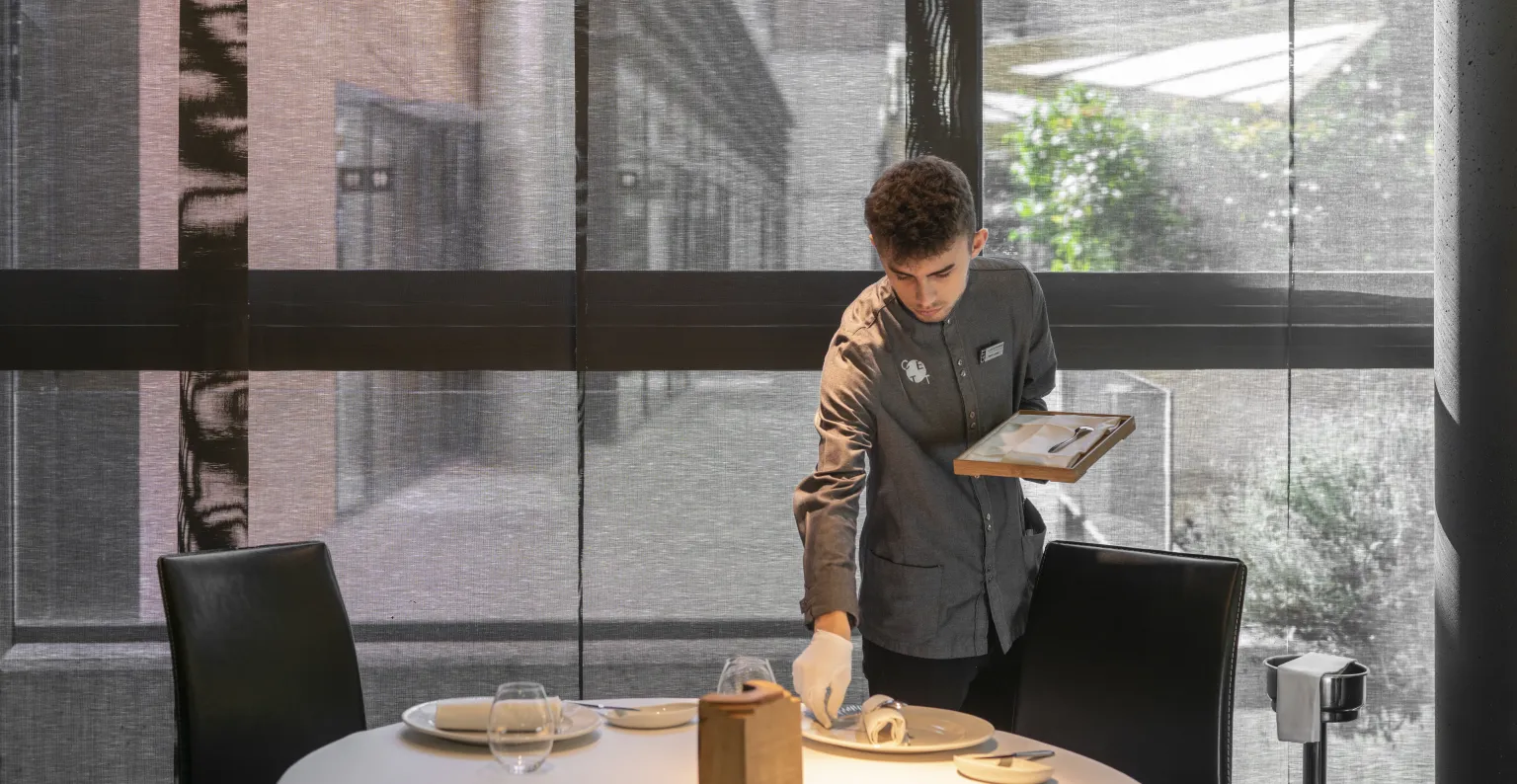
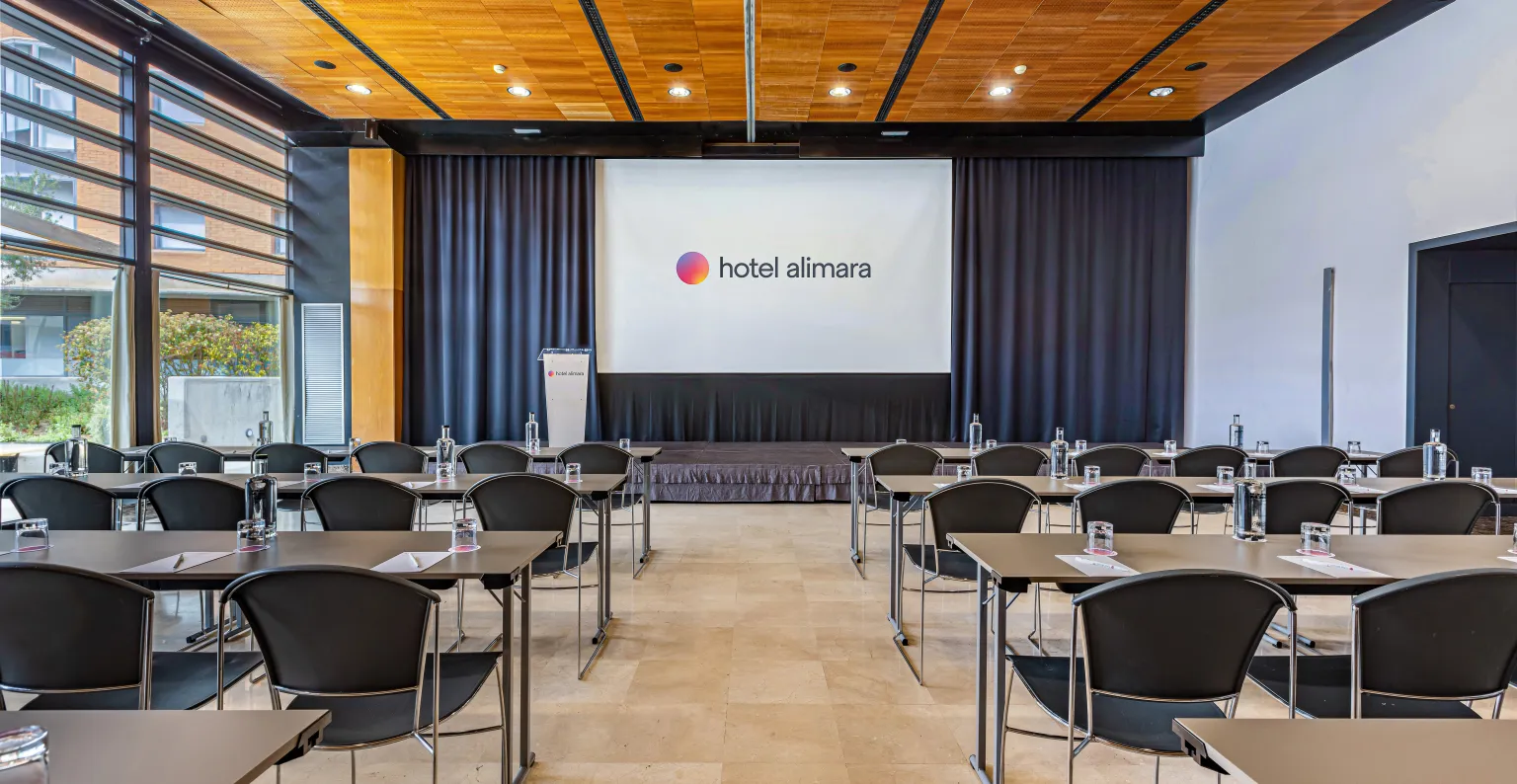
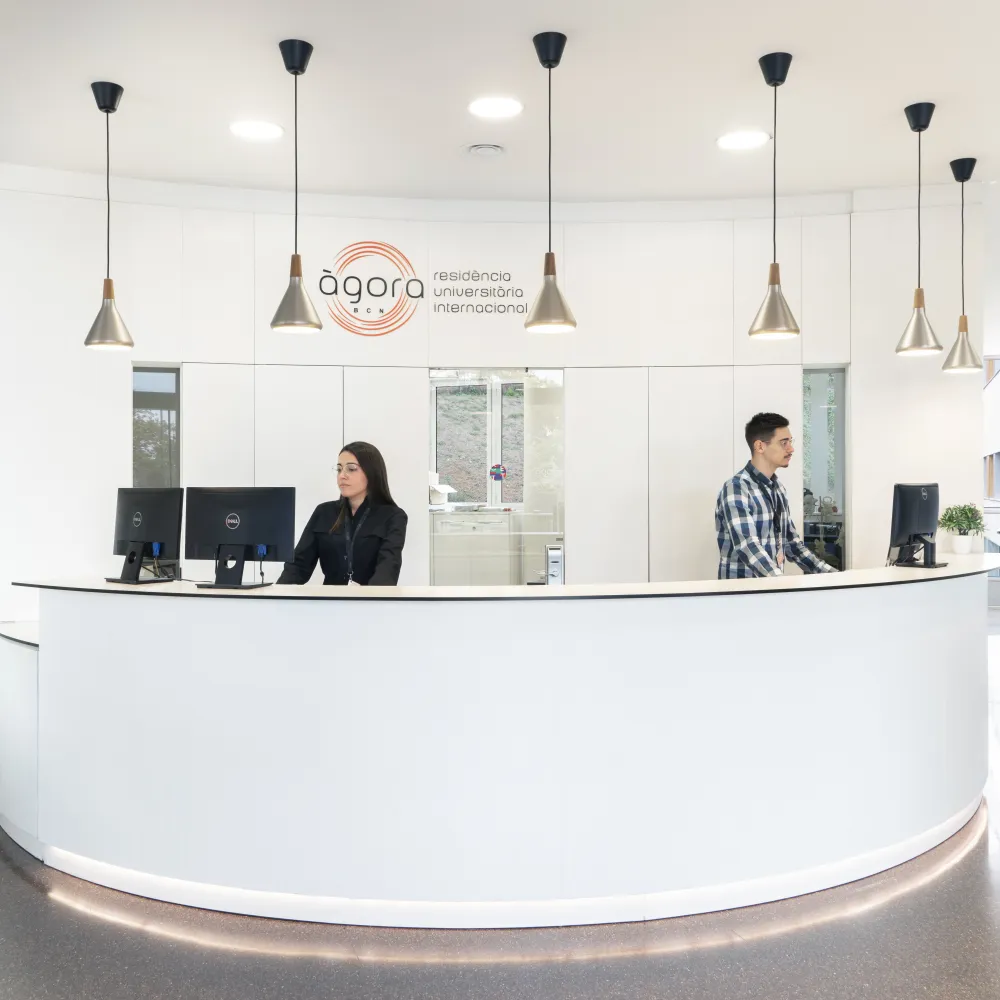
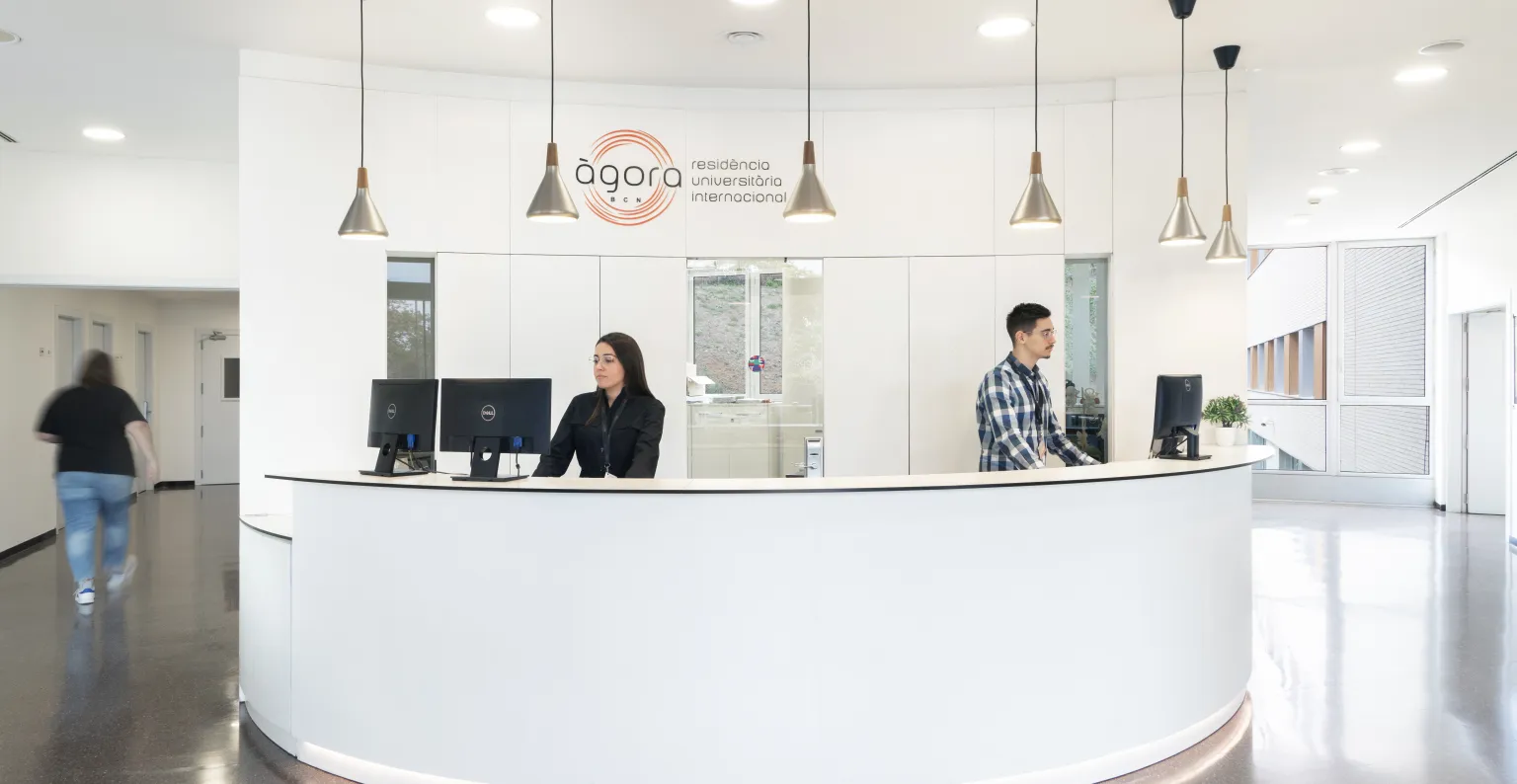
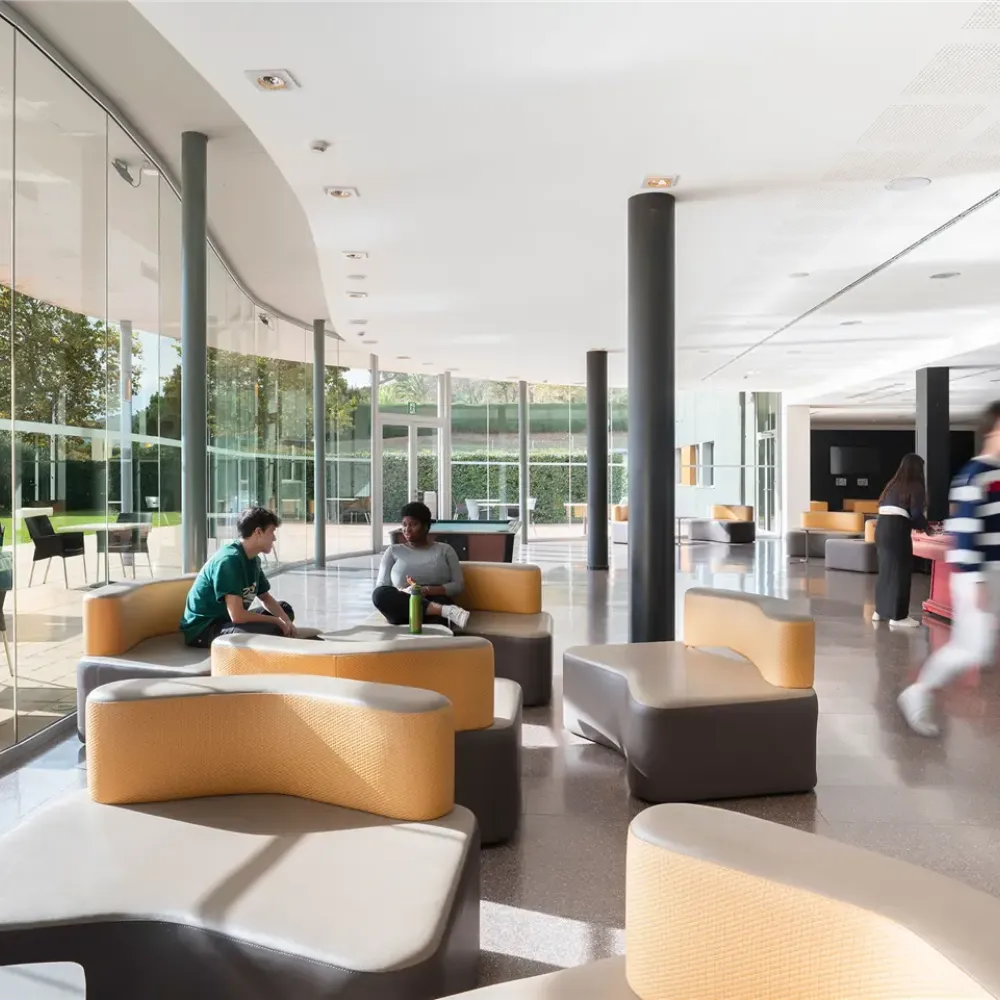
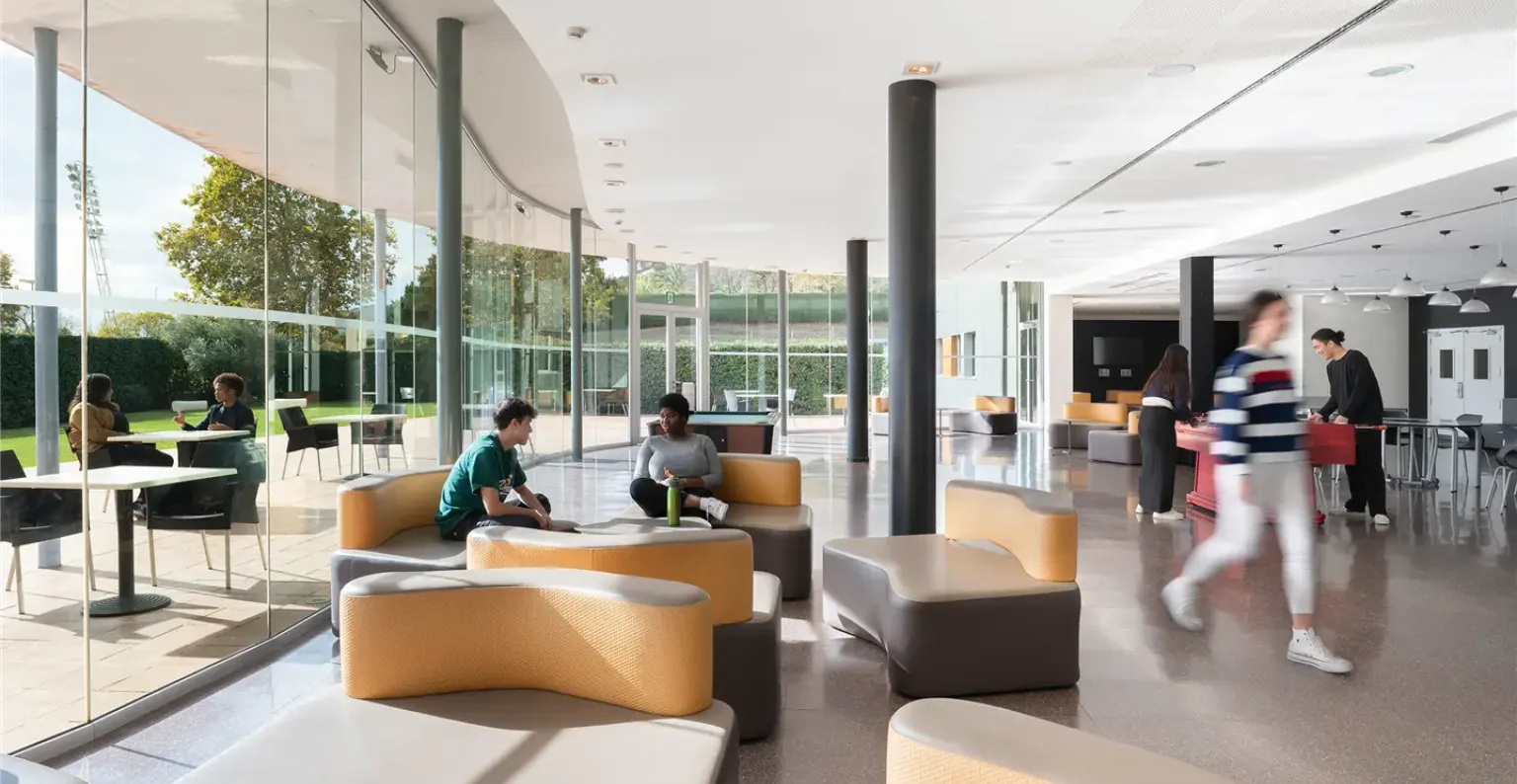
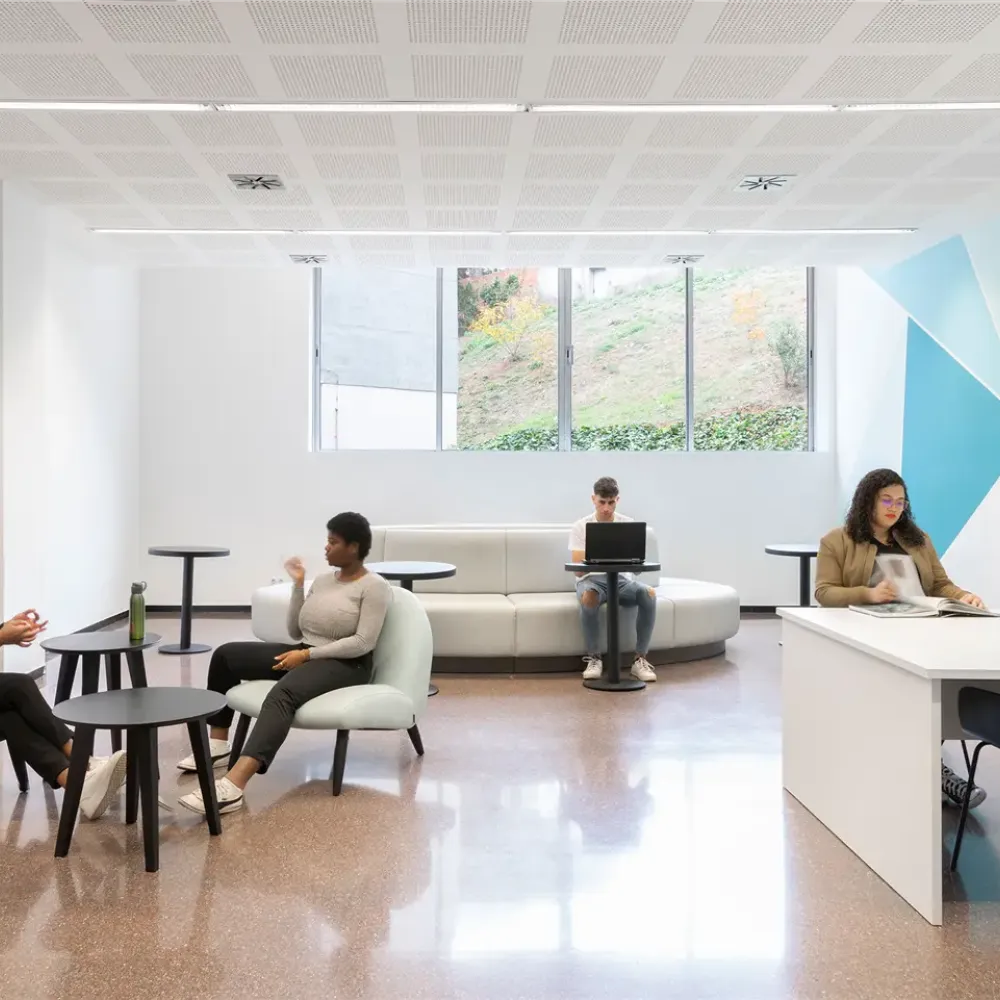
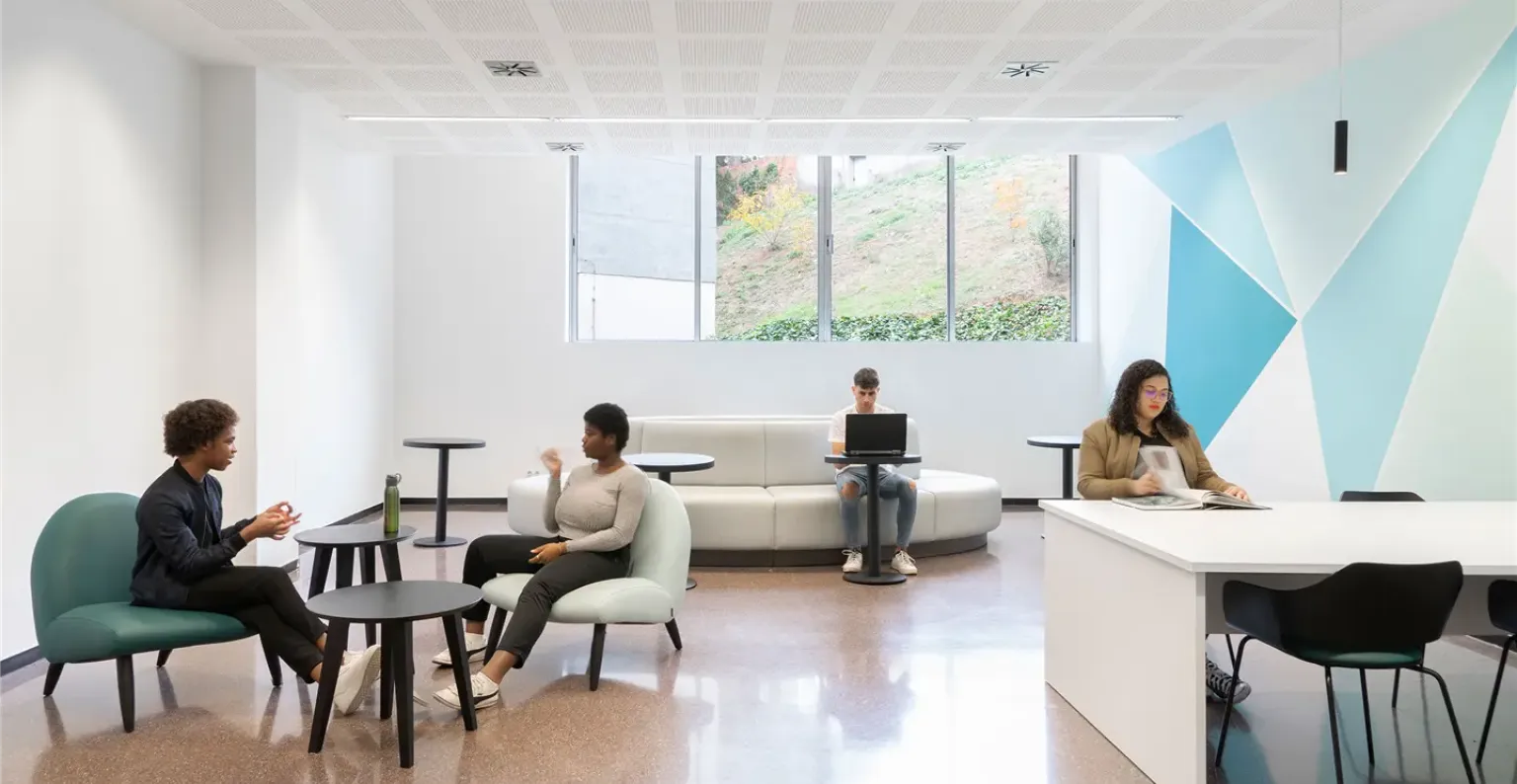
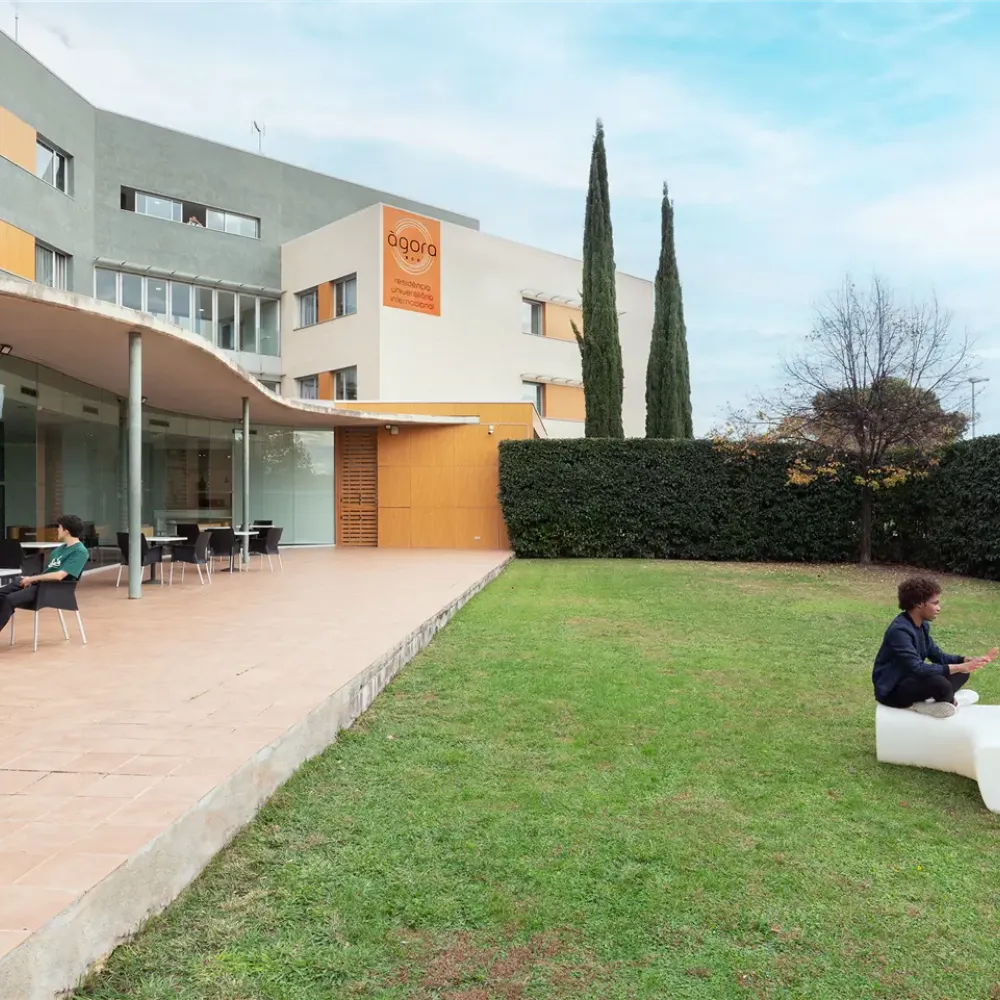
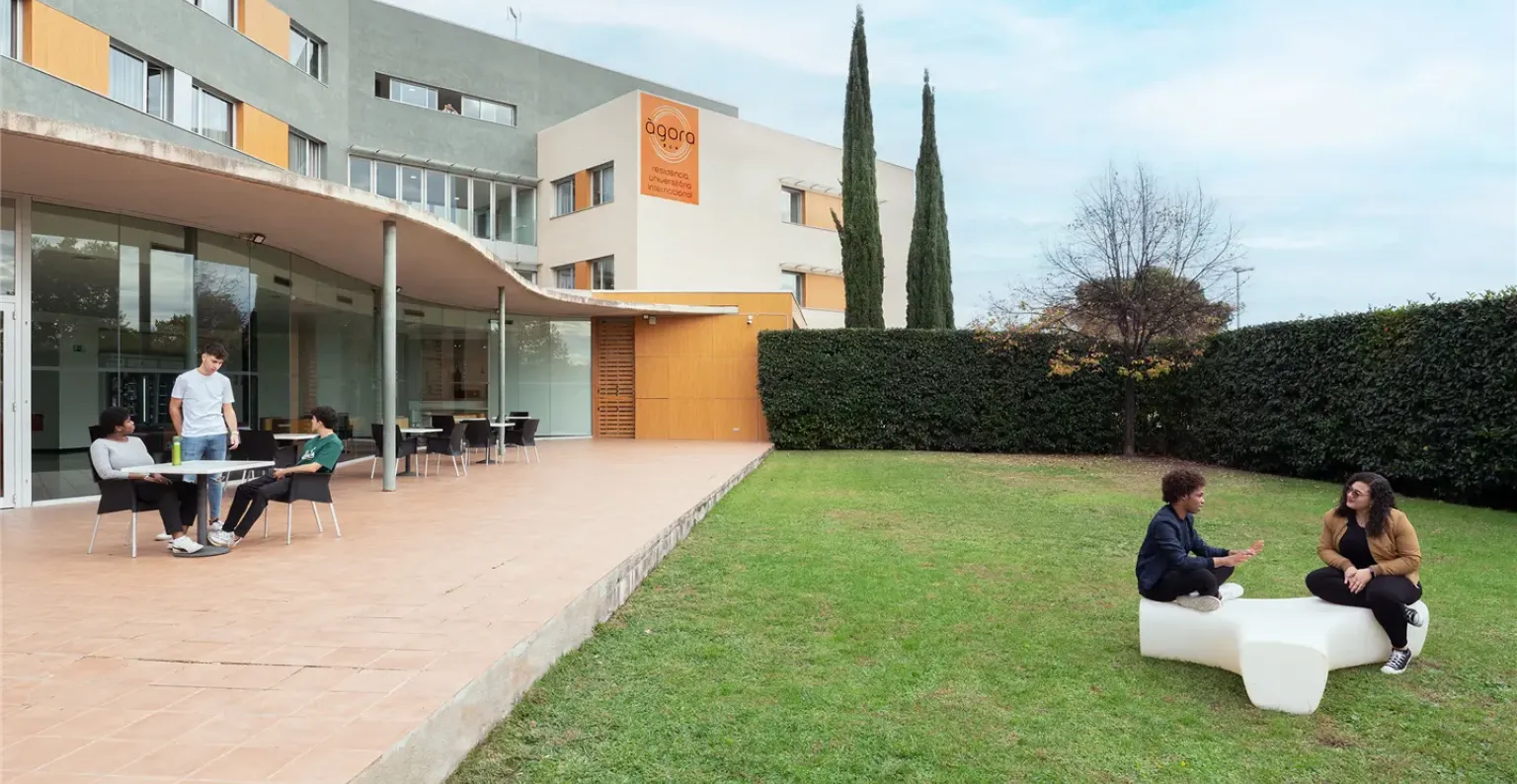
The CETT Campus has learning spaces that reflect the reality of the sector: such as the Hotel Universitario Alimara, the Aula Restaurant, Espai Fòrum and the Ágora BCN residence. You will be able to apply your knowledge in real work environments, connect with active professionals and develop innovative projects.
Campus CETT
Training Center
Building
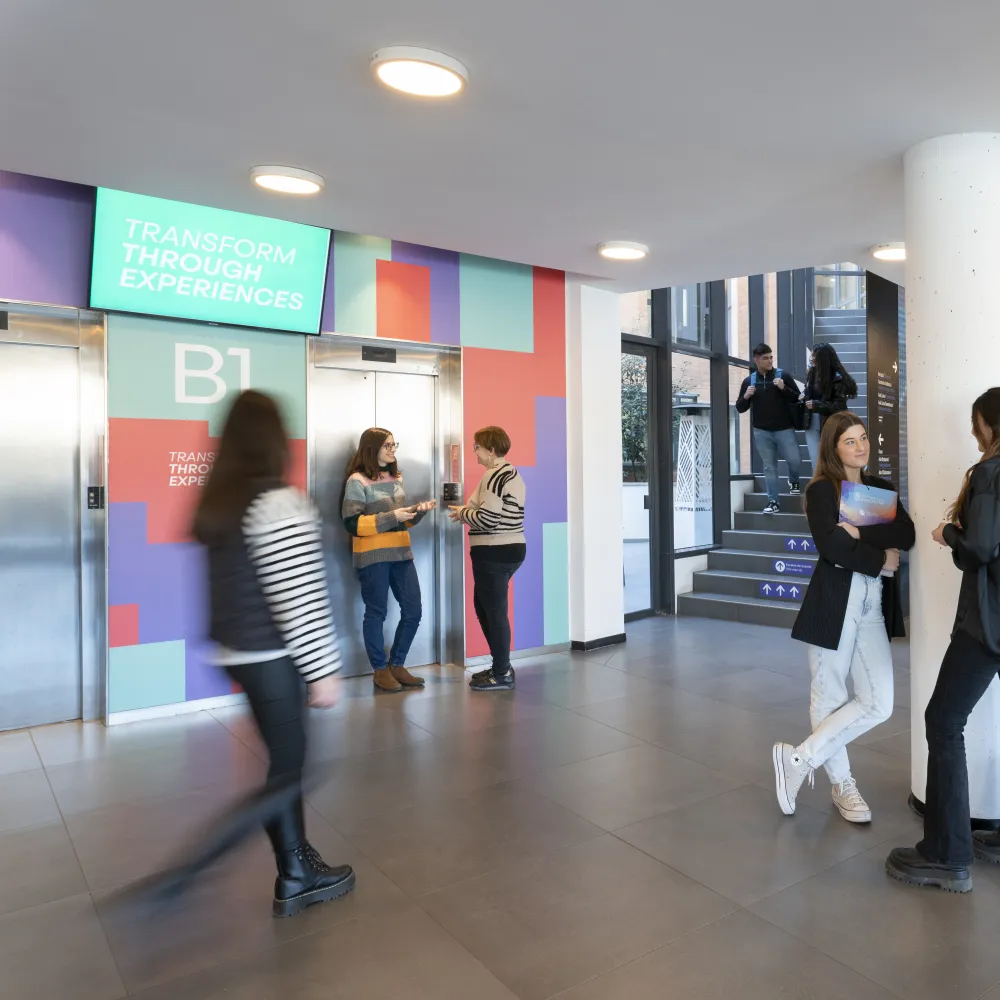
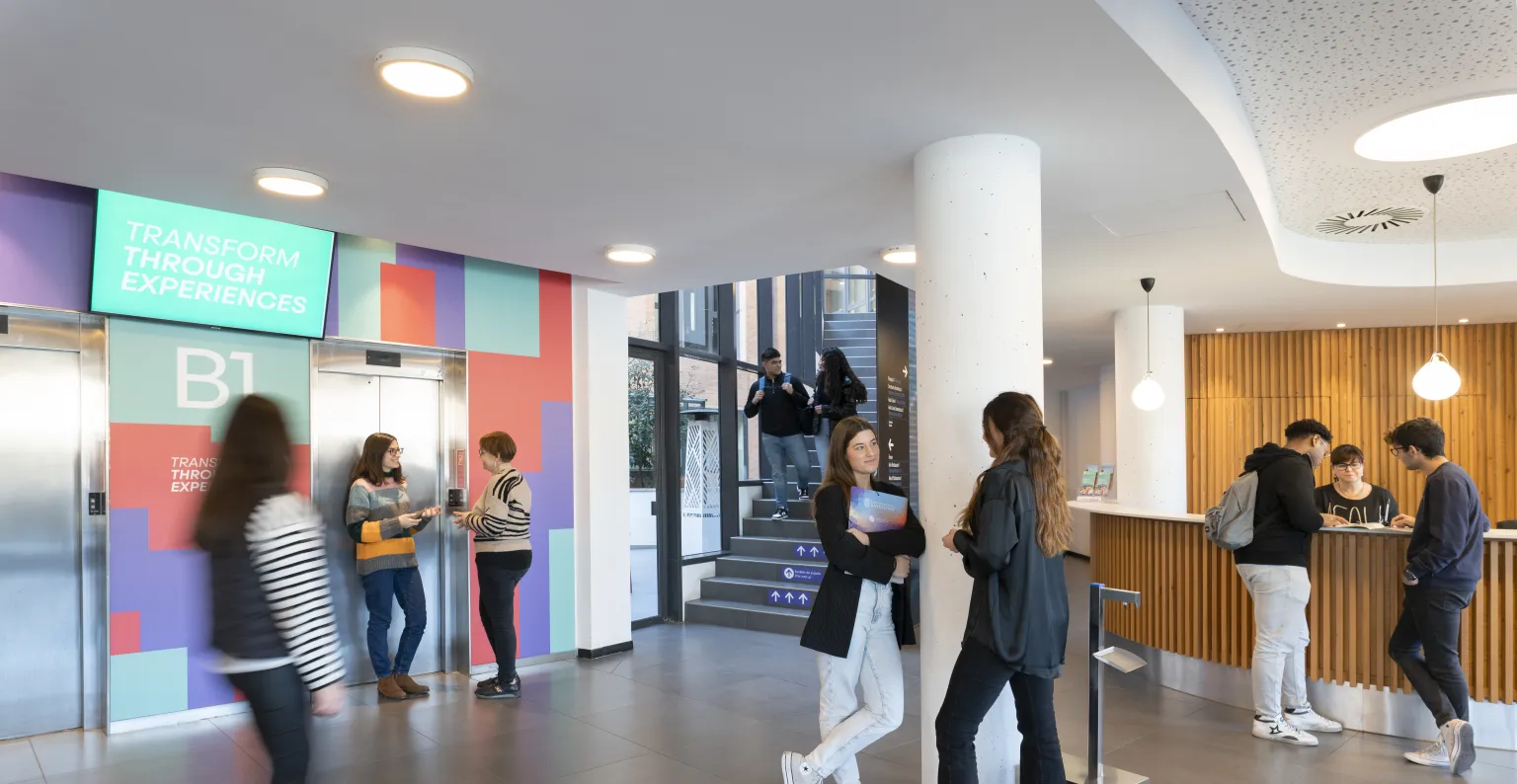
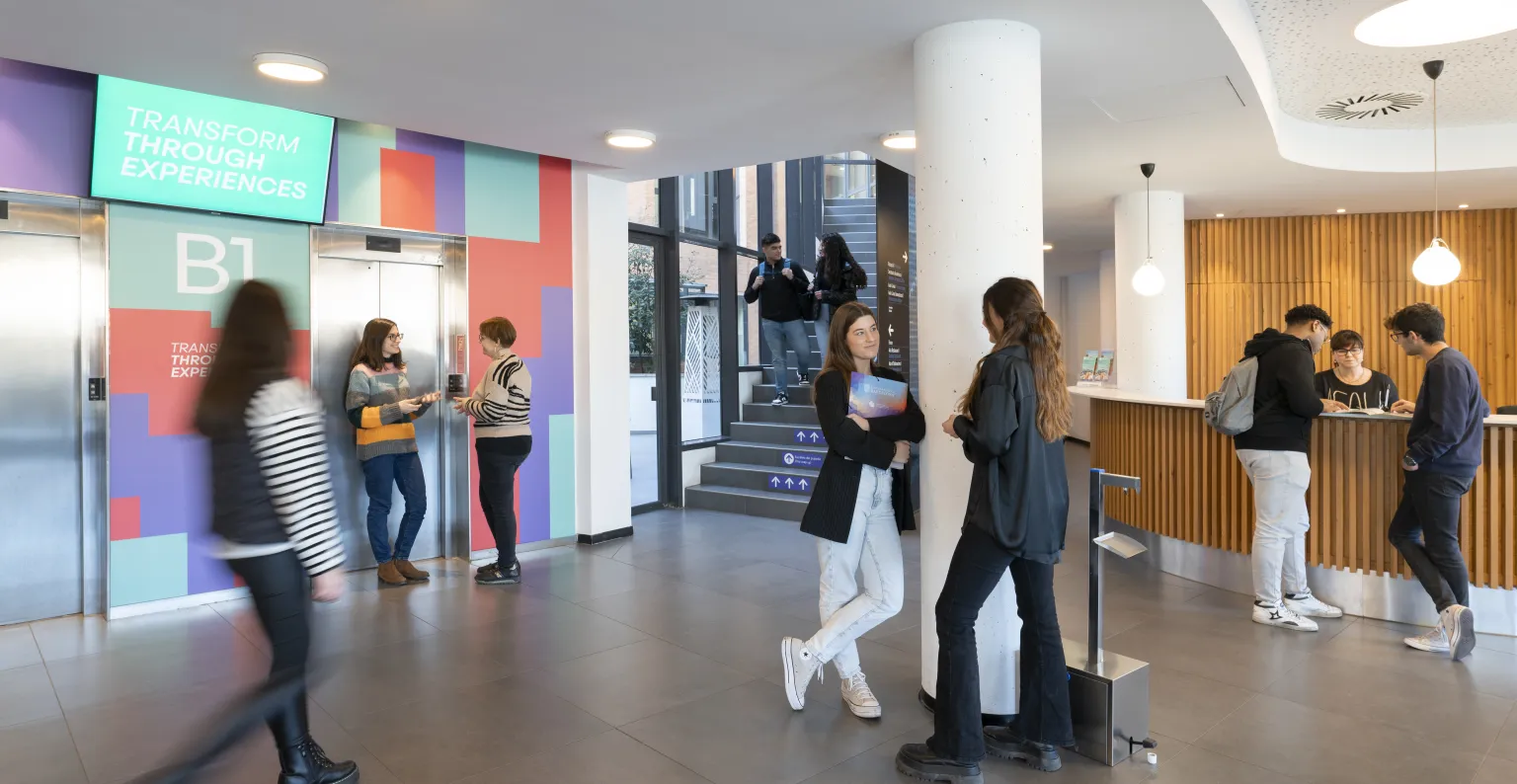
Reception
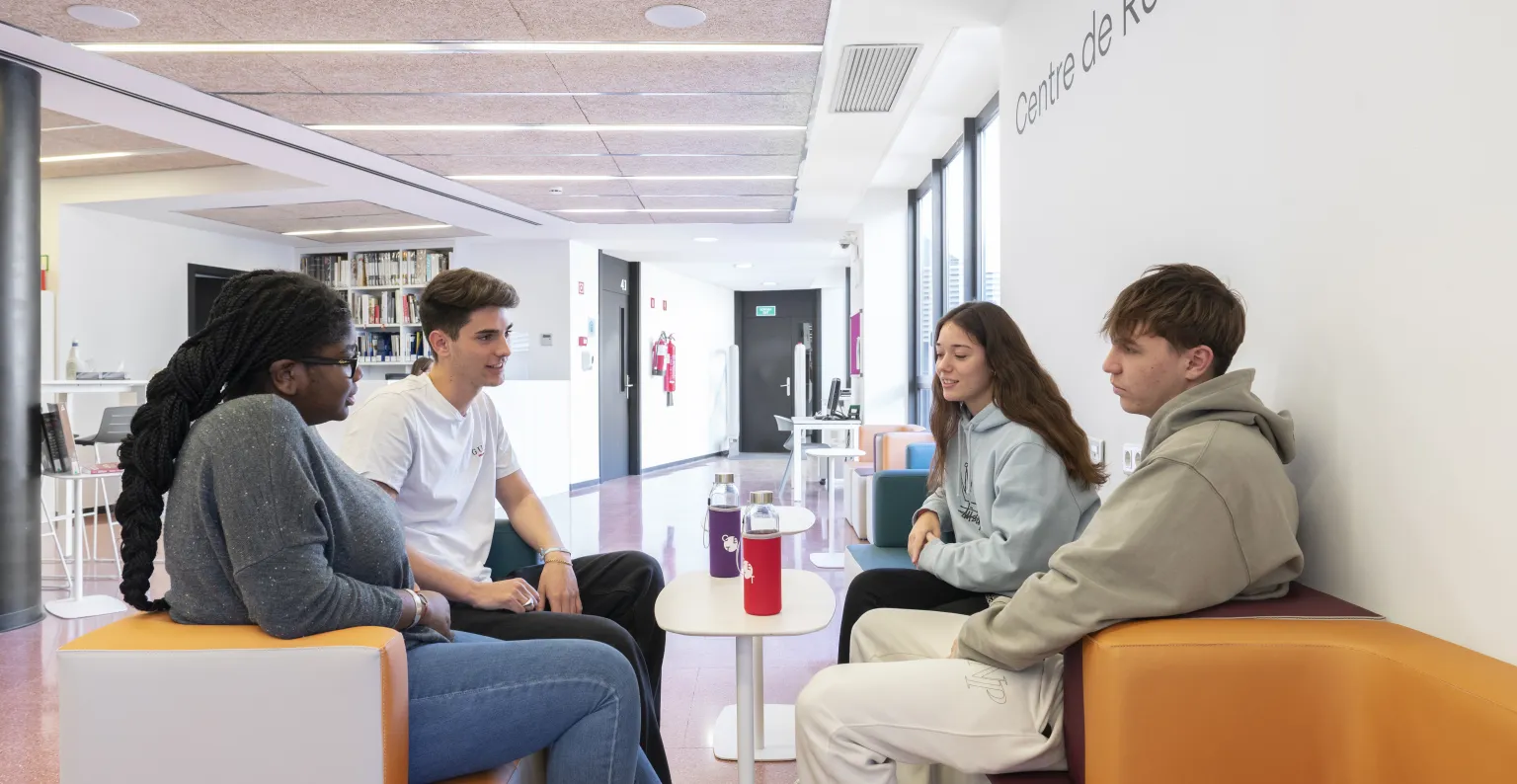
Resource center
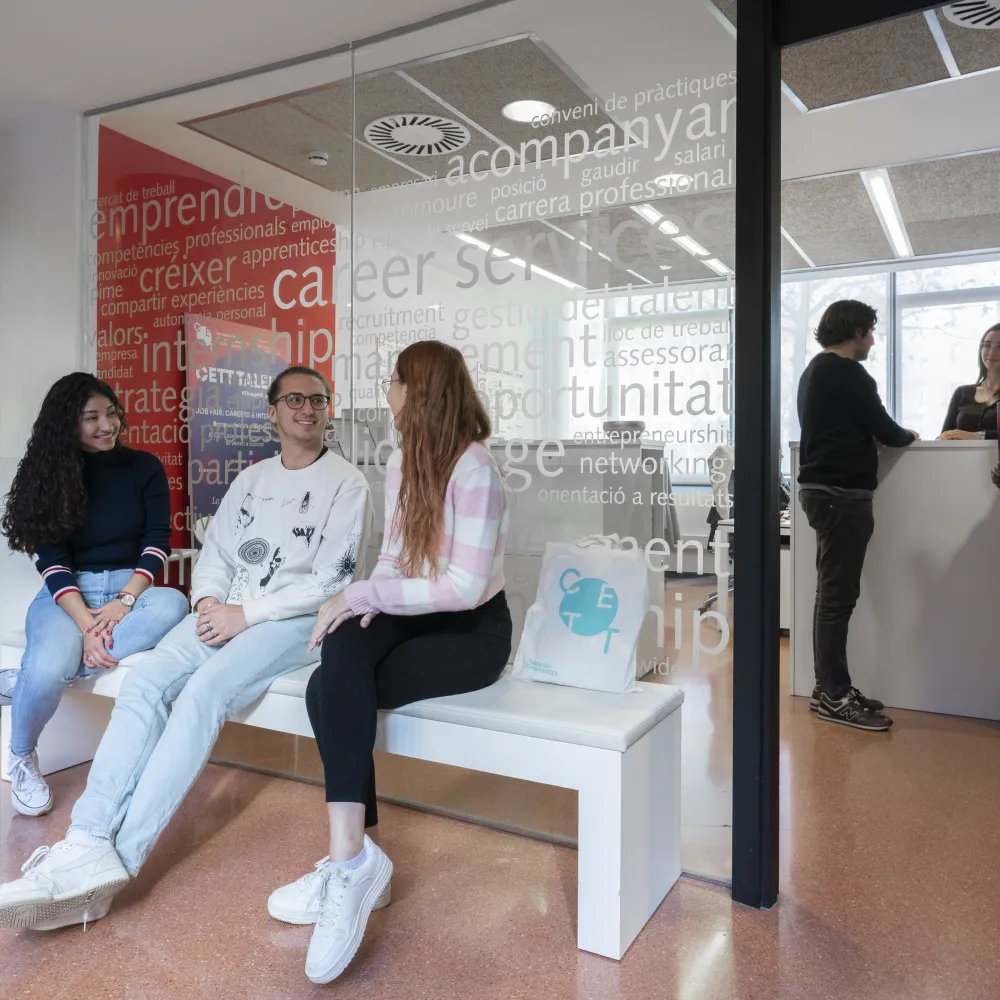
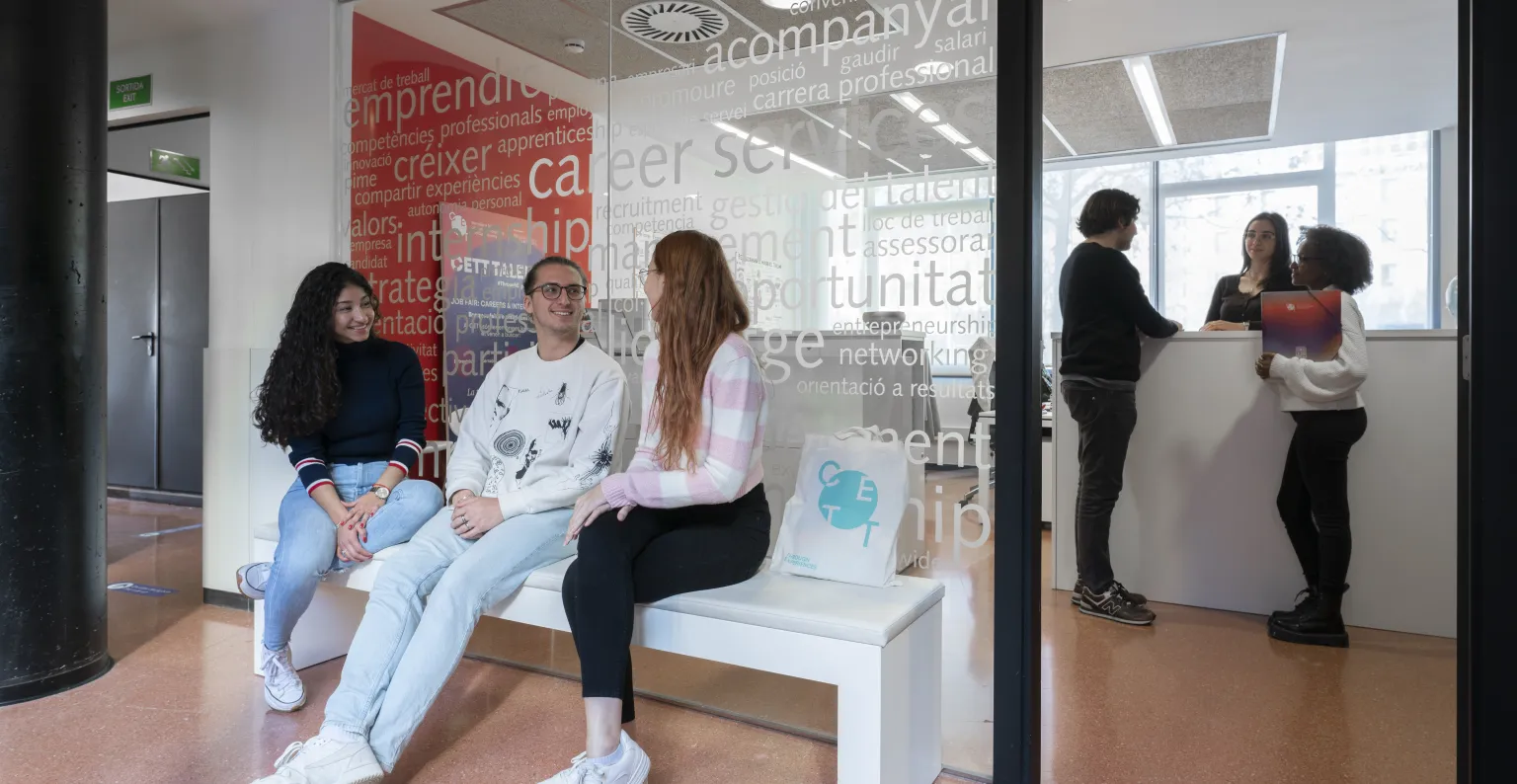
Career Services
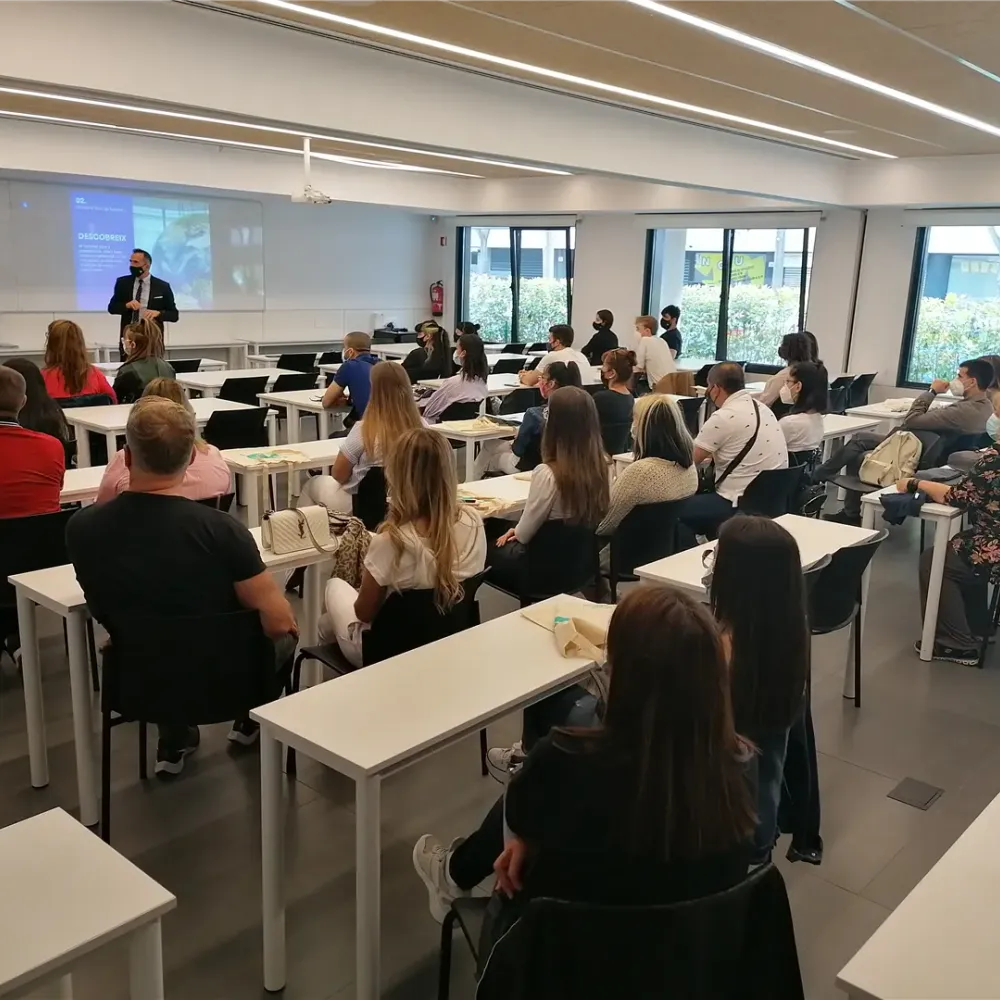
Theoretical teaching classrooms
Technical Classrooms
Pre-preparation Classroom
Cooking Workshop
Techno-Culinary Classroom
Research and Innovation Space
Demonstration Kitchen Classroom
UB-Bullipedia Space
Sommeliers Classrooms
Reception Classroom
Computer Classrooms
Applied Technology Classrooms
Restaurant Classroom
Forum Space
Kitchen Classroom
Alimara University Hotel
Reception
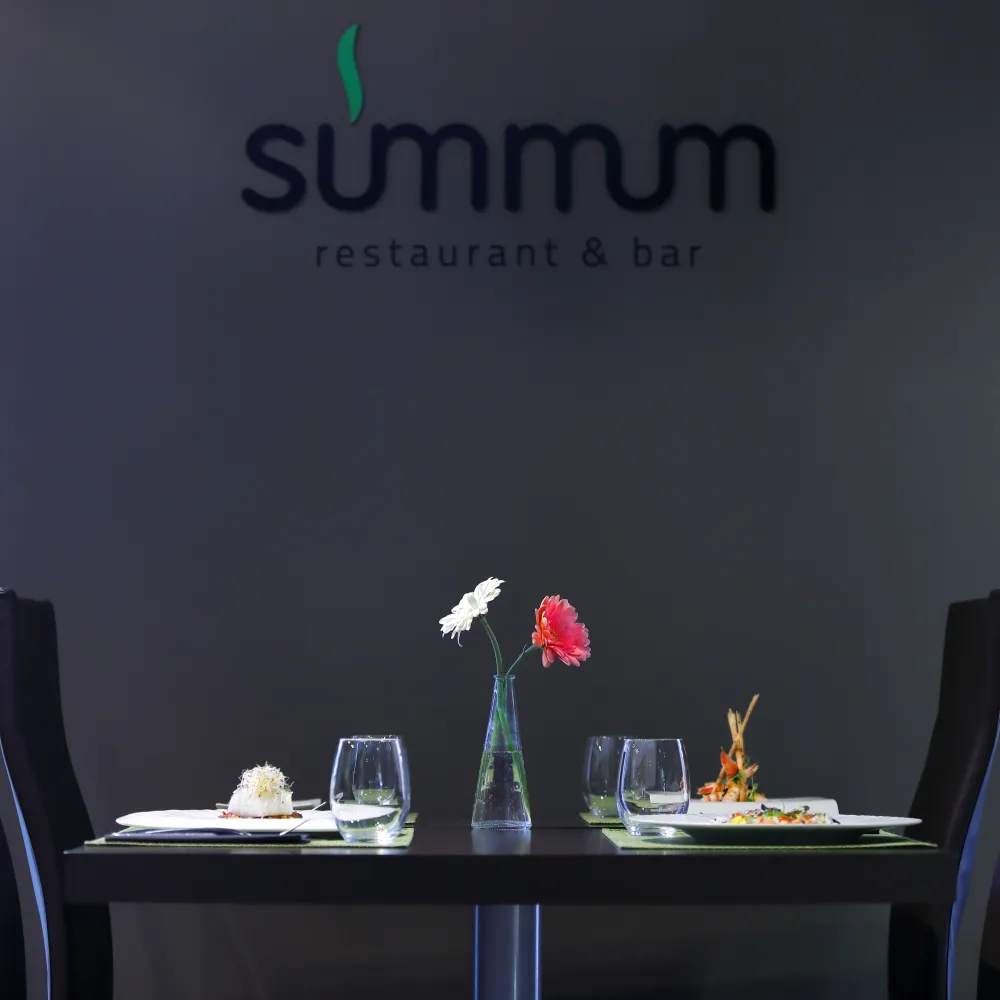
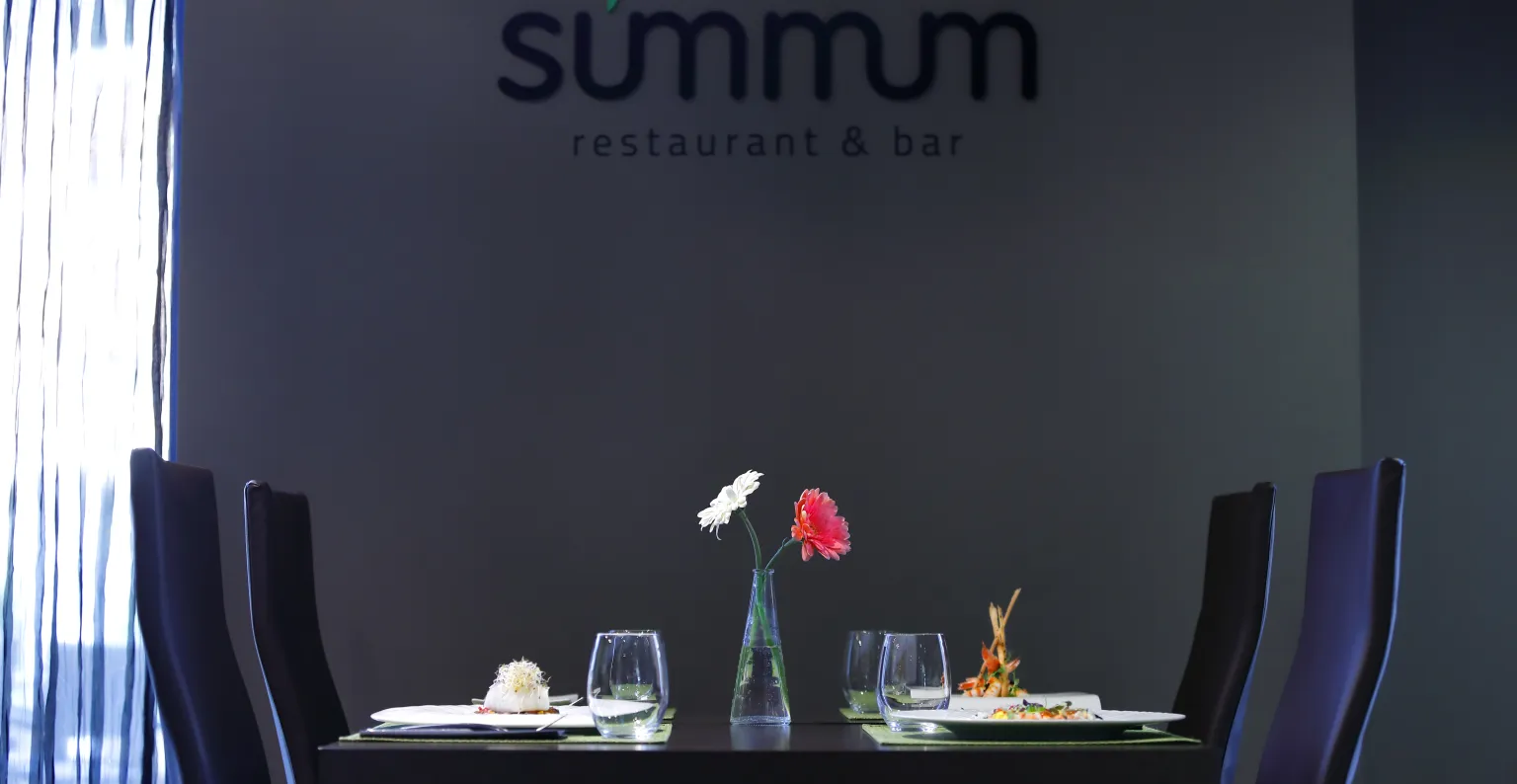
Summum Restaurant
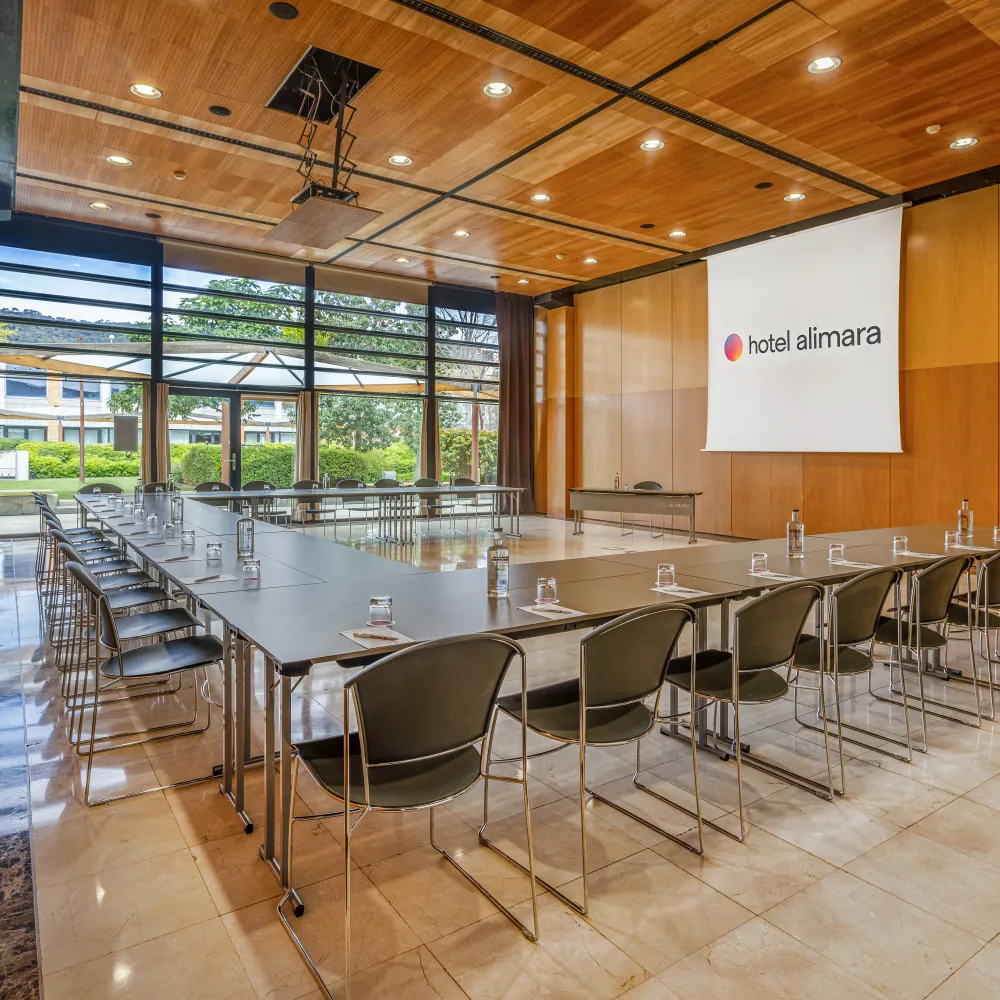
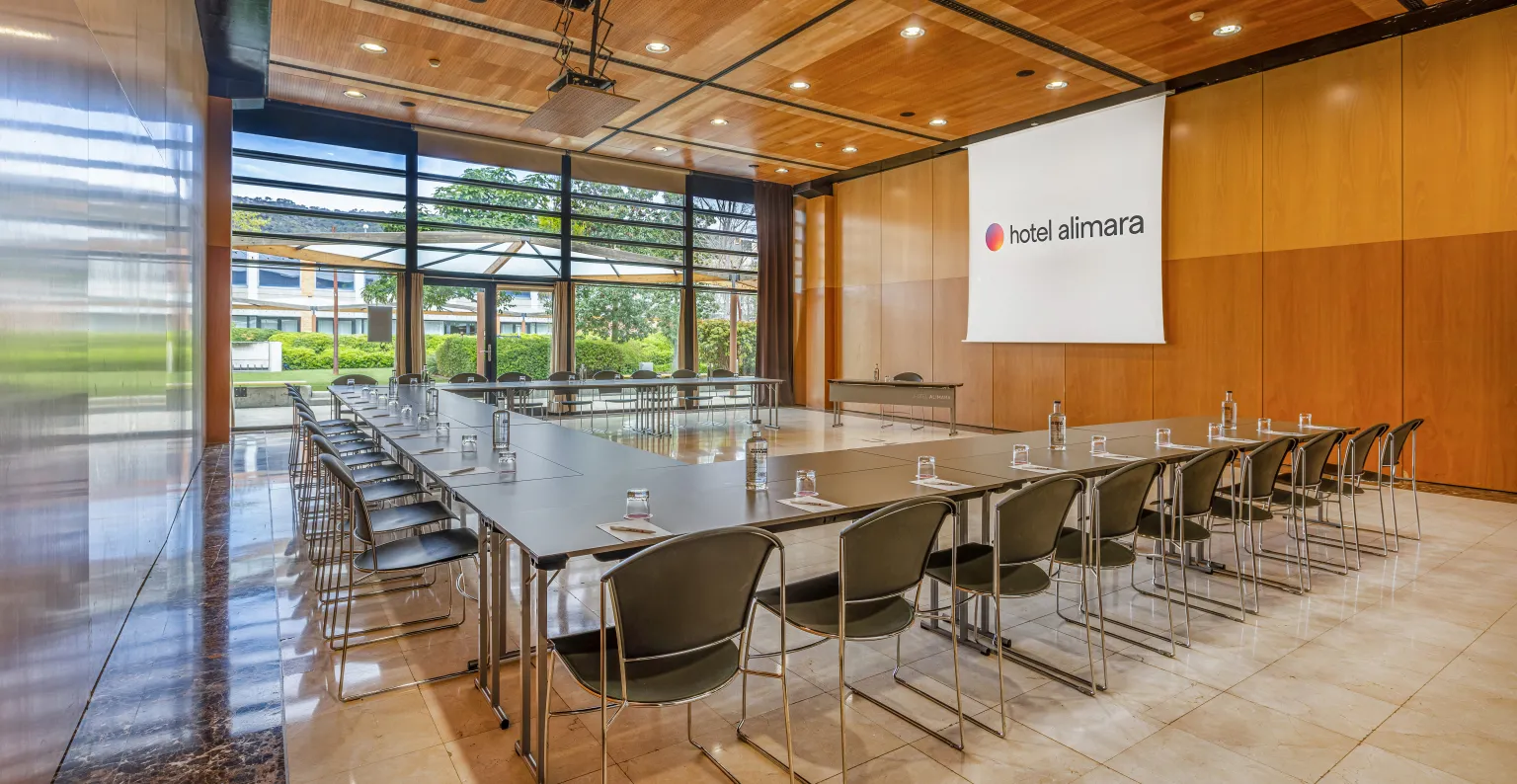
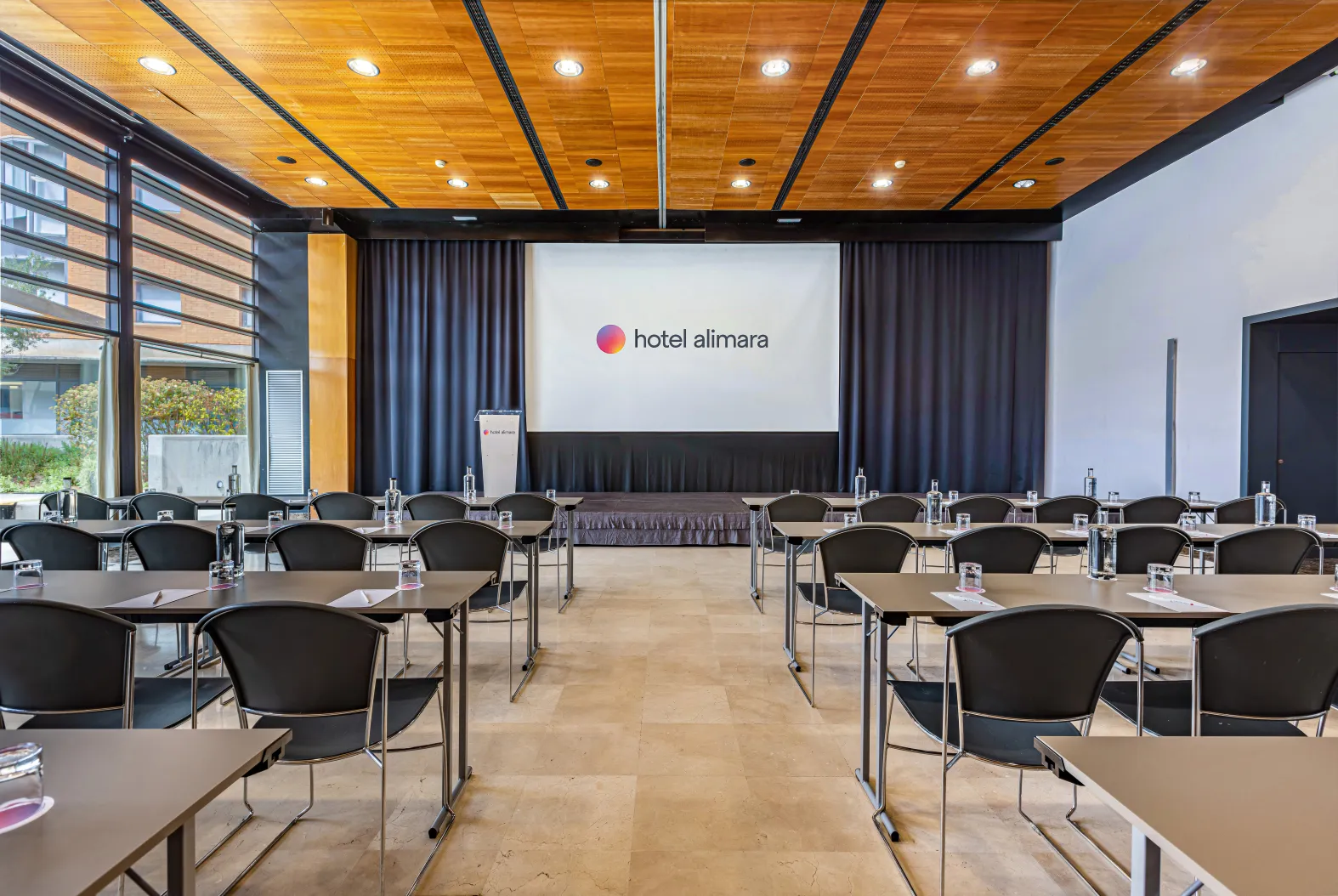
Event Rooms
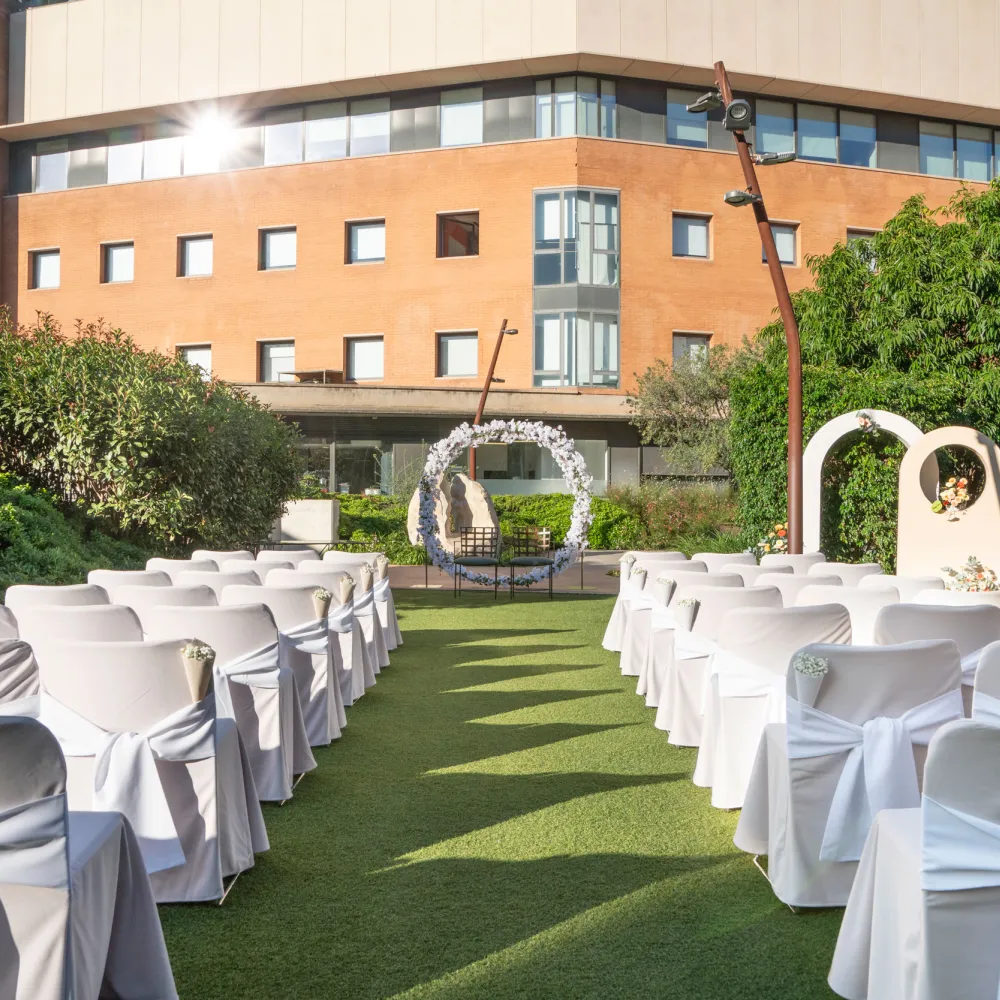
Garden
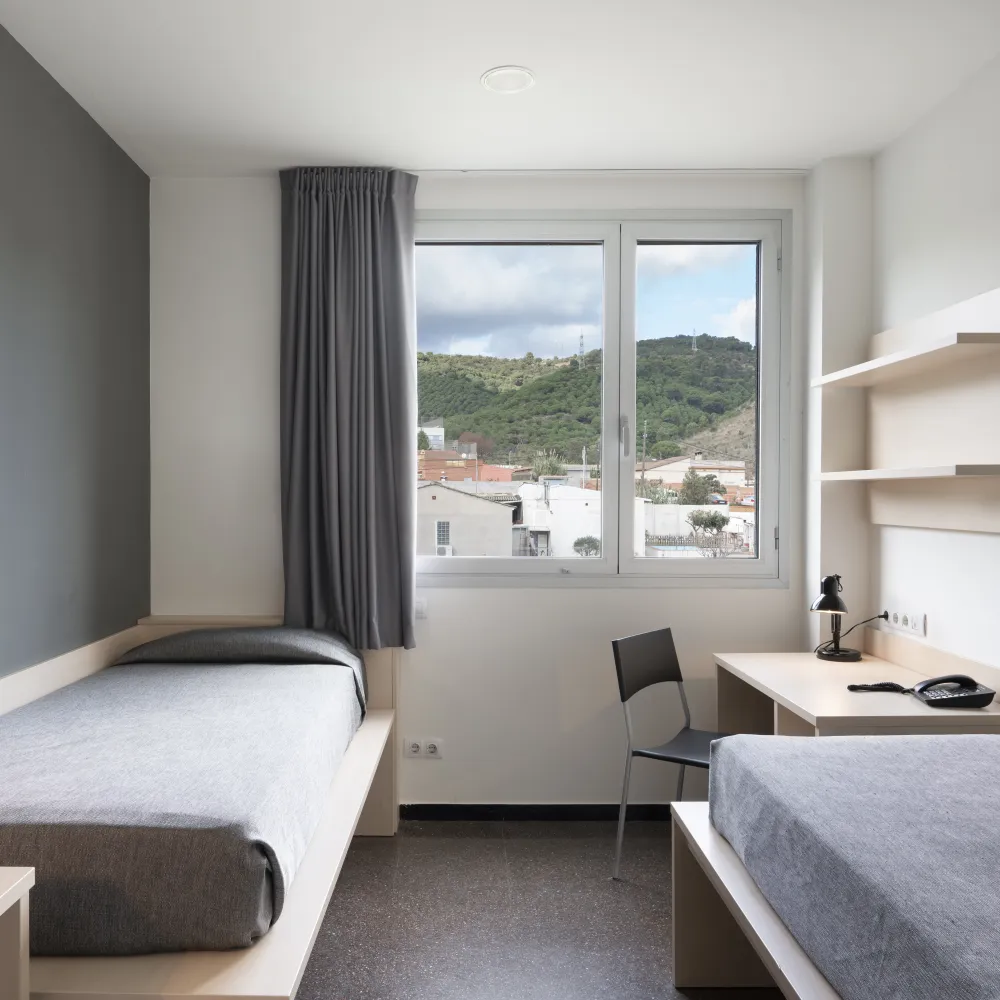
Rooms
Àgora BCN University Residence
Reception
Rooms
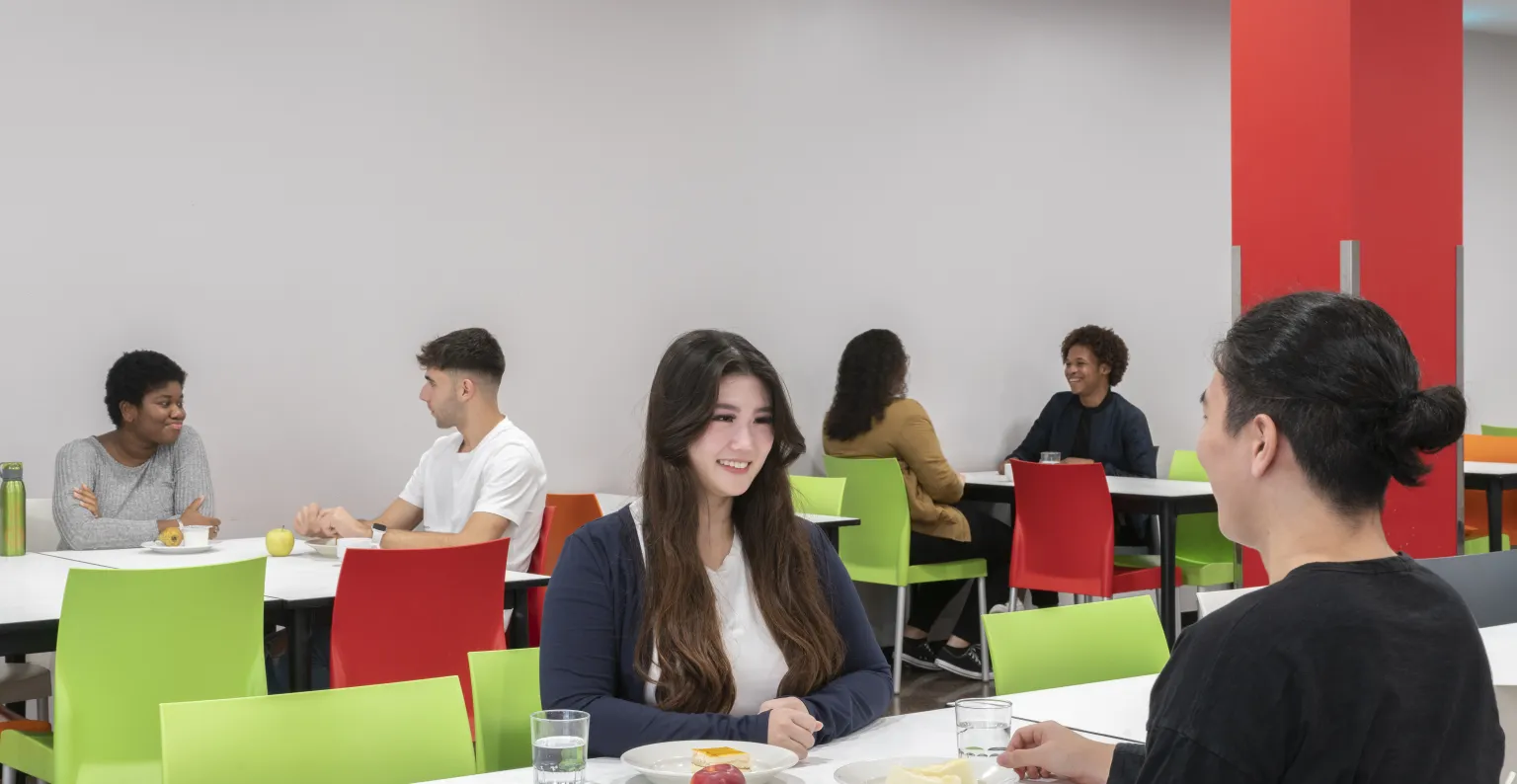
Dining Room
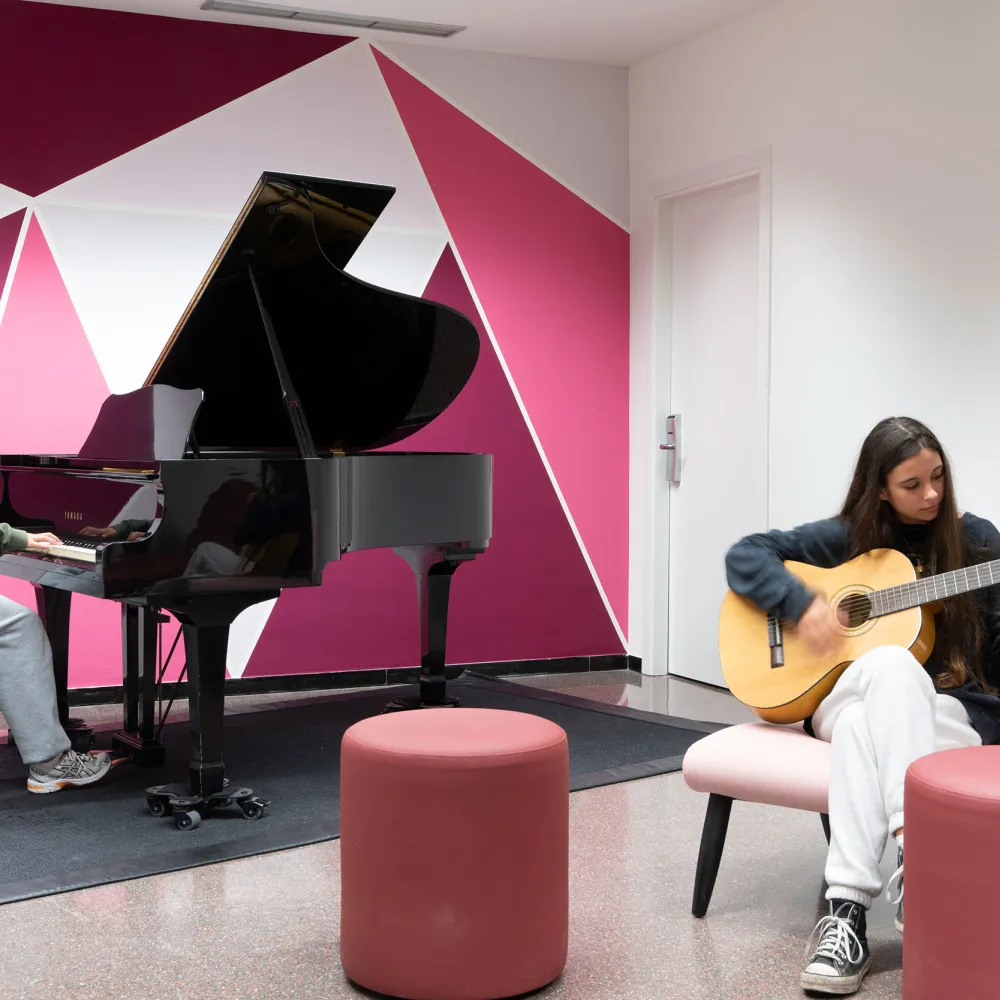
Leisure Room
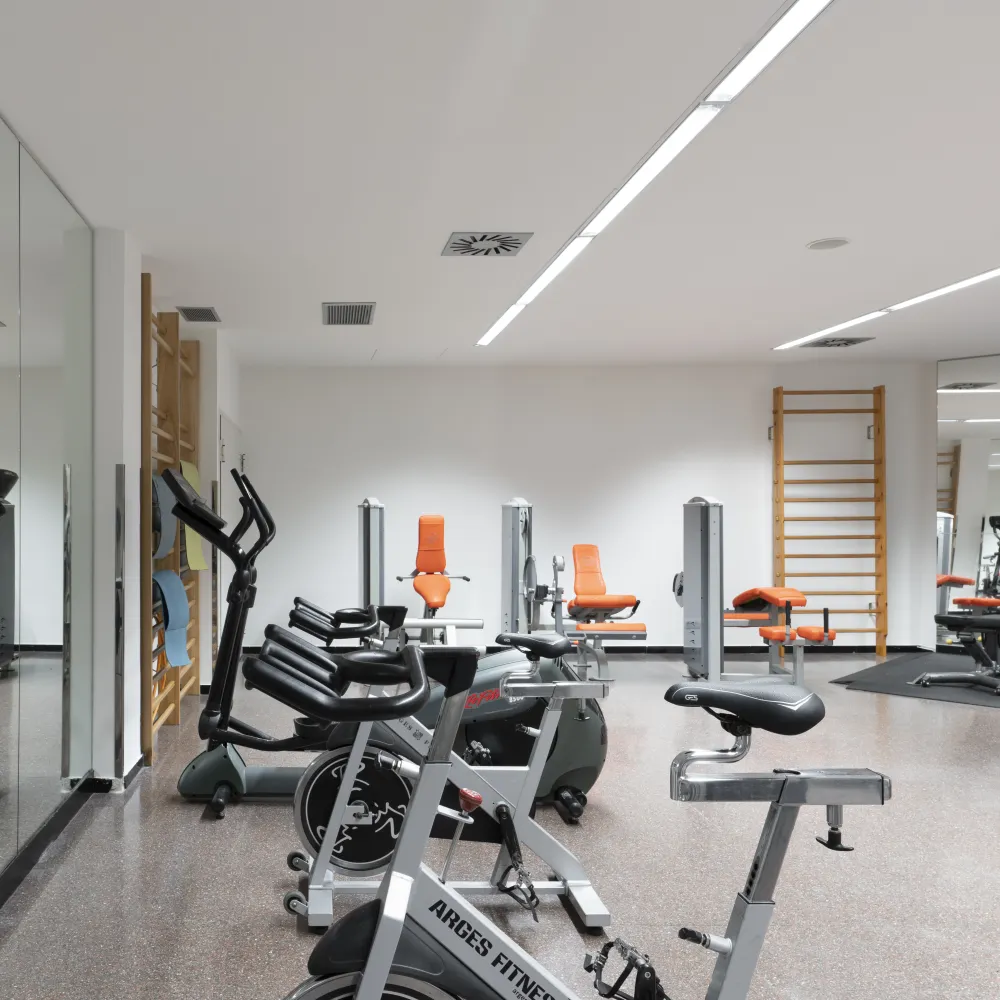
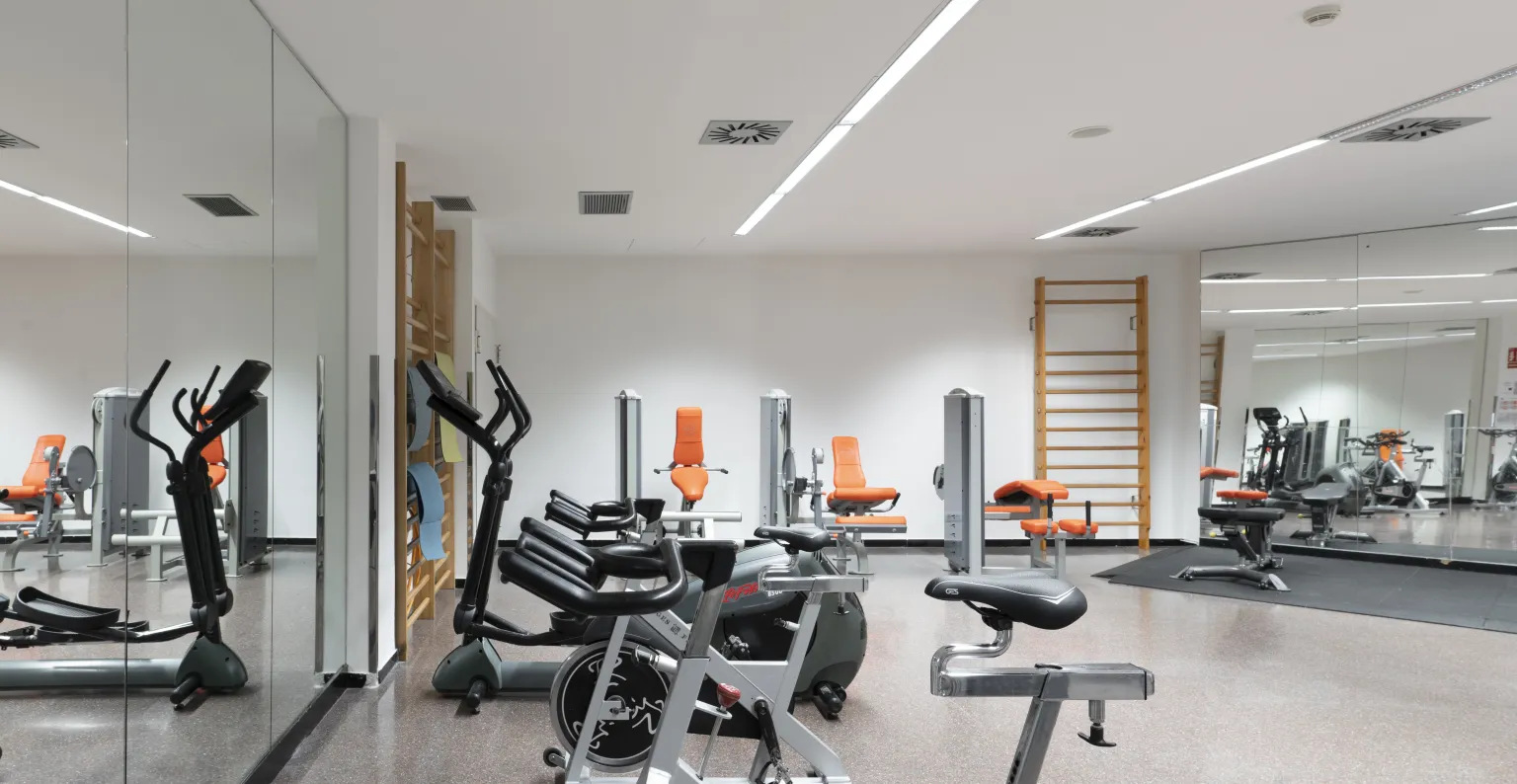
Gym
Activity Rooms
Garden
Training Center
Building
Reception
Resource center
Career Services
Theoretical teaching classrooms
Technical Classrooms
Pre-preparation Classroom
Cooking Workshop
Techno-Culinary Classroom
Research and Innovation Space
Demonstration Kitchen Classroom
UB-Bullipedia Space
Sommeliers Classrooms
Reception Classroom
Computer Classrooms
Applied Technology Classrooms
Restaurant Classroom
Forum Space
Kitchen Classroom
Alimara University Hotel
Reception
Summum Restaurant
Event Rooms
Garden
Rooms
Àgora BCN University Residence
Reception
Rooms
Dining Room
Leisure Room
Gym
Activity Rooms
Garden
Gastronomy, food and food industry
The study plan of the Bachelor's Degree in Culinary and Gastronomic Sciences prepares you to master both the knowledge and practical skills you need in the world of gastronomy.
Each subject, project and experience is designed to meet the current challenges of the industry, combining creativity, management and food science.
Degree objectives
- Train professionals with knowledge in culinary and gastronomic sciences, enabling them to understand and approach the culinary and gastronomic phenomenon from scientific, technological, social, cultural, and business management perspectives.
- Provide the necessary skills to innovate, design, produce, and manage services in the fields of food, gastronomy, haute cuisine, commercial and collective catering, and the food industry.
- Carry out research and development projects in the field of culinary and gastronomic sciences.
- Empower students by developing both personal and professional competencies: active learning and growth mindset, emotional intelligence, leadership, communication, decision-making and complex problem-solving, creativity and innovation, original solutions for new concepts, critical thinking, analytical and systemic reasoning, collaborative mindset, resilience, self-reflection, stress tolerance, flexibility, etc.
Competencies you will acquire
- Acquire scientific methodology in basic aspects of culinary products and processes.
- Understand the composition of food (chemical, physical, and biological), as well as its modifications and alterations.
- Be able to identify products (origin, characteristics, and gastronomic value).
- Understand ingredients, their properties, processes, techniques, and trends.
- Learn the fundamentals of the main processes involved in the transformation and preparation of food.
- Study the relationships between nutrition and health.

- Understand the physiological processes involved in the sensory perception of food.
- Develop economic and financial management skills for culinary and gastronomic projects in culinary spaces
- Receive training in marketing and commercialization.
- Possess gastronomic culture (historical, social, geographical, and anthropological).
- Foster respect for traditional gastronomic culture.
- Obtain a global vision of the gastronomic process.
- Lead and integrate multidisciplinary teams.
- Possess consumer ethics.
The main thematic blocks of the Degree in Culinary Sciences and Gastronomy are:
Culinary Technique and Technology
To train for the gastronomy of the future, you must master both traditional techniques and technological innovations. Gain in-depth knowledge of high-quality raw materials, master both traditional and avant-garde techniques, and apply emerging technologies to create innovative gastronomic experiences adapted to today’s challenges. Through a creative and scientific approach, learn to use next-generation tools and devices — such as artificial intelligence — to optimize processes, personalize offerings, and create surprising flavors, textures, and presentations.
The program also integrates a critical and responsible perspective: the development of dishes and products is carried out with respect for culture, territory, and culinary heritage, while also considering economic viability, environmental impact, and a firm commitment to sustainability. Apply creativity and efficiency to meet the needs of a constantly evolving sector.
Applied scientific knowledge
Applying science to understand food and create innovative, healthy, and sustainable proposals is essential in today’s gastronomy. Gain a solid foundation in food chemistry, with in-depth knowledge of animal and plant-based products, their composition, properties, and culinary applications. Learn to identify and analyze the main reactions that occur during food preparation and understand how they influence the sensory, technological, and nutritional quality of the final product.
Master scientific language and develop a critical perspective to connect chemical processes with sensory experiences, enhancing flavors, textures, and aromas. This scientific approach, combined with culinary practice, allows you to create proposals adapted to the needs of the sector and society, positioning you as a professional capable of innovating with health, efficiency, and responsibility criteria.
Business management
Build a solid foundation in economics and management to understand how markets and the global economic environment function. Starting from micro- and macroeconomic fundamentals, learn to analyze variables such as supply and demand, market equilibrium, GDP, or inflation, and interpret how globalization and the sector’s evolution influence strategic decisions in gastronomy. This perspective enables you to make informed, sustainable business decisions adapted to a changing context.
Deepen your knowledge of gastronomic business management through a practical, action-oriented, and entrepreneurial approach. Develop skills in budget planning, performance analysis, logistics and resource management, as well as in the creation of innovative business models. Design services and business strategies to lead competitive projects in the restaurant industry, hospitality, agri-food industry, and related sectors, with a managerial, creative, and forward-looking vision.
Personal and professional empowerment
Your personal and professional development is key to facing a constantly changing work environment with confidence. Through social and communication skills, you work on leadership, teamwork and autonomy, while fostering a proactive, responsible and resolute attitude. The objective is to prepare you to adapt to the challenges of the gastronomic sector with confidence and commitment.
Using active methodologies such as challenge-based learning, problem solving and critical thinking, you apply your knowledge to real situations. This approach allows you to develop key skills, manage difficulties with resilience and consolidate an open mind, capable of facing present and future challenges in the professional sphere.
Study plan
The degree is structured into four years, each worth 60 ECTS credits, comprised of compulsory and optional subjects. The subjects are shared in the first two years, and starting in the third year, you can choose several electives within each specialty.
First course
| Code | Subjects | Type | Credits |
|---|---|---|---|
| 181101 | History of cooking and gastronomy | BT | 6 |
| 181102 | Principles of physiology and biochemistry | BT | 6 |
| 181103 | Food chemistry | BT | 6 |
| 181104 | Tourism, gastronomy and communication | BT | 6 |
| 181105 | Anthropology and psychology of food and gastronomy | BT | 6 |
| 181106 | Fundamentals of economic and financial management | BT | 6 |
| 181207 | Production systems and processes in cooking | MAND | 6 |
| 181208 | Culinary techniques and preparations | MAND | 6 |
| 181209 | Principles of nutrition and dietetics | MAND | 3 |
| 181210 | Applied economics and sustainability | MAND | 3 |
| 181211 | Physical and physicochemical bases of culinary products and processes | MAND | 6 |
Second course
| Code | Subjects | Type | Credits |
|---|---|---|---|
| 182109 | Art and cuisine | BT | 6 |
| 182108 | Marketing and commercialization | BT | 6 |
| 182110 | Animal products: processed and unprocessed | BT | 6 |
| 182107 | Products of plant origin: processed and unprocessed | BT | 6 |
| 182111 | Mediterranean cooking and world cuisines | BT | 6 |
| 182214 | Desserts cooking: techniques and formulas | MAND | 6 |
| 182213 | Microbiology | MAND | 3 |
| 182216 | Agrosystems of the world | MAND | 3 |
| 182212 | Food safety and legislation | MAND | 3 |
| 182215 | Applied Technical English | MAND | 9 |
| 182300 | Introductory practices in gastronomy | MAND | 6 |
Third course
| Code | Mandatory subjects | Type | Credits |
| 183220 | Business and environmental legal framework | MAND | 3 |
| 183219 | Management and development of people and teams | MAND | 3 |
| 183218 | Traditional cooking from local to global | MAND | 6 |
| 183224 | Planning and design of culinary spaces | MAND | 3 |
| 183222 | Certified production and quality marks | MAND | 3 |
| 183221 | Fishing and gastronomy | MAND | 3 |
| 183225 | Food and health | MAND | 6 |
| 183217 | Culinary experimentation | MAND | 6 |
| Code | Subjects of mention in Culinary Innovation and Creativity | Type | Credits |
|---|---|---|---|
| 183223 | Beverages production and tasting | OPT | 6 |
| 183503 | Food production in commercial catering | OPT | 6 |
| 183502 | Restaurant service processes | OPT | 3 |
| 183451 | Culinary knowledge management | OPT | 3 |
| 183501 | Optimization of production circuits | OPT | 6 |
| 183504 | Introductory practice in haute cuisine | OPT | 6 |
| Code | Subjects of the mention in Culinary Research and Development | Type | Credits |
|---|---|---|---|
| 183223 | Beverages production and tasting | OPT | 6 |
| 183404 | Culinary preparations in communities and the food industry | OPT | 6 |
| 183401 | Logistics and supply chain | OPT | 3 |
| 183451 | Culinary knowledge management | OPT | 3 |
| 183402 | Culinary organization and operations management | OPT | 6 |
| 183403 | Introductory practice in the food industry | OPT | 6 |
| Code | Subjects of the mention in Collective Catering Management | Type | Credits |
| 183223 | Beverages production and tasting | OPT | 6 |
| 183404 | Culinary preparations in communities and the food industry | OPT | 6 |
| 183401 | Logistics and supply chain | OPT | 3 |
| 183451 | Culinary knowledge management | OPT | 3 |
| 183402 | Culinary organization and operations management | OPT | 6 |
| 183403 | Introductory practical training in catering sectors | OPT | 6 |
Fourth course
| Code | Mandatory subjects | Type | Credits |
| 184229 | Creative process and contemporary culinary technology | MAND | 6 |
| 184230 | Sensory analysis | MAND | 6 |
| 184227 | Culinary and gastronomic research | MAND | 6 |
| 184228 | Innovation and development of gastronomic products | MAND | 6 |
| 184226 | Strategy and business entrepreneurship | MAND | 6 |
| 184900 | Final degree project | MAND | 12 |
| Code | Subjects of the mention in Culinary Innovation and Creativity | Type | Credits |
|---|---|---|---|
| 184506 | Culinary Production Management: Planning and Execution | OPT | 6 |
| 184505 | Culinary innovation in cutting-edge technology | OPT | 6 |
| 184507 | Advanced practice in haute cuisine | OPT | 6 |
| Code | Subjects of the mention in Culinary Research and Development | Type | Credits |
|---|---|---|---|
| 184405 | Advanced technological innovation | OPT | 6 |
| 184506 | Culinary Production Management: Planning and Execution | OPT | 6 |
| 184407 | Advanced training in the food industry | OPT | 6 |
| Code | Subjects of the mention in Collective Catering Management | Type | Credits |
|---|---|---|---|
| 184406 | Great culinary productions | OPT | 6 |
| 184405 | Advanced technological innovation | OPT | 6 |
| 184407 | Advanced training in the catering industry | OPT | 6 |
A methodology that prepares you for your professional life
At CETT, we educate committed, creative individuals who are ready to face the challenges of the future. Our educational model is characterized by:
Students at the center
We offer you different study paths and personalization options to tailor your learning experience to your needs, goals, and skills.
Experiences that are lived
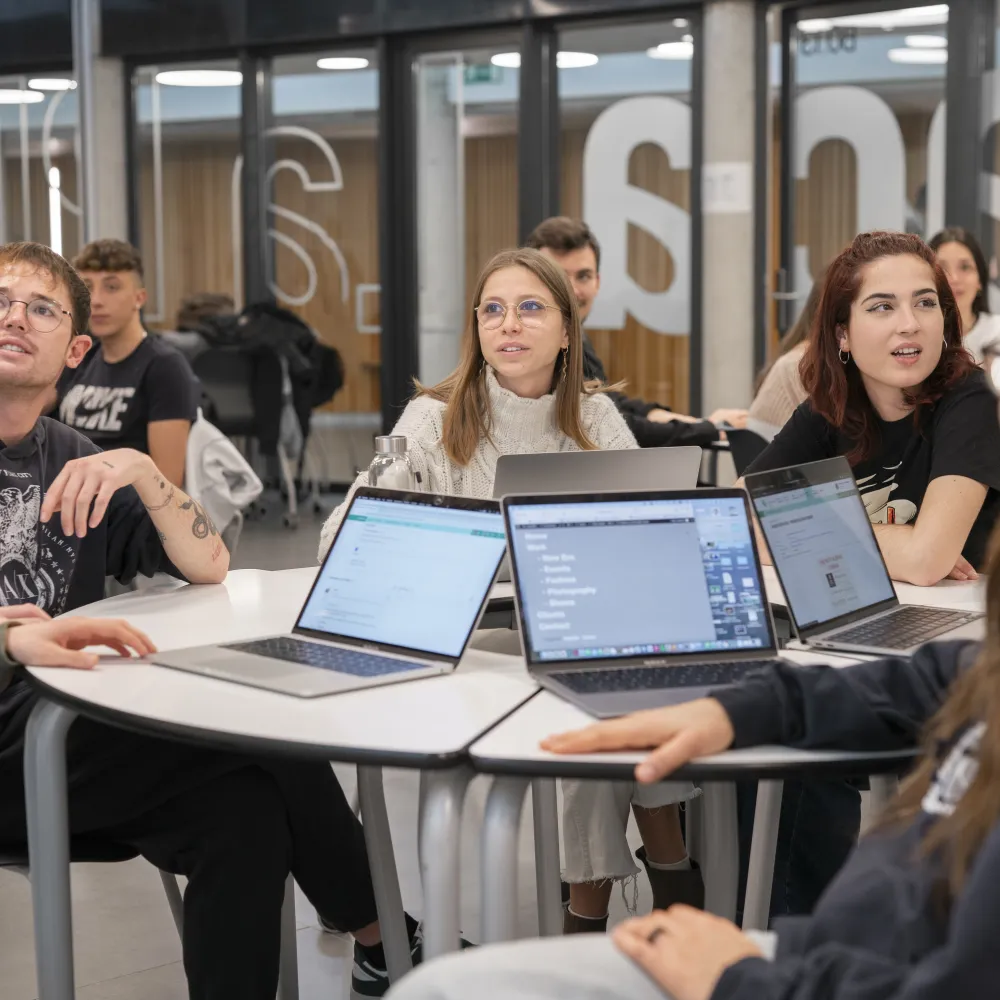
You will learn through innovative, active, and participatory methodologies, where you will face real and complex situations: challenge- and project-based learning, case studies, hands-on experience in real work environments, creativity, and competitions. Because we believe that what you experience, you learn best.
Talent ecosystem
You will connect with the industry from day one through events, conferences, our employability fair, and training activities. And if you have an entrepreneurial spirit, we will provide you with the tools to take part in projects that will help you develop your initiative, creativity, and leadership skills.
An expert and committed teaching team
CETT’s faculty combines academic and scientific expertise with extensive professional experience in the industry. A team that goes beyond knowledge creation to guide, inspire, and support you in your professional development.
Soft skills for the real world
You will develop the soft skills that the industry demands and that will make you stand out in your professional career. CETT Alumni are recognized for their proactivity, initiative, vocation, curiosity, and eagerness to learn.
ETT DNA: values, vision, and purpose
The identity and values of CETT are reflected throughout every stage of the learning process. An international outlook, a humanistic vision, ethics, passion for the industry, and the pursuit of excellence will define your journey at CETT.
Final Degree Project
The Final Degree Project reflects the skills acquired, as well as their application and development.
Acquired skills
The Final Degree Project is a research or application project in which students, depending on their professional interests and motivations, delve into some aspect of the chosen specialization:
- Culinary R+D in the Food Industry
- Culinary Innovation and Creativity
- Collective Catering Management
Link to the itinerary
It is recommended that the final project be related to the specialty you have chosen. Its completion may follow one of the following modalities:
- Research
- Business
- Entrepreneurship
Evaluation
The level of competencies that the student has achieved during their training is assessed, their maturity and ability to independently apply these competencies are verified, and the research and problem-solving methods specific to the area of the specialization are developed. This function is achieved by developing a deep understanding and synthesis of the knowledge and skills acquired in the subjects taken during the Degree.
Types of evaluations
The preference for in-person classes and continuous assessment is related to the teaching methodology used, which is based on challenge-based learning and the development of entrepreneurial projects.
- Continuous evaluation: This involves evaluating the work and the acquisition of skills and abilities carried out by students throughout the course.
- Single evaluation: In special circumstances, students who, for justified reasons, cannot regularly attend in-person classes may opt for this alternative assessment method, consisting of a semester-based assessment test.
Evaluation elements
To carry out this type of assessment, a combined system of evidence has been designed, each responding to different levels of achievement of items related to the subject's objectives.
Thus, three elements of assessment are distinguished, in which different aspects can be considered:
- Completion of a written report.
- Oral defense of the final project.
- Evaluation of the process.
Qualification you will obtain at the end of your degree
| Official qualification | RUCT code |
|
Graduate in Culinary and Gastronomic Sciences from the University of Barcelona **AQU-validated qualification with quality label |
2503006 |
Quality
CETT is the ideal partner for companies and institutions that consider attracting professional talent a strategic pillar of development.
Through expert support, project implementation, and the development of specialized initiatives, we add value to companies' talent selection processes by providing them with dynamic environments that facilitate the recruitment of the most suitable professionals for their needs.
International
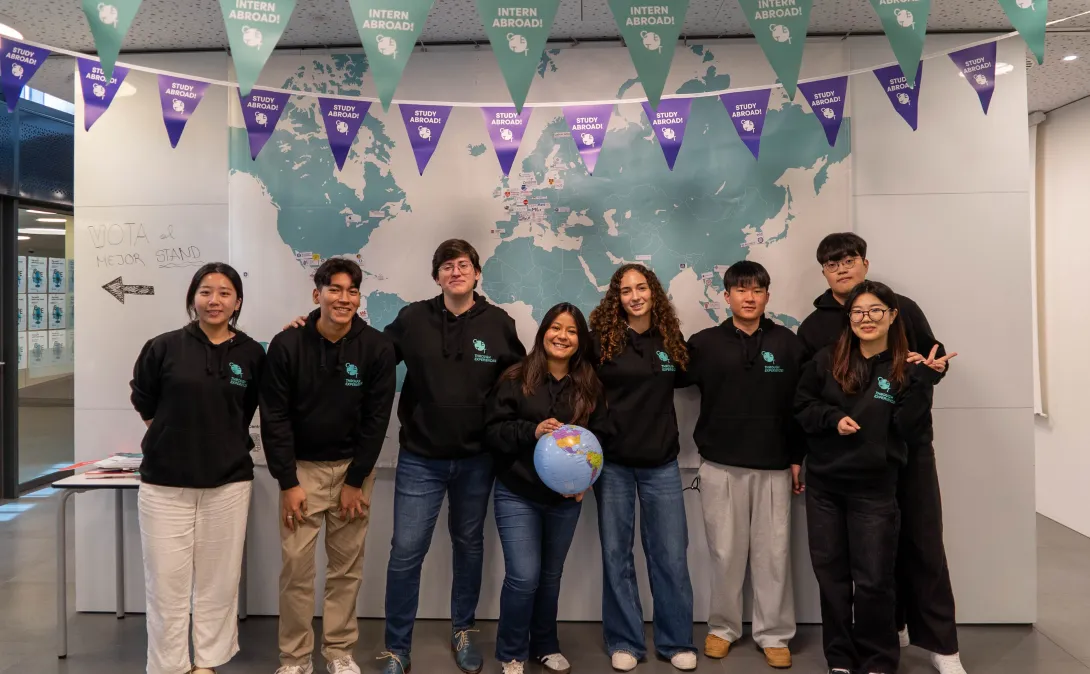
CETT offers several options to transform your tourism studies into an international experience: academic mobility programs such as SICUE, Erasmus, and international agreements, where you'll receive guidance from the International Relations Office. You can also do international internships through Career Services.
International mobility
- Academic mobility programs for third and fourth years of the degree: Erasmus Program in the European Union and SICUE Program in Spain.
- Global internship programs (international internships) after completing the degree in leading hotel companies, solidarity tourism projects, or startups lasting 6 to 12 months.
- International minor programs (interdisciplinary postgraduate courses) at top universities in other countries: Monterrey Institute of Technology (Mexico), Grenoble École de Management (France), and JAMK University of Applied Sciences (Finland).
Internships and jobs
The world of catering and cooking demands effort, dedication, and professionalism. Those who excel are those who master their craft, and here, experience makes the difference. Therefore, the program's internships are designed to provide added value and give you a key boost in your career.
The degree program includes company internships over the last three academic years, following a progressive model geared toward practical specialization through three 6-credit subjects.
All internships are carried out in around fifty companies (restaurants, catering, HORECA, technology companies, experience companies, food industry, etc.).
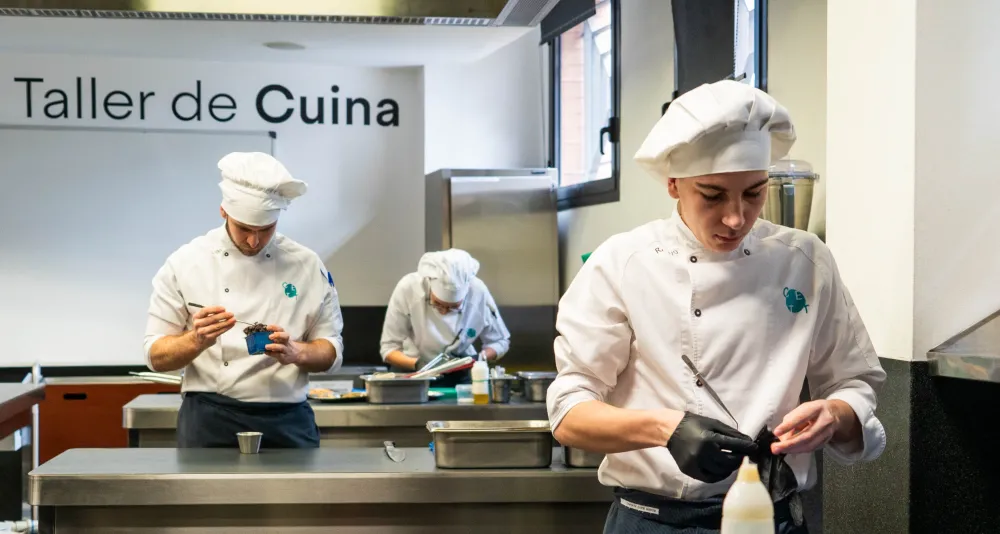
Second course
In your second year, you take the introductory internship course, which introduces you to gastronomy in the real world of work and consolidates your basic culinary techniques.
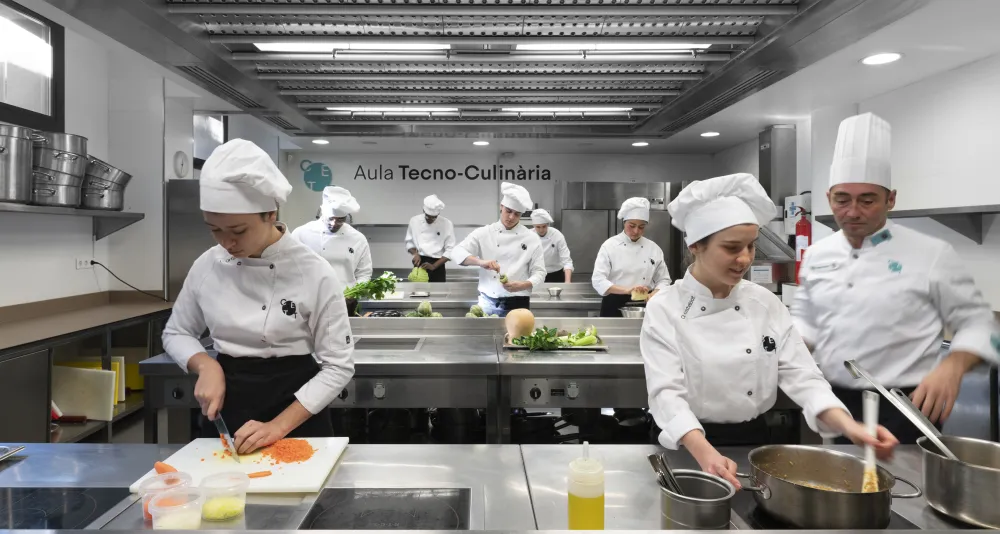
Third course
In your third year, your specialization begins, depending on the path you choose (in communities, the food industry, or haute cuisine), delving into the daily work of professionals.
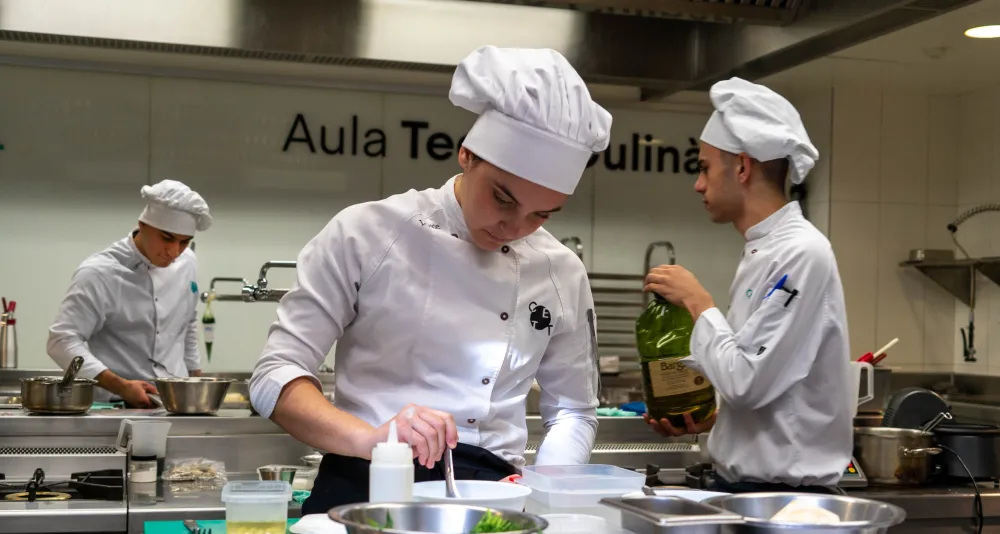
Fourth course
In your fourth year, you continue your specialization and development along your chosen path, deepening and consolidating your professional development.
Professionals opportunities
The degree program offers a high employability rate. Students who complete the program will have a wide range of opportunities to put their knowledge to work.
Restaurant industry:
- Commercial catering
- Collective catering (school cafeterias, businesses, hospitals, etc.)
- Catering and distribution services
- Food industry
- Gastronomy and healthcare
- Hotel catering services
- Gastronomic tourism products and activities
- Consulting
- Research and innovation in R&D&I centers
Management responsibilities:
- Chef or Executive Chef in Commercial or Mass Catering
- Operations and Process Management in the Food Industry
- Hotel Restaurant Management
- F&B Management
- R&D Management in the Restaurant or Food Industry
- Food Quality and Safety Manager
- Food Product Development
- Culinary or Nutritional Consulting
- Design of Gastronomic and Tourism Experiences
Employability
annual job offers
job offers are international
internship agreements
collaborating companies
Access and prices
To complete your enrollment in the Bachelor's Degree in Culinary and Gastronomic Sciences, please contact the Future Student Guidance Department.
| Students | Enrollment | Price | Total Price** |
| Non-EU students* | 925 € | 9.275,04 € | 10.200,04 € |
| UE Students | 925 € | 8.208 € | 9.133 € |
|
UB fees not included in the course price: €325. (Amount corresponding to the 2024/2025 academic year. The update of the fees for the upcoming academic year is pending the publication of the Price Decree by the Government of Catalonia). This amount will be charged in October. *Non-EU students who have resided in Spain for at least 1 year will be eligible for EU tuition fees.
|
| View fee amounts and conditions for other payment methods with our Future Student Orientation team. |
Enrollment process
Here you can find all the information you need to enroll according to your profile:
- Information on admisision to undergraduate studies
- Admission to university for high school pupils (PAU)
- Admission to university graduates for high vocational training
- Transfer of national academic records
- Transfer of international academic records
Scholarships and financing
Las becas disponibles para este grado son:
- Academic Excellence Scholarship - new admission
- Scholarship for International Dual Degrees
- Mou-te! Academic Mobility Scholarship
- Talent Scholarship for new admissions to the kitchen and catering services training cycles and graduate degrees
- General scholarships for post-compulsory university students (Ministry of Education, Culture and Sports).
Additional information
Consult all the information about CETT degrees: academic regulations, indicators, quality systems (SIQMAC), Tutorial Action Plan (PAT), VSMA documents, and discontinuation plans, all focused on educational excellence and sustainability.
Student Services
Students will have access to a wide range of services designed to make their academic experience unique.
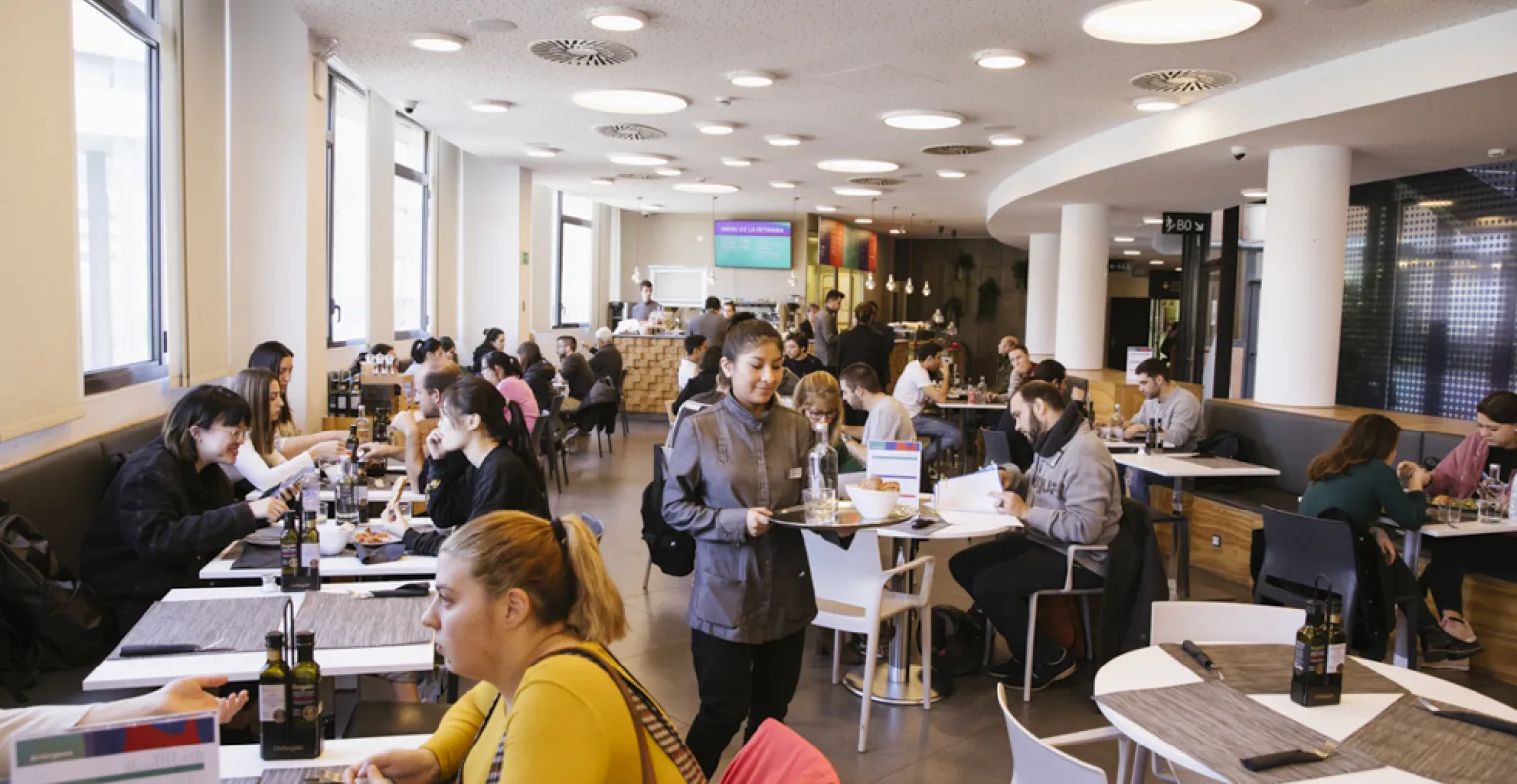
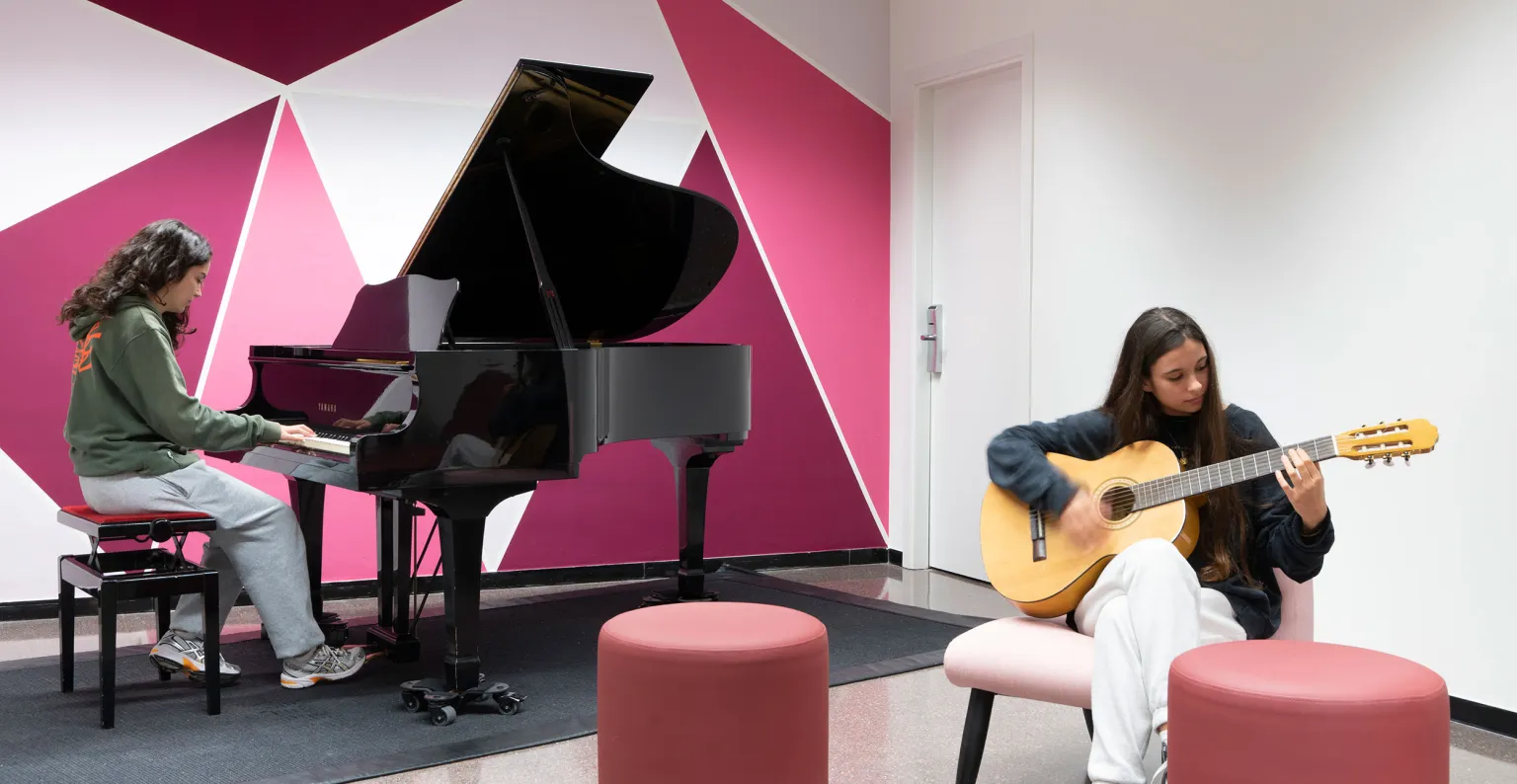
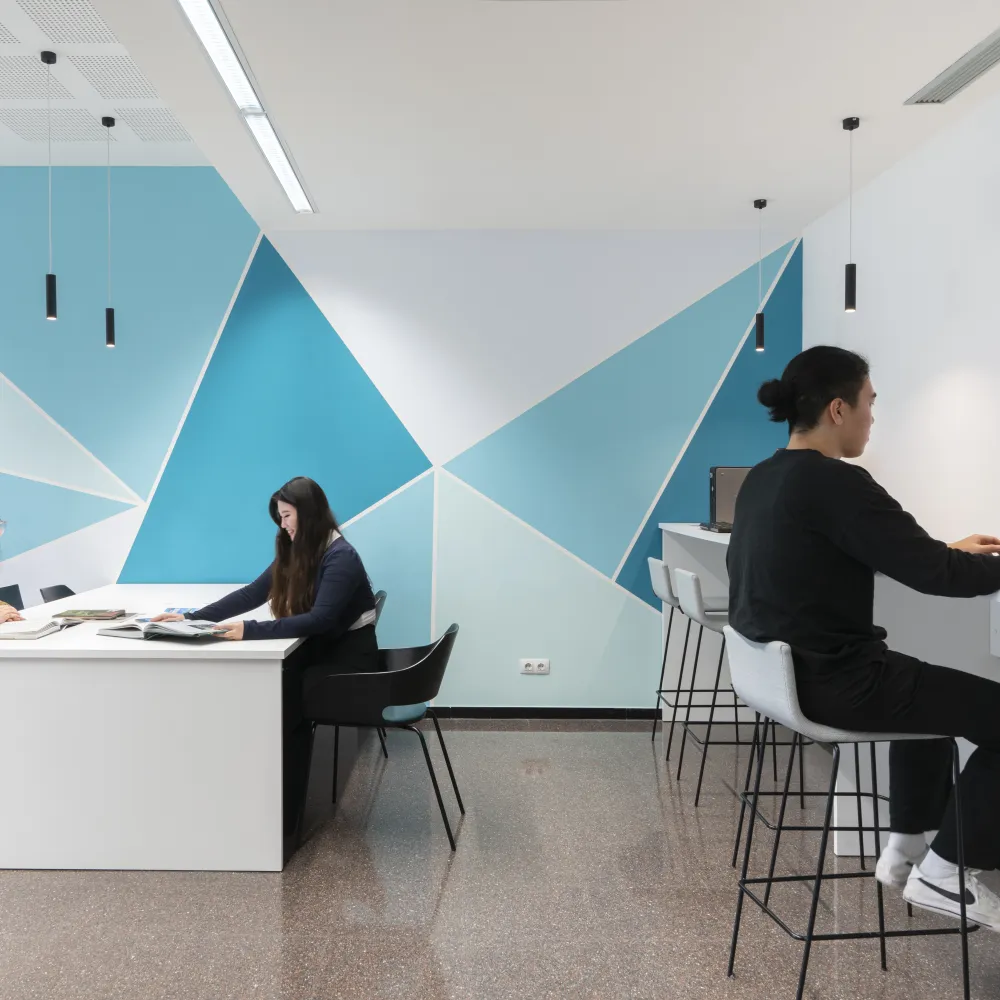
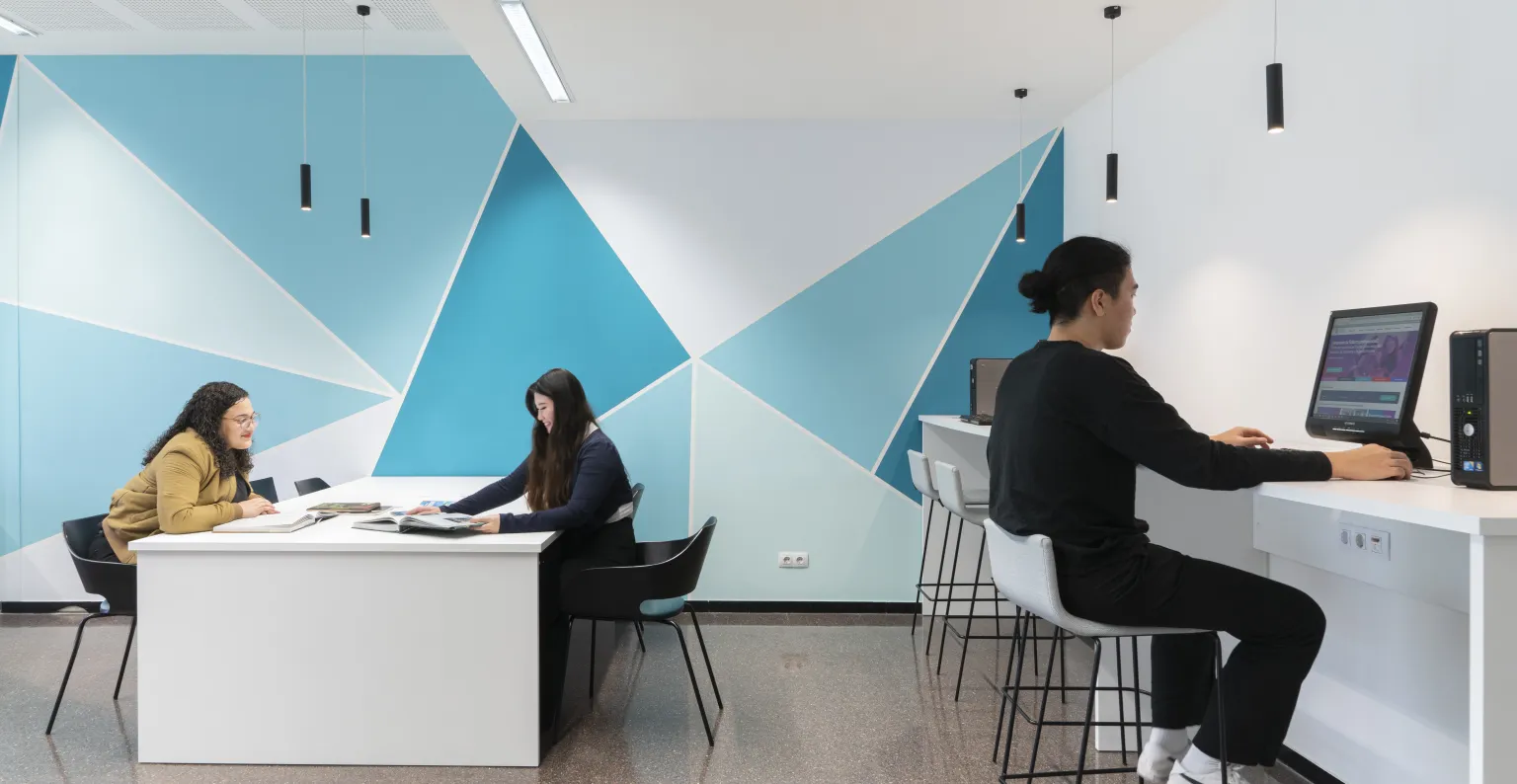
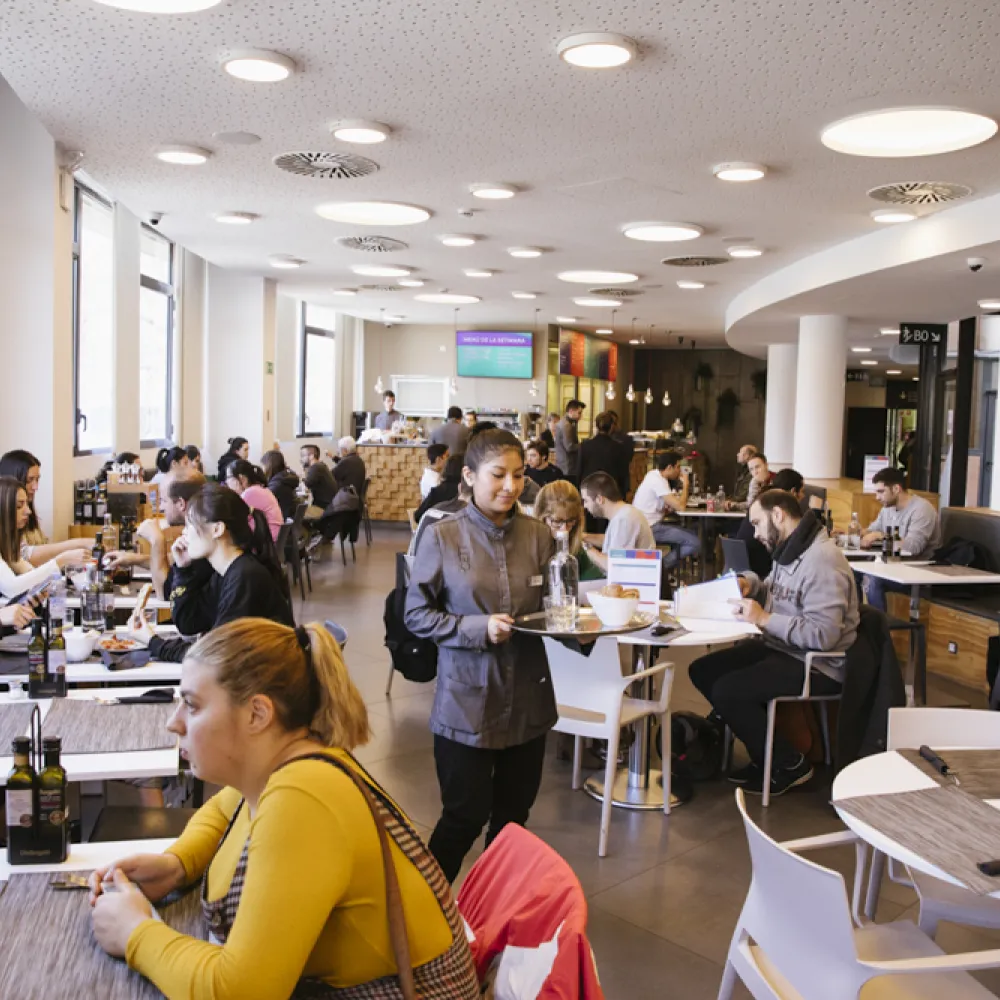
The CETT Campus offers a privileged selection of dining options, including Espai Fòrum, Aula Restaurant, and the Alimara University Hotel. It also features a multidisciplinary Resource Center with an extensive collection of books, tools, and digital spaces to support and enhance learning beyond the classroom.
Additionally, with the CETT-UB app, you can download the Virtual Campus app and have the entire campus experience at your fingertips.
Other services that may interest you
-
Career Services
The Career Services department provides guidance and support to connect you with internships and job opportunities at leading companies in the sector. It maintains an extensive database of job and internship openings.
-
International
The CETT International Center offers personalized support to help you internationalize your studies, providing a wide range of exchange programs and internships abroad.
-
Alumni
The CETT Alumni Association's main mission is to strengthen the connection between former students by creating a network of professionals who enjoy various benefits in the professional, educational, and social fields.
-
UB Services
As an affiliate center of the University of Barcelona, CETT students have access to the university's library network and resources, as well as the sports facilities of Esports UB and the "SOM UB" card, which offers a wide range of services and benefits.
CETT Facilities
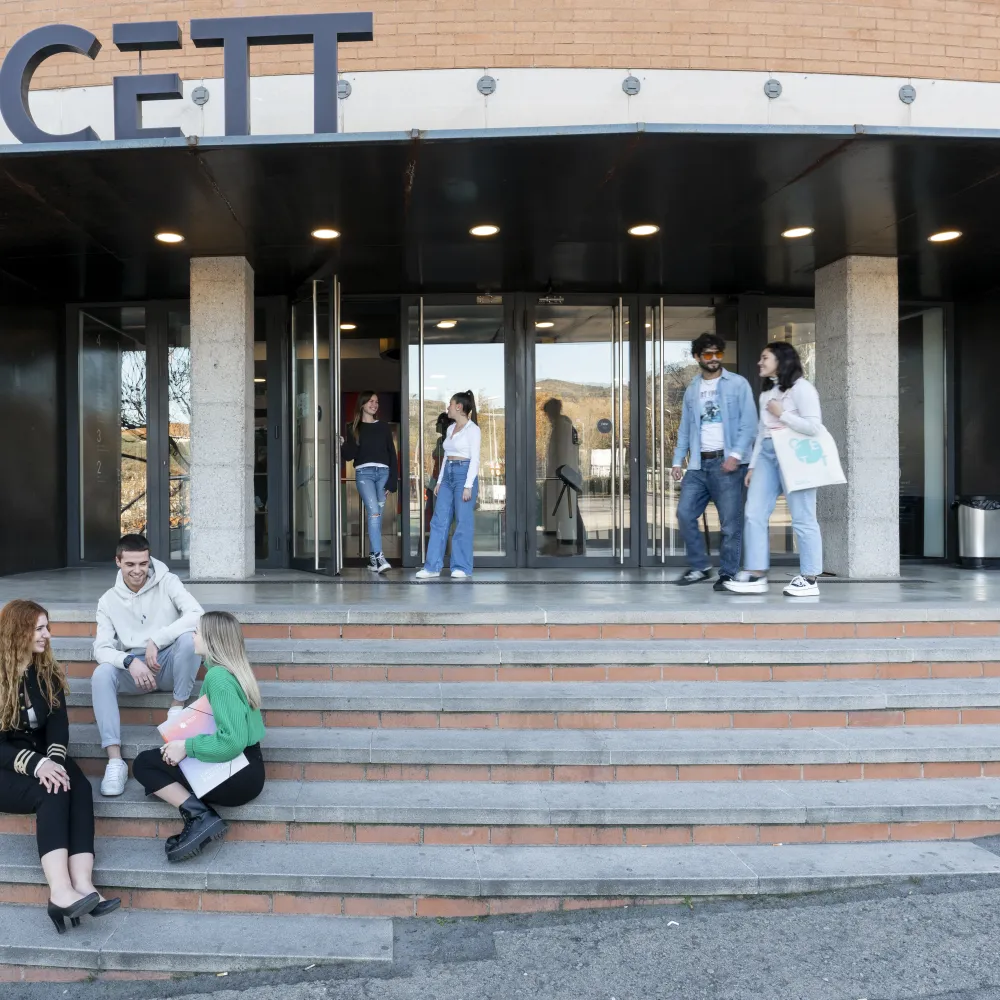
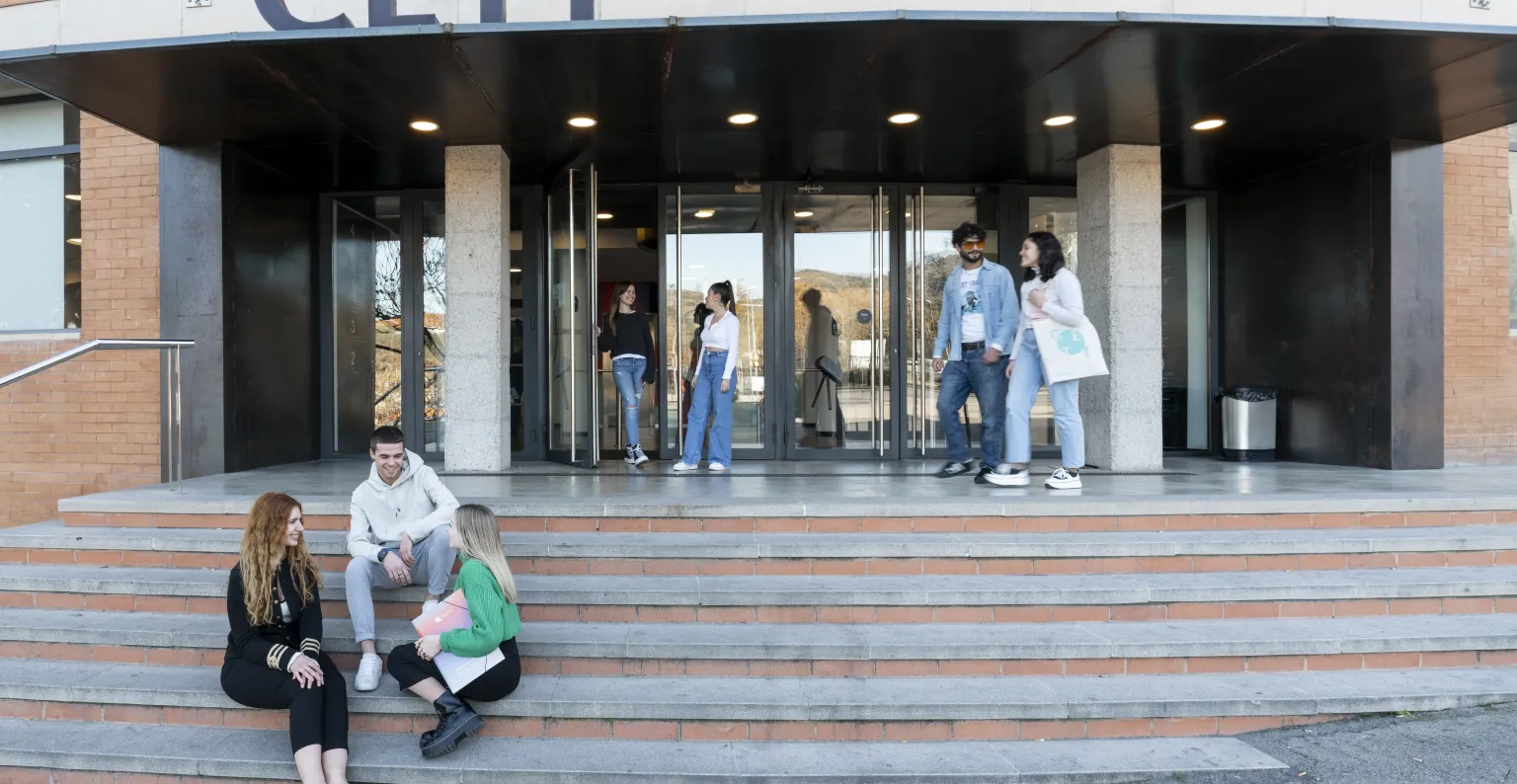
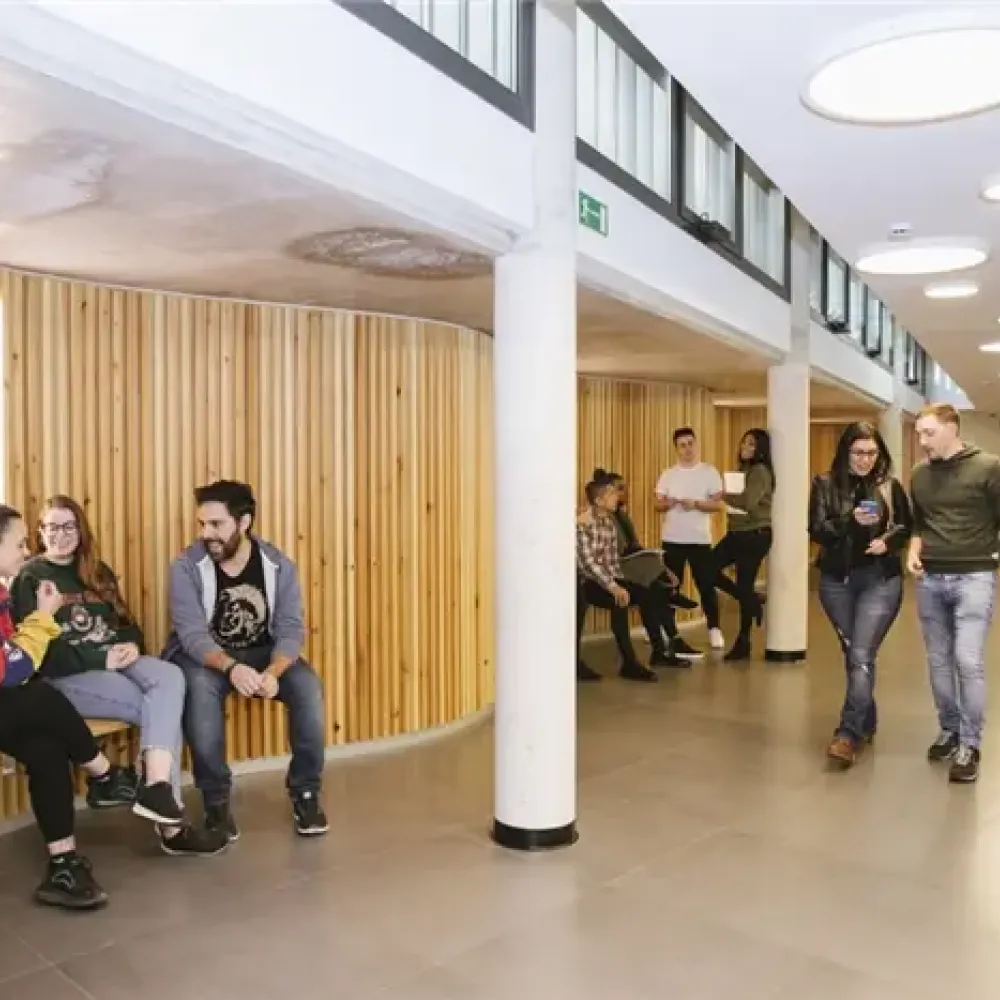
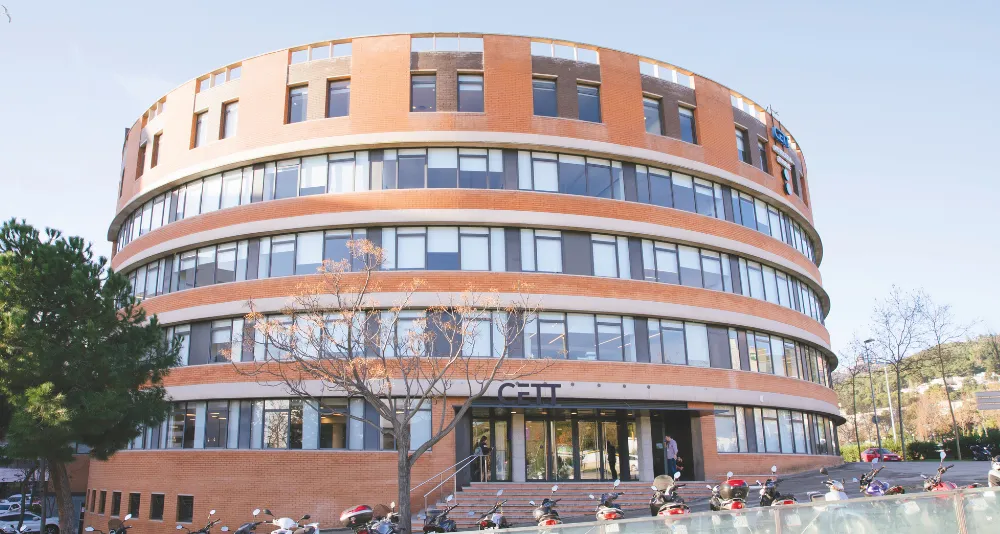
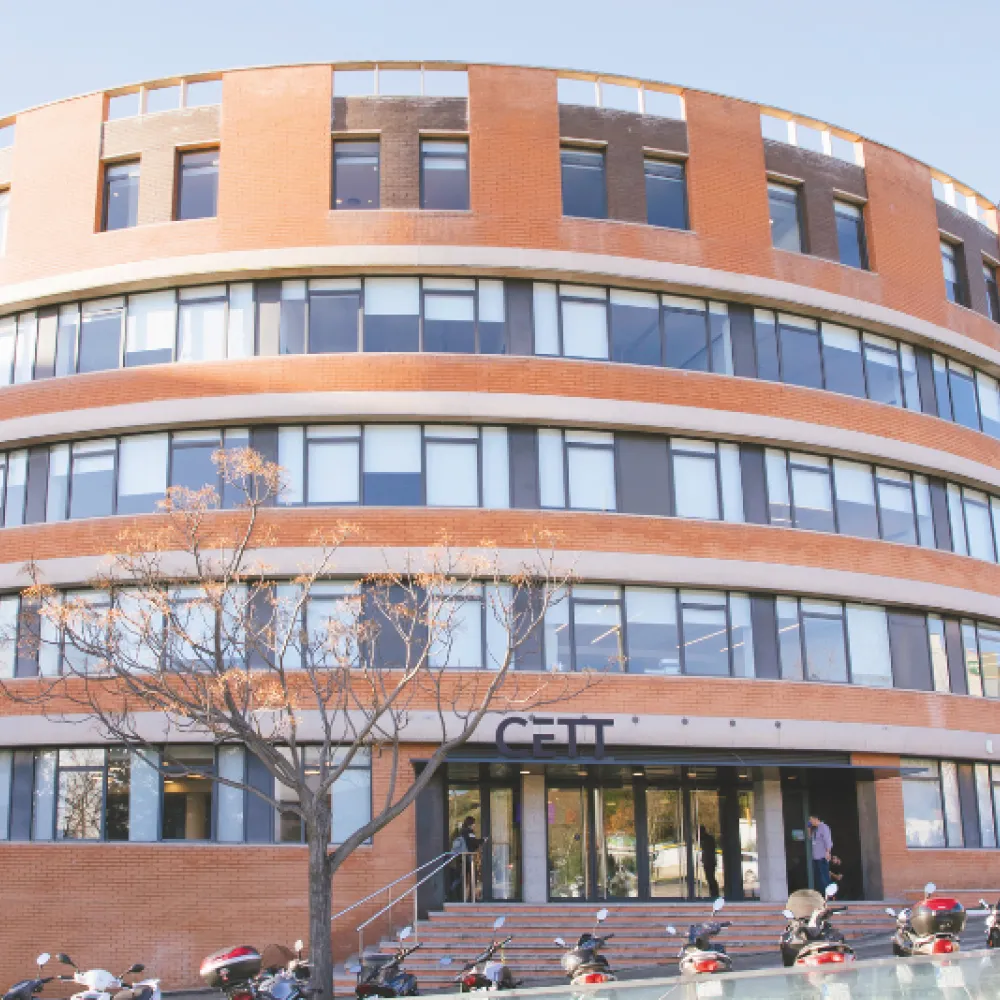
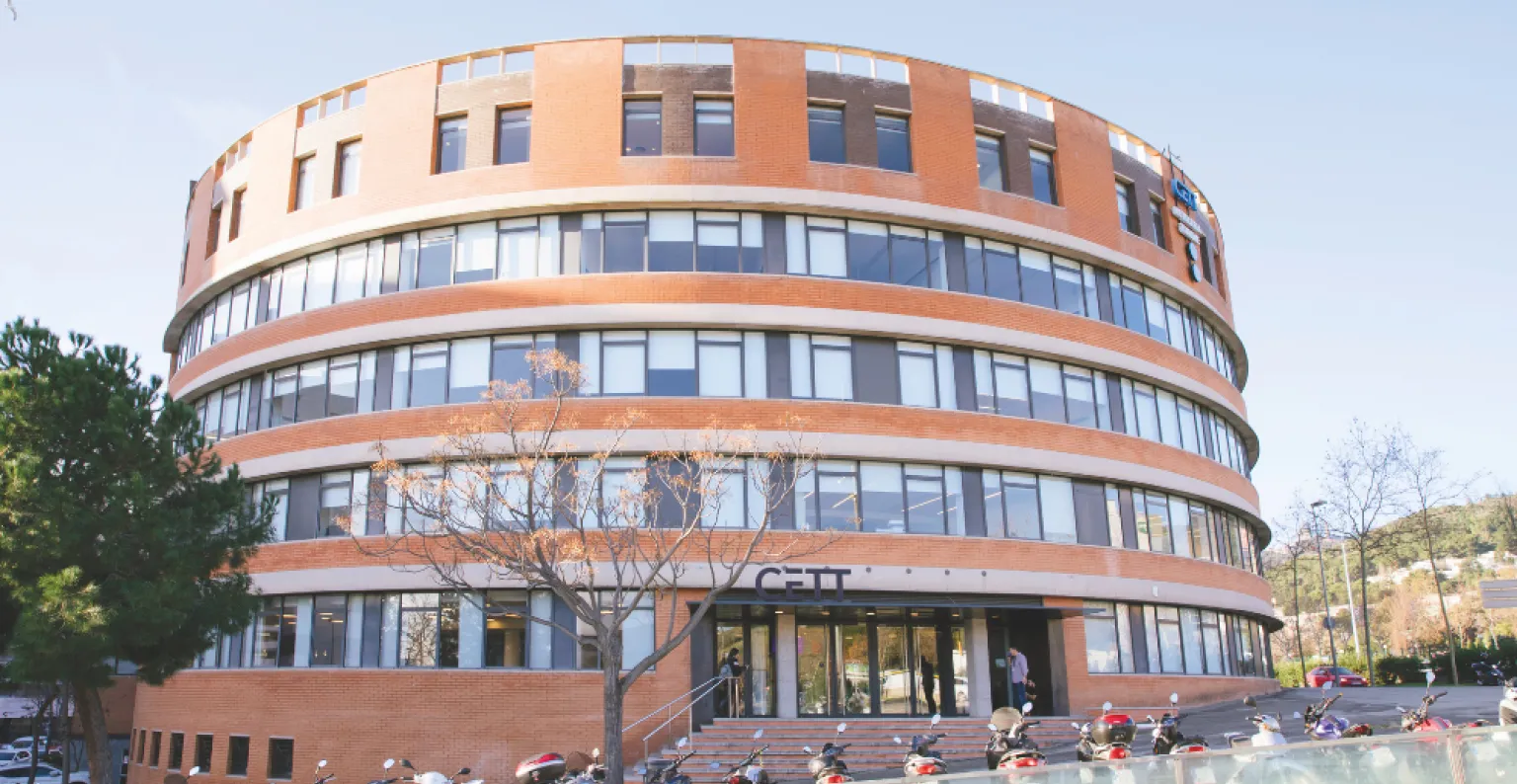
The CETT campus is located in the Horta neighborhood of Barcelona. It comprises the CETT Barcelona School of Tourism, Hospitality and Gastronomy, the Hotel Alimara Barcelona, and the Àgora BCN International University Residence.