CETT Policy Dialogue Brings Together an International Expert Community to Address the Climate Challenges of Tourism in the Mediterranean
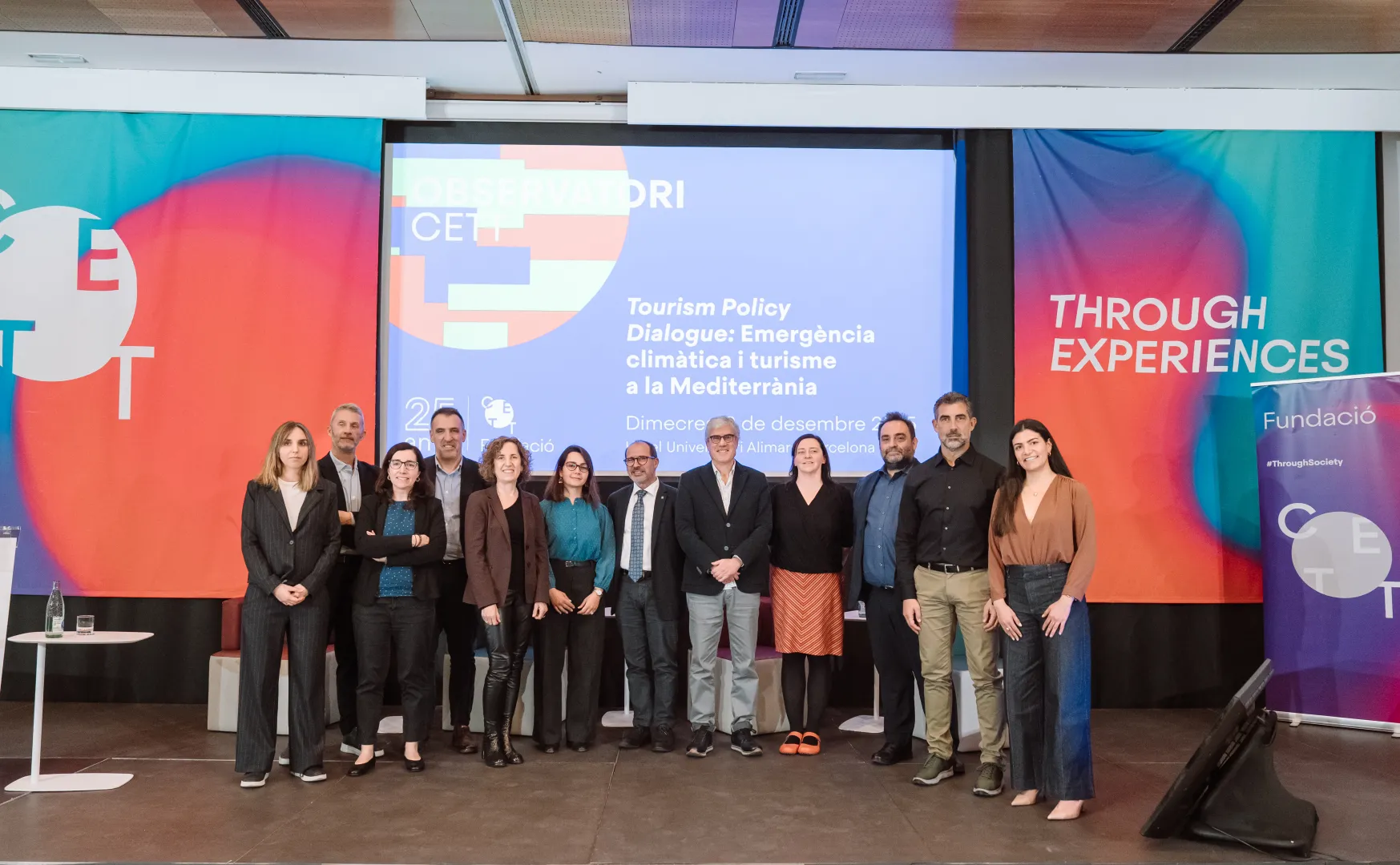
The event served as a space for dialogue and reflection on the dual role tourism plays in the face of climate change in the Mediterranean region.
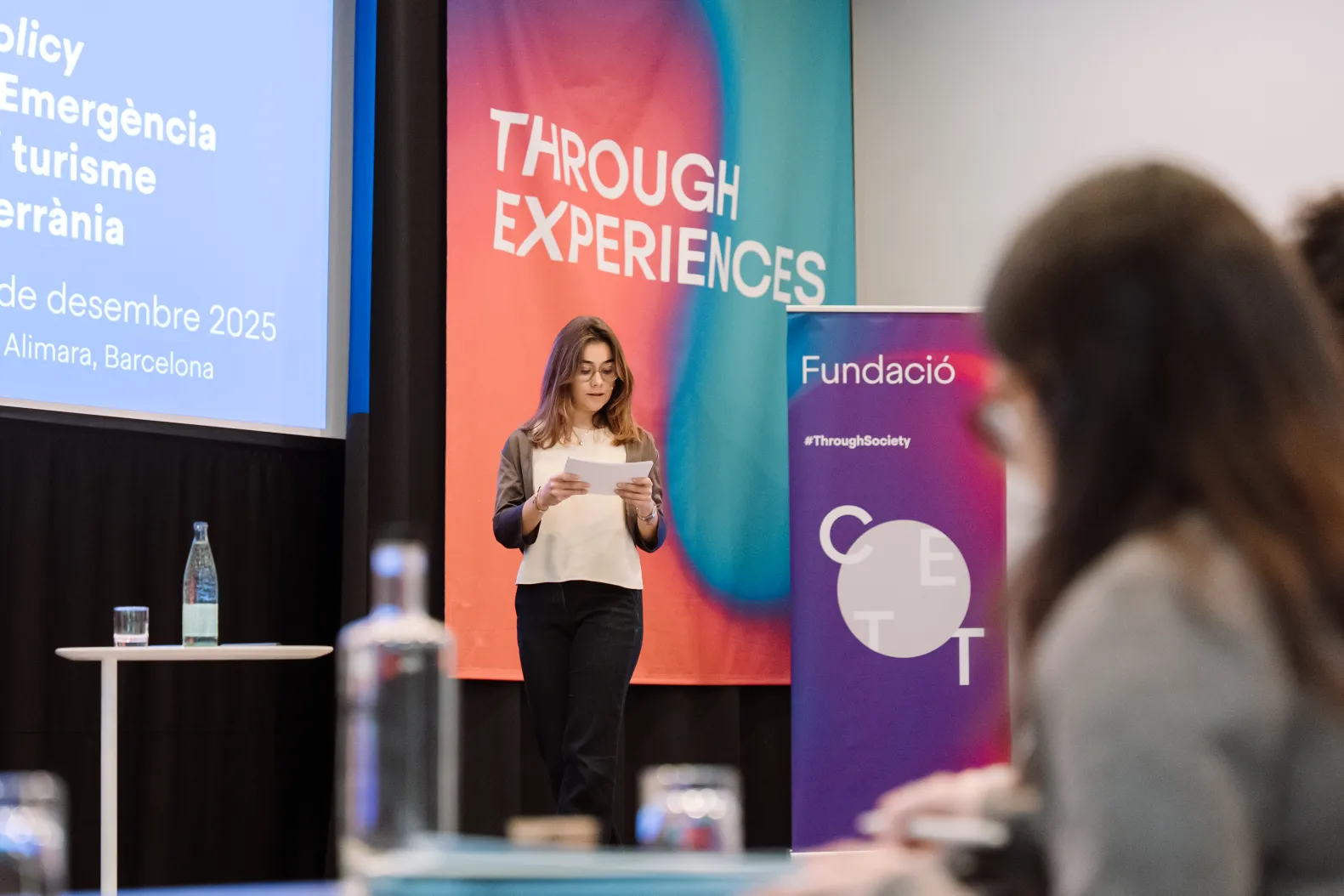
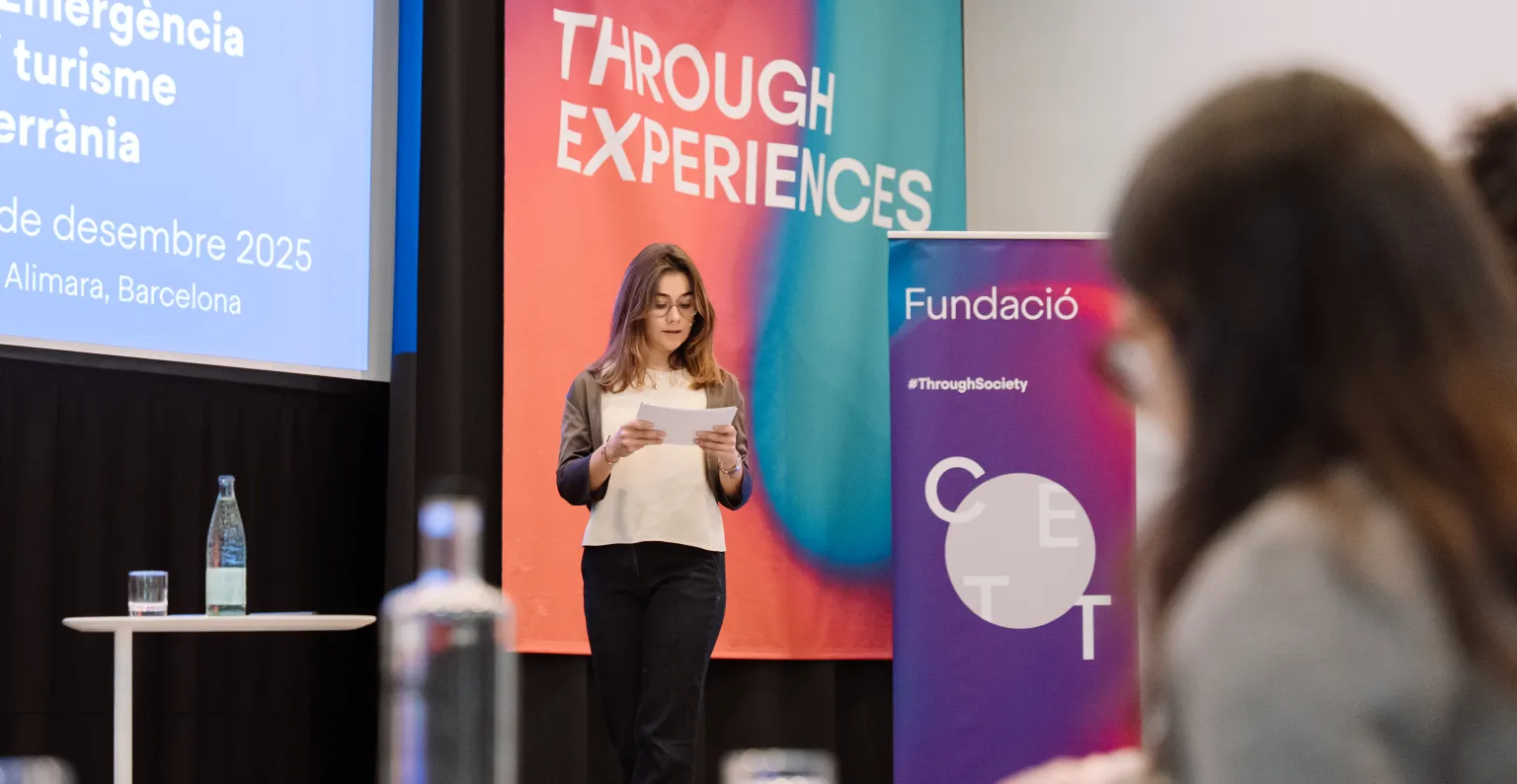
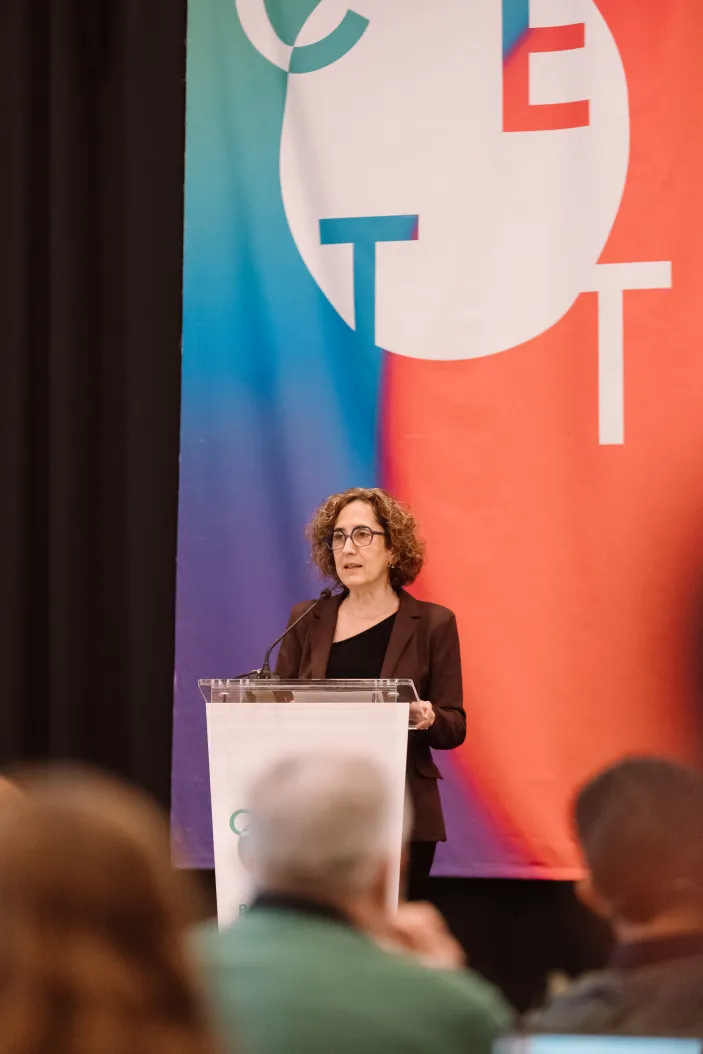
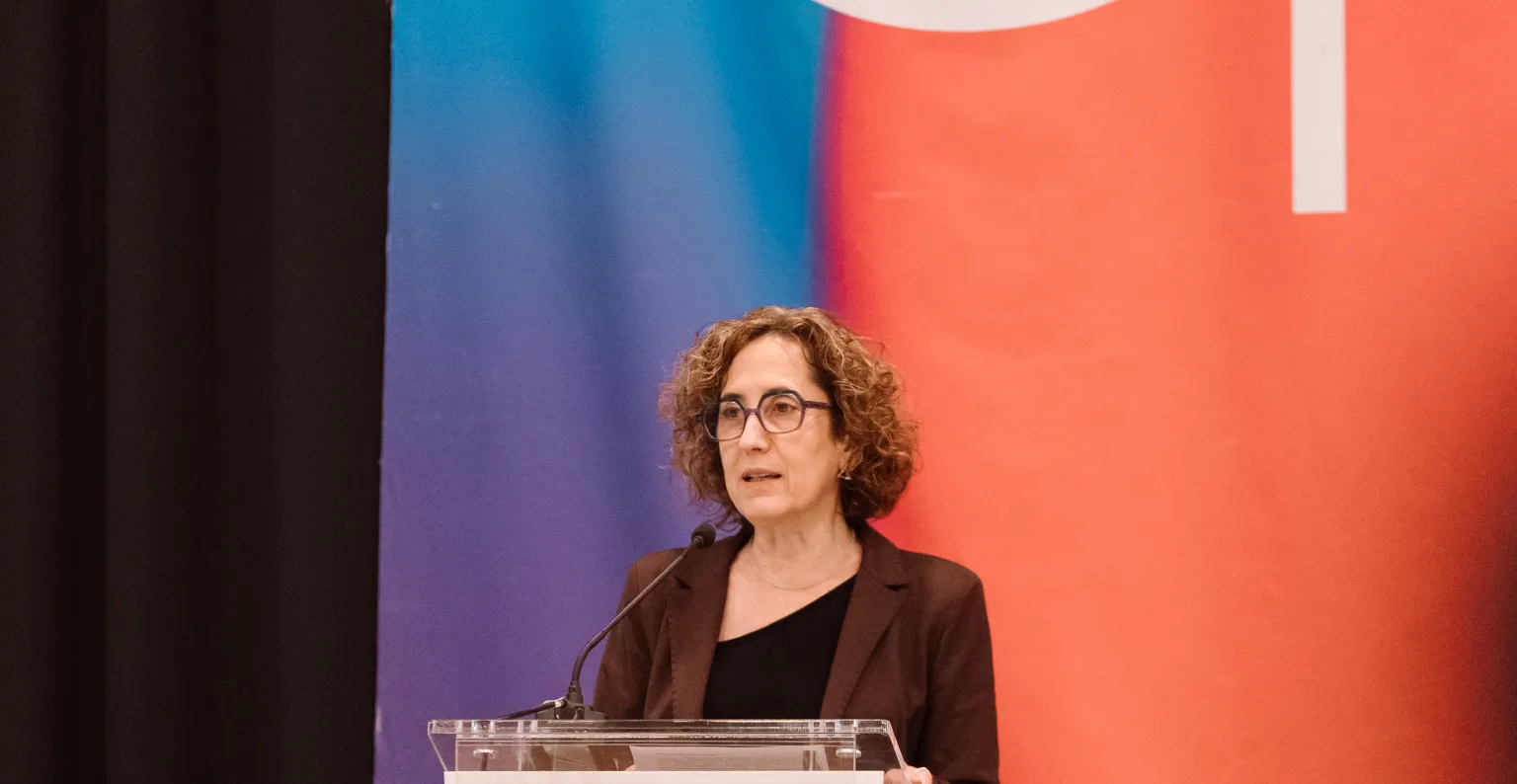
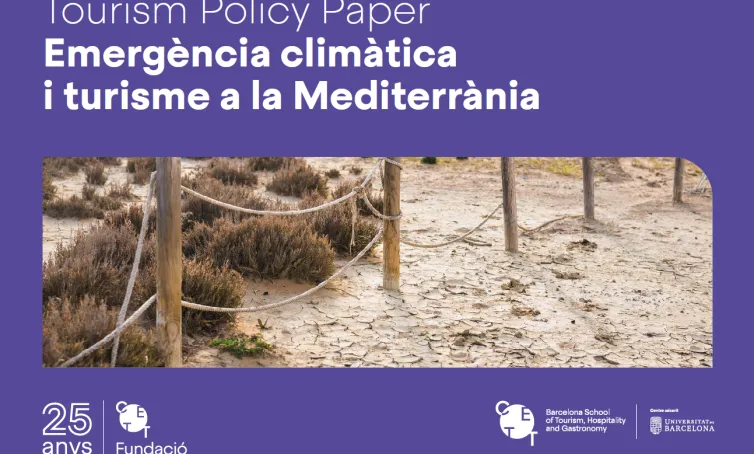
Under the title “Climate Emergency and Tourism in the Mediterranean”, CETT — a leading university center in tourism, hospitality and gastronomy affiliated with the University of Barcelona — hosted a conference aimed at reflecting on the dual role of tourism in relation to climate change: as both a victim and a contributor.
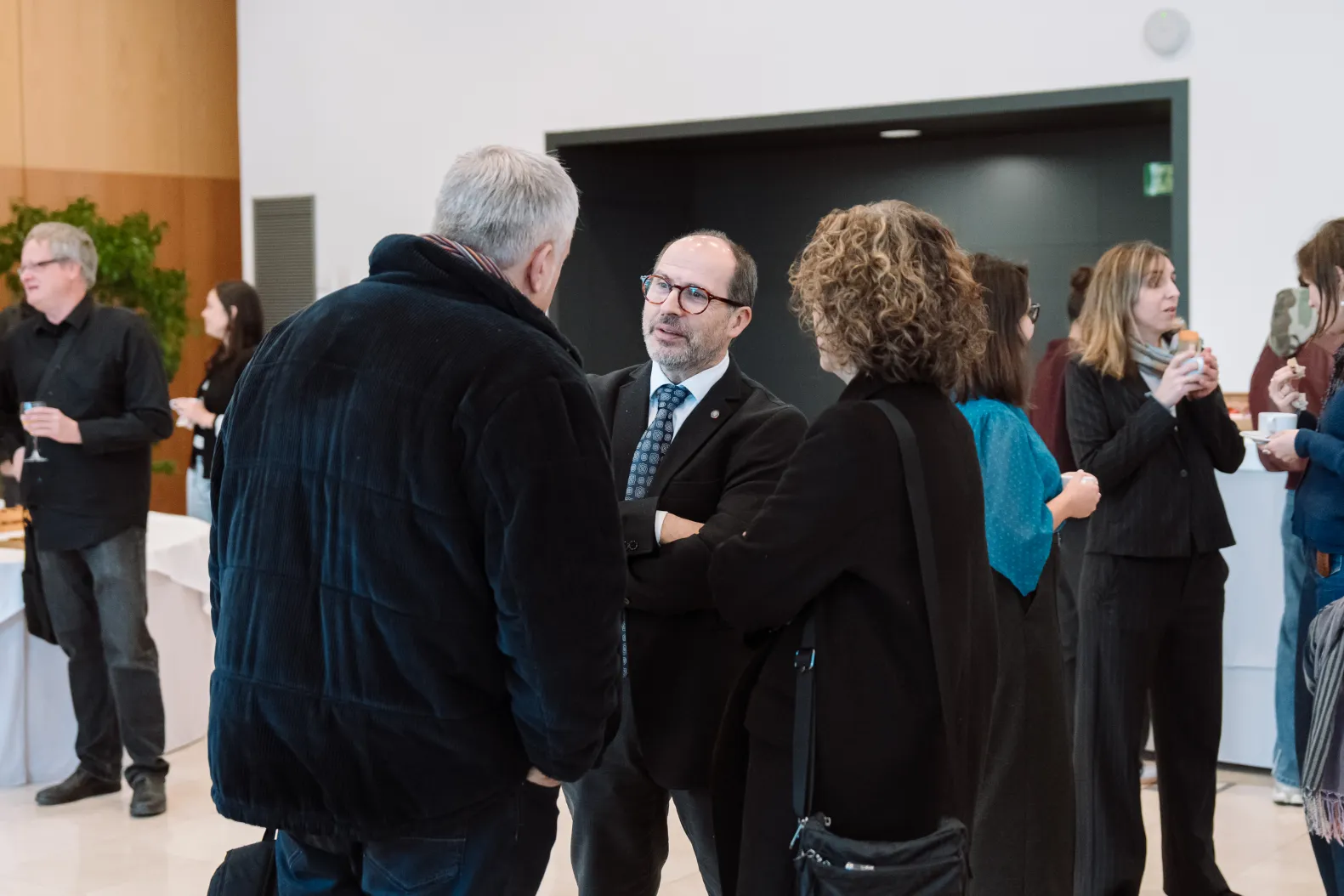
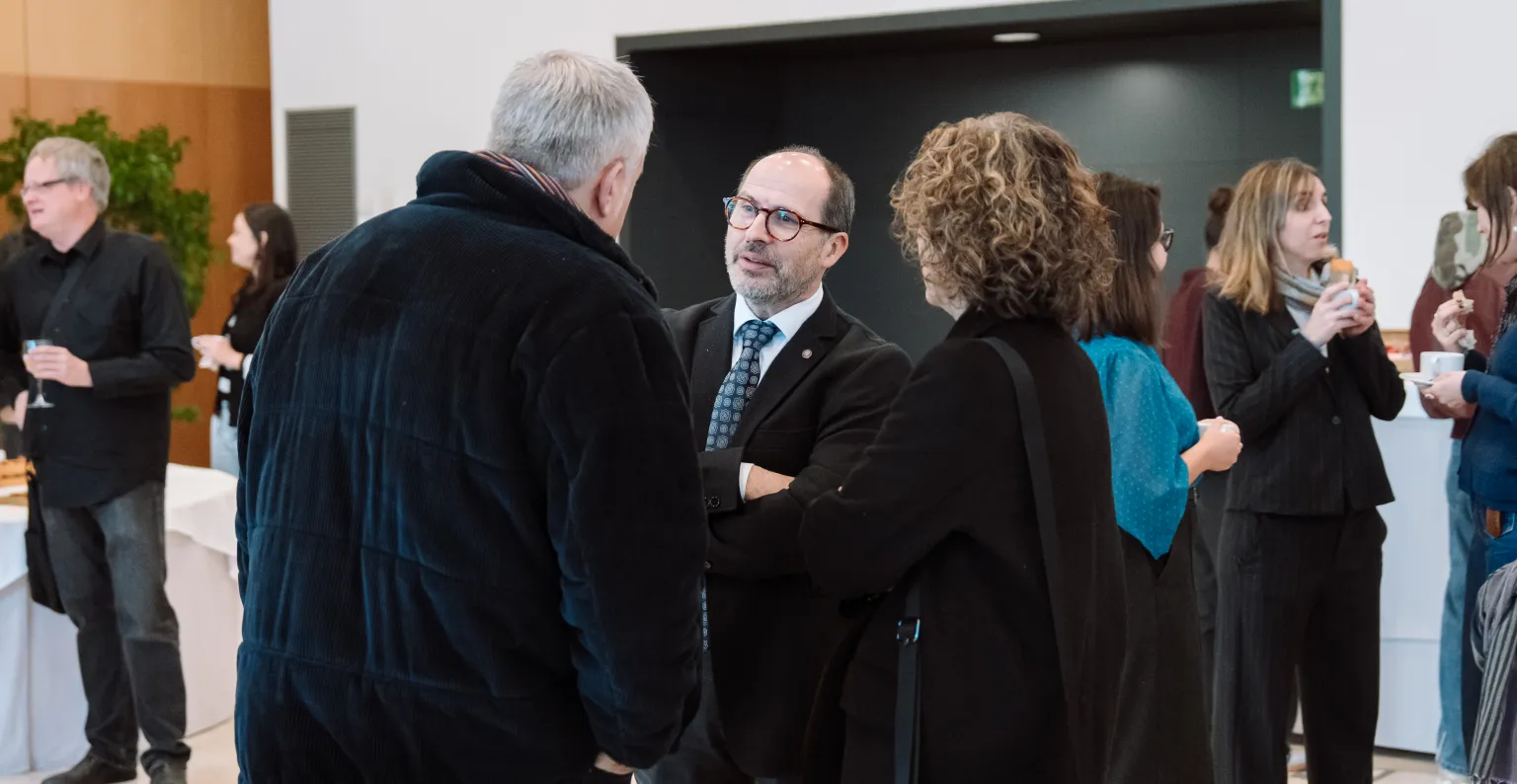
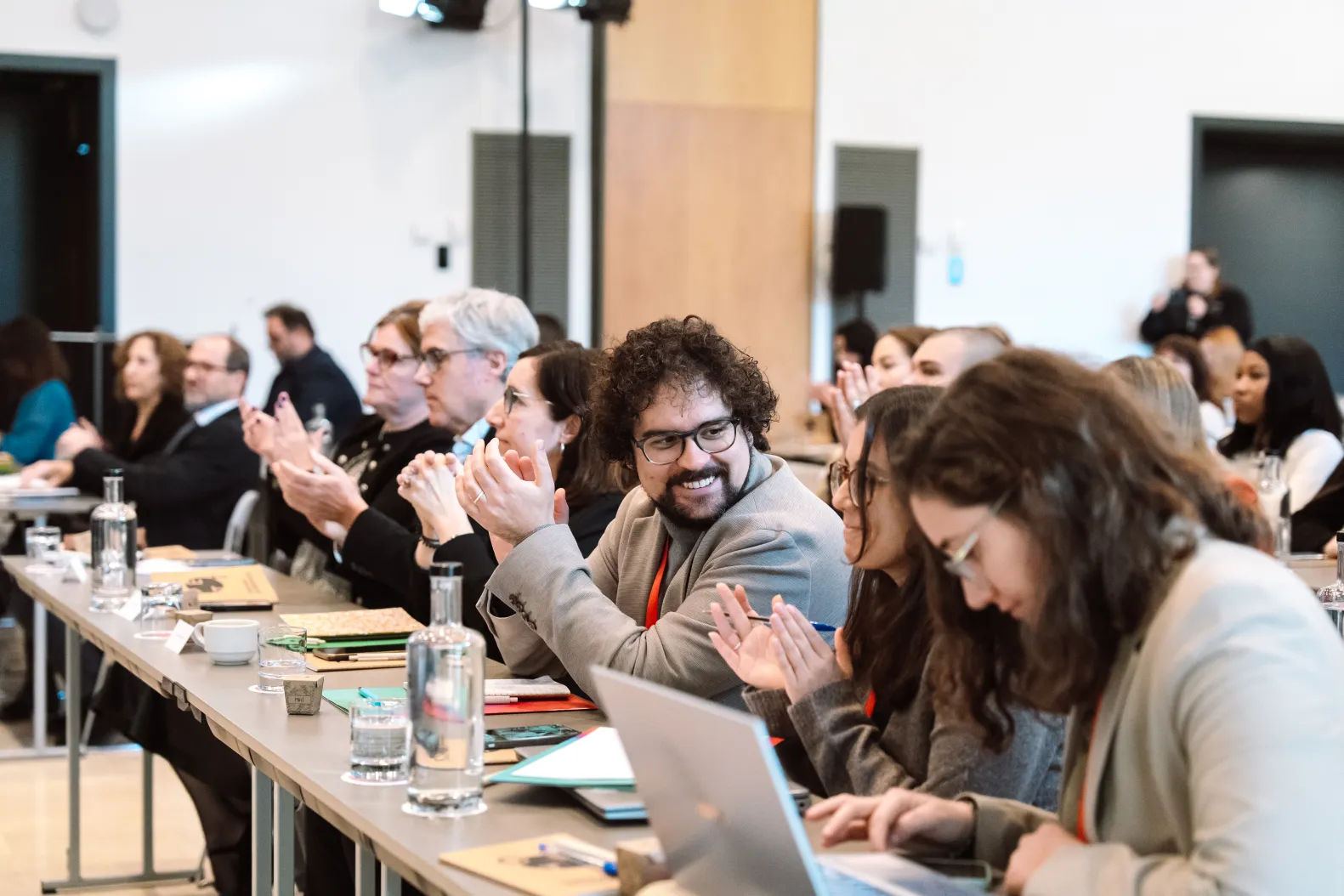
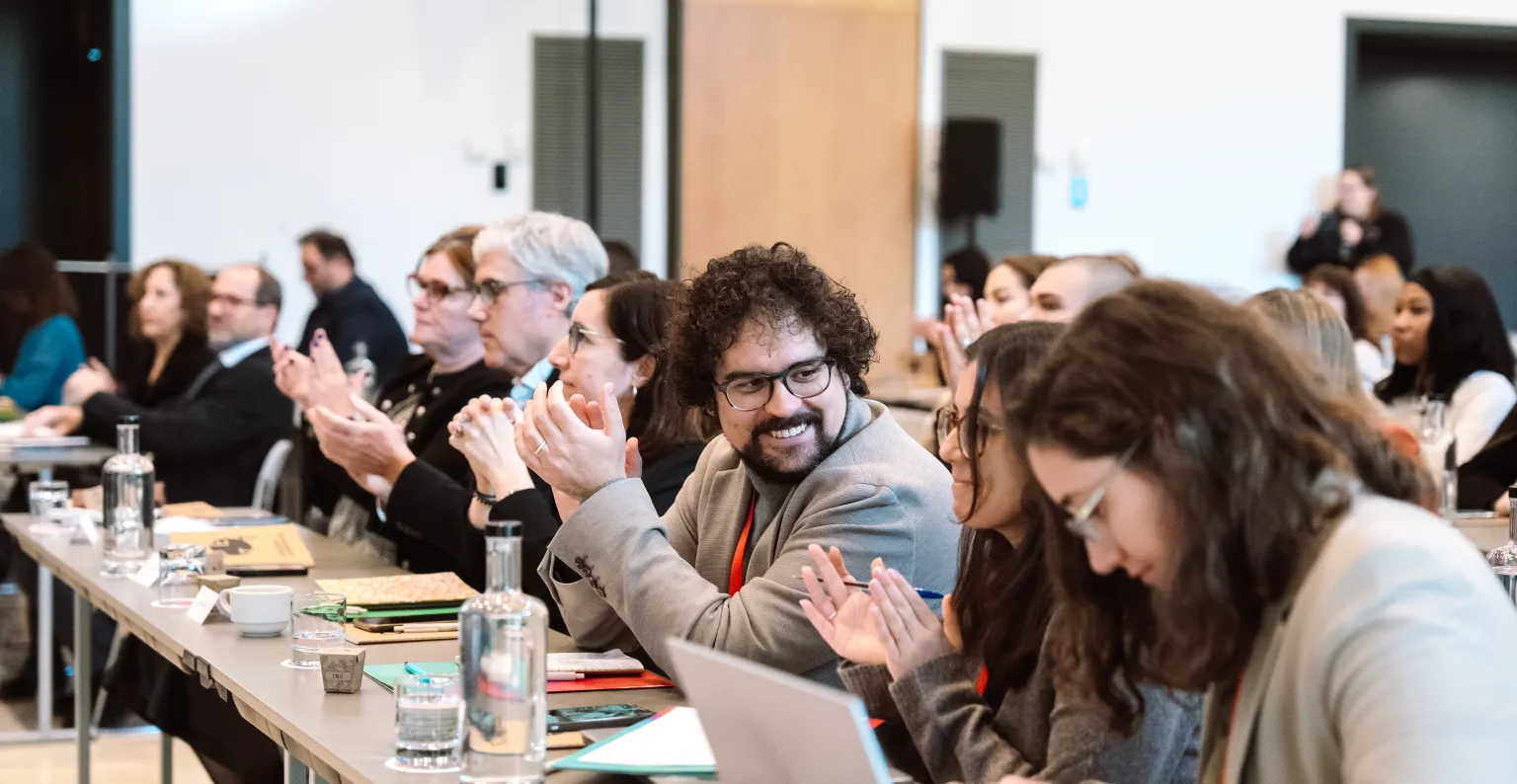
The event, promoted by the CETT Foundation and moderated by Ara journalist Elisenda Forés, brought together the research community, institutional representatives and tourism professionals in a shared space for dialogue, knowledge exchange and collective action.
Understanding Climate Change to Anticipate Its Challenges
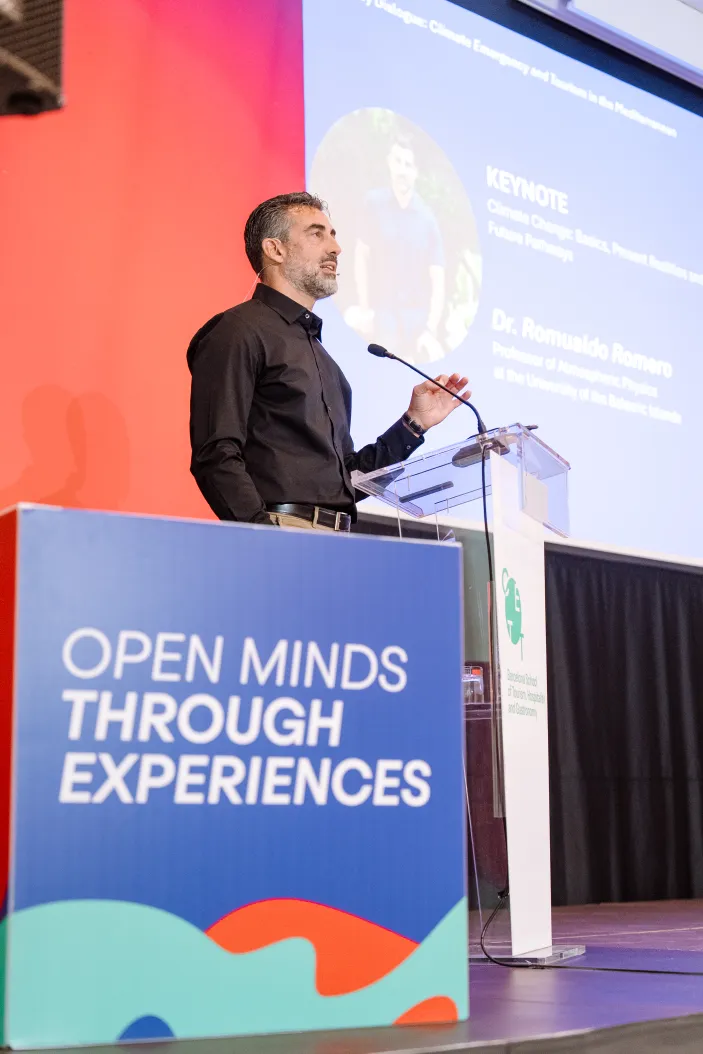
Dr. Romualdo Romero, from the University of the Balearic Islands, opened the event with a keynote address focused on the fundamentals of climate change and its direct effects on climate systems. The continued rise in temperatures and the reduction in precipitation confirm a structural shift in the climate system, requiring urgent improvements in predictive models to anticipate impacts and plan effective responses. In this context, he highlighted the importance of prediction and anticipation as key tools for informed decision-making in areas such as tourism, territorial planning and risk management.
A Cross-Cutting Challenge That Calls for Collective Action: “We Cannot Look Away”
Dr. Mireia Guix, from Queensland University (Australia), focused on the role of the tourism sector in the climate emergency. As she emphasized, tourism plays a dual role: it is a victim of climate impacts, but also a contributor to rising emissions.
She stressed that the debate is no longer about being “greener”, but about questioning whether the current tourism model is truly sustainable and capable of moving towards a net-zero carbon footprint — no longer an option, but a business imperative. Dr. Guix also highlighted the need for ambitious public policies that make emissions visible, penalize the most polluting sectors and incentivize behavioral change.
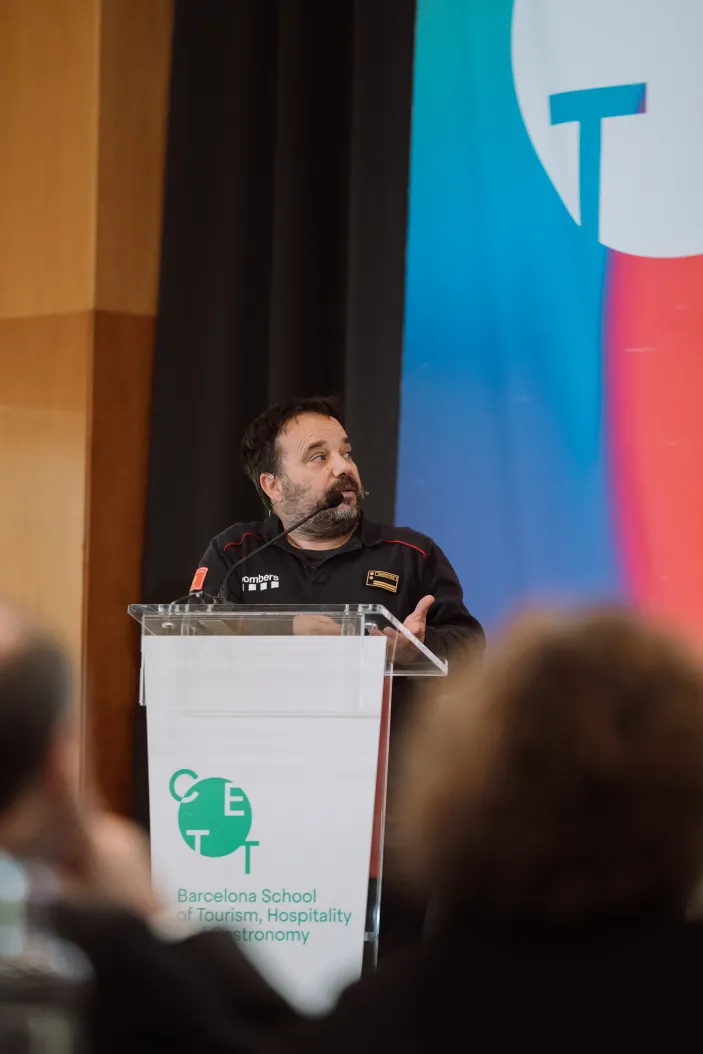
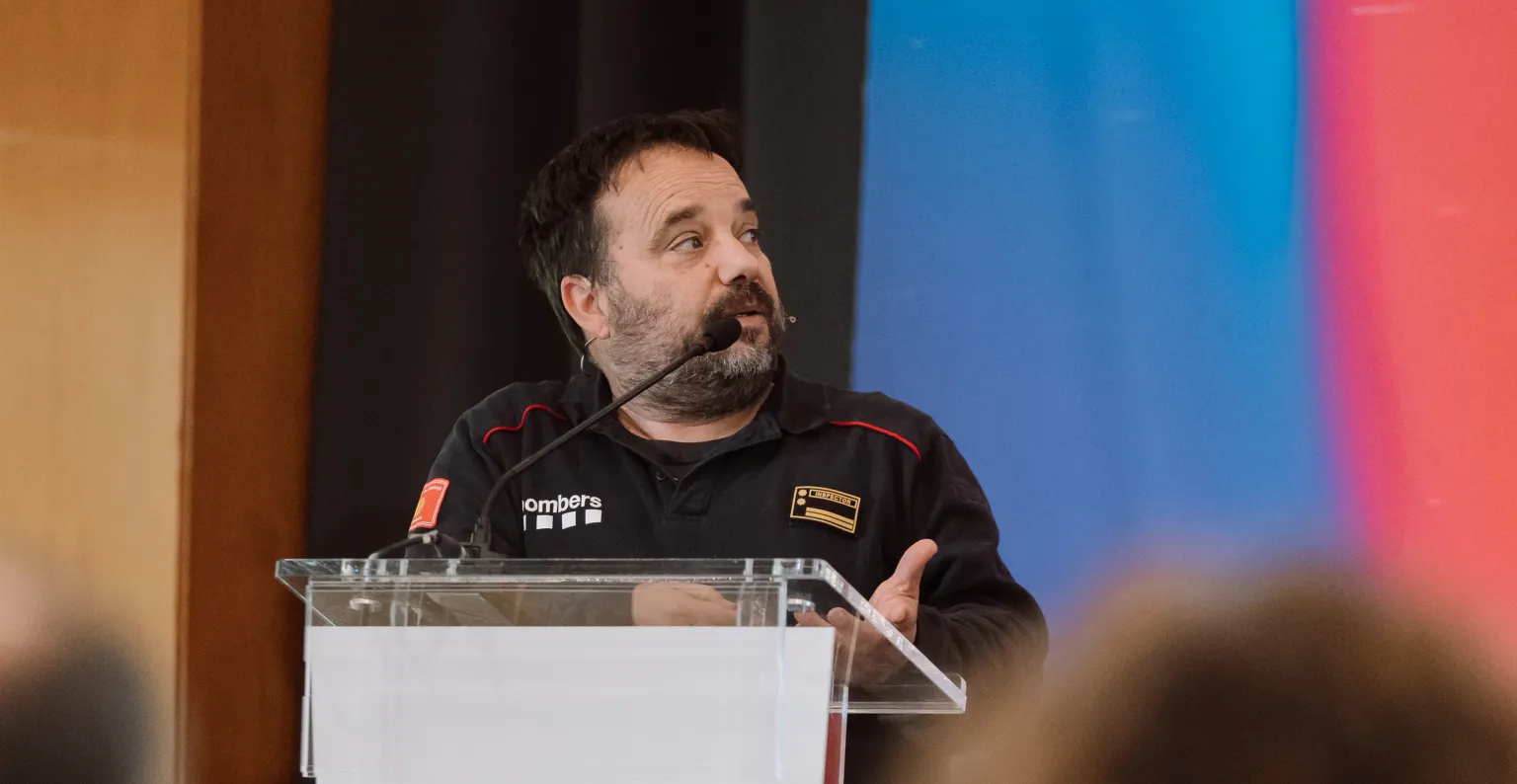
One of the most impactful moments of the event was the practical case study on wildfires and the new challenges posed by global change, presented by firefighter and researcher Marc Castellnou, head of the Forest Action Group of the Government of Catalonia. Drawing on scientific data and field experience, his presentation warned of a declining capacity to respond to increasingly severe wildfires, fuelled by forest landscapes that are not adapted to the new climate reality.
“If we do not manage the landscape, the landscape will manage us,” Castellnou warned, underscoring that the survival of people, ecosystems, and the Mediterranean tourism model depends on a deep and immediate transformation.
From Knowledge to Action: A Shared Challenge
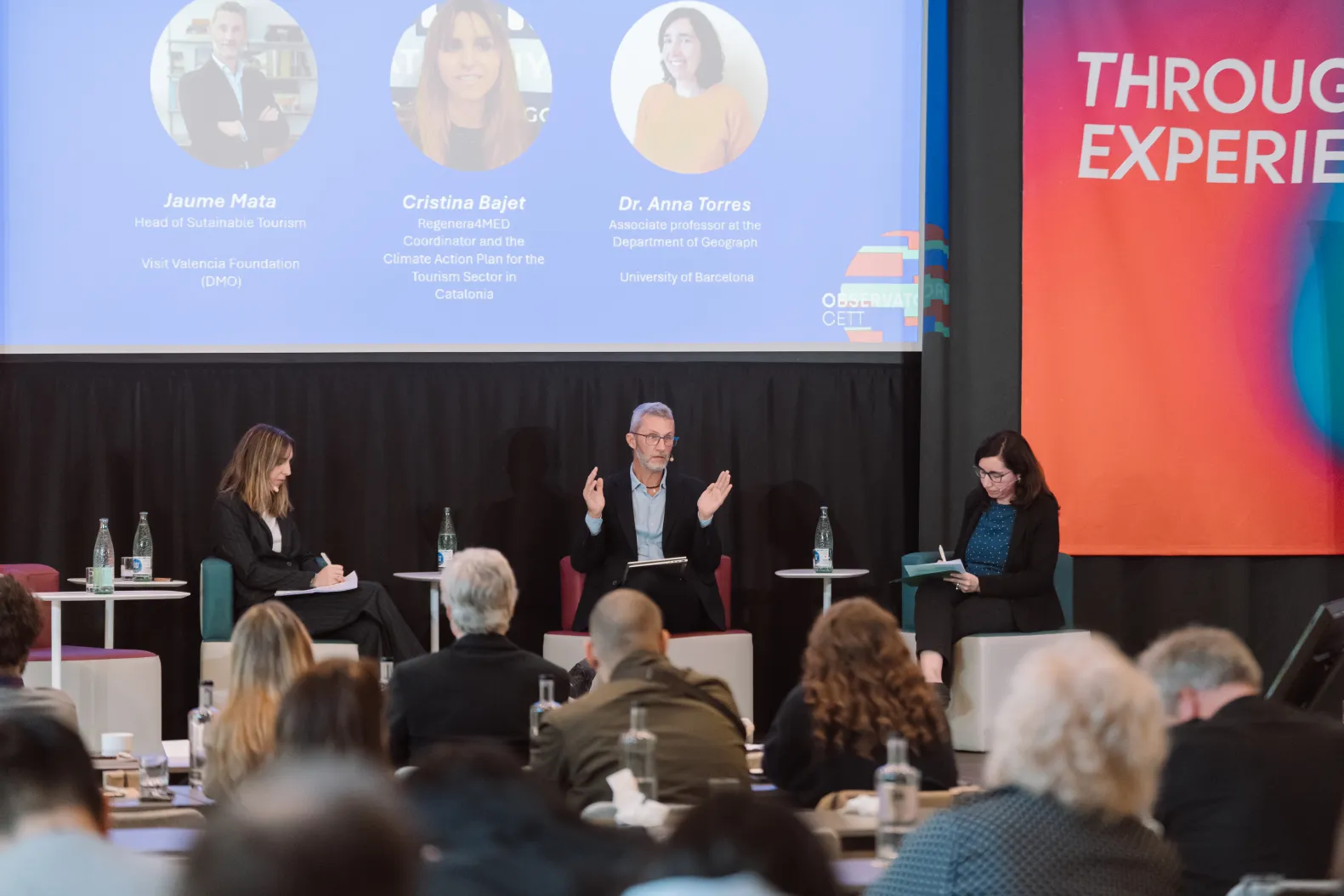
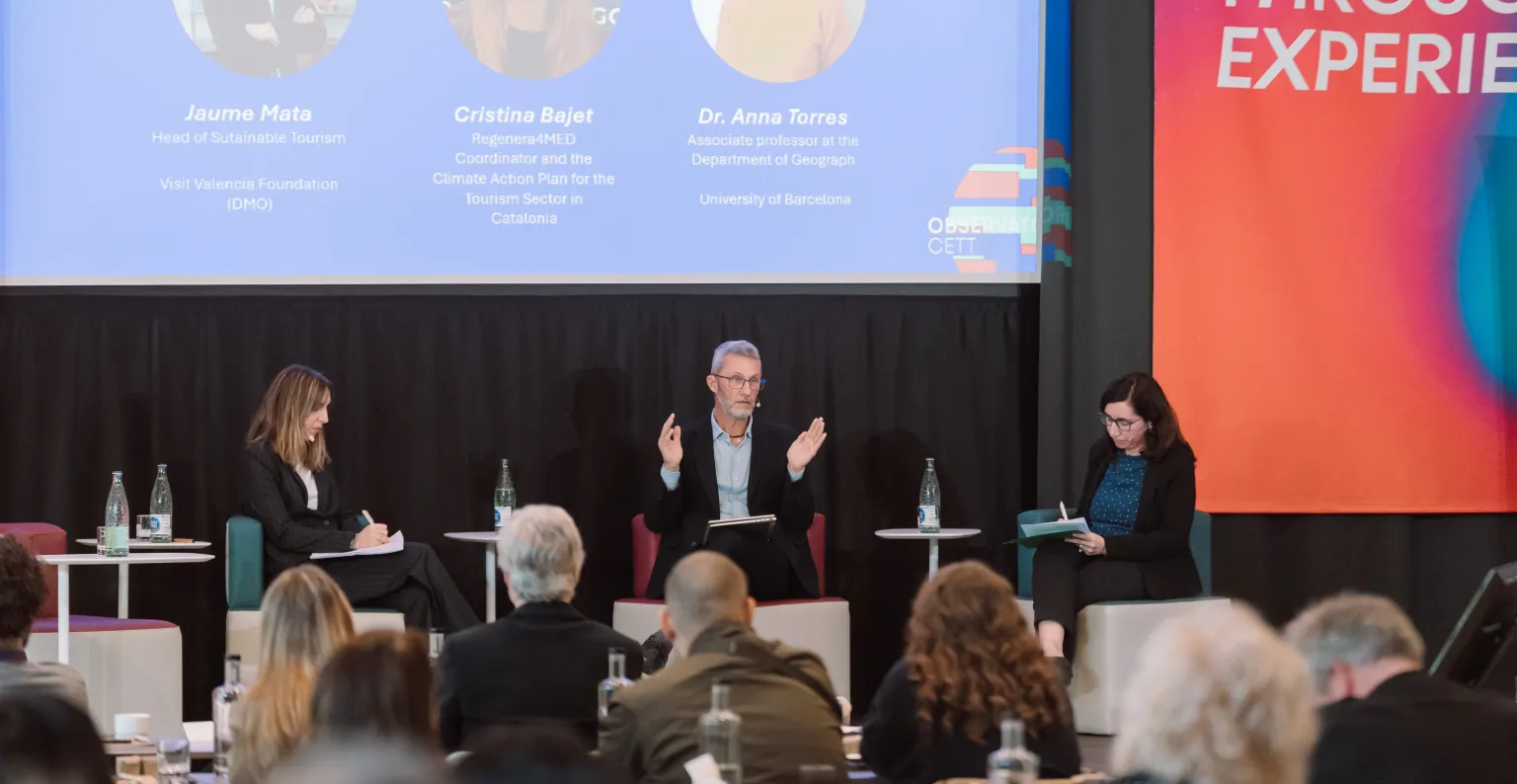
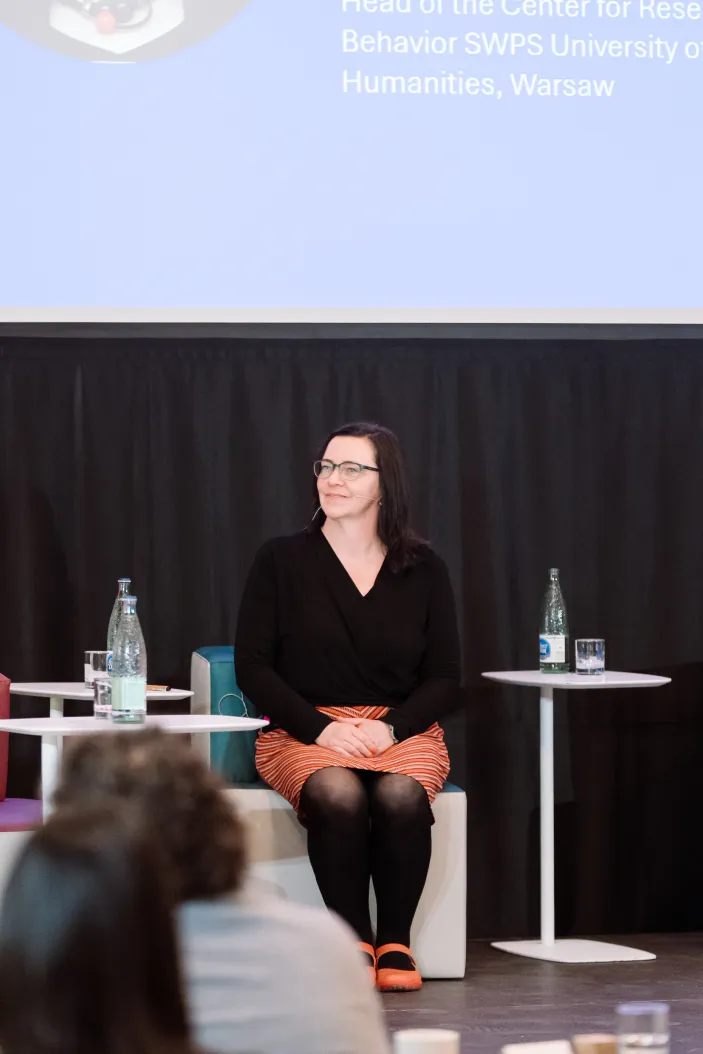
The two subsequent roundtable discussions highlighted two major challenges: knowledge gaps and implementation difficulties. Participants agreed on the need to generate high-quality data, define robust indicators and, above all, connect knowledge with action through effective policies and shared commitments.
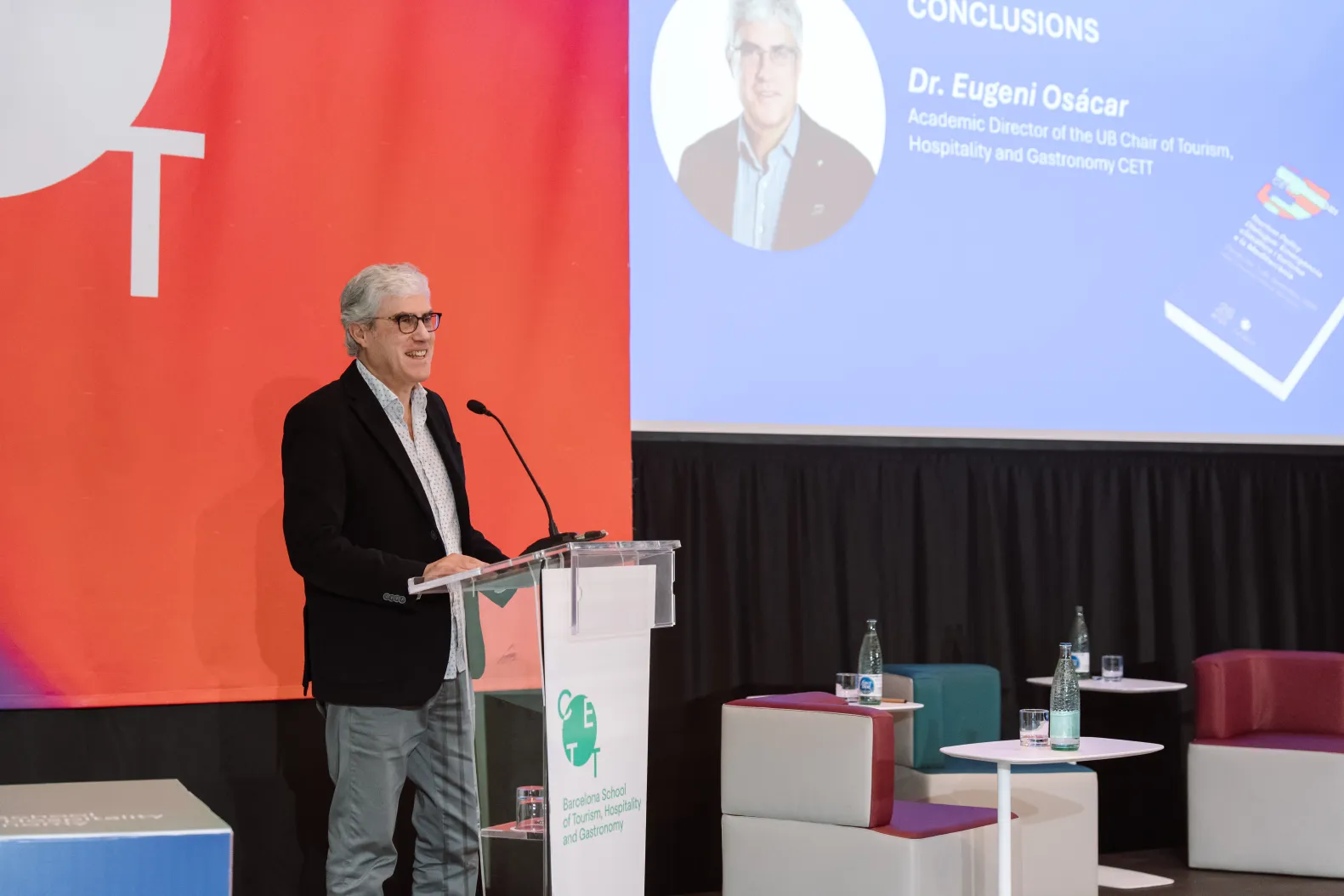
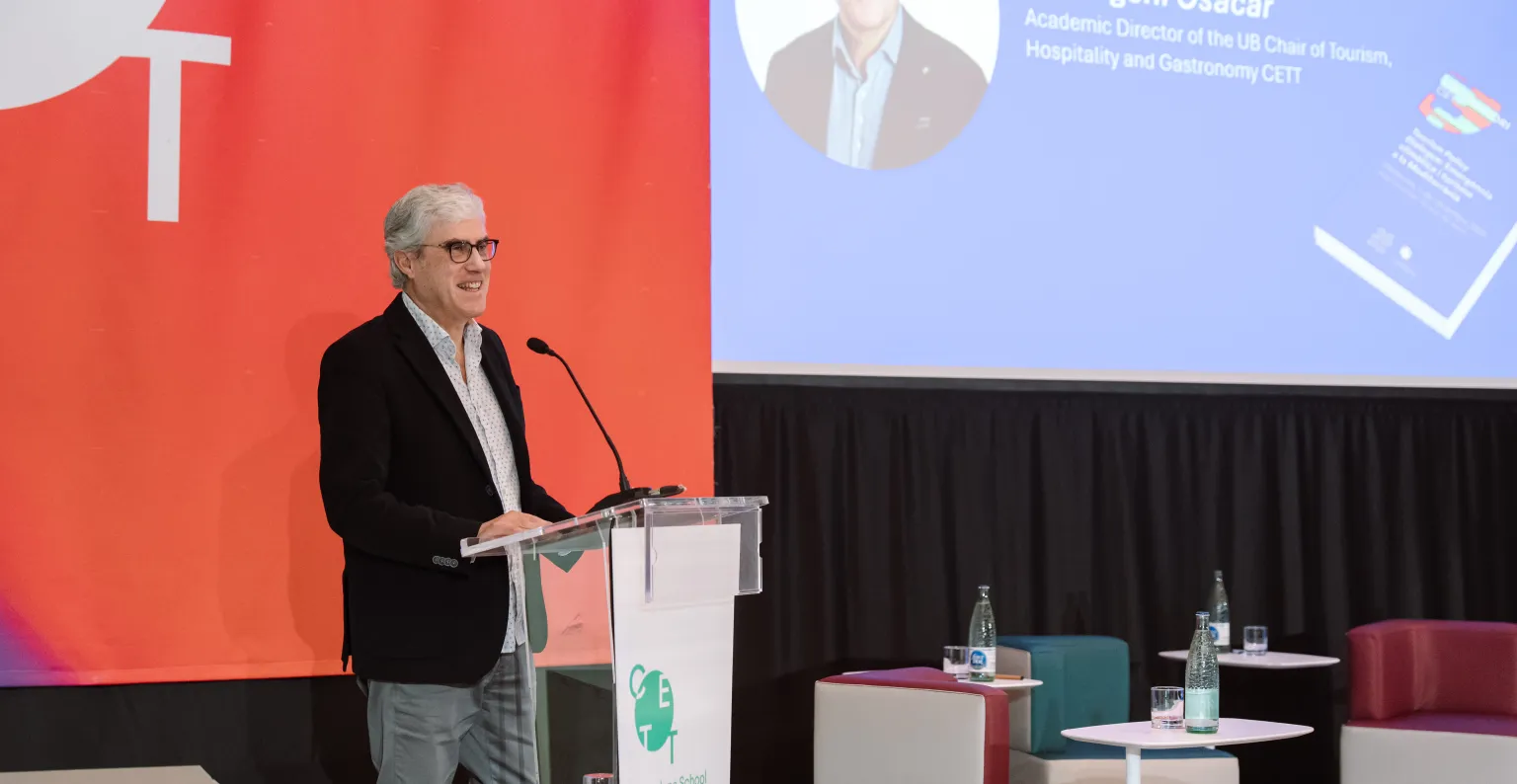
In this regard, Dr. Eugeni Osácar, Academic Director of the UB Chair in Tourism, Hospitality and Gastronomy, emphasized that talking about sustainability also means talking about the viability of future tourism. Therefore, only through joint action — grounded in data, rigorous communication and a long-term vision — will it be possible to strengthen territorial resilience.
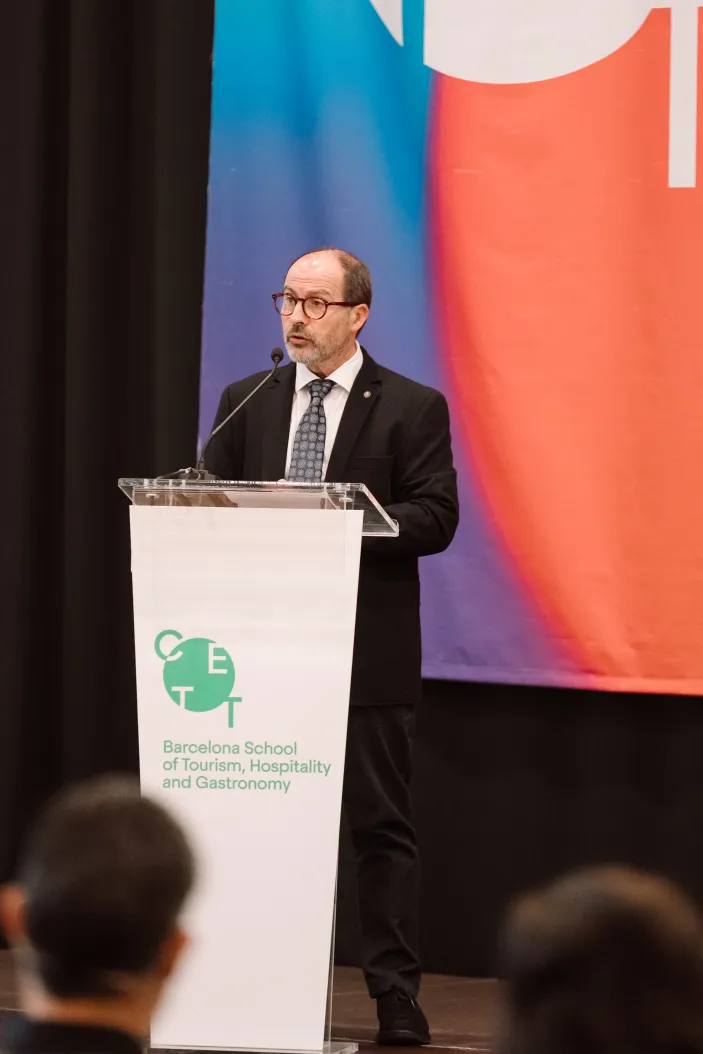
From the CETT Fundació, the role of academia as a catalyst for change was reaffirmed, offering spaces for critical reflection and meaningful knowledge transfer to the territory. “It is time to learn together and act efficiently. The challenge is not only the sustainability of tourism, but that of the planet.” Planning based on data, transforming knowledge into impact and raising awareness through education are essential steps towards advancing tourism aligned with planetary boundaries and the needs of people and communities.
This CETT Policy Dialogue has consolidated itself as a key platform for placing knowledge at the service of climate action, reinforcing the center’s commitment to a more conscious, regenerative tourism with a positive impact on society and the environment.