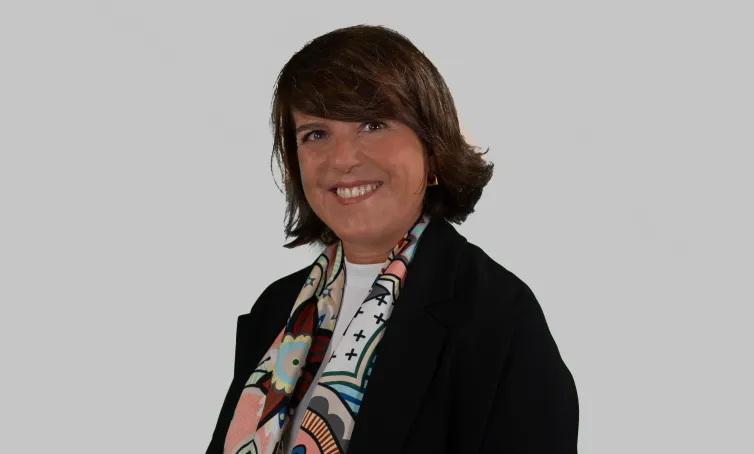
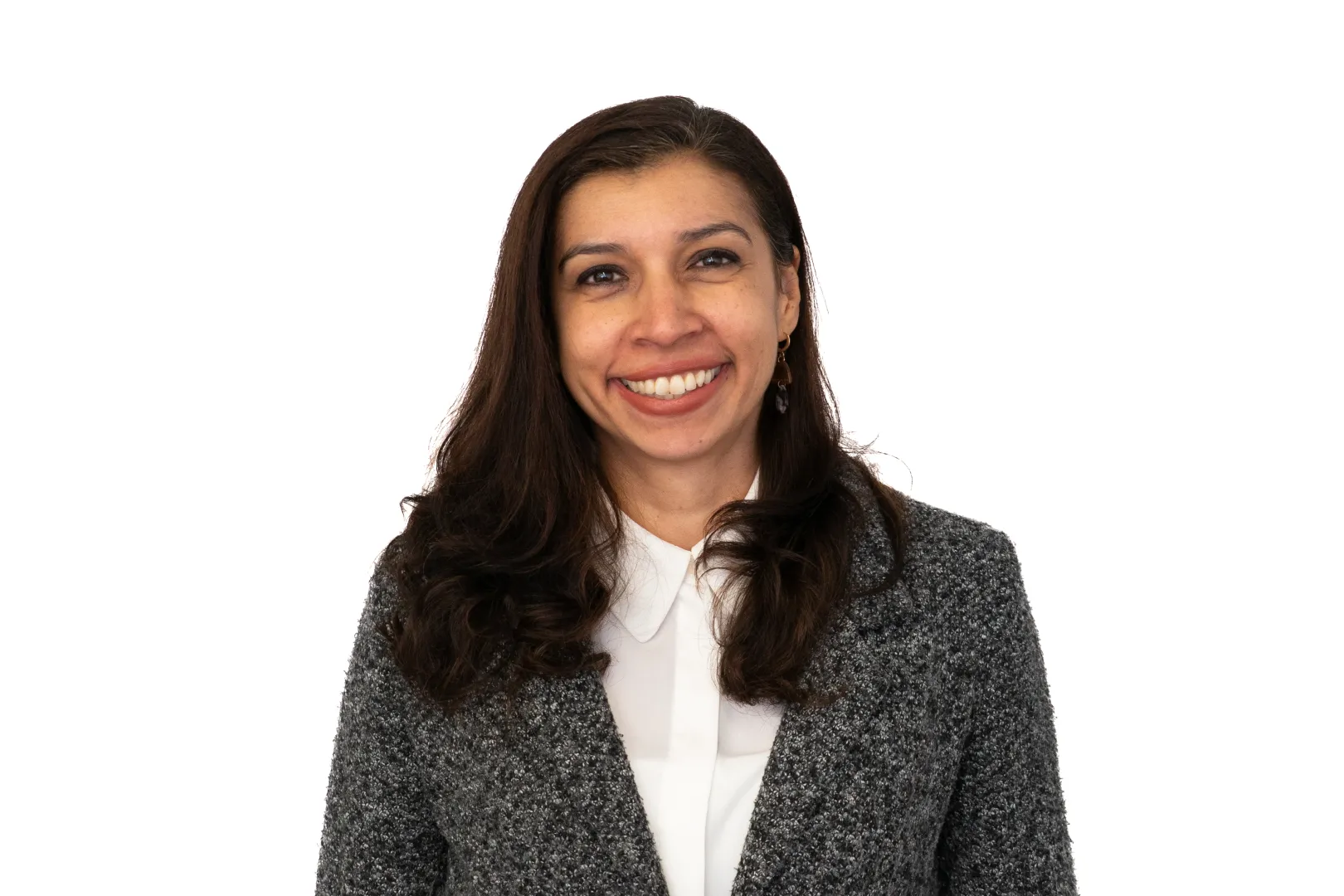
Dr. María del Pilar Leal Londoño, director of the First International Congress on Gastronomic Tourism: “It is necessary to understand gastronomic tourism as living heritage with a territorial impact.”
The conference brought together the international expert community and industry professionals for three academic days with visits to the region.
The First International Congress on Gastronomic Tourism, hosted by CETT and co-organized with the UPC in Lima, the University of Alicante through the Gasterra Chair, the University of Alcalá, and the UOC with the UNESCO Chair in Food, Culture, and Development, positioned Barcelona as a global meeting point for academic and professional reflection on the future of the sector.
We spoke with its director, Dr. María del Pilar Leal Londoño, to learn about the main conclusions of the three-day event and the prospects it opens up.
- How did the International Congress on Gastronomic Tourism come about, and which realities does it seek to address?
It emerged in response to the need to create a space for reflection, discussion, and debate between the academic and professional communities in this field, with the added value of offering a plural and diverse perspective that had not yet been present in any international academic congress. In a context of growing interest in research on gastronomic tourism, this congress allows us to systematize knowledge, connect research with practice, and respond to the sector’s current challenges.
Moreover, we work from an approach that integrates Latin American and Ibero-American perspectives, incorporating voices that have historically had less presence in these types of academic gatherings. Most international congresses dedicated to gastronomic tourism are organized by English-speaking institutions and universities, and sessions on this topic are generally conducted in English.
In response to this reality, we have provided an accessible platform that broadens participation and gives visibility not only to Spanish-speaking researchers but also to young academics who may not have the financial resources to travel to Europe and attend such events. In this way, we contribute to decentralizing the debate and enriching it with perspectives that go beyond the European framework.
- The sector is currently rethinking tourism on a global scale. Do you believe the Congress has contributed to opening new perspectives and approaches to better understand the link between gastronomy, territory, and sustainability?
It is a pleasure to say that it has. The Congress has made visible and tangible the fact that gastronomic tourism is not merely a trend, a fashion, or a subcategory within cultural tourism, but rather a field with its own identity.
Regarding perspectives, several presentations highlighted emerging trends related to regenerative tourism and slow tourism, which move beyond the classical concept of sustainability and propose a more comprehensive framework structured around three differentiated axes: social, economic, and environmental sustainability.
Furthermore, the need to understand gastronomic tourism as living heritage with territorial impact on communities became evident. This opens the possibility of using it as a tool for innovation within territories, with significant opportunities for applied research.
- Have new areas of research or innovation in gastronomic tourism been identified that open up new lines of study or collaboration between universities and the sector?
Yes. For example, new perspectives emerged from an unusual convergence for congresses of this kind, always from a clearly scientific standpoint. Among them, the incorporation of food design applied to gastronomic tourism stands out, opening new possibilities for analyzing the relationship between creativity, experience, and territory.
Likewise, the archaeological recovery of gastronomy proved particularly relevant. It enables the interpretation of consumption, identity, and community-building from a historical perspective, offering a long-term view of the tourism-gastronomy phenomenon.
The role of digitalization and digital platforms was also addressed as transformative tools that reshape how gastronomy is understood, communicated, and experienced. From a behavioral analysis perspective, reflections were made on audiovisual narratives and the role of fiction in constructing destination images, as well as on how these representations influence both experience and travel decisions.
Finally, a significant number of presentations focused on education and landscape — a research line that remains relatively underexplored. Another important achievement of the Congress was the participation of sector professionals, who provided a complementary perspective to the academic one, highlighting the potential for applied research collaboration that should continue to be developed.
- Which academic contributions from this first edition would you highlight, and how might they transform the tourism industry?
First and foremost, the methodological diversity: qualitative and ethnographic analyses, digital analysis, content analysis, experiential and social experimentation approaches. These research methodologies strengthen and bring rigor to the study of gastronomic tourism.
Additionally, a convergence of disciplines was confirmed, with researchers and professionals analyzing the sector from geographical, business, economic, marketing and communication, and innovation perspectives. This demonstrates a growing cross-disciplinary interest in studying the phenomenon in all its dimensions.
The collaboration among universities and the diversity each one brings allowed us to move beyond a certain European centralism and engage in dialogue with powerful gastronomic contexts such as Uzbekistan, India, Mexico, and Chile. This has expanded international projection through a global, multidisciplinary vision connected to innovation and knowledge transfer.
- The Congress was held in Barcelona for the first time and will now become itinerant. What has it meant for CETT to host and lead its organization?
It has enabled us to position ourselves as a reference in gastronomic tourism. At CETT, we have been working in this field for years through the Master’s in Innovation in Tourism Management, particularly within the specialization in Culinary and Gastronomic Heritage. This Congress has allowed us to project and materialize that accumulated experience.
The inter-university and international character of the event strengthens the gastronomic tourism agenda and reinforces Catalonia’s position as World Region of Gastronomy 2025 from a scientific perspective. It has also fostered new alliances and synergies between companies and the academic community.
- One of the Congress’s distinctive features was the field visits and activities in destinations across the territory. What value does this connection between theory and practice bring?
As you point out, it connects. It connects the more conceptual academic dimension with a practical territorial application. While many congresses include field visits, they are not usually integrated into the daily structure of the Congress as they were in this case.
These experiences allowed participants to observe living heritage in situ, understand community dynamics, analyze discourse, and debate based on direct experiential engagement, thus generating a holistic and enriching vision of the phenomenon.
- How important is it, for the success of such an event, to bring together representatives from universities, public institutions, companies, and tourist destinations?
It allows us to design — or at least contribute to — new strategies adapted to territorial realities, as well as to identify elements that generate new lines of research or joint work. In fact, participating companies stated that the space opened their eyes to new ways of understanding their work, from tour guides to sommeliers.
These synergies also generate social benefits, as they incorporate the perspectives of those working directly in the territory, offering a broader, more reflective, and even critical view of the sector, which ultimately translates into positive community impact.
- Looking ahead, what do you consider to be the major challenges that gastronomic tourism will face in the coming years?
In the field of education, it is essential to prepare professionals capable of understanding and managing elements of living heritage without trivializing gastronomy or the identity components of territories. Future editions of the Congress should open ethical debate spaces focused on identity, culture, and the impact this phenomenon generates in territories of consumption.
Addressing impacts rigorously is essential. Anne-Mette Hjalager, Professor at the Department of Business and Environmental Science at the University of Southern Denmark and keynote speaker at the Congress, emphasized the need to measure the real impact tourism produces in territories beyond the romanticized images circulating on social media and digital platforms.
In the coming years, gastronomic tourism will need to move decisively in this direction. The idyllic perception often projected does not always align with the lived experience of local communities, and concrete, sustainable responses to these impacts will be necessary.