Sant Jordi 2026 | What to do to enjoy Barcelona’s architecture during the World Capital of Architecture 2026 and the Gaudí Year
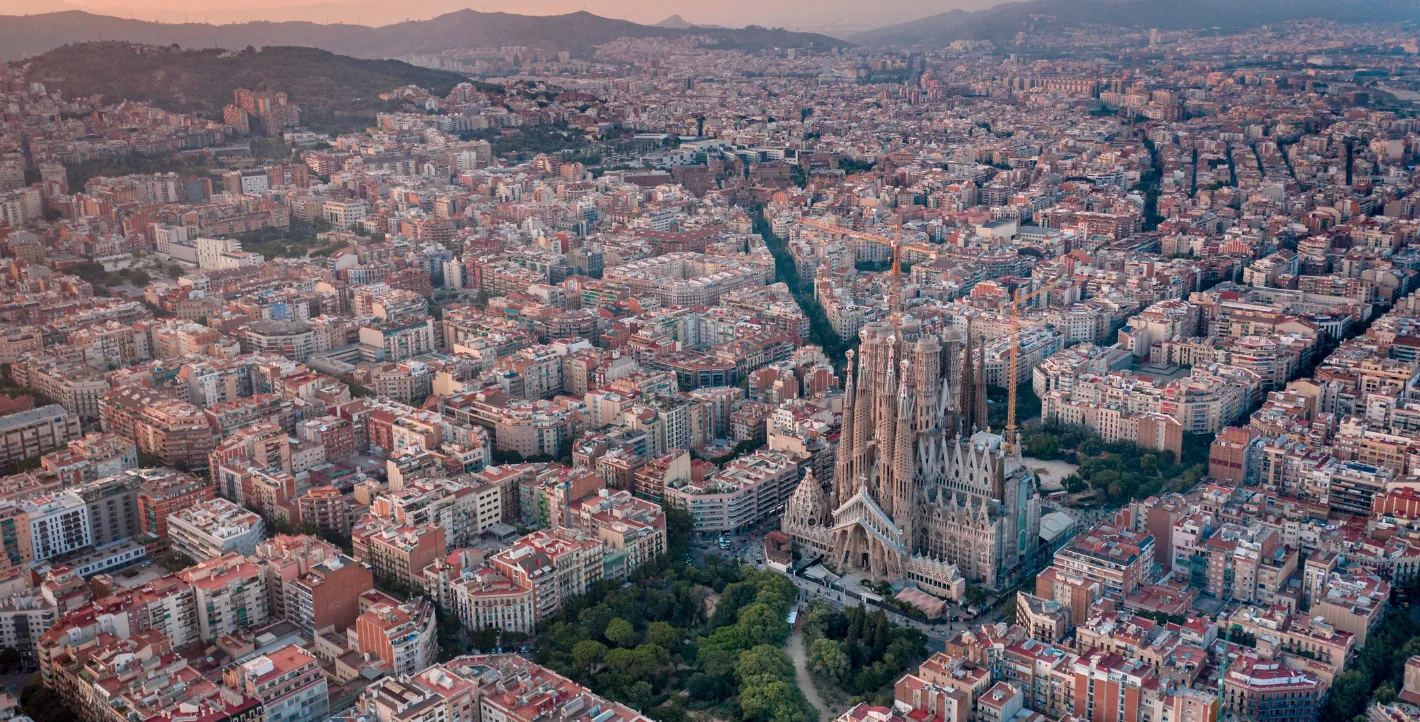
Architectural heritage is a key element in cultural tourism and in the image of destinations. In 2026, Barcelona becomes a privileged setting to rediscover it through the Gaudí Year and the World Capital of Architecture, two initiatives that reinforce its value and appeal.
Architectural heritage can be considered one of the primary resources for the development of cultural tourism in cities; on the one hand, because the origins of cultural tourism are closely linked to the fascination with visiting, among other attractions, major architectural icons such as the Colosseum in Rome or the Duomo in Florence; on the other hand, because architectural spaces continue to be among the main attractions of destinations.
At the same time, architectural heritage not only acts as a magnet for tourist flows but also forms the core of the image projected by destinations and is a key driver of visitation.
In this regard, Barcelona is no exception. As noted by Osácar Marzal (2016), the architectural resources of the Catalan capital, and especially modernism, constitute some of the main attractions and most positive elements of the city’s image, both for current and potential visitors.
This year, two initiatives linked to the city’s cultural and architectural heritage highlight and reinforce the importance of Barcelona’s architectural uniqueness.
Gaudí Year: modernist architecture in Barcelona
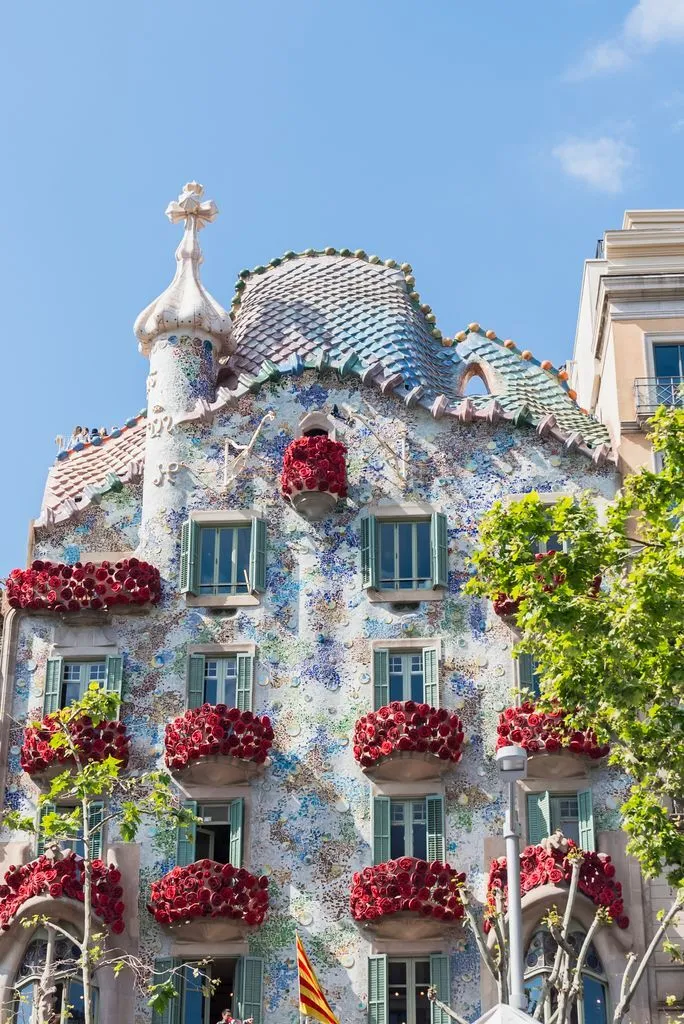
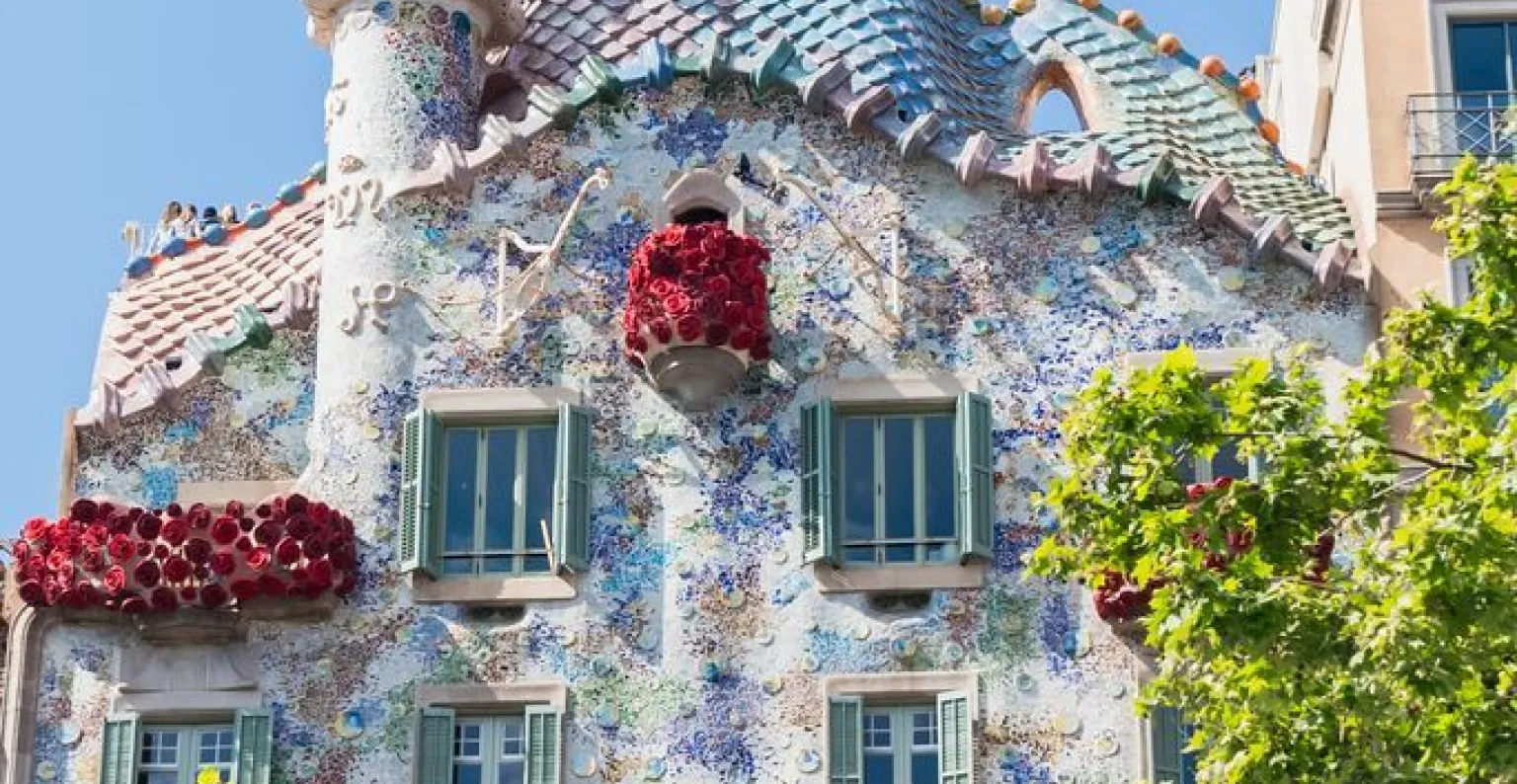
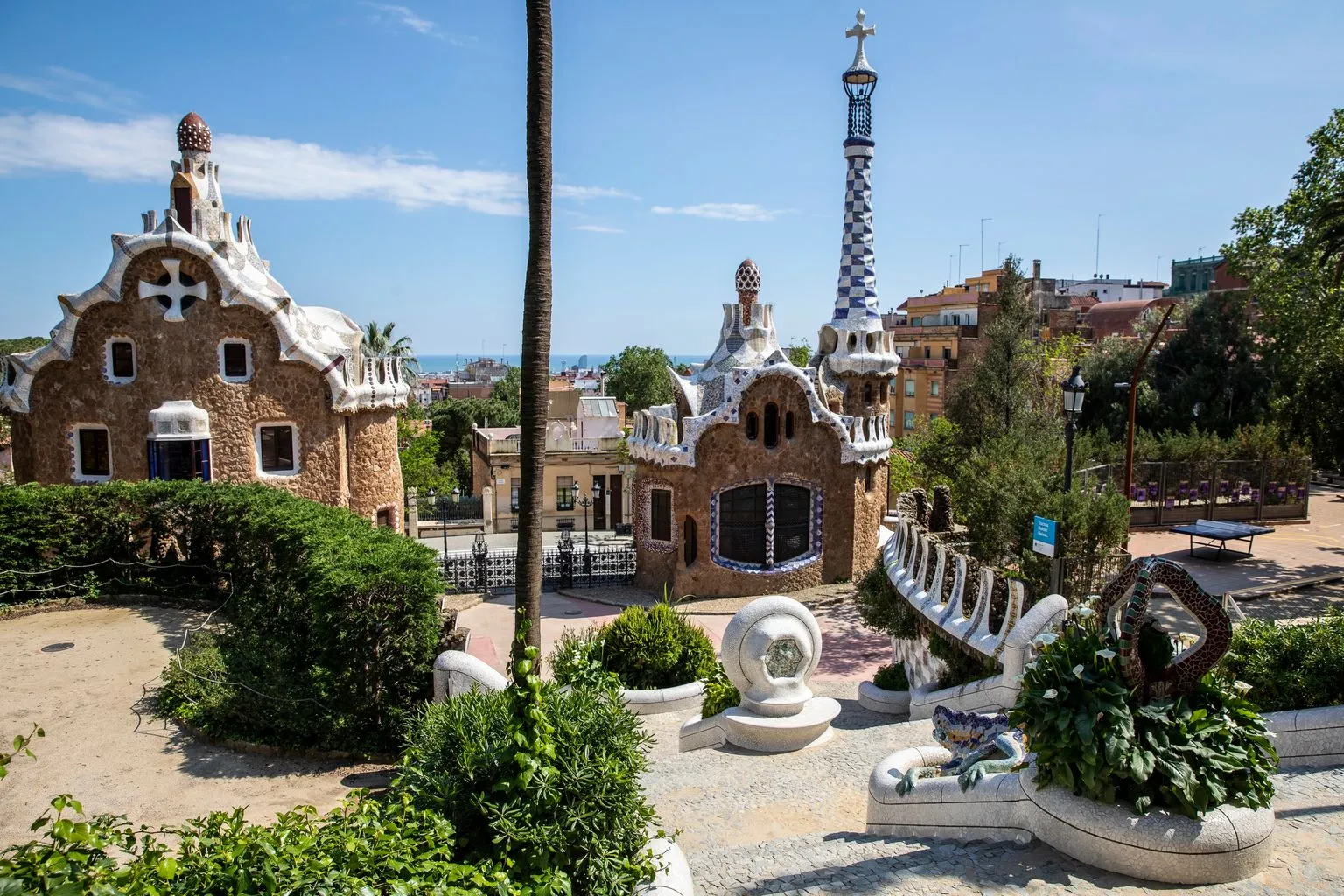
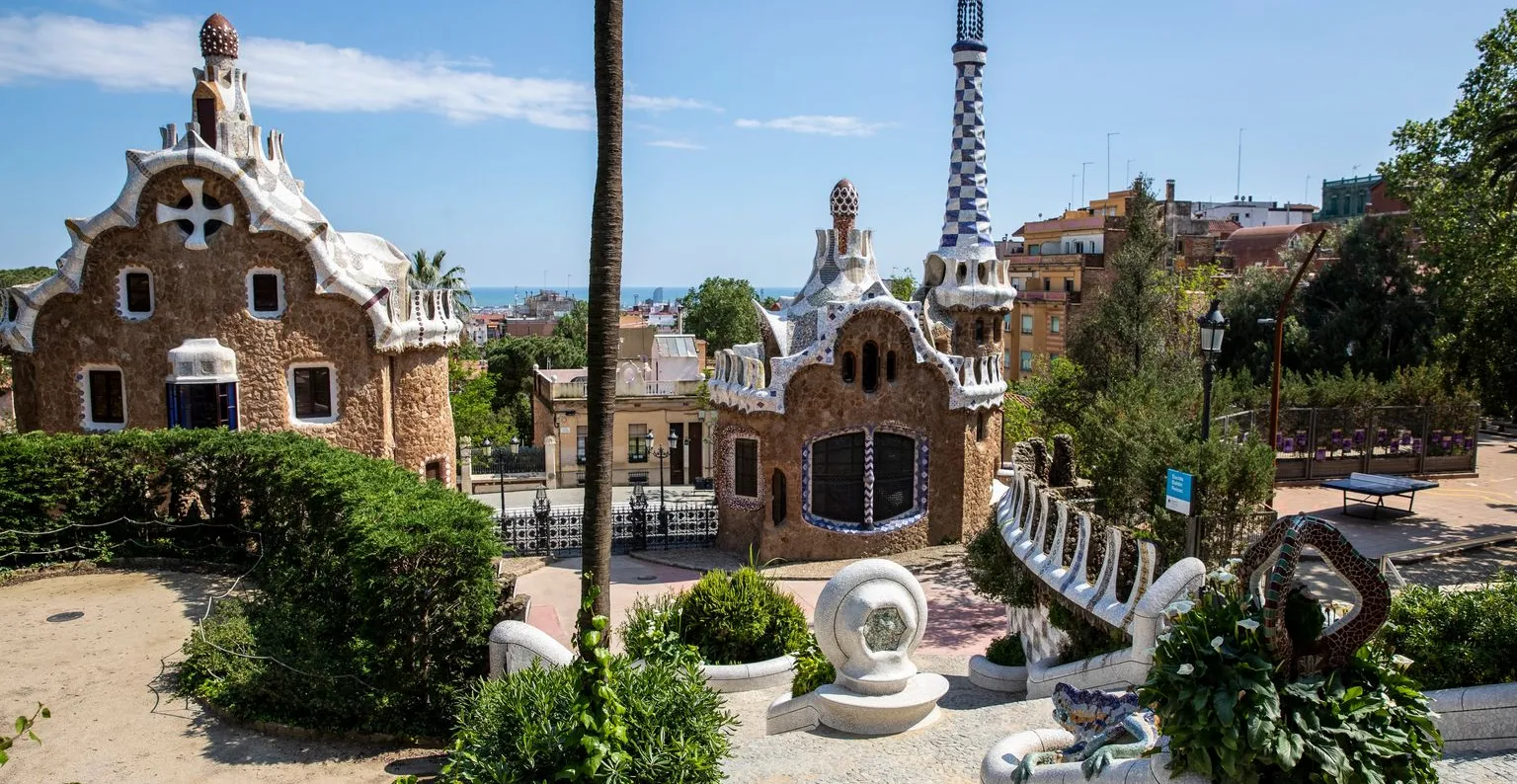
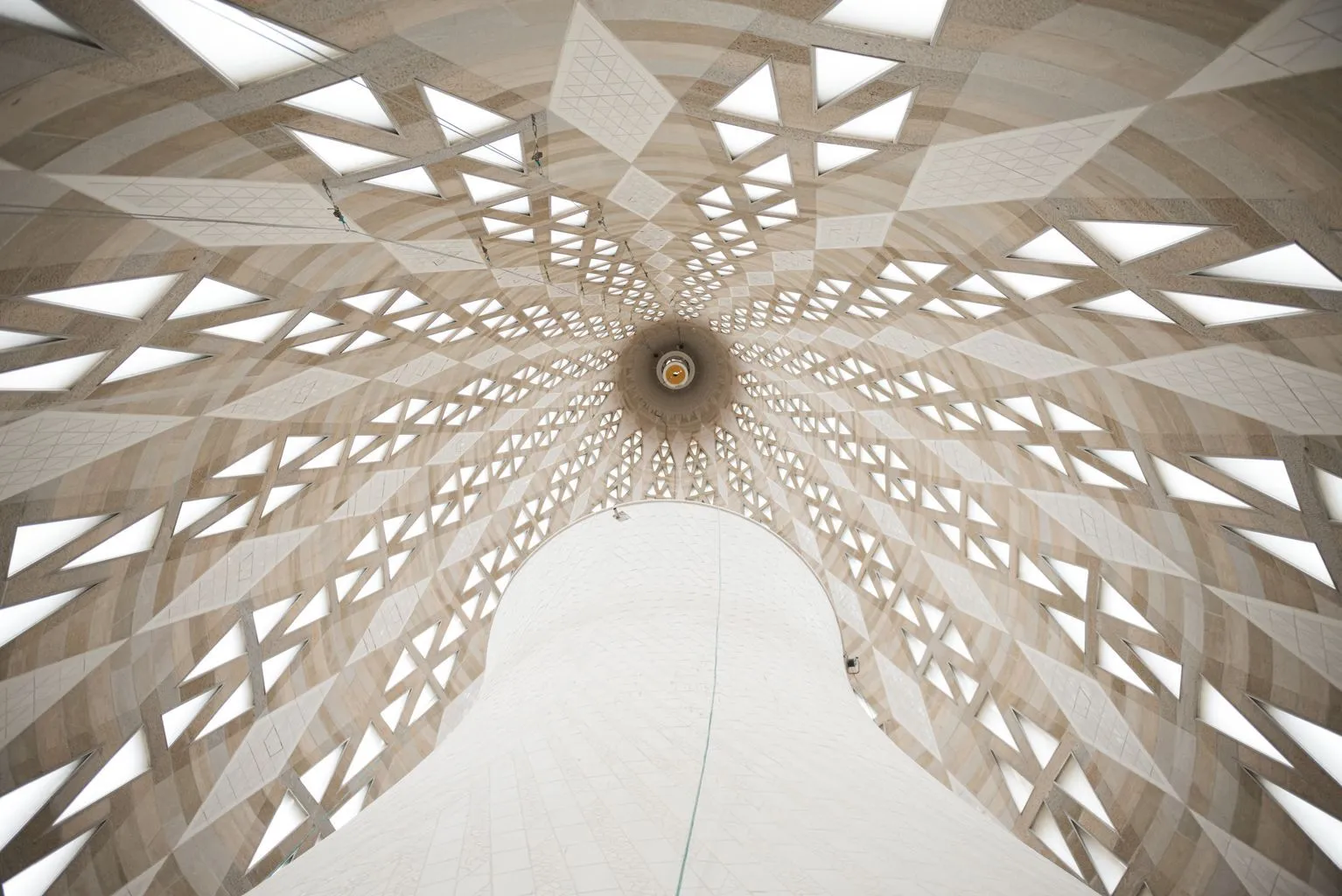
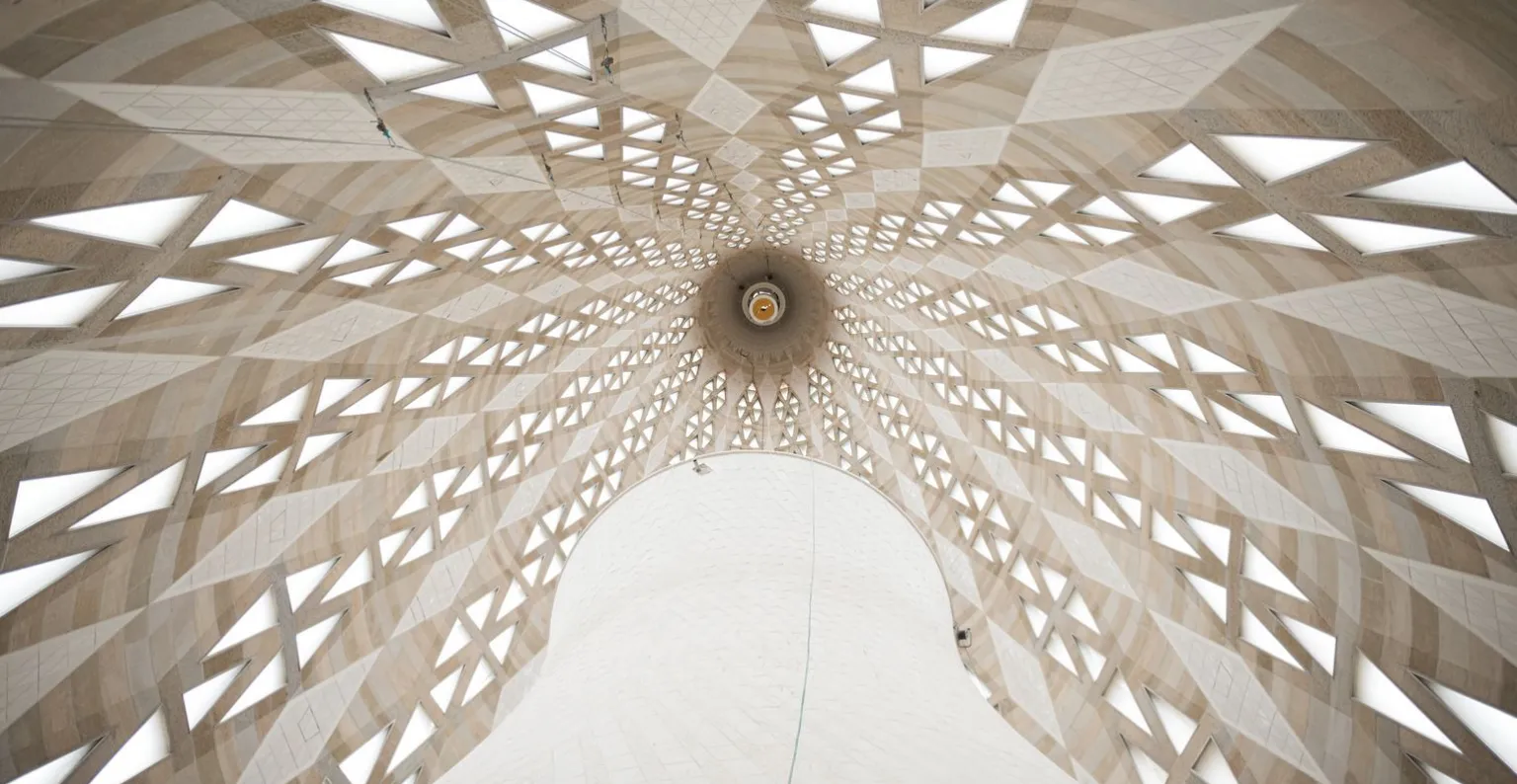
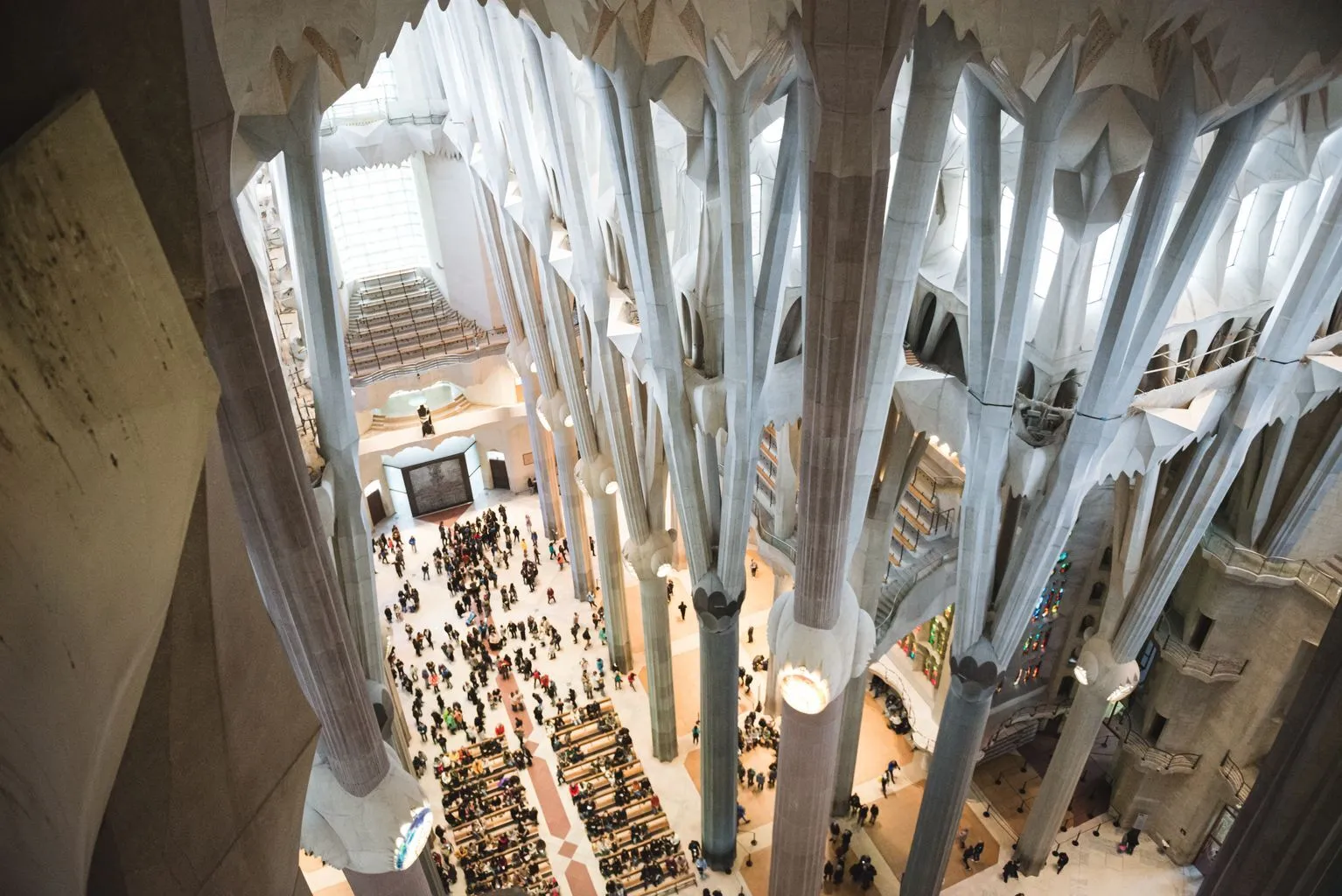
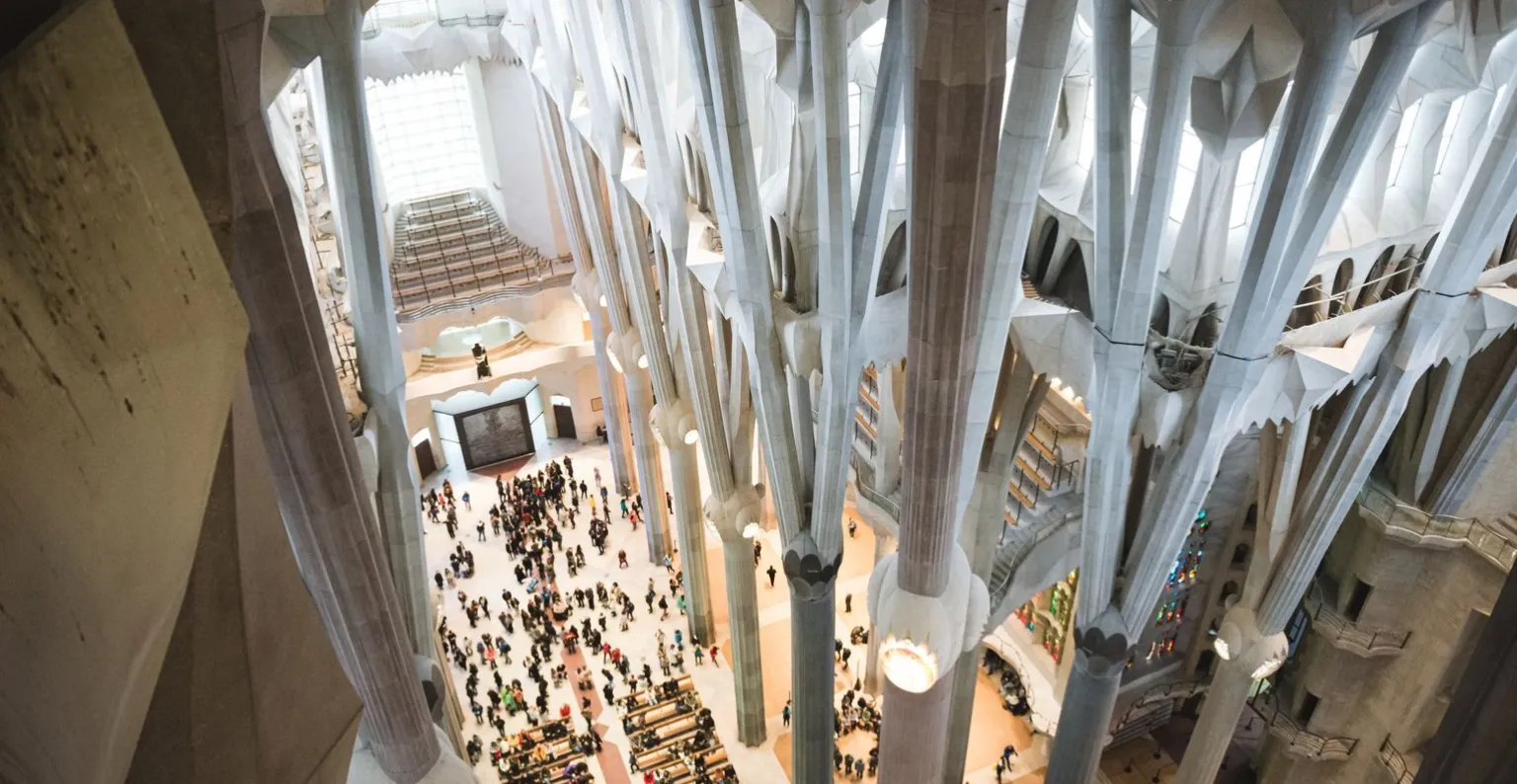
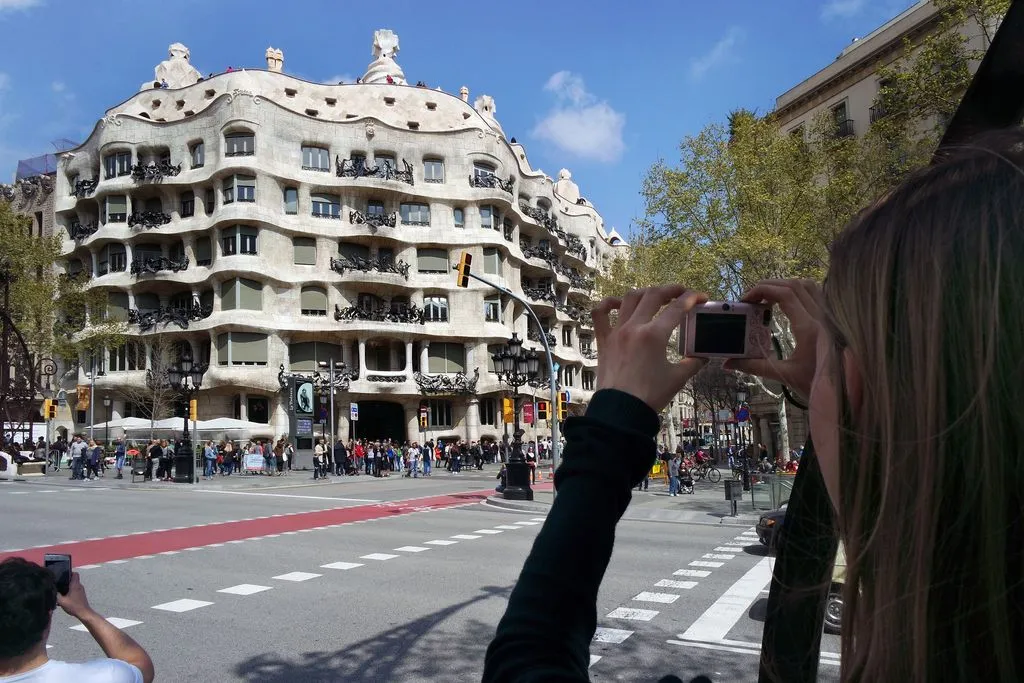
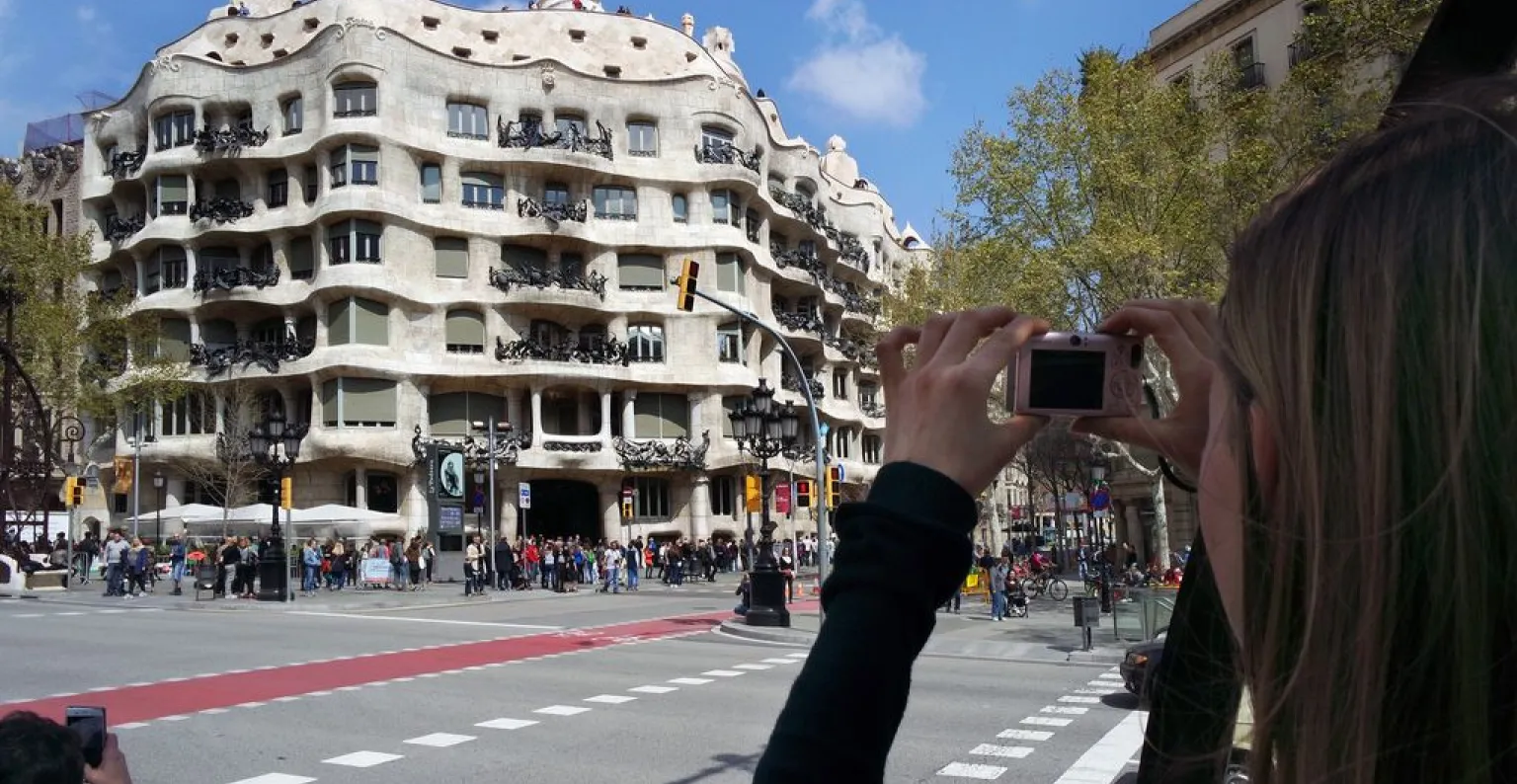
On the one hand, 2026 has been declared Gaudí Year to commemorate the 100th anniversary of the death of the architect from Reus, one of the leading figures of Catalan modernism. Seven of the buildings designed by Antoni Gaudí have been included on the UNESCO World Heritage List: Park Güell, Palau Güell, Casa Milà, Casa Vicens, Gaudí’s work on the Nativity façade and the crypt of the Sagrada Familia, Casa Batlló, and the crypt of Colonia Güell.
Given the global significance of his work, throughout 2026 the Generalitat de Catalunya has promoted a wide-ranging programme of activities aimed at raising public awareness of his legacy. This commemoration also seeks to highlight the interconnection between all his works and to emphasise the scientific dimension of Gaudí’s creations, beyond the traditional disciplines of art history and architecture.
The Gaudí Year 2026 programme includes a variety of activities mainly in Barcelona, but also in other locations across Catalonia and Spain where Gaudí’s works can be found. These include exhibitions, concerts, projection mappings, and academic presentations, as well as the inauguration and blessing of the Tower of Jesus Christ at the Sagrada Familia.
Barcelona World Capital of Architecture 2026
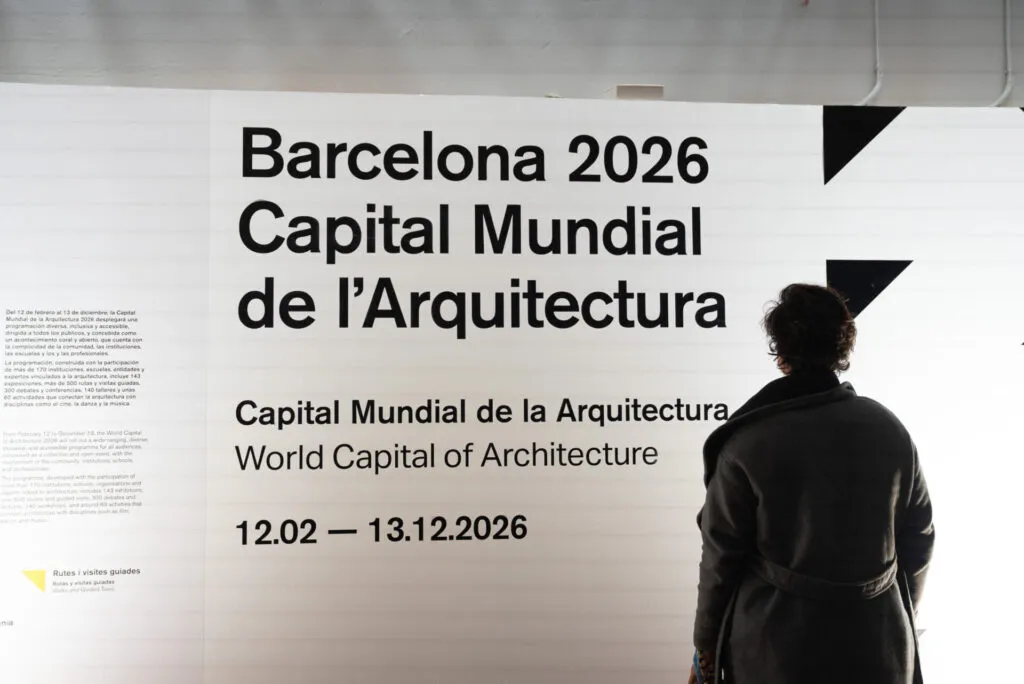
On the other hand, UNESCO and the International Union of Architects have named Barcelona the World Capital of Architecture for 2026. This initiative, promoted by Barcelona City Council, aims to bring architecture, urbanism and landscape design closer to all audiences through a diverse programme.
Under the motto “10 months, 10 districts, 10 venues” each month a different district will take centre stage, helping to showcase heritage across neighbourhoods in a decentralised way and encouraging reflection on the impact of architecture on everyday life.
The programme includes a wide range of activities such as exhibitions, workshops, film screenings, debates, routes and guided tours, all available in the official programme of the Barcelona World Capital of Architecture 2026.
Sant Jordi 2026: cultural tourism plans in Barcelona
Thanks to these initiatives that highlight the architectural heritage of the region, this year offers a unique opportunity to enjoy the architectural richness of Barcelona and Catalonia.
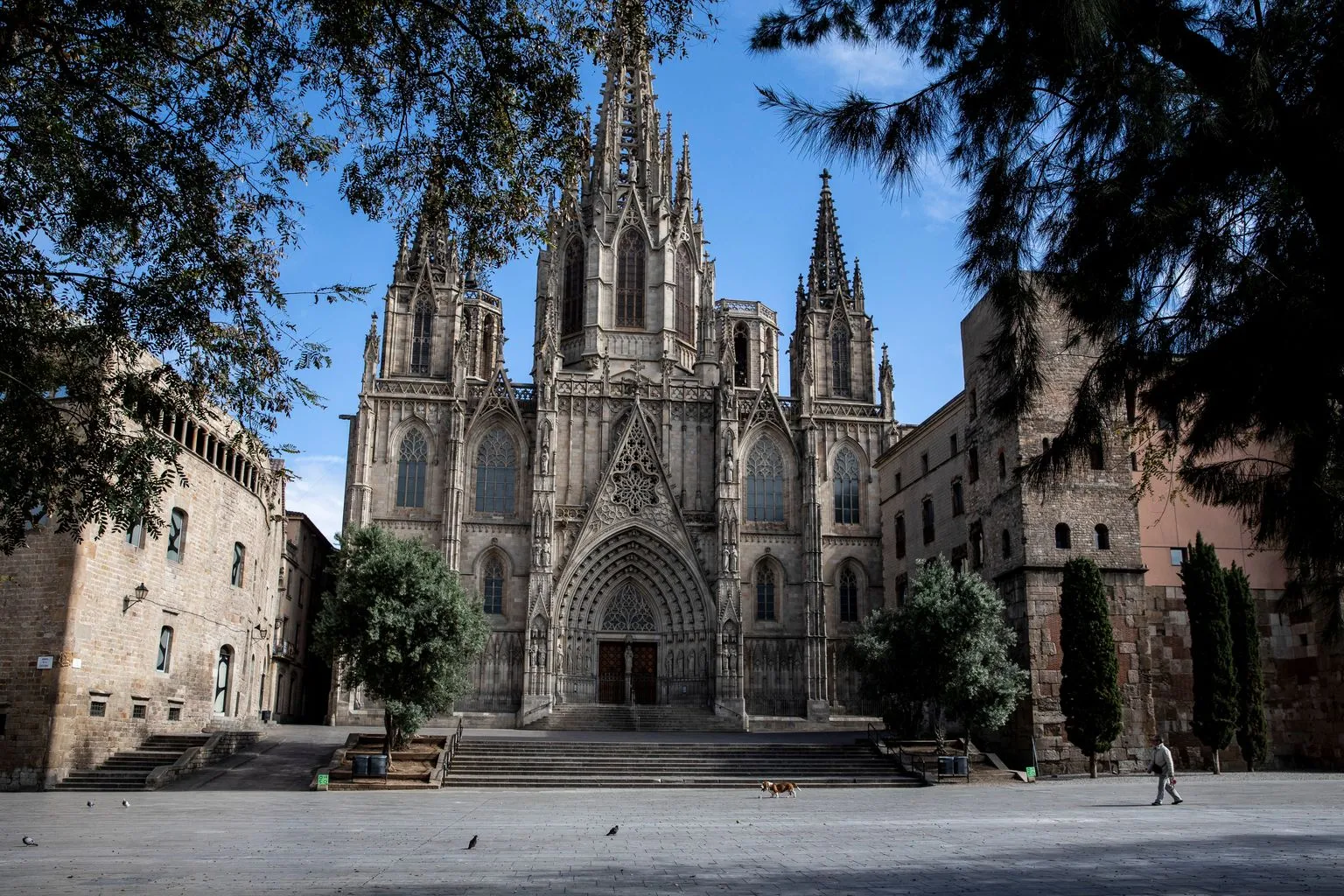
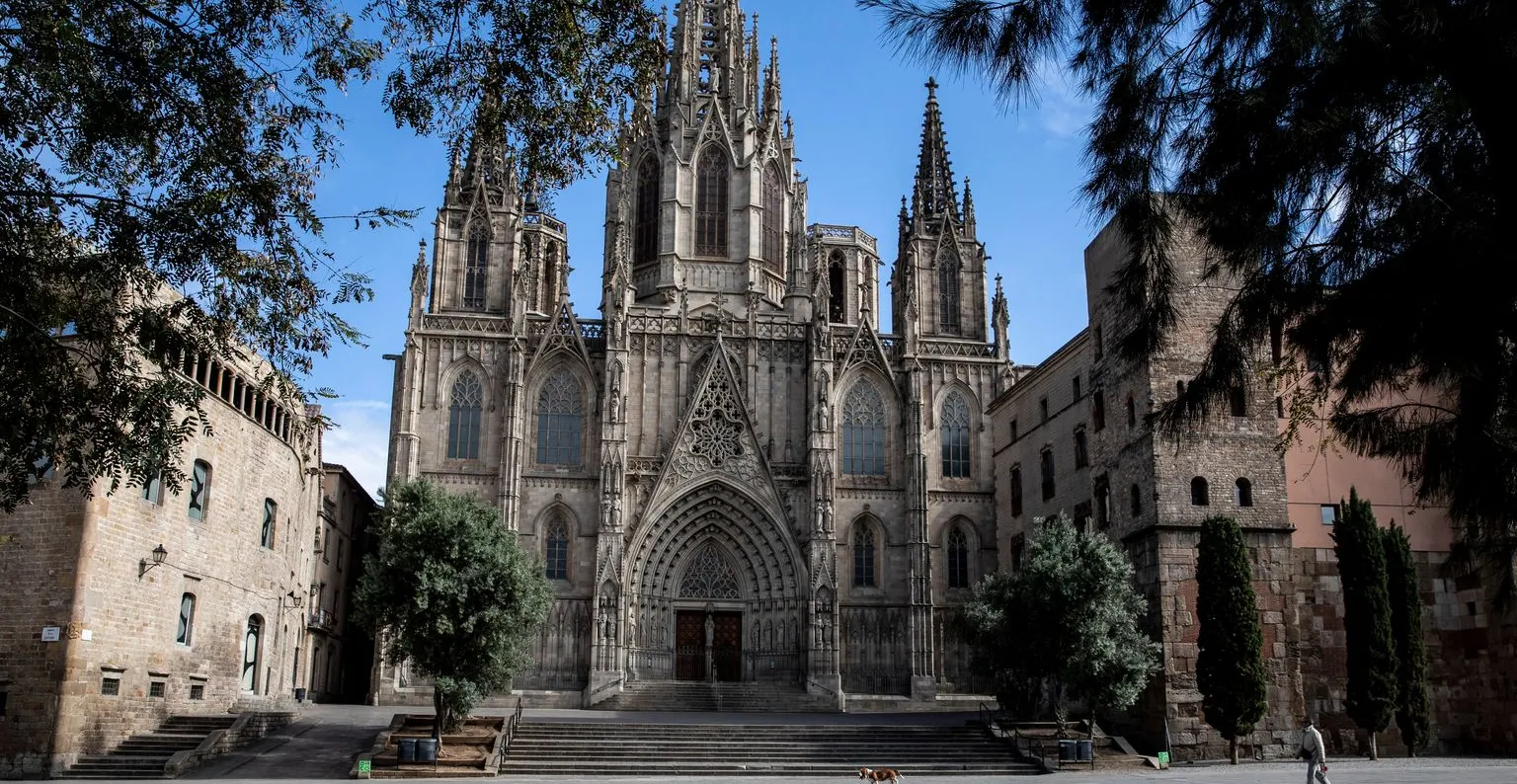
For example, Barcelona Cathedral has recently launched an immersive virtual reality experience focused on Gaudí. Visitors can move from the Sala de la Mercè to Gaudí’s workshop through VR headsets, experiencing how he worked on his creations.
This allows visitors to discover, guided by Gaudí himself, his working methods and the connection between his architecture and nature, while observing a faithful recreation of his original studio. The experience also explores his relationship with the Cathedral and the role of spirituality in his work. This activity is part of the Gaudí Year programme.
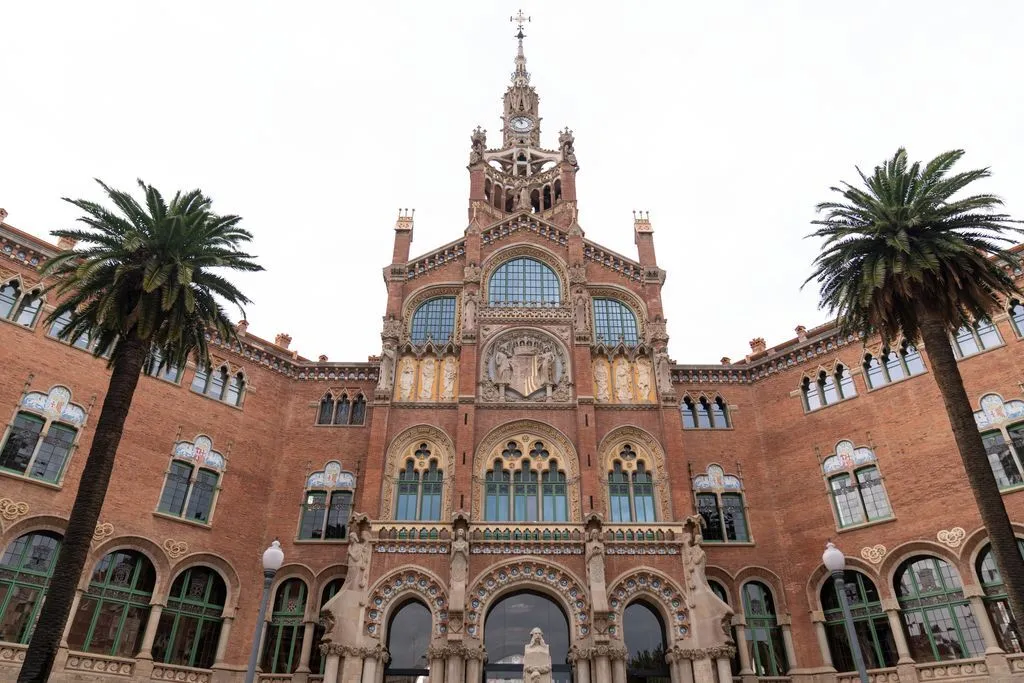
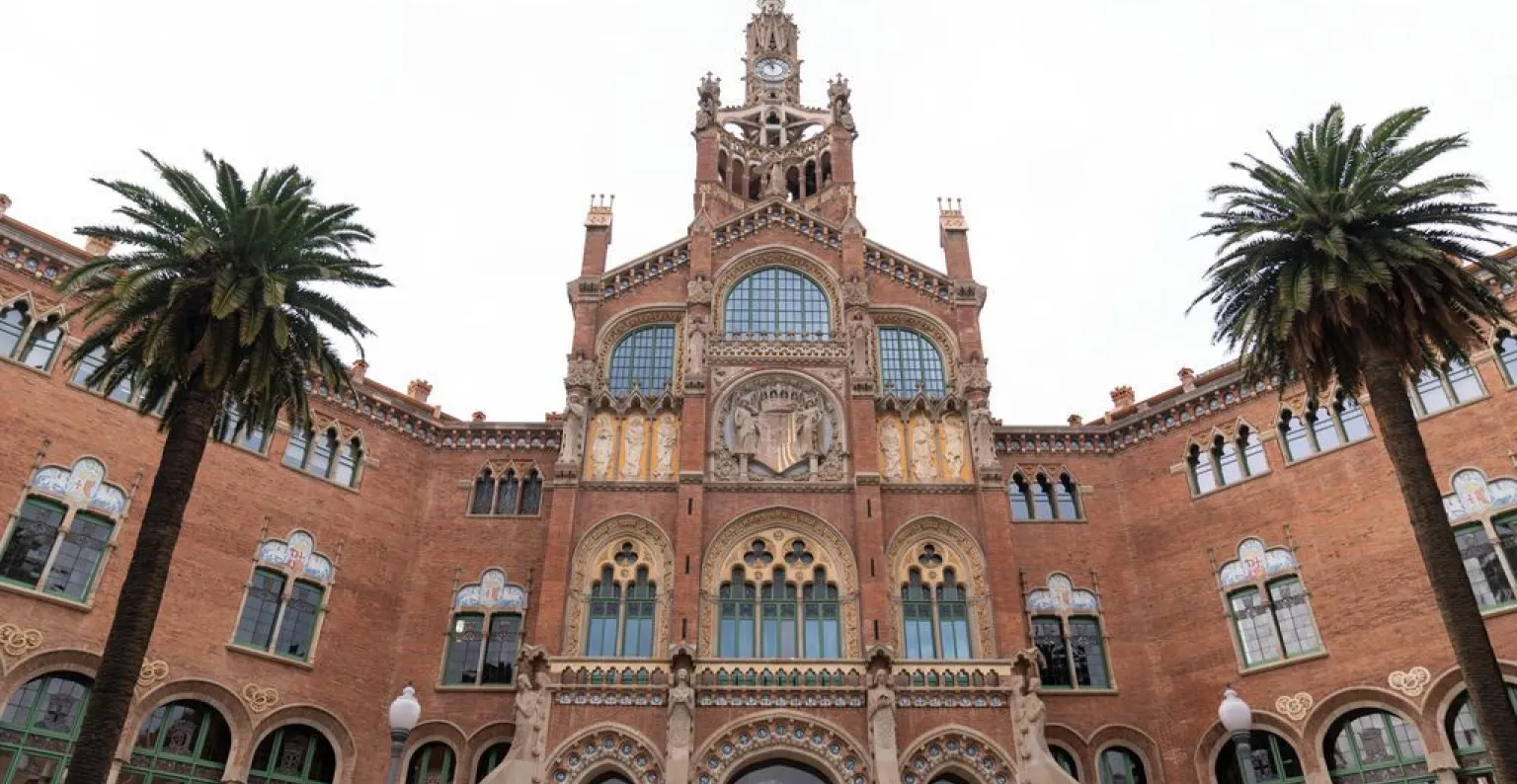
Beyond Gaudí, other key Catalan architects such as Lluís Domènech i Montaner also stand out. He designed, among other works, the modernist Hospital modernista de Santa Creu i Sant Pau, incorporating advanced hygienic ideas aimed at improving patient well-being.
Today, this building exemplifies how heritage spaces can accommodate multiple uses, from tourism visits to event hosting, as well as housing institutions such as WHO, UN-Habitat and Barcelona Health Hub.
Within the framework of the World Capital of Architecture, the Sant Pau Art Nouveau Site opens its doors to the public with guided tours, round tables and exhibitions. On Sant Jordi’s Day, visitors can even access the site free of charge and learn about the building’s restoration process.
Within the framework of the Barcelona World Capital of Architecture 2026, there are also other initiatives that approach architecture from a creative perspective. For example, the Museu de la Rajola offers, on selected Saturdays each month, the opportunity to learn about and practice the art of creating hydraulic tiles, a deeply rooted element closely linked to the modernist movement. Thanks to the hydraulic mosaic workshop, participants not only gain first-hand insight into this process, but can also take their own handmade tile home.
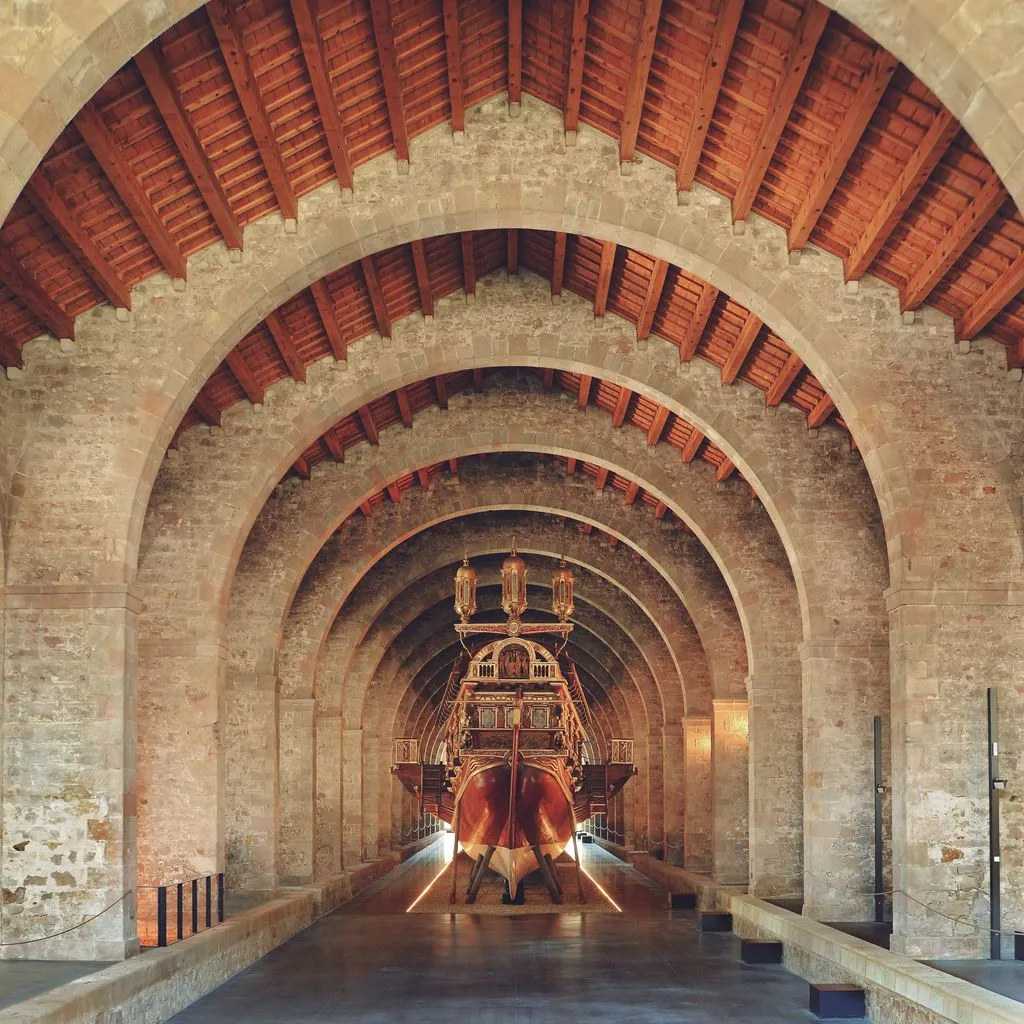
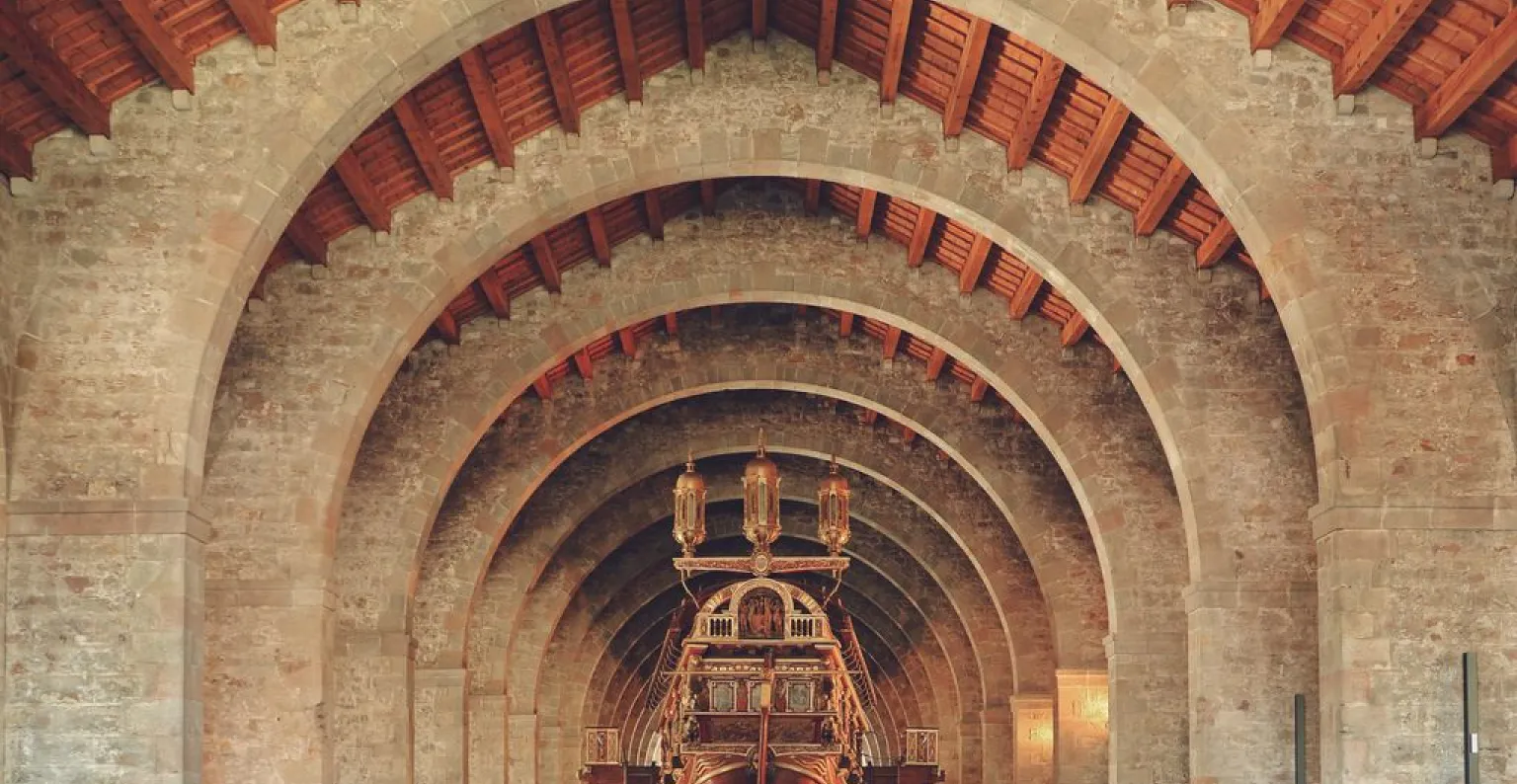
Another creative proposal comes from the Barcelona Maritime Museum, which goes beyond modernism to explore other architectural styles. The workshop Hands on: building the Shipyards invites families to discover traditional stone construction techniques used in the Drassanes and put them into practice. As in the previous workshop, participants can take home their own crafted piece.
These are just a few examples related to architectural heritage that we encourage you to explore throughout 2026.
Education and innovation for heritage management
In this context, education aimed at a holistic understanding of heritage and destination management becomes essential, not only to bring architectural and cultural heritage closer to tourists, but also to residents.
Moreover, the integration of technology in heritage spaces requires a solid foundation in cultural tourism mediation, as well as in the implementation of digitalisation processes to offer innovative experiences that facilitate access to culture for diverse audiences.
In this sense, several programmes at CETT Barcelona School of Tourism, Hospitality and Gastronomy, such as the Bachelor’s Degree in Tourism or the Master’s Degree in Innovation in Tourism Management, provide specialised training that addresses these new challenges in the cultural sector and connects students with initiatives like those described in this article.
About the authorship of the article
The writing of this article has been carried out by the following individuals:
- Dr Jordi Arcos Pumarola: Professor, Researcher and Director of Research at CETT Barcelona School of Tourism, Hospitality and Gastronomy.
- Dr Laia Encinar-Prat: Professor, Researcher and Project Coordinator at CETT Barcelona School of Tourism, Hospitality and Gastronomy.