Common Mistakes in Professional Kitchens and How to Avoid Them
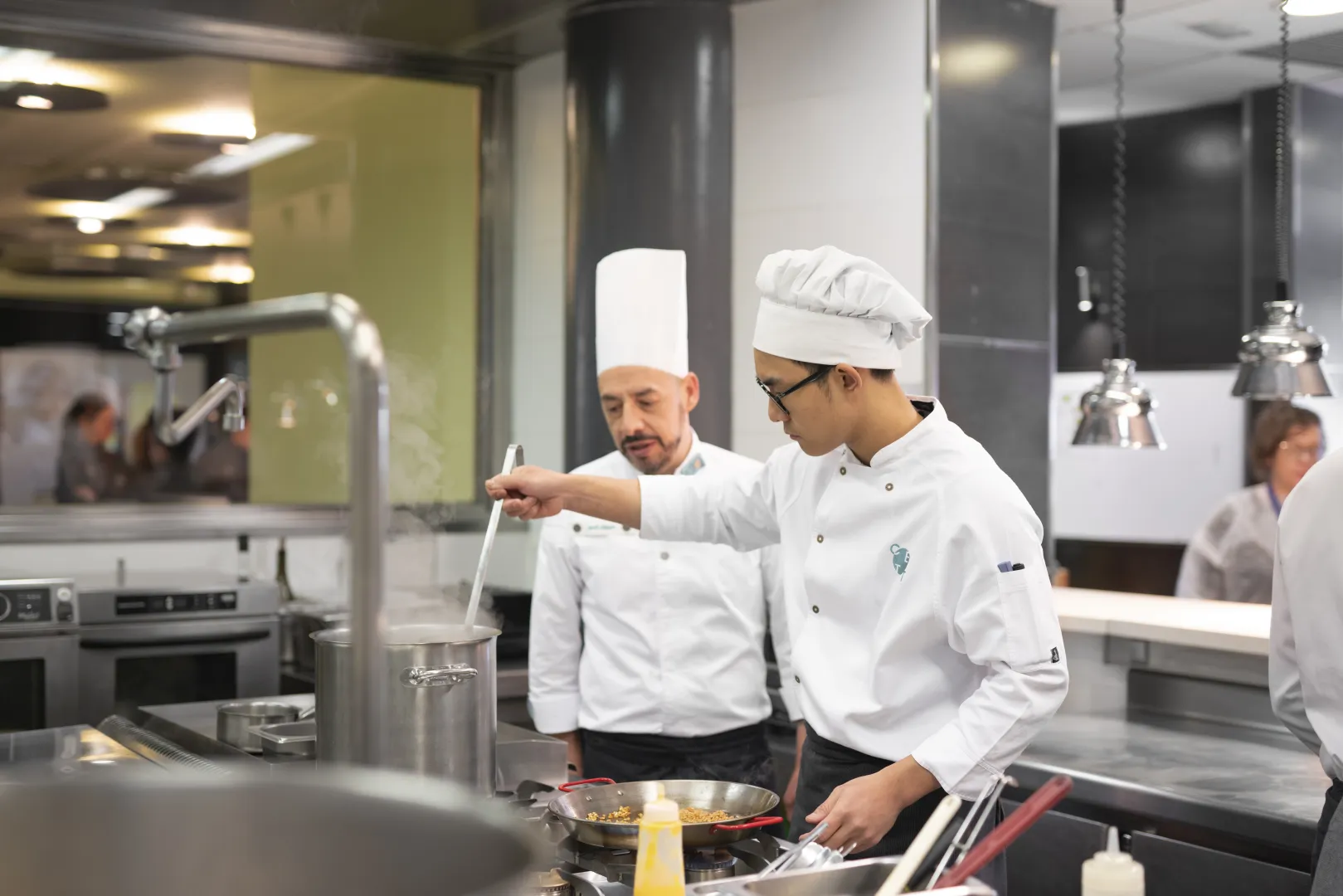
Discover the most common mistakes in professional kitchens and how to avoid them step by step. Improve your culinary technique and work like a professional chef from the very beginning.
Working in a professional kitchen involves much more than knowing how to cook. It requires mastering techniques, organization, hygiene, time management, and teamwork within a demanding and dynamic environment. Unlike home cooking, where the margin for error is greater, in a professional kitchen every detail directly impacts service quality, the customer experience, and operational efficiency.
Many students and beginner cooks make common mistakes when starting their careers in the gastronomic sector. These mistakes are normal in the learning process, but if they are not corrected from the beginning, they can turn into bad habits that are difficult to eliminate.
The key is to identify the most common mistakes in professional kitchens and learn how to avoid them through a structured work methodology, constant practice, and specialized training aligned with the reality of the industry.
Failing to Properly Organize the Mise en Place
One of the most frequent mistakes in professional kitchens is starting to cook without proper prior planning. Mise en place (having everything prepared before beginning a preparation) is a fundamental pillar in any professional kitchen.
When this process fails, mistakes, stress, and delays during service increase, affecting both the team and the final result of the dish.
Consequences of Poor Kitchen Organization
A lack of prior organization can lead to:
- Delays in orders
- Recipe and preparation errors
- Poor control of cooking times
- Increased risk of workplace accidents
How to Avoid This Mistake in a Professional Kitchen
To work like a professional chef, it is essential to:
- Read the full recipe before starting
- Prepare ingredients, utensils, and equipment
- Organize the workstation by priorities
- Anticipate service volume
Developing the habit of mise en place from the very beginning of training allows for greater safety, precision, and efficiency in any gastronomic environment.
Neglecting Hygiene and Food Safety
Hygiene in a professional kitchen is a critical aspect that allows no room for error. However, many beginner cooks underestimate its importance, which can lead to health risks and serious problems for the establishment.
In the food service industry, complying with hygiene and sanitation protocols is not optional—it is a professional responsibility.
Common Hygiene Mistakes in the Kitchen
Among the most frequent mistakes are:
- Not washing hands frequently
- Cross-contamination between foods
- Incorrect use of cutting boards and knives
- Poor storage of raw materials
How to Avoid Food Safety Mistakes
To ensure food safety, it is essential to:
- Apply HACCP protocols (Hazard Analysis and Critical Control Points)
- Monitor storage temperatures
- Maintain constant cleaning of surfaces
- Wear appropriate professional attire
Technical culinary training integrates this knowledge from day one, as hygiene is an essential competency for any professional cook.
Not Mastering Basic Cooking Techniques
Another very common mistake is trying to innovate before mastering the basics. In professional kitchens, creativity is built on a solid technical foundation.
Basic culinary techniques are essential to guarantee consistency, quality, and efficiency in every preparation.
Techniques Every Professional Cook Must Master
- Professional cuts (brunoise, julienne, chiffonade)
- Cooking methods (sautéing, boiling, roasting, confit)
- Preparing stocks and broths
- Base sauces and emulsions
Without proper technical mastery, it is difficult to progress to more advanced levels within the gastronomic sector. That is why hands-on learning guided by professionals is key to avoiding mistakes from the start.
Poor Time Management During Service
The pace of a professional kitchen is fast, coordinated, and demanding. Not knowing how to manage time is one of the mistakes that most affects kitchen performance.
Poor planning causes stress, poorly executed dishes, and disorganization during service.
Signs of Poor Time Management in the Kitchen
- Constant delays in orders
- Dishes served at the wrong time
- Overload during peak hours
- Lack of coordination between stations
How to Improve Time Management in a Professional Kitchen
To optimize performance, it is recommended to:
- Plan tasks by priority order
- Practice techniques with time control
- Coordinate with both kitchen and front-of-house teams
- Anticipate demand peaks
Practical experience in real kitchens helps develop this ability and adapt to the actual pace of the food service industry.
Not Respecting Recipes or Technical Sheets
In a professional kitchen, precision is essential. Improvising without criteria or failing to follow technical sheets can affect both dish quality and business profitability.
Professional recipes are designed to ensure consistency, cost control, and product standardization.
Common Mistakes Related to Professional Recipes
- Not weighing ingredients correctly
- Changing quantities without justification
- Modifying technical processes
- Not following cost sheets
How to Avoid These Mistakes
Discipline is key:
- Follow standardized technical sheets
- Measure ingredients accurately
- Respect preparation processes
- Document any modifications
Lack of Communication Within the Kitchen Team
A professional kitchen is a collaborative work environment. Communication in the kitchen is essential for service to run smoothly and efficiently.
Many operational mistakes are not due to a lack of talent, but rather poor coordination among team members.
Problems Caused by Poor Communication
- Confusion with orders
- Duplication of tasks
- Incomplete or incorrect dishes
- Tense work environment
Keys to Improving Teamwork in the Kitchen
- Use clear and professional language
- Confirm orders out loud
- Respect kitchen hierarchy
- Maintain a collaborative attitude
Developing communication skills is just as important as mastering culinary techniques.
Neglecting Plate Presentation
Presentation is an essential part of the gastronomic experience. A dish may be technically perfect, but if its presentation is inadequate, it loses perceived value.
In modern gastronomy, professional plating is a key competency.
Common Plating Mistakes
- Overloading the plate
- Lack of visual harmony
- Incorrect use of colors
- Disorganized composition
How to Improve Culinary Presentation
- Apply gastronomic design principles
- Ensure visual balance on the plate
- Maintain cleanliness in plating
- Practice different presentation styles
Not Accepting Criticism or Learning from Mistakes
One of the biggest mistakes in a professional kitchen is not making errors—but failing to learn from them. The culinary sector is demanding, and continuous improvement is part of professional growth.
A professional chef is characterized by adaptability, self-criticism, and constant learning.
Professional Mindset in Gastronomy
- Constructive self-criticism
- Commitment to continuous improvement
- Resilience under pressure
- Discipline and dedication
Developing this mindset from the training stage facilitates professional growth and adaptation to real gastronomic environments.
At CETT, We Train Culinary Professionals to Avoid These Mistakes from Day One
Most mistakes in professional kitchens are not due to a lack of vocation, but rather the absence of practical, technical training aligned with the reality of the gastronomic sector.
In a professional environment, it is not enough to know how to cook: it is essential to master organization, hygiene, culinary techniques, time management, and teamwork. Therefore, studying at a specialized gastronomy institution allows students to develop professional habits from the beginning and avoid the most common kitchen mistakes.
CETT, with more than 55 years of experience training professionals in tourism, hospitality, and gastronomy, offers specialized education connected to the industry and focused on real practice in professional kitchens.
Our academic offering in culinary arts and gastronomy is designed to develop well-rounded profiles capable of working in professional kitchens, restaurants, hotels, catering services, and innovative gastronomic projects.
Vocational Training in Culinary Arts and Gastronomy
- Intermediate Vocational Qualification in Culinary Arts, Gastronomy and Pastry
- Intermediate Vocational Qualification in Culinary Arts, Gastronomy and Food & Beverage Services
- Advanced Vocational Qualification in Kitchen Management
- Advanced Vocational Qualification in Food & Beverage Service Management
- Advanced Vocational Qualification in Dietetics
These programs provide a solid foundation in cooking, pastry, and restaurant services, developing key technical and operational competencies for the industry.
Undergraduate Degree in Gastronomy
This university degree offers comprehensive training in culinary techniques, gastronomic innovation, food science, and restaurant management, preparing highly qualified professionals.
Advanced Training and Culinary Specialization
- Official Master’s Degree in Hotel and Restaurant Management
- Master’s Degree in Sommelier Studies
- University Diploma in Professional Chef
- University Diploma in Executive Chef
- University Diploma in Gastronomic Pastry
Advanced culinary management training enables students to master traditional cuisine, avant-garde cuisine, and gastronomic management, with internships in leading companies in the sector.
In addition, CETT offers university diplomas and specialized programs designed for professionals who wish to refine their technique and progress to higher-responsibility positions in the restaurant industry.
Thanks to this comprehensive educational structure (vocational training, university degree, and professional specialization), students develop discipline, technique, creativity, and a professional mindset—essential elements for minimizing mistakes in the kitchen and standing out in the gastronomic sector.