Continuous learning: why education no longer ends after university

Discover why lifelong learning is key to adapting to the job market, advancing professionally, and keeping your profile competitive.
Education is no longer seen as a process that begins in childhood and ends with a university degree; today, it is understood as a lifelong learning journey. The concept of continuous learning or lifelong learning involves updating and acquiring new skills throughout one’s professional career in order to adapt to constantly evolving job markets and meet the demand for new competencies. In this context, education is no longer an endpoint, but an essential career strategy — both for people starting out in their professional journey and for those looking to advance and grow in their careers.
What is lifelong learning and why does it matter today?
Lifelong learning refers to the ongoing and voluntary pursuit of knowledge and skills, whether for professional or personal development, and includes both formal and informal education. It encompasses activities such as specialized courses, certifications, workshops, on-the-job training, and hands-on learning experiences.
This approach has become increasingly important because the skills learned at university today can become outdated within just a few years due to technological advances, new methodologies, and the transformation of industries. In sectors such as tourism, hospitality, gastronomy, and marketing, digital transformation and emerging business models mean that professionals must regularly develop new competencies in order to remain competitive in the job market.
Benefits of lifelong learning for your career
1. Stay competitive in a changing environment
The rapid pace of technological innovation and the constant evolution of the job market mean that professionals who continuously update their skills are better positioned to respond to change and take advantage of emerging opportunities.
Today, many companies value candidates who demonstrate a growth mindset — meaning they continue learning and developing even after completing their academic studies. This translates into greater employability and increased career mobility.
2. Develop practical and specialized skills
Lifelong learning allows professionals to acquire specific competencies that are increasingly in demand in today’s market, such as data analysis, tourism technologies, sustainability, digital management, and many other relevant areas.
By developing both technical skills (hard skills) and interpersonal abilities (soft skills), you increase your professional value and become more adaptable to different roles and work environments.
3. More opportunities for growth and professional fulfillment
Engaging in continuous learning also helps strengthen personal confidence, motivation, and long-term commitment to your career. Learning new disciplines or specializing in emerging fields allows your professional profile to evolve and align more closely with the needs and aspirations of your industry.
The importance of lifelong learning
Various sources agree that education does not end at graduation:
- Lifelong learning helps professionals maintain their professional relevance and competitiveness in today’s job market.
- More and more adults are engaging in continuous learning to acquire new skills and adapt to evolving workplace challenges.
- This type of education not only helps individuals stay up to date, but also improves career mobility, adaptability, and overall professional satisfaction.
- As digitalization and workplace transformation continue to reshape industries, continuous learning has become a strategic part of professional development for both individuals and organizations.
Continuous learning and CETT: educational pathways for every professional
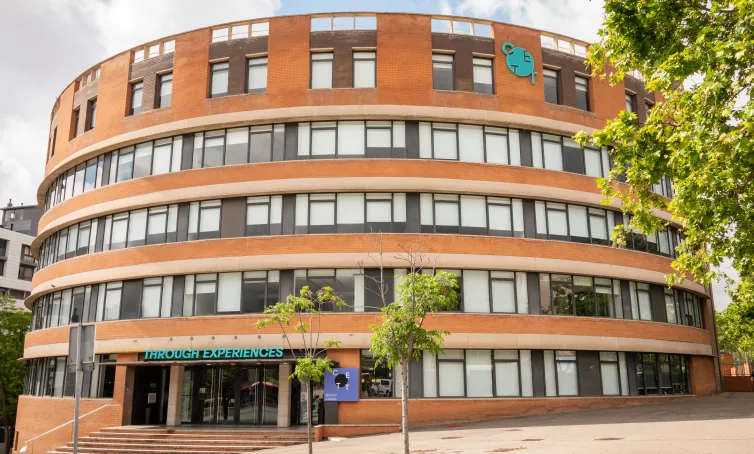
In this new context, an educational institution such as CETT-UB plays a key role in supporting students and professionals throughout their lifelong learning journey. CETT offers a wide range of programs designed to develop skills at different educational levels and respond to today’s professional development needs:
- Advanced diplomas aimed at professionals looking to update their knowledge or specialize in specific areas.
- Vocational Training programs (VET) that provide technical and practical skills from the beginning of a professional career.
- Undergraduate degrees with a hands-on approach that connect theory and practice in areas such as tourism, hospitality, and digital business.
- Specialized master’s degrees focused on developing advanced competencies required by today’s industries.
Thanks to this diversity of formats and educational levels, students and professionals can build a learning pathway that supports their career development from vocational education through to advanced specialized training, without interruption and aligned with their professional goals.
How to incorporate lifelong learning into your life
Adopting a lifelong learning mindset does not require making major changes overnight. Instead, it involves integrating habits that encourage continuous growth:
- Set specific learning goals aligned with your professional objectives.
- Take advantage of flexible programs (online, on-campus, or hybrid) that allow you to combine education with your daily activities.
- Seek practical experiences such as workshops, projects, or professional internships to strengthen your skills.
- Use digital resources, webinars, and certifications that fit your pace and need for continuous upskilling.
Lifelong learning is no longer an option — it has become a strategic necessity in today’s professional world. Completing a university degree is no longer enough; the current job market demands adaptable professionals who stay up to date and embrace a growth mindset.
By adopting continuous learning, you can better adapt to change, expand your career opportunities, develop relevant competencies, and position yourself as a professional capable of facing the challenges of a constantly evolving environment. In this regard, educational institutions such as CETT-UB, with a diverse academic offering ranging from Vocational Training to advanced specialized education, support professionals throughout every stage of their career development journey.