TTM 2026 | Searching for Meaningful Work: What Young Talent Is Really Saying in the Tourism Sector
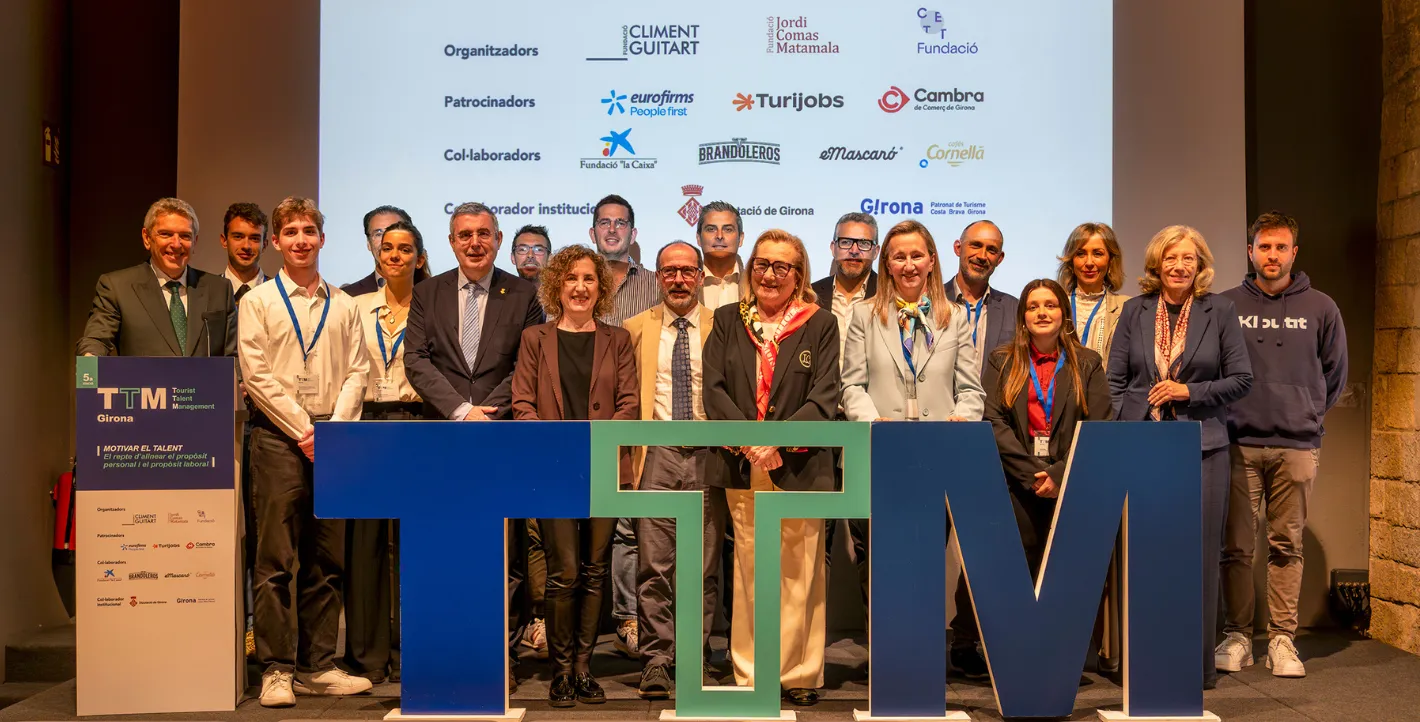
Salary no longer explains everything. The 5th edition of Tourist Talent Management (TTM 2026) highlights that the real challenge facing the sector is not attracting talent, but building projects with meaning, values, and coherence.
The CETT study The Voice of Young Talent reveals what gives meaning to work today and what new generations in the tourism sector truly expect.
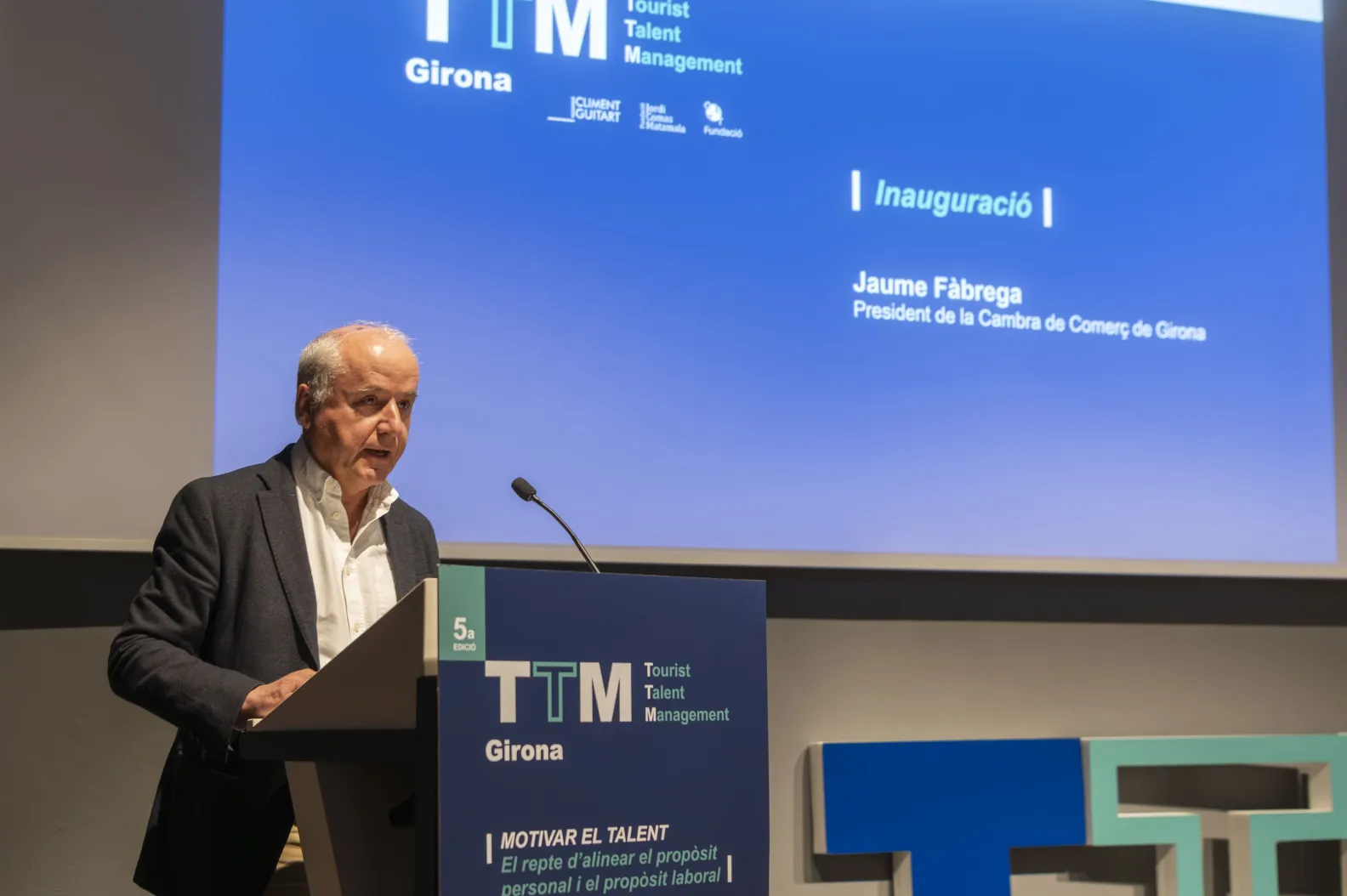
What does it mean to work today? And what role does work play in shaping identity, especially among younger generations? The 5th Tourist Talent Management (TTM 2026) has brought forward a deep and shared reflection: work can no longer be separated from purpose, values, and well-being. Through talks, studies, and discussions, the event outlined a clear narrative explaining why young talent is not just looking for a job, but for a project where they can belong, grow, and be recognized.
From work as duty to work with purpose: a shared crisis of values
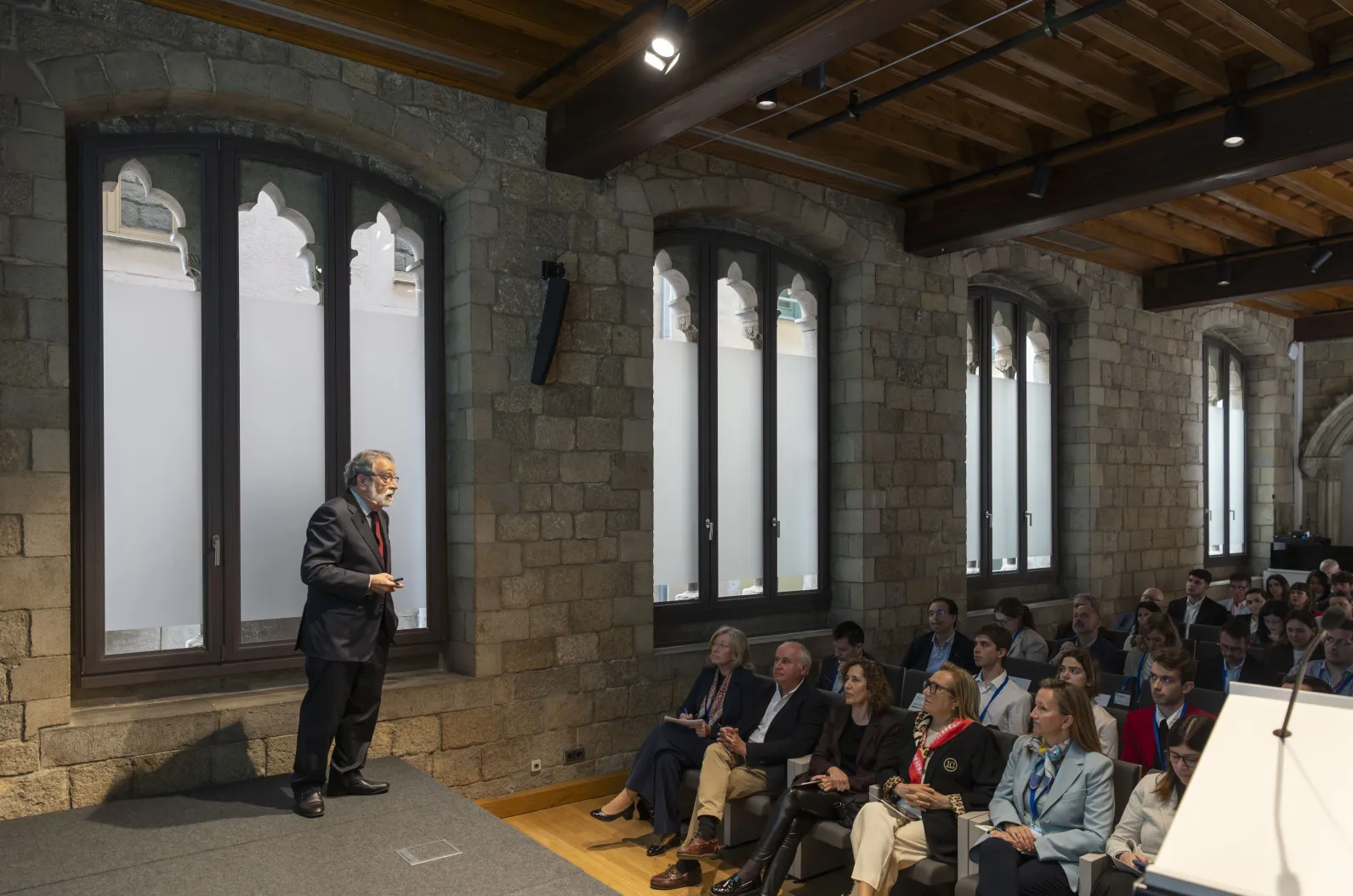
Ramón Folch, biologist and sociologist, offered a broader reflection: work, which for decades has been a central pillar of social identity and personal pride, has lost this symbolic role. Today, he argues, leisure has replaced work as a space for fulfillment, while effort no longer guarantees progress.
According to Folch, younger generations face increasing difficulty in projecting themselves into the future and experience structural disorientation due to the loss of transcendent values. From a labor perspective, the diagnosis is clear: a new work-related axiology is needed—a new system of values that gives meaning to work in today’s context.
This perspective was further explored in the interview led by journalist Josep Puigbó with Joan Manuel del Pozo, philosopher and emeritus professor at the University of Girona. Del Pozo reinforced this idea from an ethical standpoint: not all values carry the same weight, and it is precisely values that give purpose to human action. Drawing on Kant, he reminded the audience that when a person has a “why,” they can endure almost any “how.”
In a society marked by individualism and mistrust, Del Pozo emphasized the need to rebuild collective trust and place care at the center. We live, he said, in a time when individual responsibility is demanded without social co-responsibility, creating fractures in both society and the workplace. The message aligns with Folch’s view: without shared values, work loses meaning; without meaning, commitment is impossible.
Talent exists, but conversion and narrative are failing
This crisis of meaning is clearly reflected in the data. The Turijobs study for ACAVE 2025, presented by Xavier Martín, CEO and co-founder of Turijobs, alongside Edu Kirchner, Vice President of Incoming Tourism at ACAVE, dismantles one of the sector’s biggest myths: there is no lack of interest in tourism. 89.6% of talent say they would like to work in travel agencies.
The problem lies elsewhere: conversion. Where is this interested talent being lost?
-
in working conditions
-
in the lack of specific training
-
in a sector image that fails to communicate its real value
One of the most revealing indicators is the communication gap: while 92% of young talent say they understand their role when they start a job, only 12% of companies believe that new professionals truly understand what is expected of them. This is not just a matter of conditions, but of narrative, expectations, and coherence.
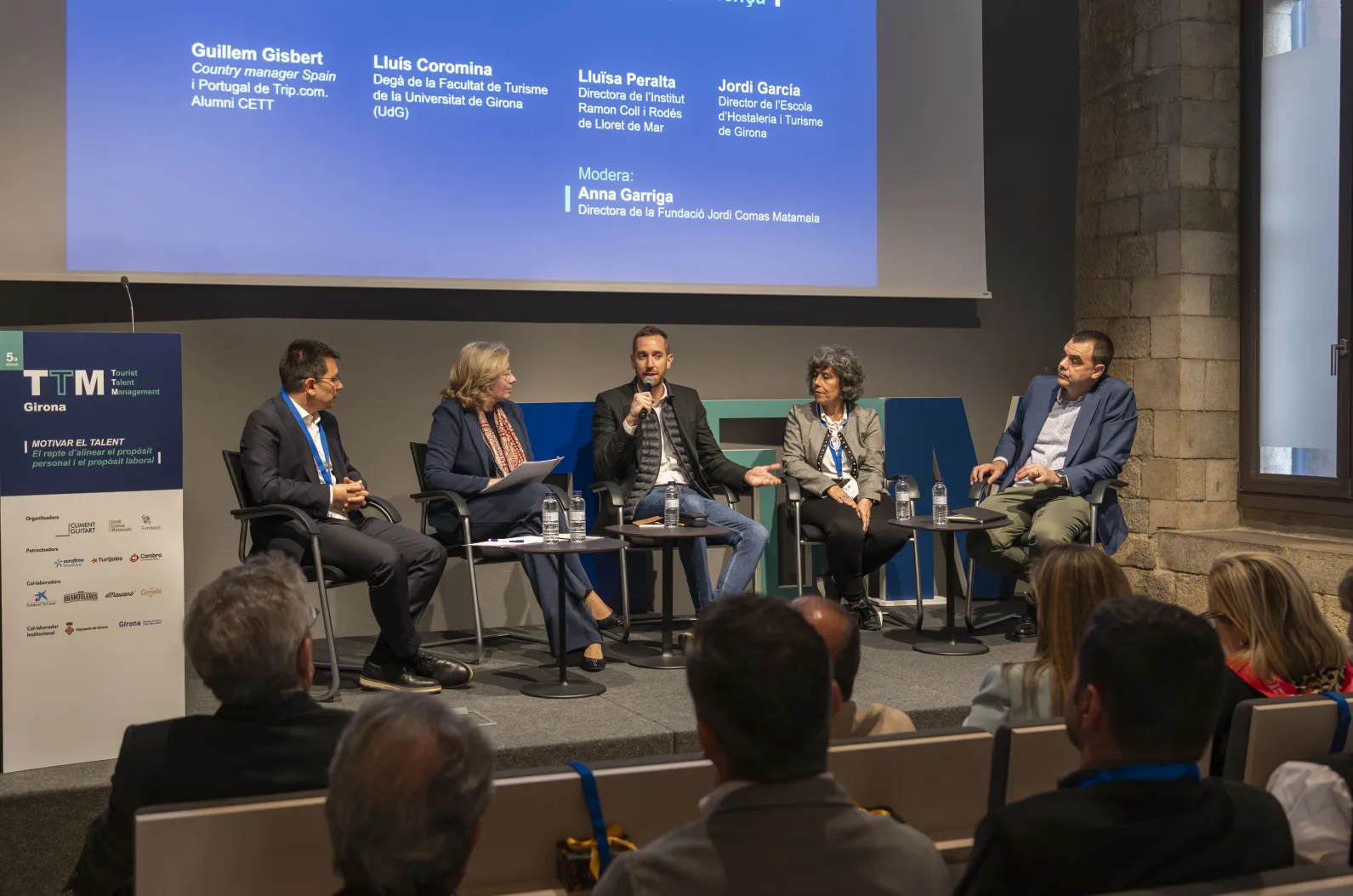
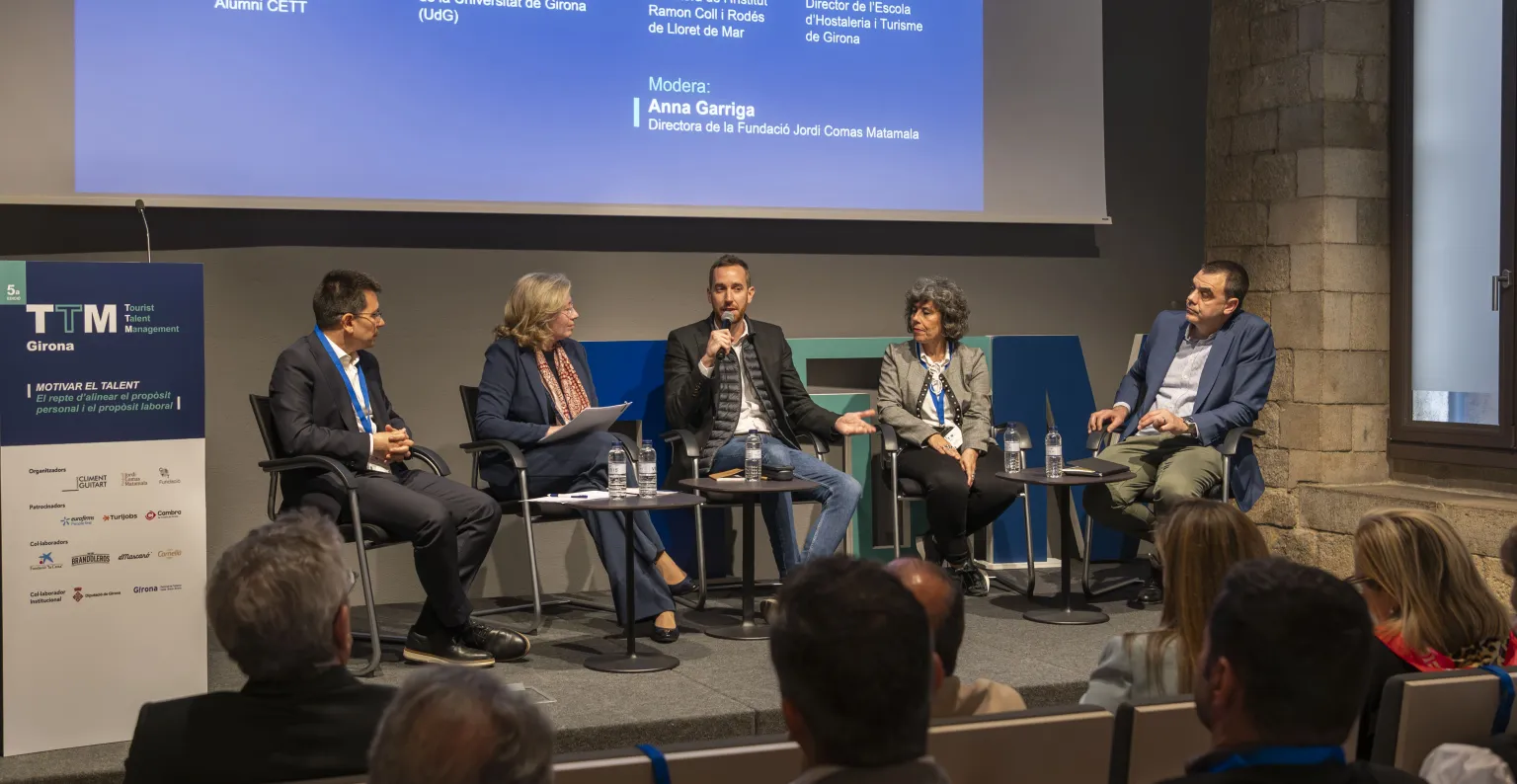
Guillem Gisbert, Country Manager of Trip.com in Spain and Portugal and a CETT alumnus, added a key paradox: companies have many metrics to measure results, but rarely measure well-being, sense of belonging, or cultural coherence. This makes it difficult to build attractive and honest narratives, both when communicating job offers and when retaining talent.
The voice of young talent: learning, being seen, and belonging
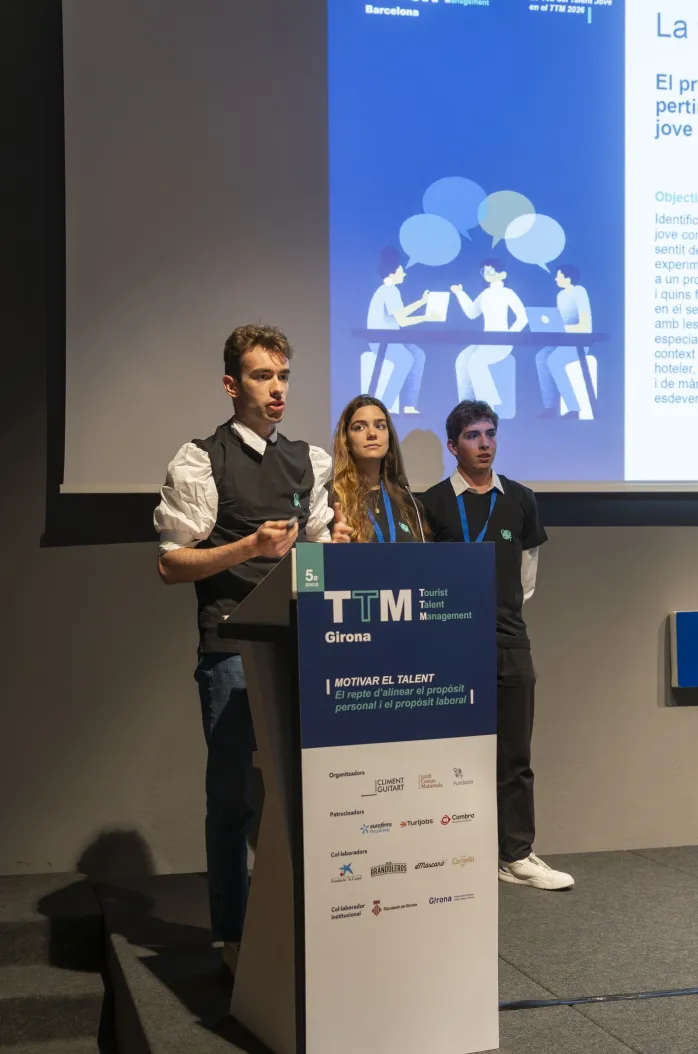
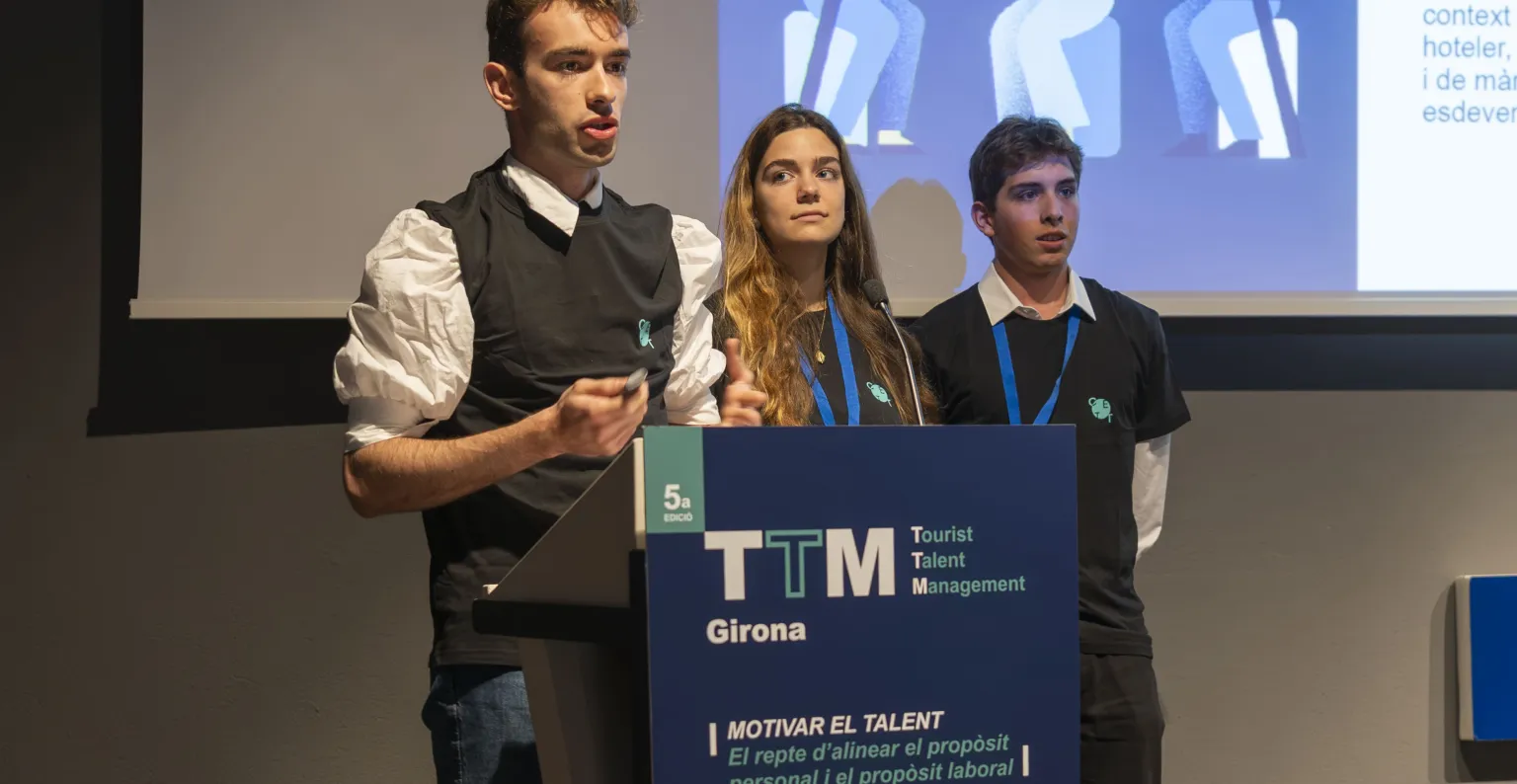
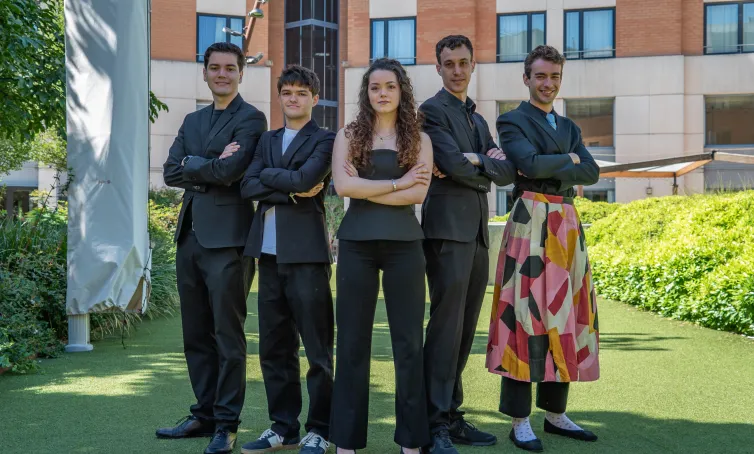
The study The Voice of Young Talent, presented by Alex Berrocal, Daniel Villatoro, and Martina Richer, students of the Bachelor’s Degree in International Hotel Management at CETT-UB, offers a complementary and deeply human perspective. For young talent, what gives meaning to work is not only salary—although it is essential—but also:
-
the opportunity to learn and grow
-
feeling that their work matters
-
being part of a purpose-driven project
-
working in environments with a positive atmosphere and human-centered leadership
Many young people admit they have not yet defined their life purpose, but they highly value companies that support them in this search through mentoring, active listening, and real development pathways. Feelings of invisibility, emotional burnout, and toxic environments emerge as key drivers of disengagement and turnover. The message is clear: commitment cannot be demanded—it must be built day by day.
Leading with purpose: coherence, care, and shared meaning
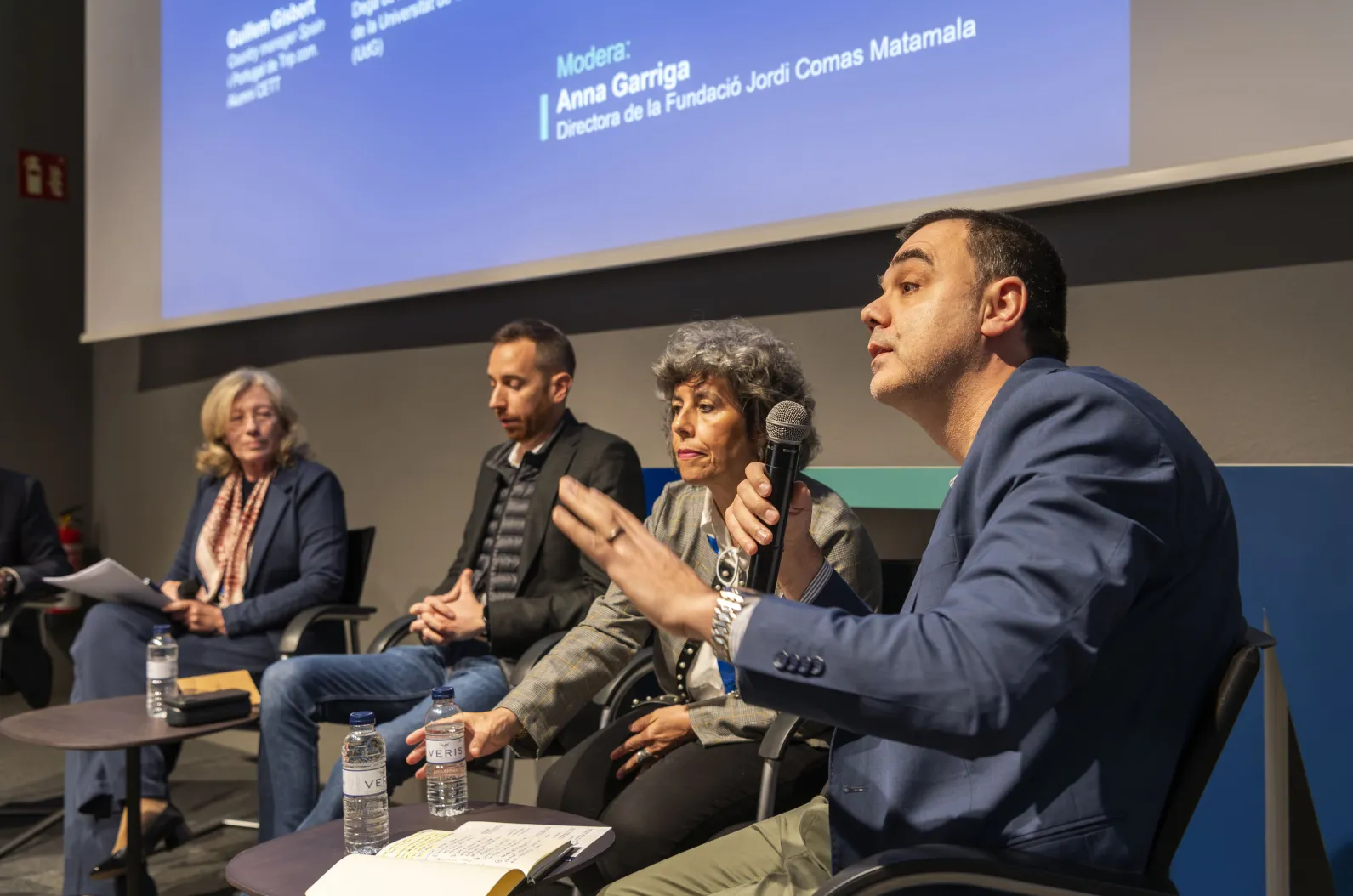
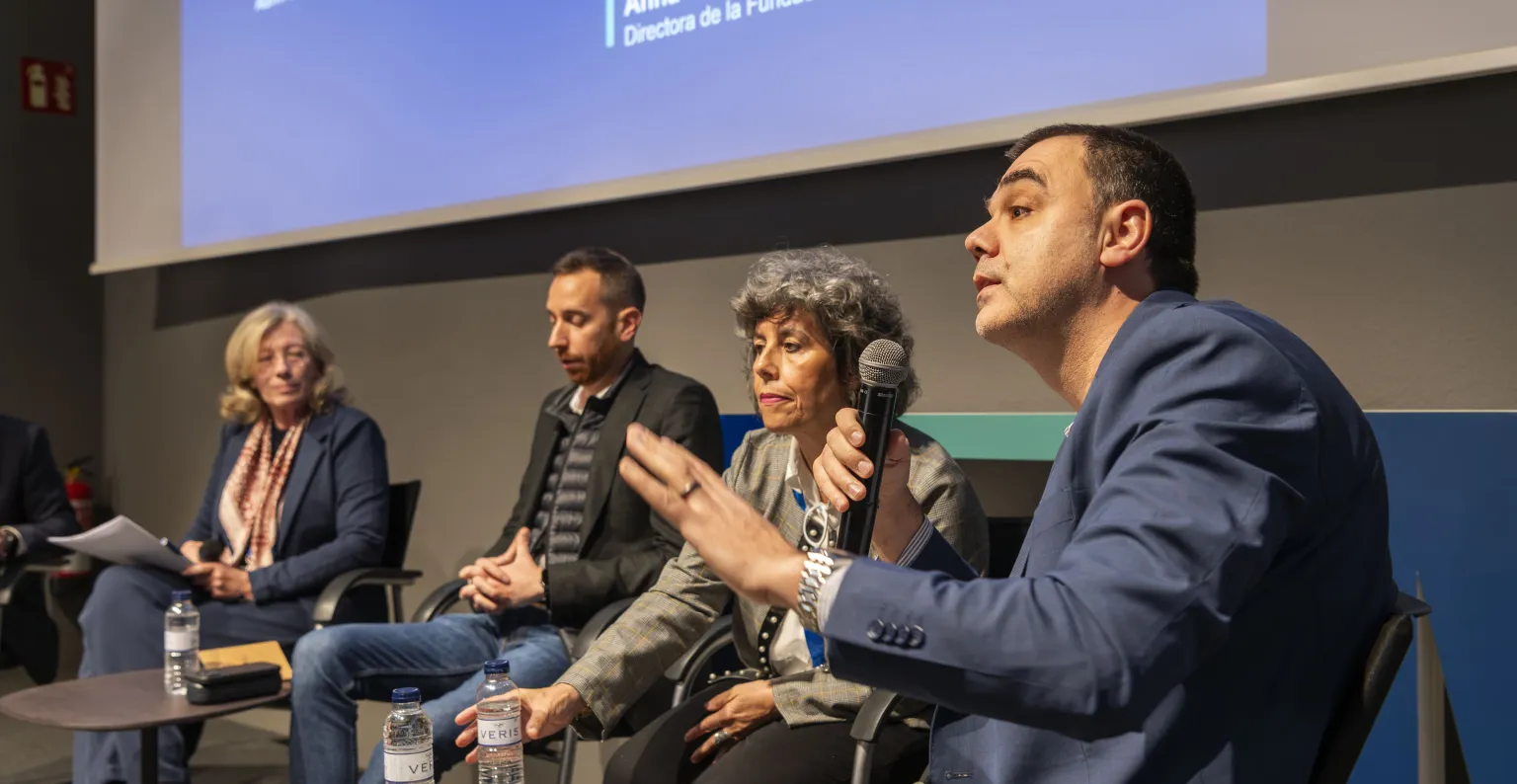
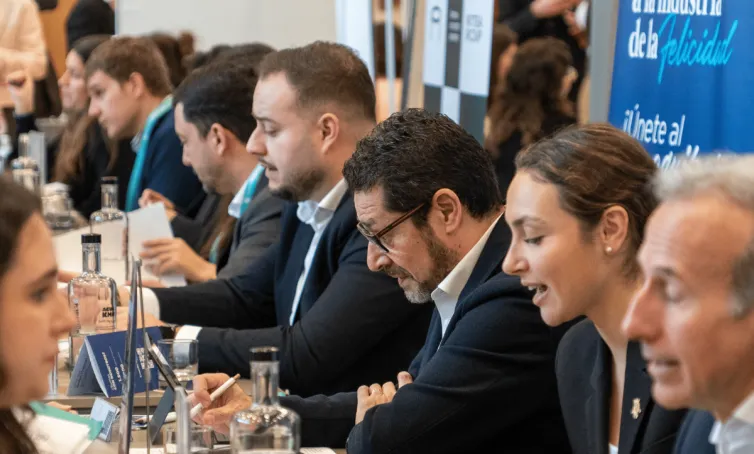
In the final major discussion of the event, “Meaningful Work: How the Relationship Between People and Organizations Is Being Redefined,” the focus shifted to leadership.
Carlos Rabaneda, President of PIMEC Tourism, stated that the challenge is not the lack of talent, but its retention—especially in a sector where flexibility is limited. Elena Puig Guitart, clinical psychologist, emphasized the need for conscious leadership based on self-awareness, empathy, and alignment between thought, word, and action.
From a corporate perspective, Jaume Dulsat, Country Leader of Eurofirms Group in Spain, highlighted that work is now understood as a life purpose, and that corporate culture—people first in the case of Eurofirms—only becomes real when leaders uphold it through actions. Similarly, Sergio Sánchez, Director of Training and Knowledge Management at MAPFRE Spain, stressed that young people seek motivation, continuous challenges, and clarity about their role within the organization’s overall purpose.
Rebuilding the meaning of work in the tourism sector
TTM 2026, organized by the CETT Foundation, the Climent Guitart Foundation, and the Jordi Comas Matamala Foundation, leaves a clear and overarching conclusion: the future of the tourism sector depends on rebuilding the meaning of work. It is not enough to offer jobs; organizations must communicate purpose, care for people, lead with coherence, and build trust. Only then will young talent not just pass through the tourism sector, but choose to stay, grow, and feel part of a project that truly matters.
This edition of TTM was sponsored by Eurofirms, Turijobs, and the Girona Chamber of Commerce, and would not have been possible without the collaboration of Fundació La Caixa, Brandoleros, eMascaró, Cafès Cornellà, the Girona Provincial Council, and the Costa Brava – Girona Tourism Board.