From impact to legacy: the challenge of sports events in revitalizing and transforming destinations
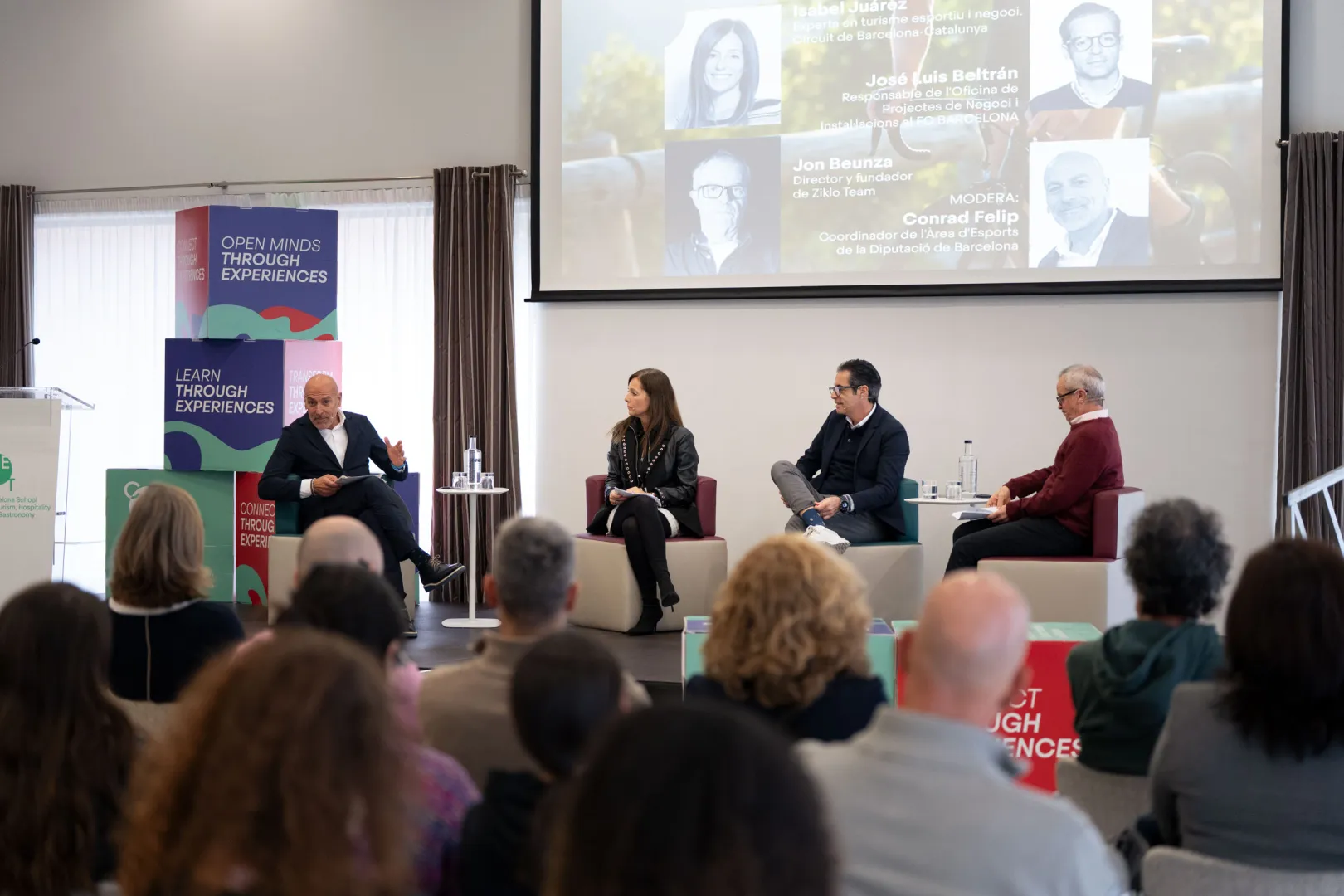
CETT What's Next? 2026 focused on the need to plan, implement, and measure the legacy of sports events beyond their immediate economic impact.
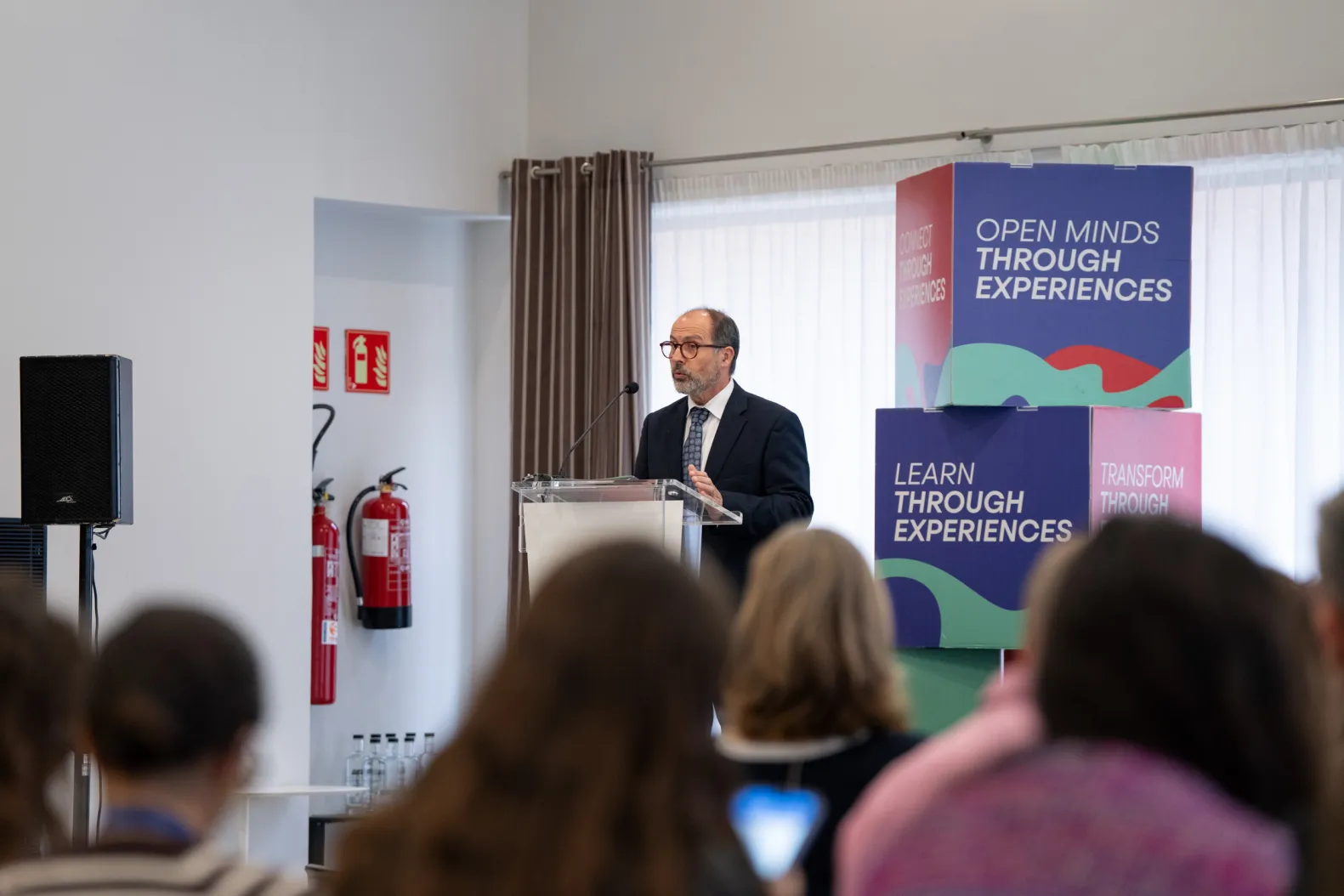
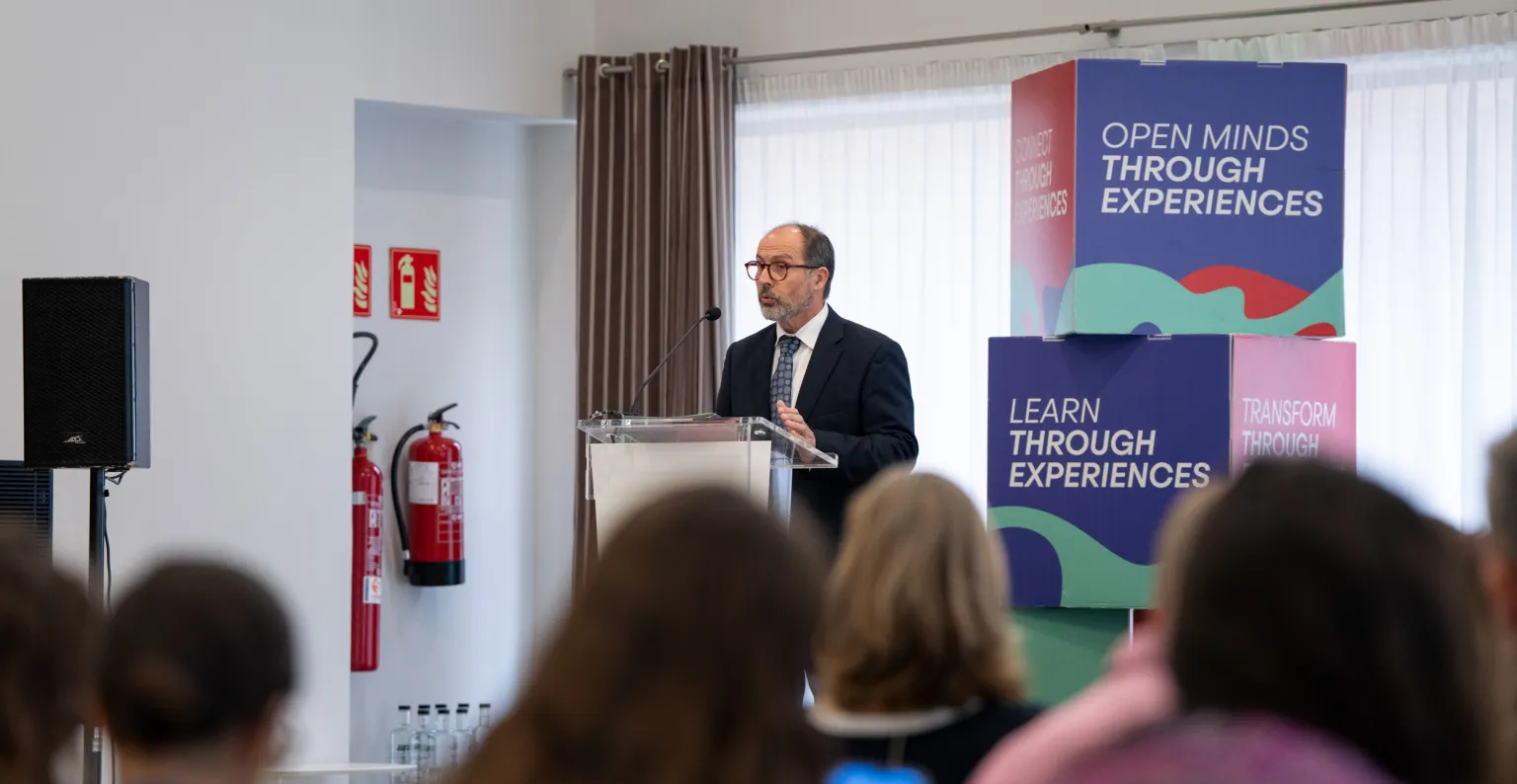
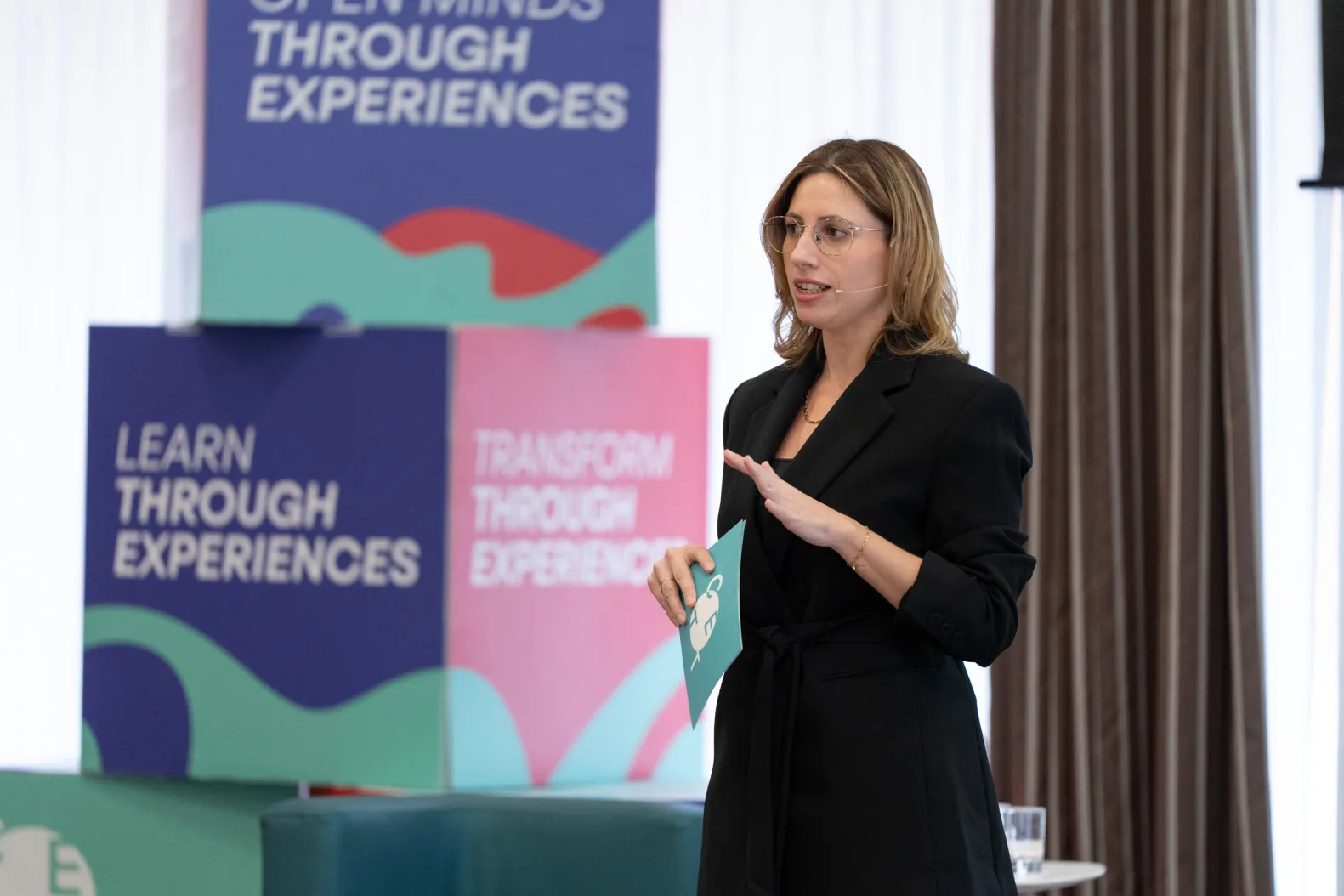
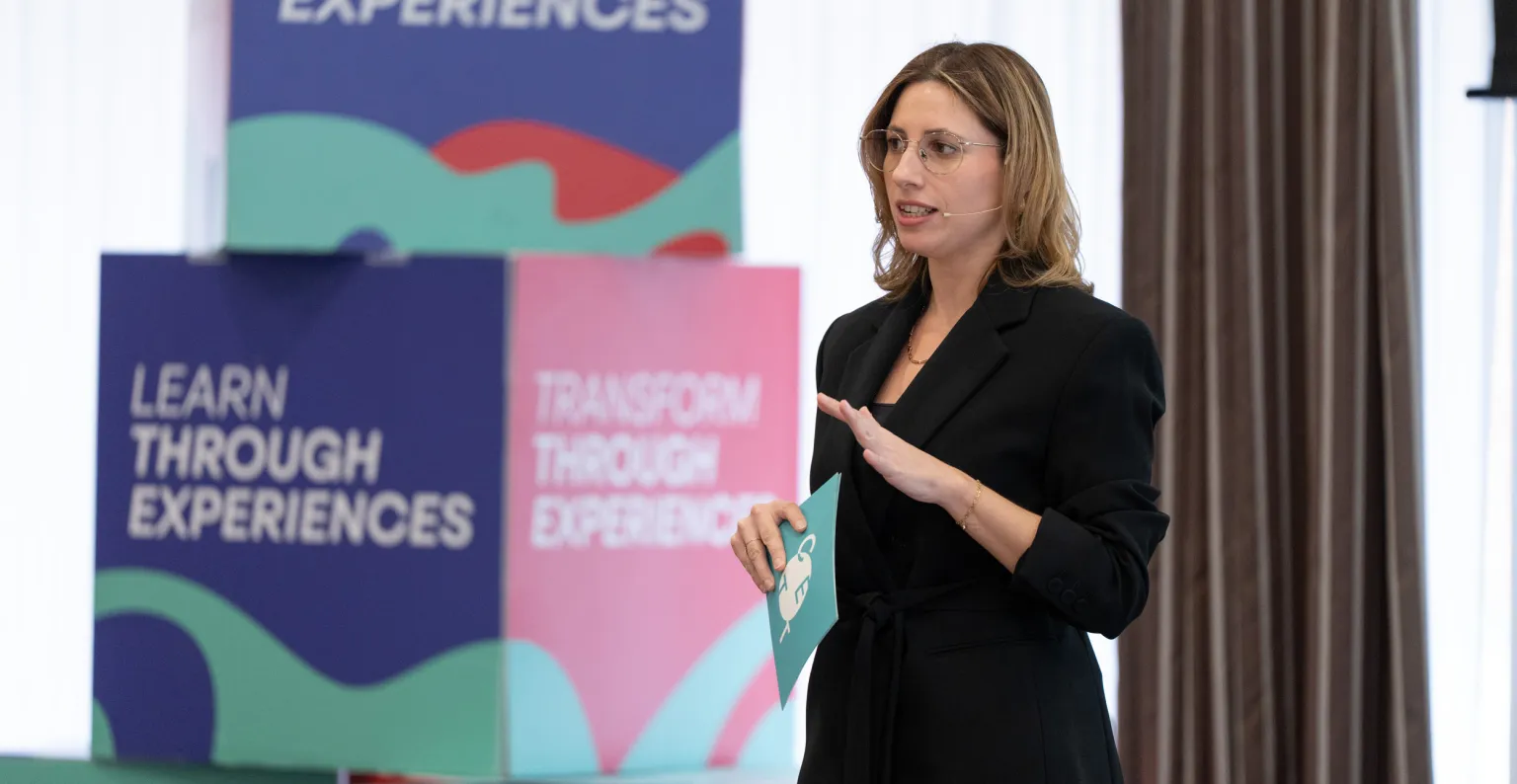
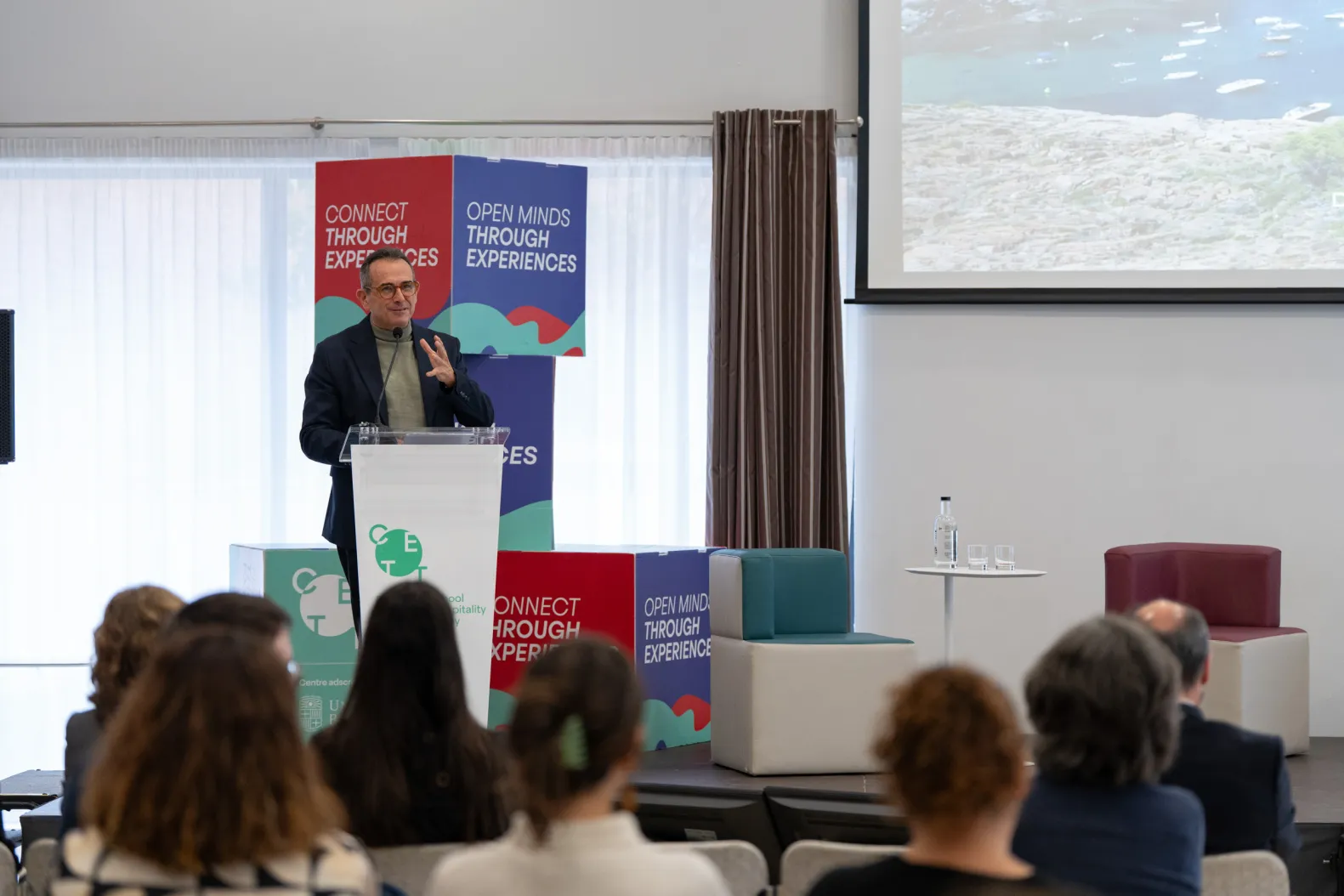
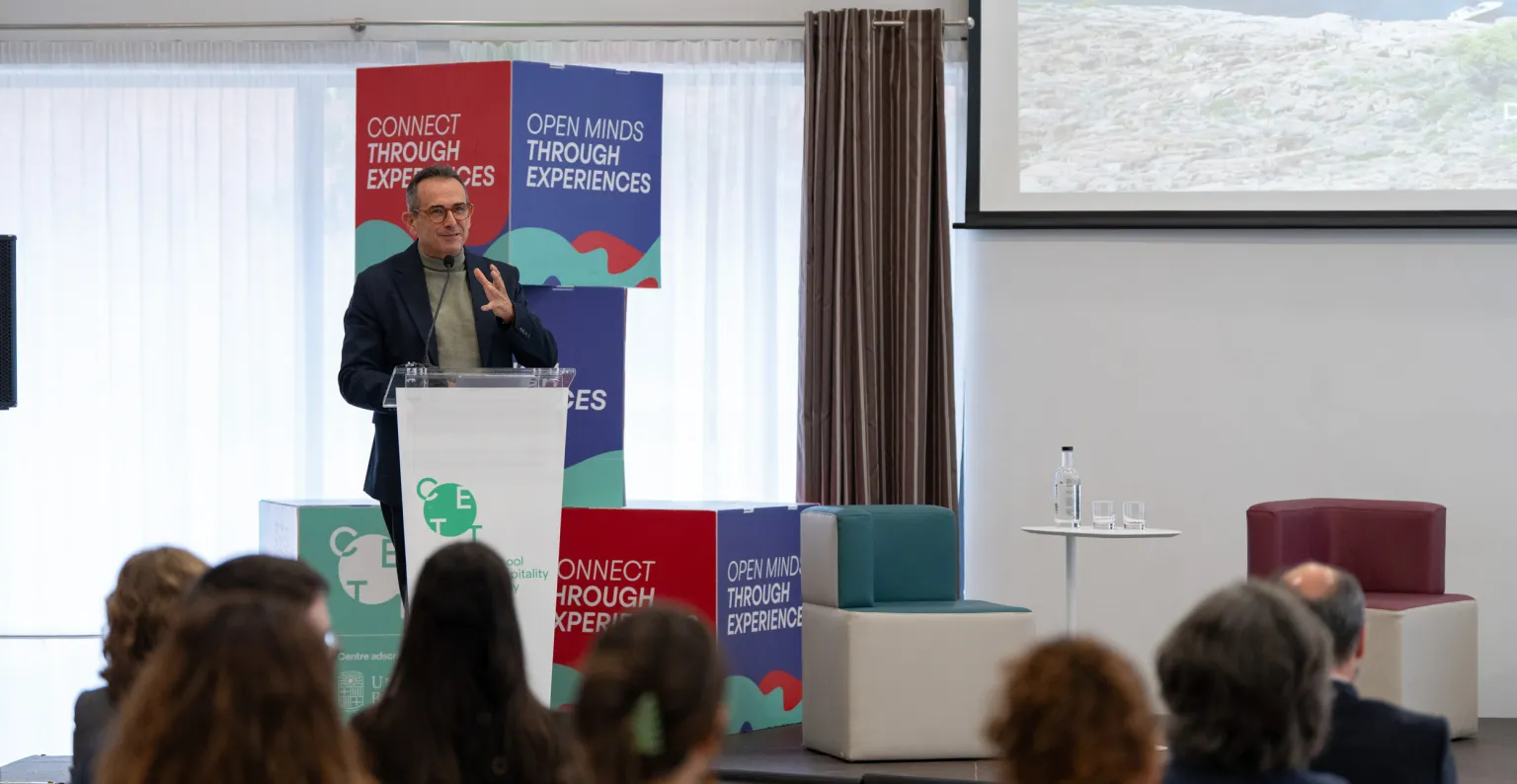
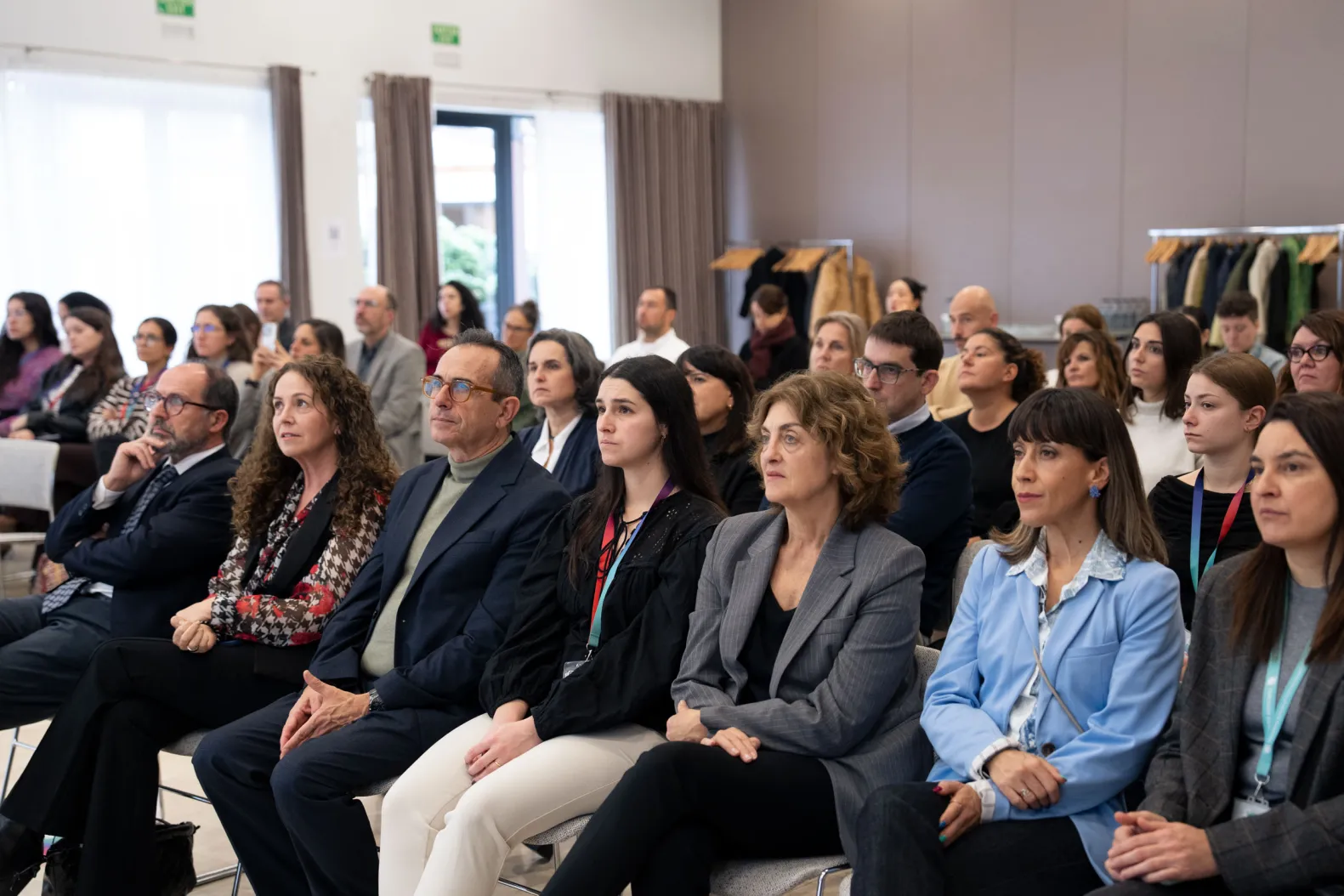
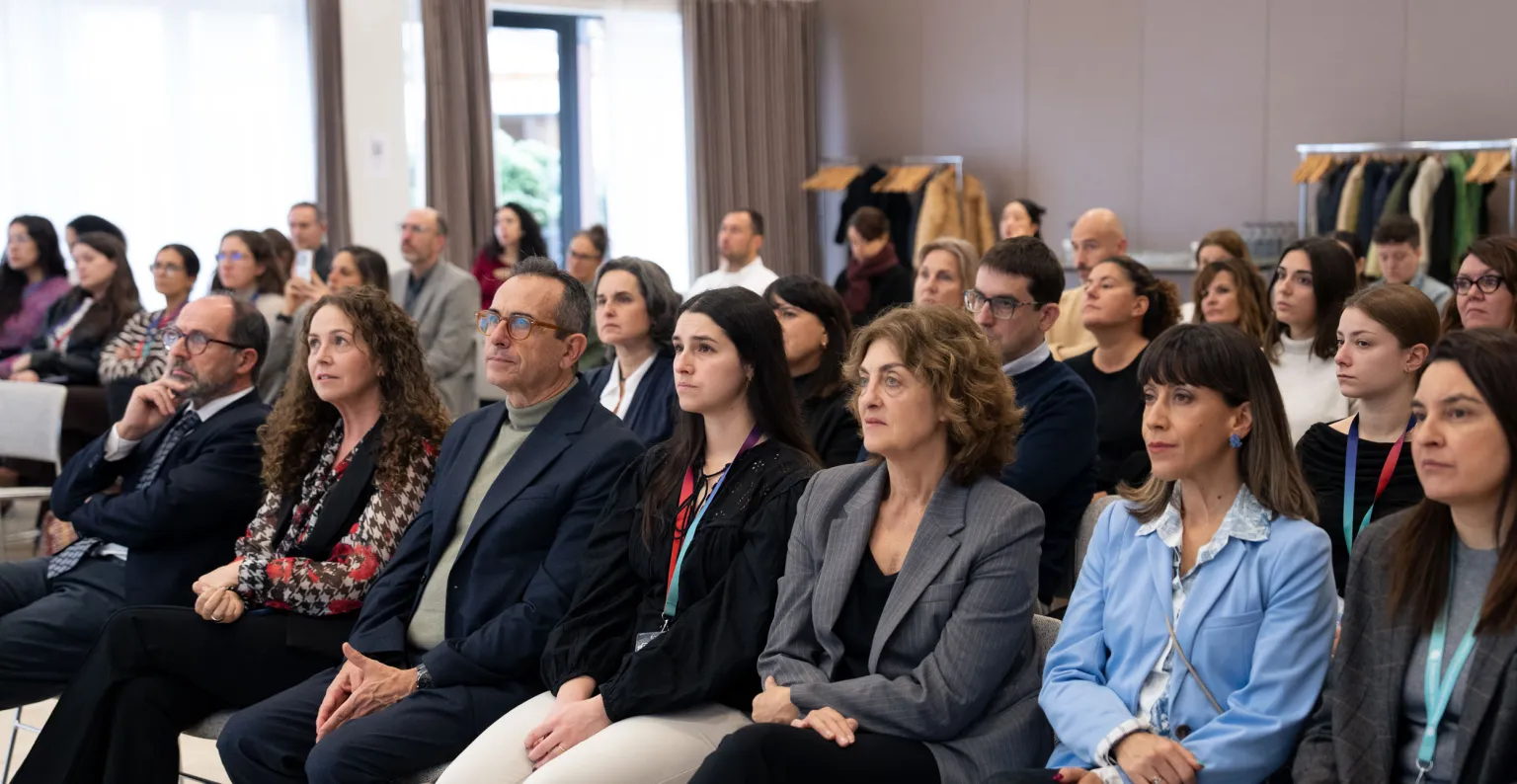
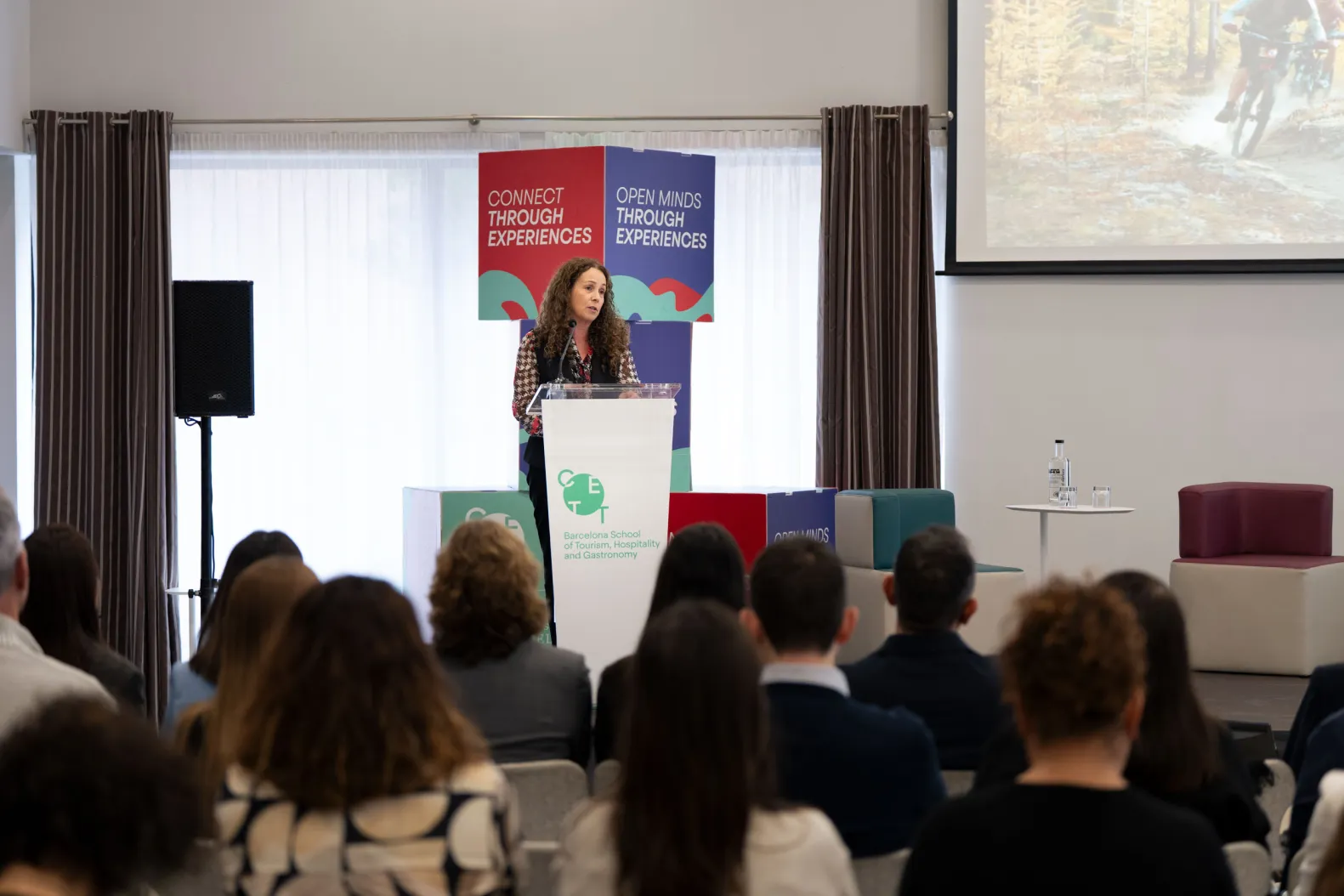
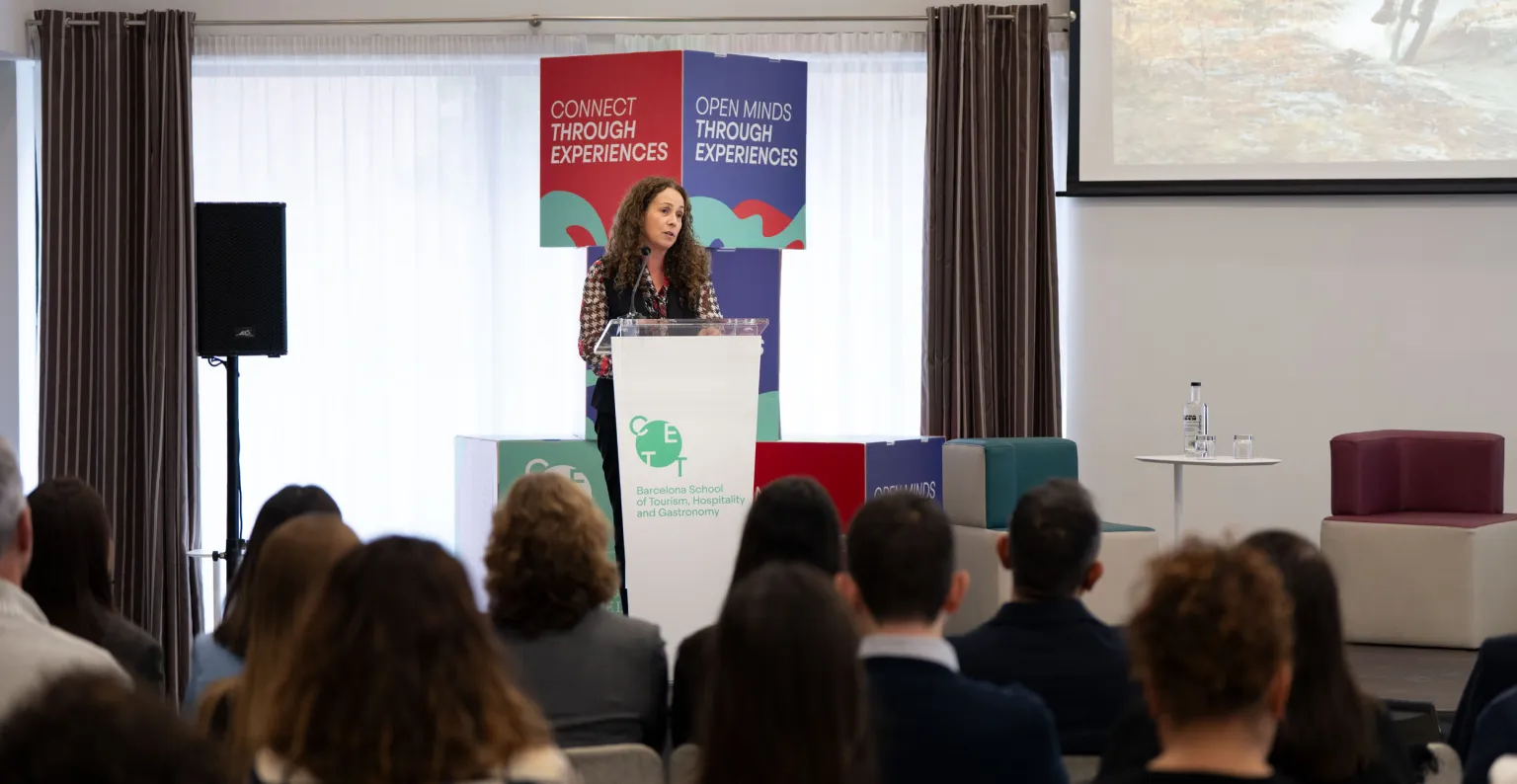
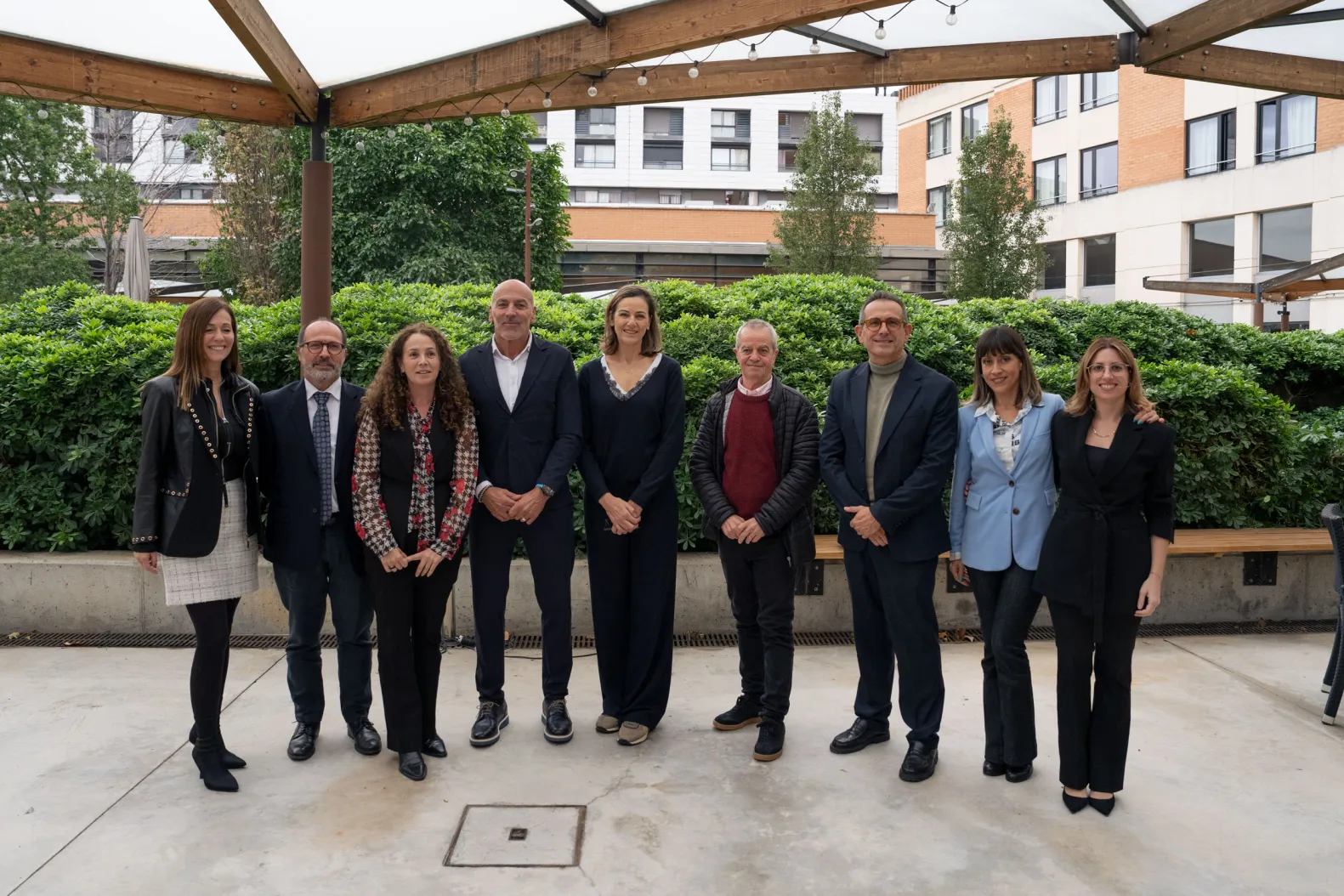
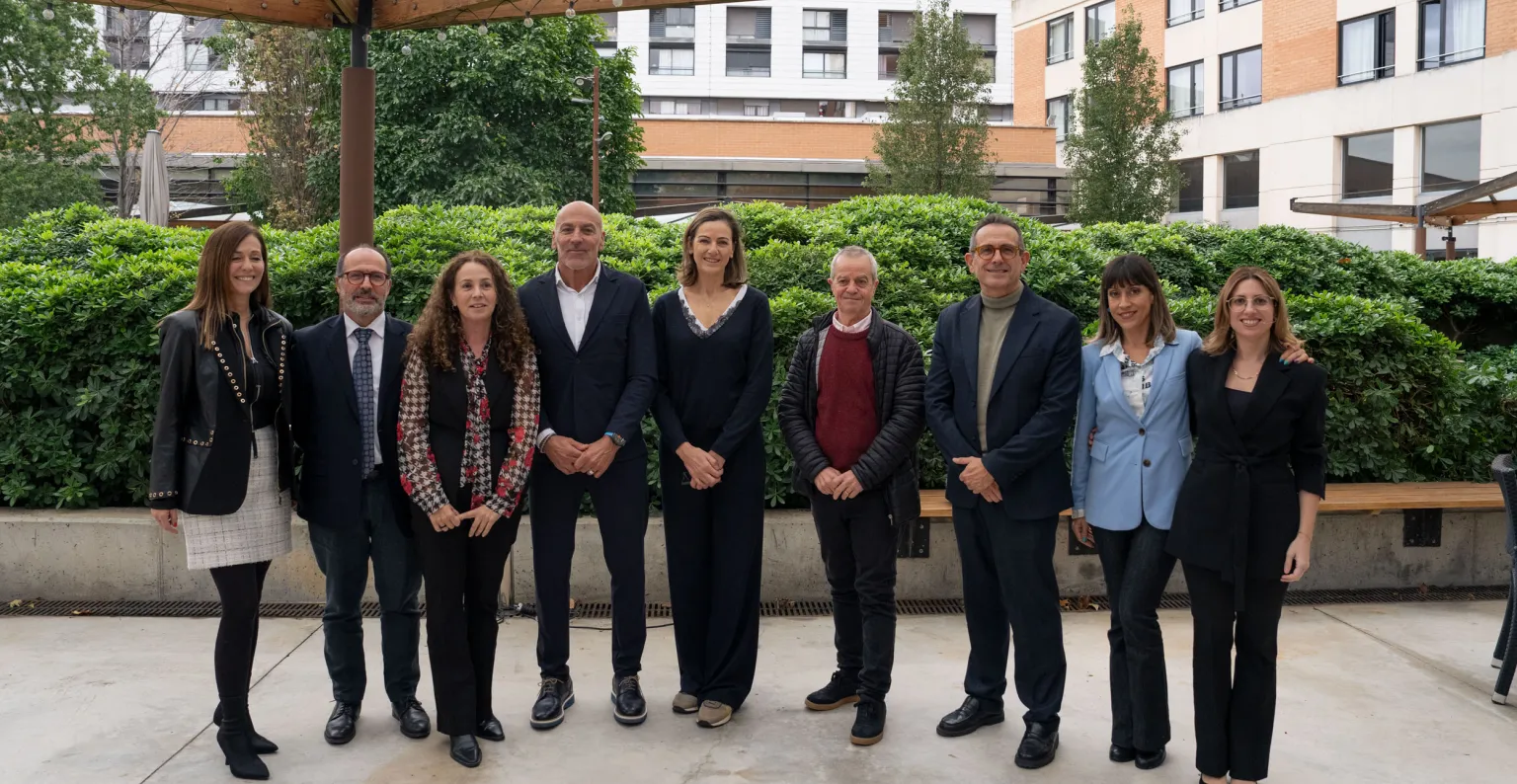
The success of a sports event is measured not only by its economic impact but also by its ability to create a lasting legacy. This was one of the key takeaways from CETT What's Next? 2026, organized by the Barcelona School of Tourism, Hospitality and Gastronomy (CETT-UB) with the support of the Diputació de Barcelona. The event brought together tourism and sports professionals to explore the potential of events as drivers of regional transformation.
Legacy is planned before, activated during, and measured after the event
What remains in a destination once a sports event is over? Generating impact is not the same as leaving a legacy. Beyond attendance figures and immediate economic returns, the real challenge of sports events lies in harnessing their transformative potential to turn a one-time activity into long-term development opportunities for destinations and their communities.
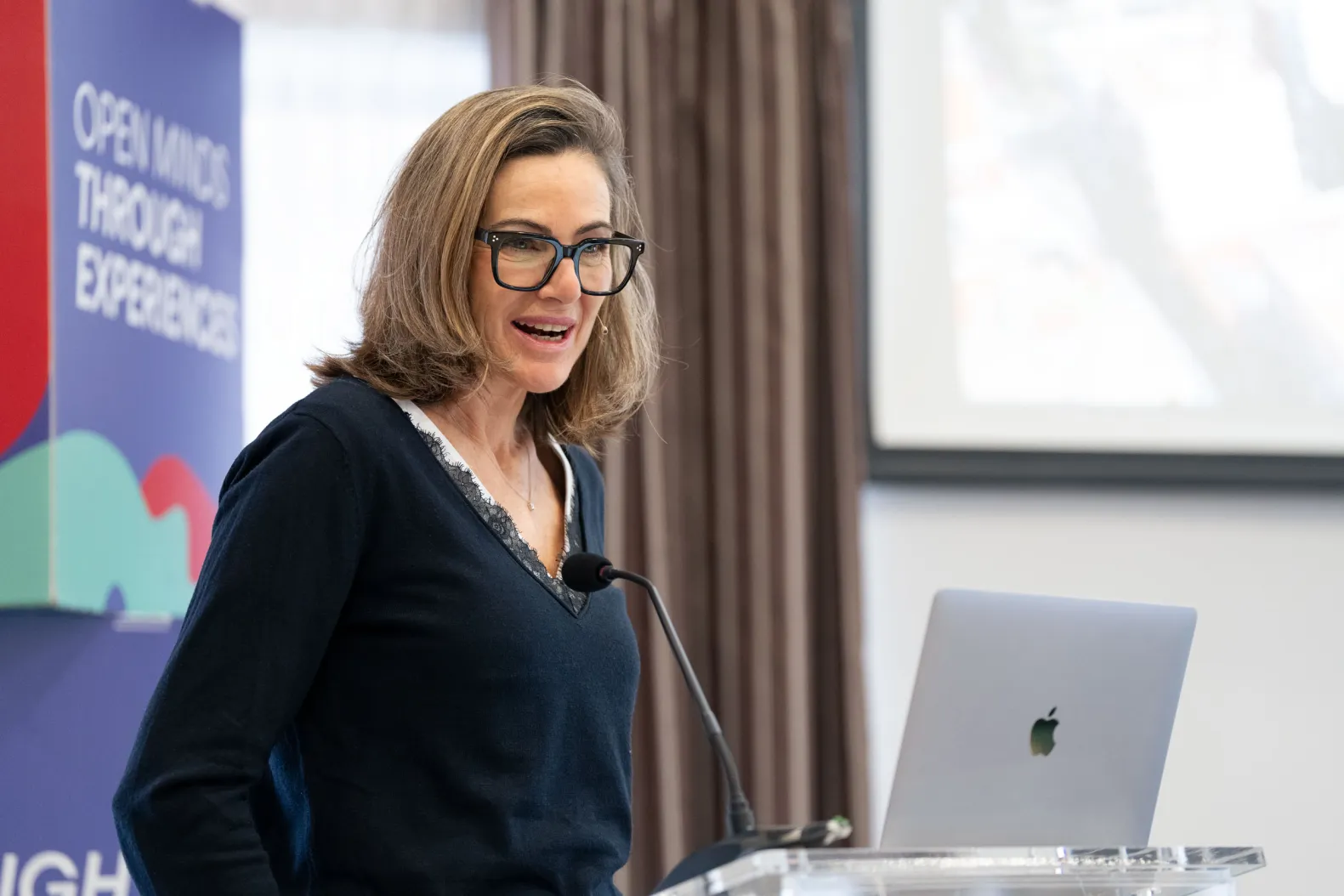
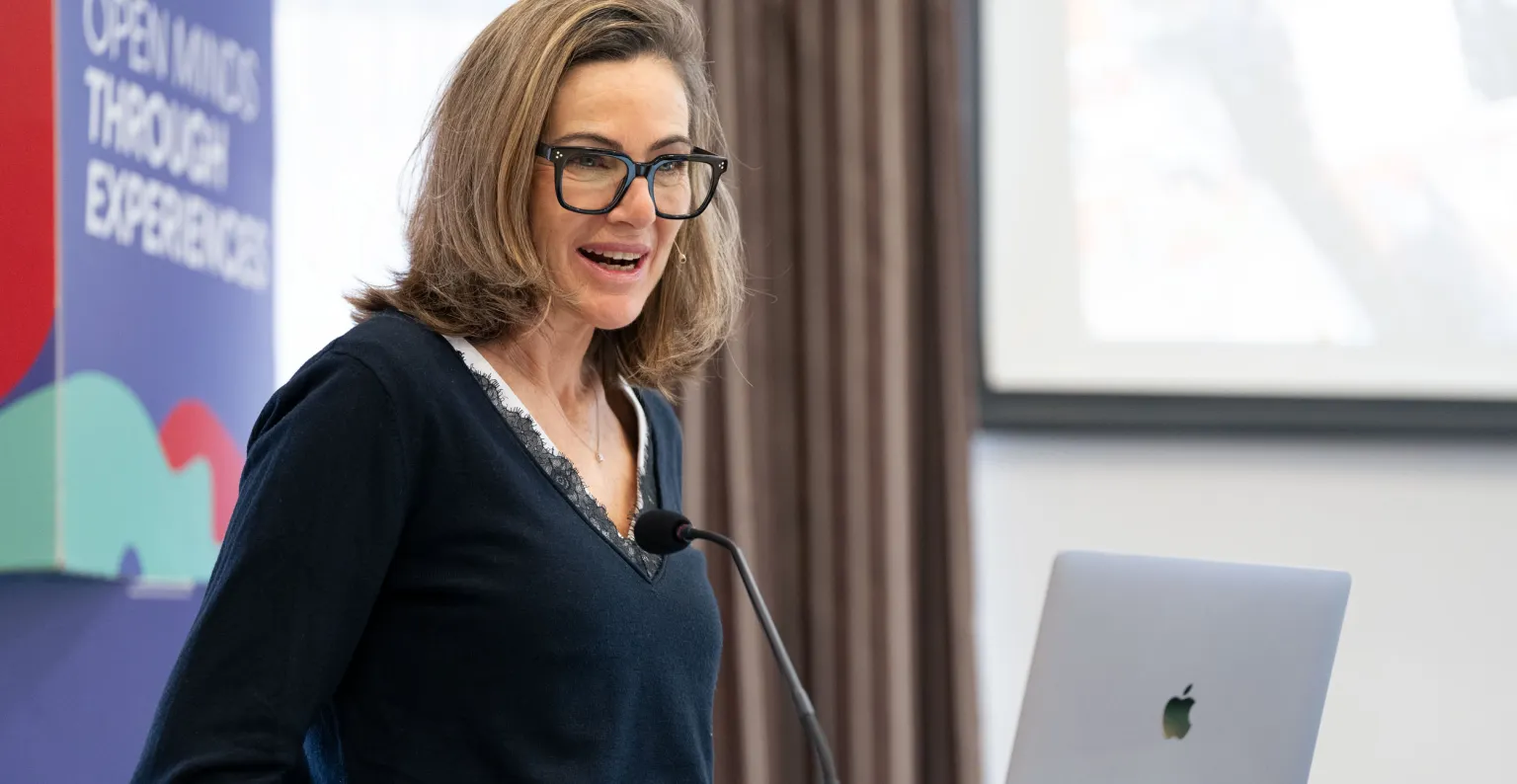
This distinction between impact and legacy was the focus of the presentation by Natàlia Via-Dufresne, two-time Olympic medalist and Head of Sports Projects at the Fundació Barcelona Capital Nàutica, who emphasized the need to integrate legacy into event planning. “A strong sports legacy creates participants, not just spectators,” she stated, highlighting the importance of understanding the destination and involving local communities from the outset.
Along these lines, Anna Álvarez Jurado, Coordinator of the Economic Development and Tourism Department at the Diputació de Barcelona, highlighted the potential of sports events to diversify tourism offerings, reduce seasonality, and promote social cohesion, with sustainability as an essential requirement. Meanwhile, Narcís Coll, President of CETT Fundació, emphasized the importance of measuring the impact of events and fostering collaboration among stakeholders.
Sports events as a gateway to revitalizing destinations
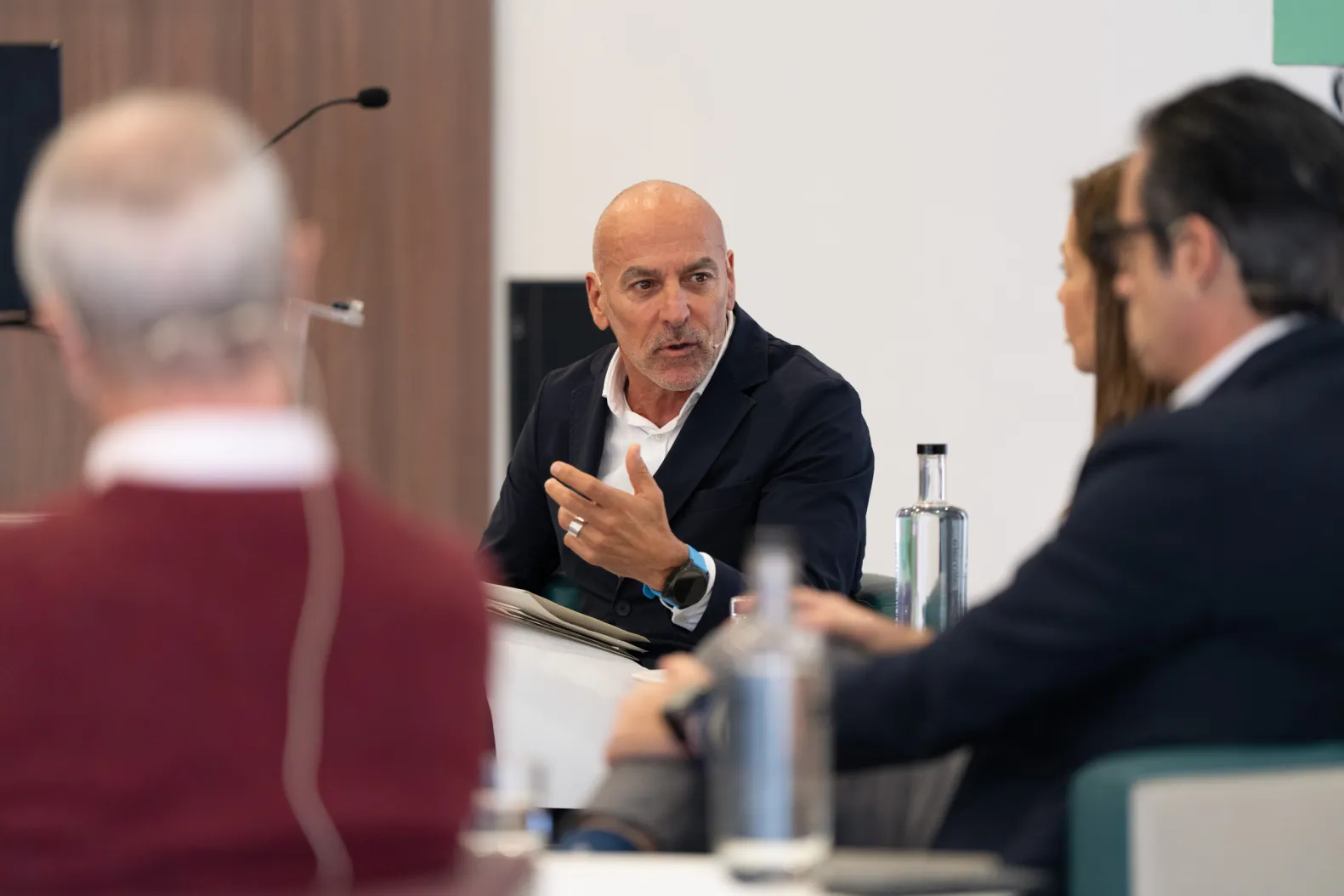
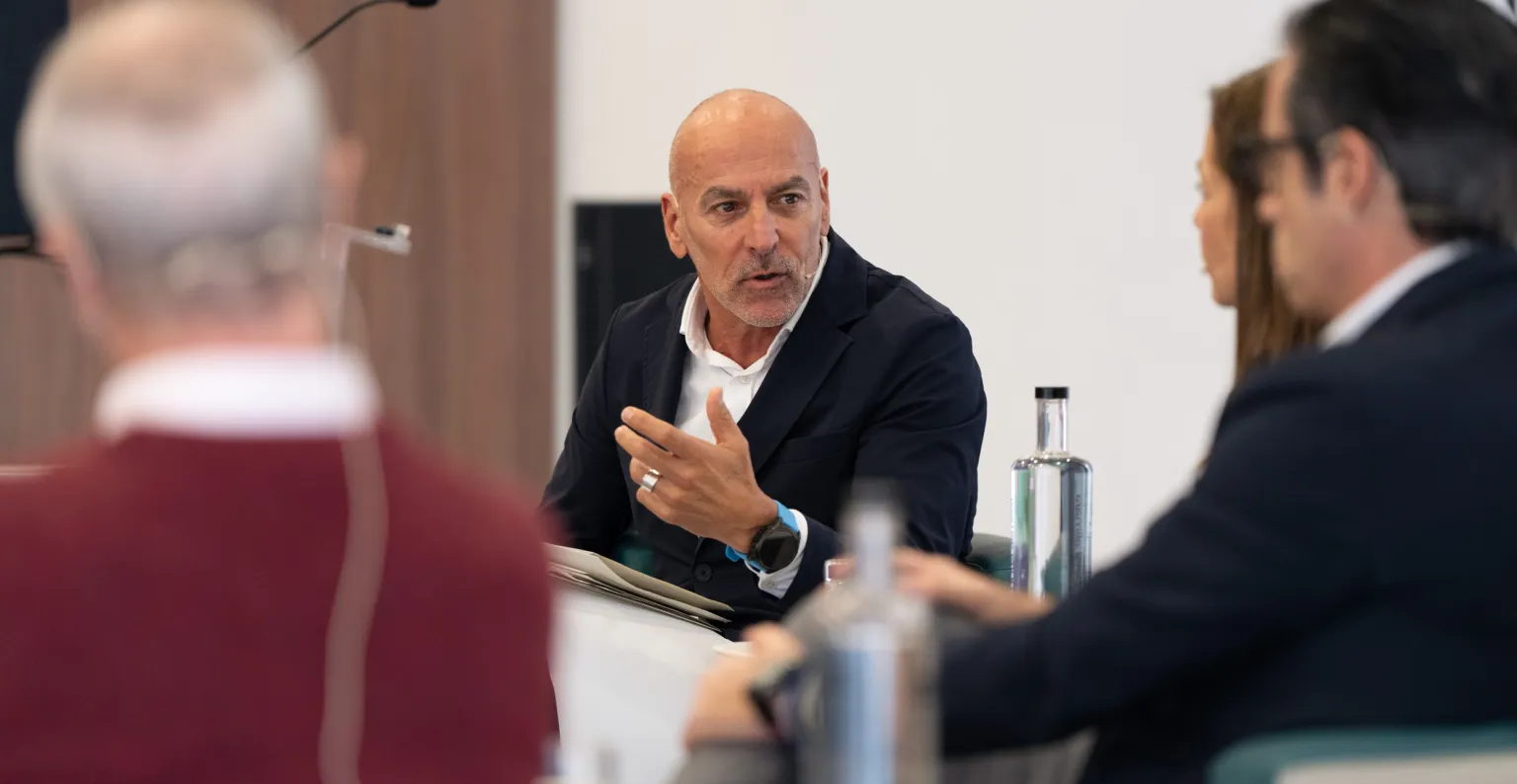
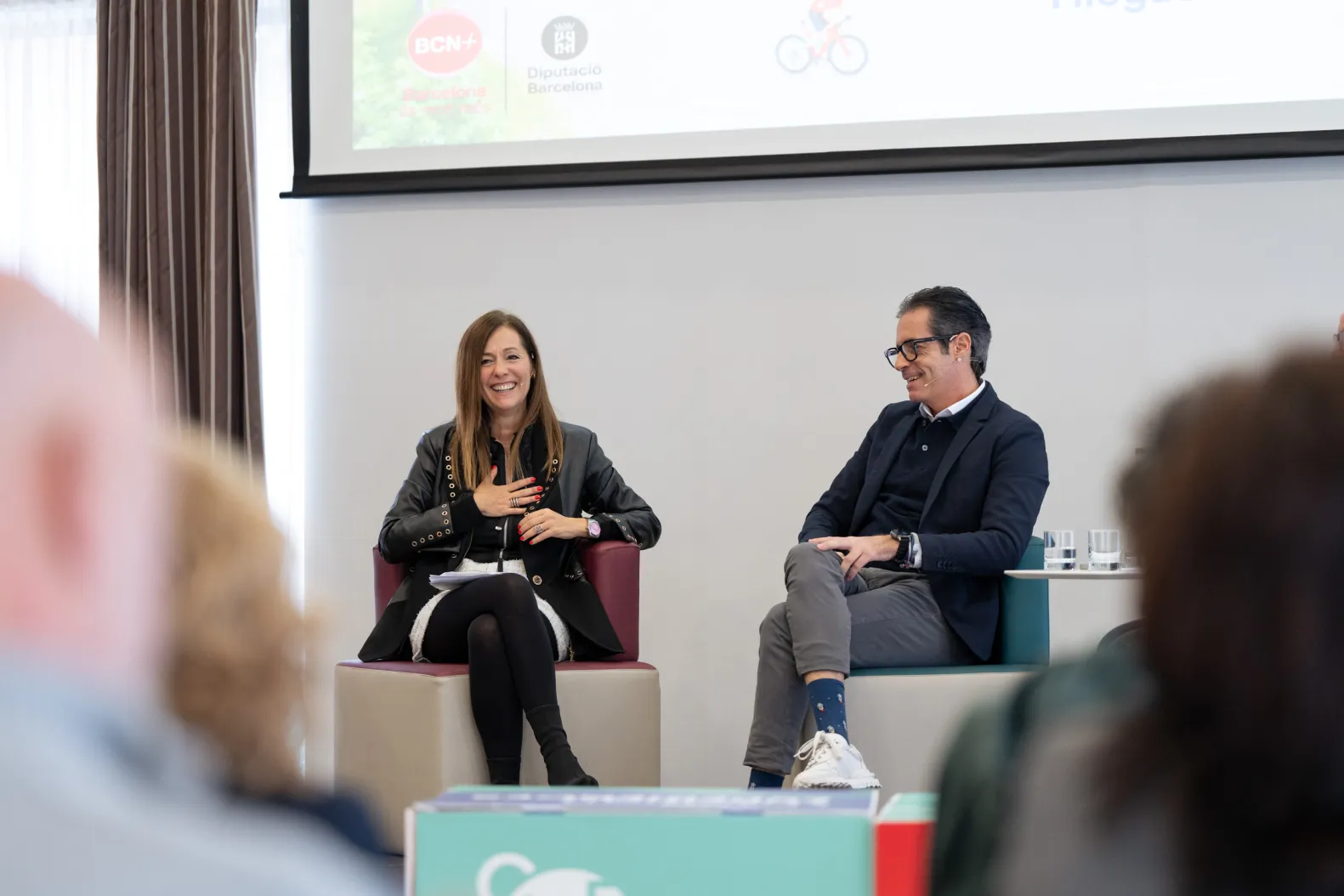
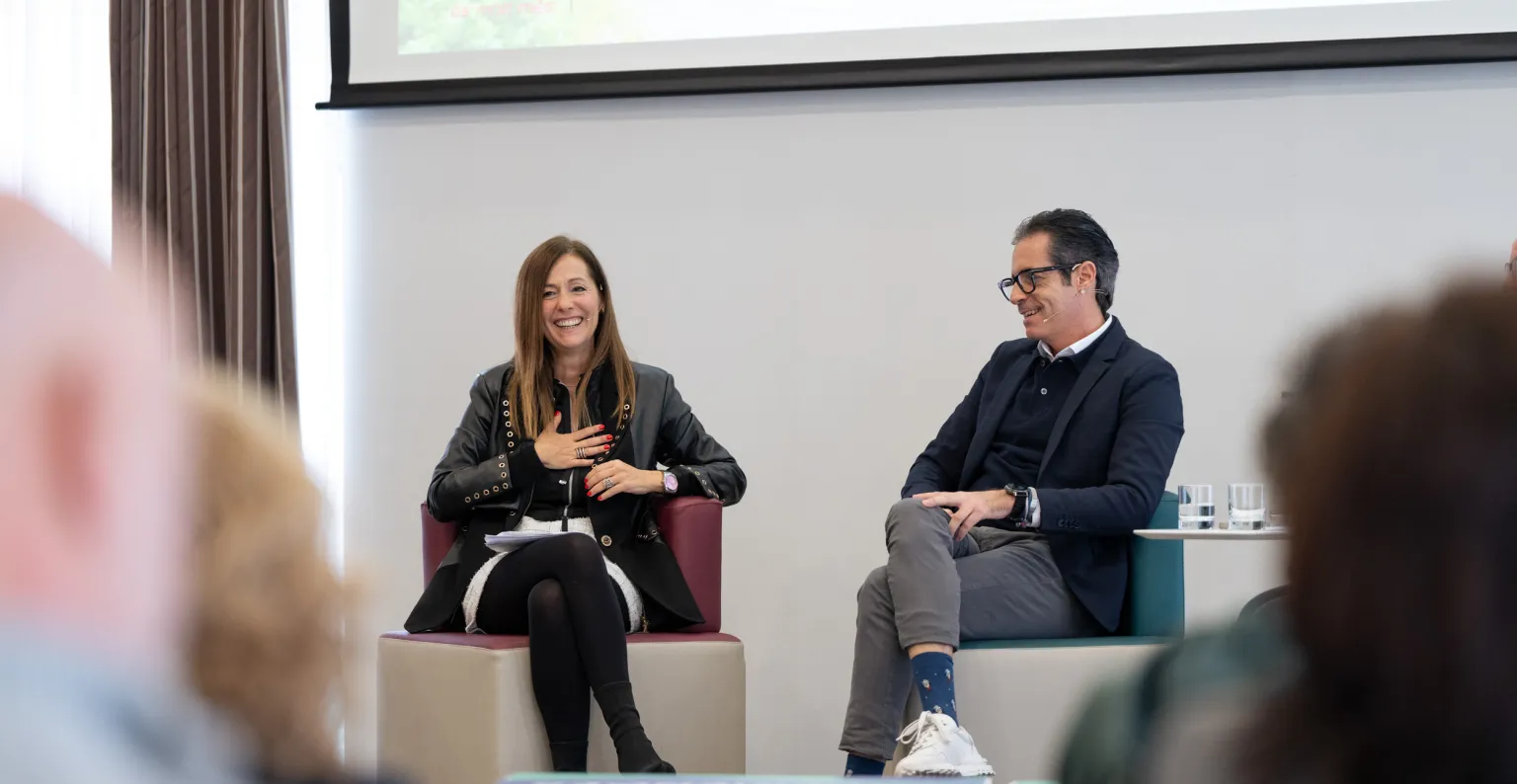
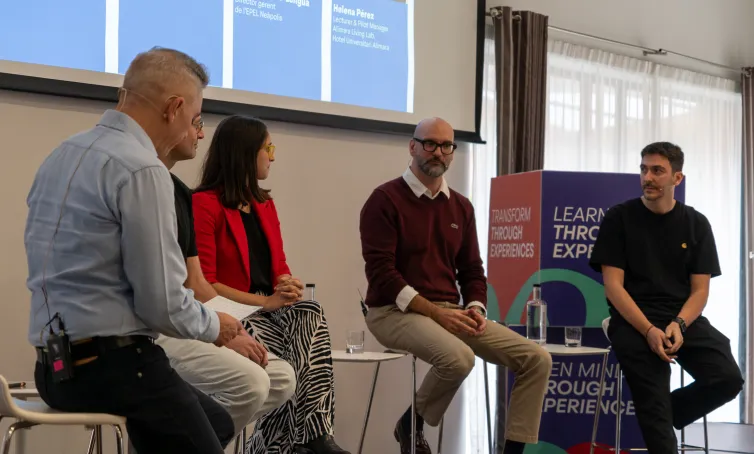
Competition is only the beginning, a gateway to everything a destination has to offer. Understanding audiences, anticipating trends, and designing experiences that maintain a connection with visitors beyond the event were among the key insights shared by Isabel Juárez, from Circuit de Barcelona-Catalunya; José Luis Beltrán, from FC Barcelona; and Jon Beunza, from Ziklo Team, during the panel discussion moderated by Conrad Felip, Coordinator of the Sports Department at the Diputació de Barcelona.
Participants also emphasized the need to connect the sports experience with destinations' tourism, cultural, and culinary offerings. They highlighted public-private collaboration as a key factor in revitalizing destinations, creating opportunities, and sustaining activity throughout the year.
Social return as an indicator of success
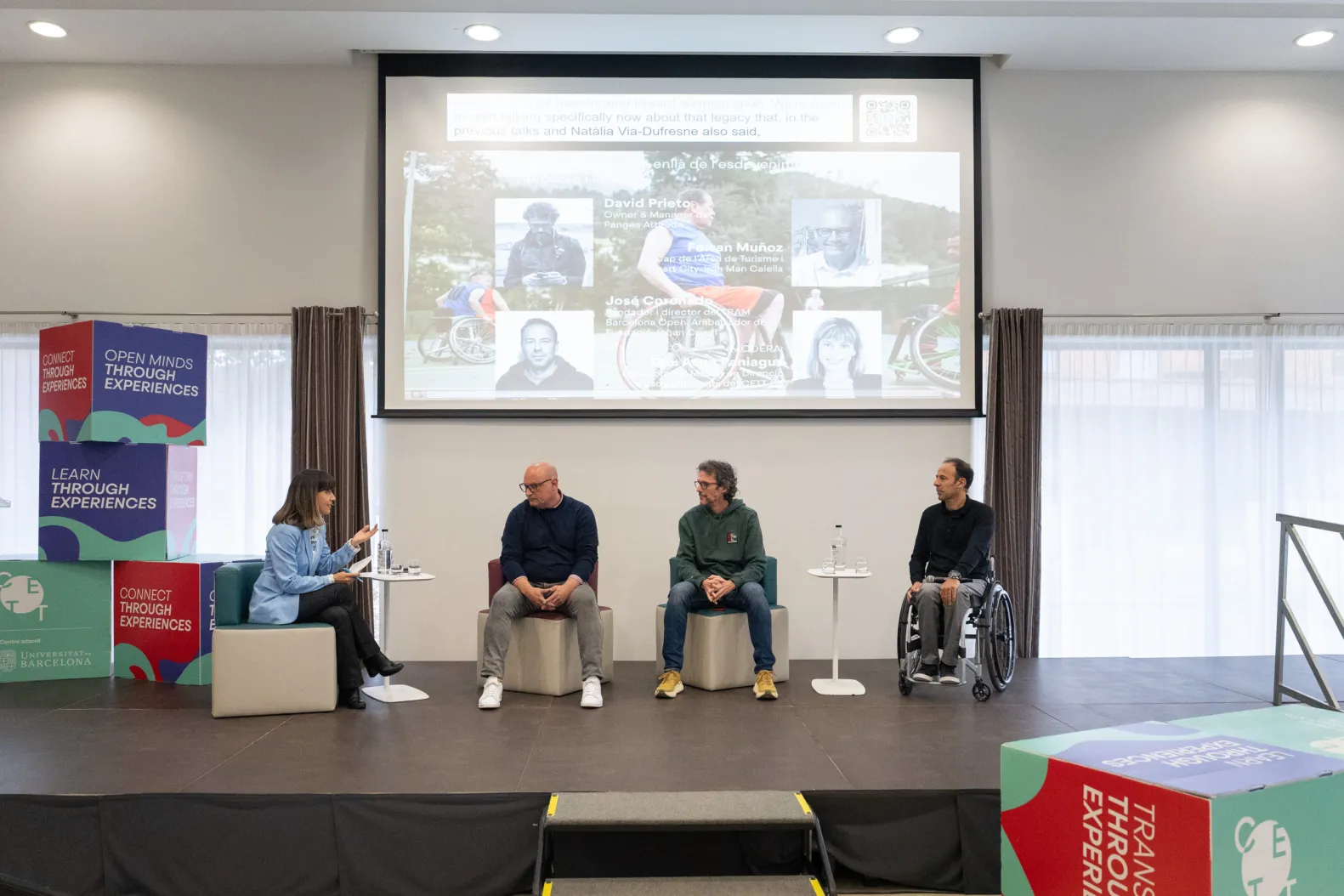
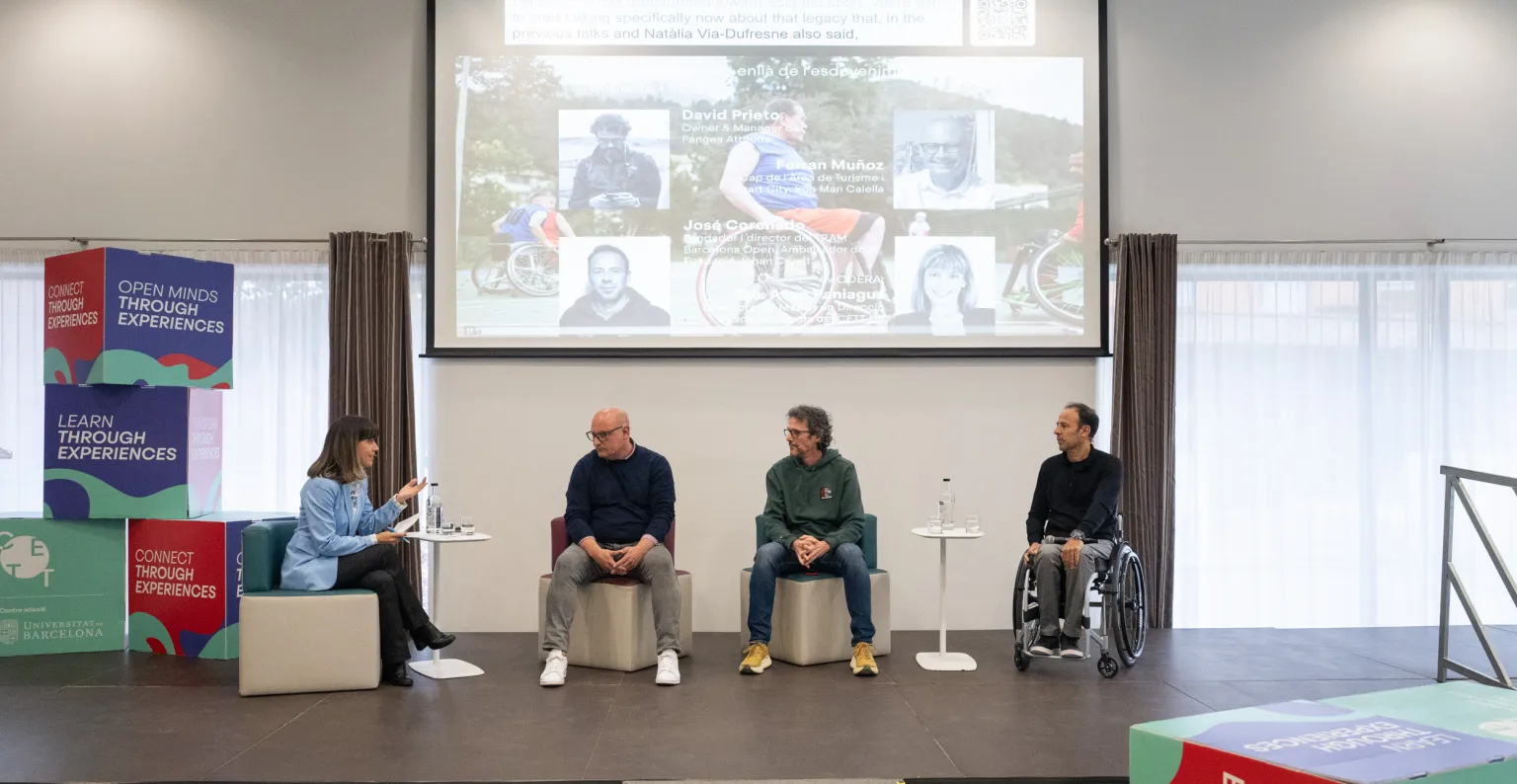
Strengthening a sense of belonging, creating new opportunities, and building a more inclusive society are also indicators of the success of sports events. This social dimension was the focus of the panel discussion moderated by Dr. Asun Paniagua, Director of the Master's Degree in Event Management at CETT-UB, during which three case studies illustrated the potential of sports events to positively transform local communities.
David Prieto, founder of Pangea Attitude, highlighted the involvement of the local community in Ultra Pirineu and its contribution to reducing tourism seasonality. Ferran Muñoz, from the Ajuntament de Calella, emphasized IRONMAN's ability to drive the development of new sports infrastructure and strengthen residents' sense of belonging. Meanwhile, José Coronado, founder and director of the TRAM Barcelona Open, highlighted the intangible legacy of events through increased visibility of adaptive sports and the transformation of society's perceptions of disability.