4th International Summer School on Scientific and Computational Gastronomy | “In gastronomy, science isn't just found in laboratories”
The summer school selects 20 students from around the world, including four from CETT. In this interview, they share their experience.
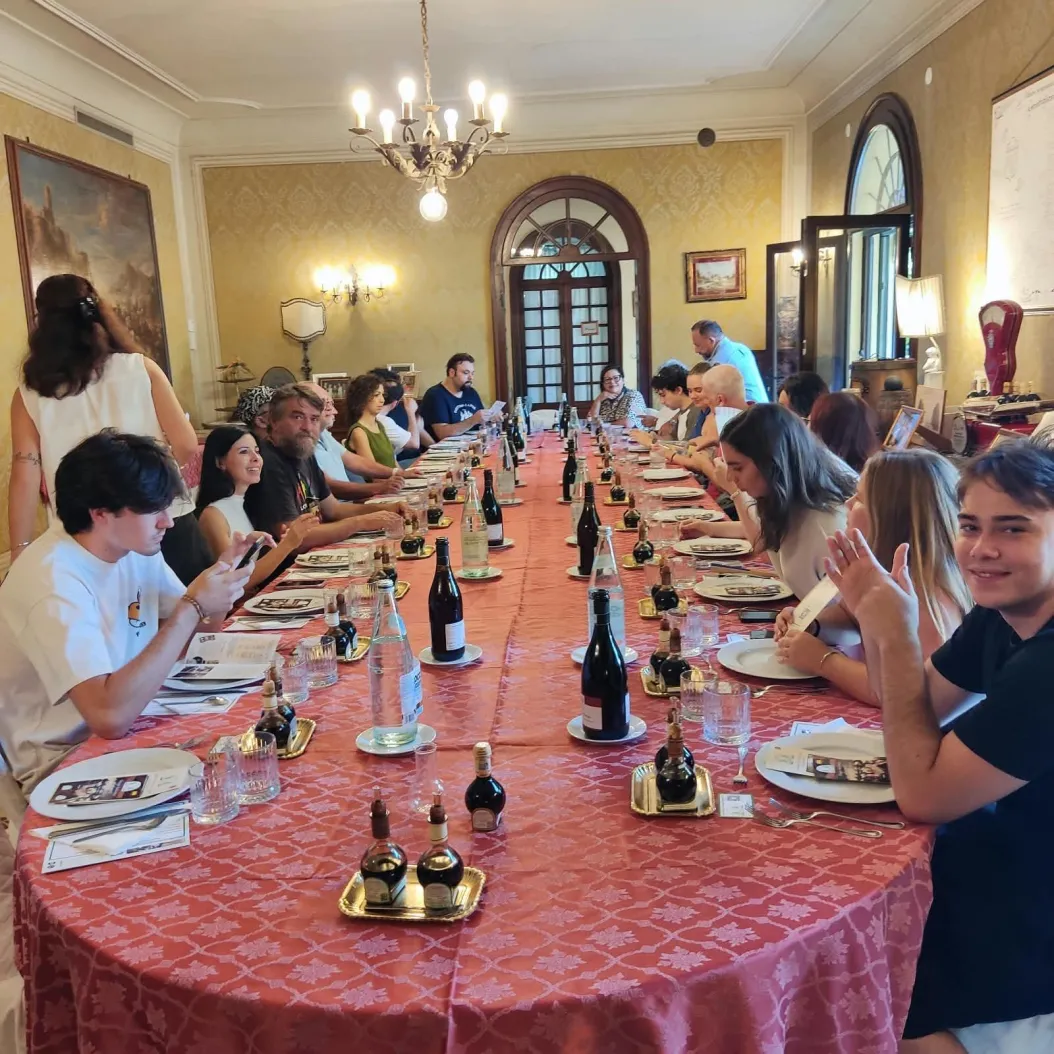
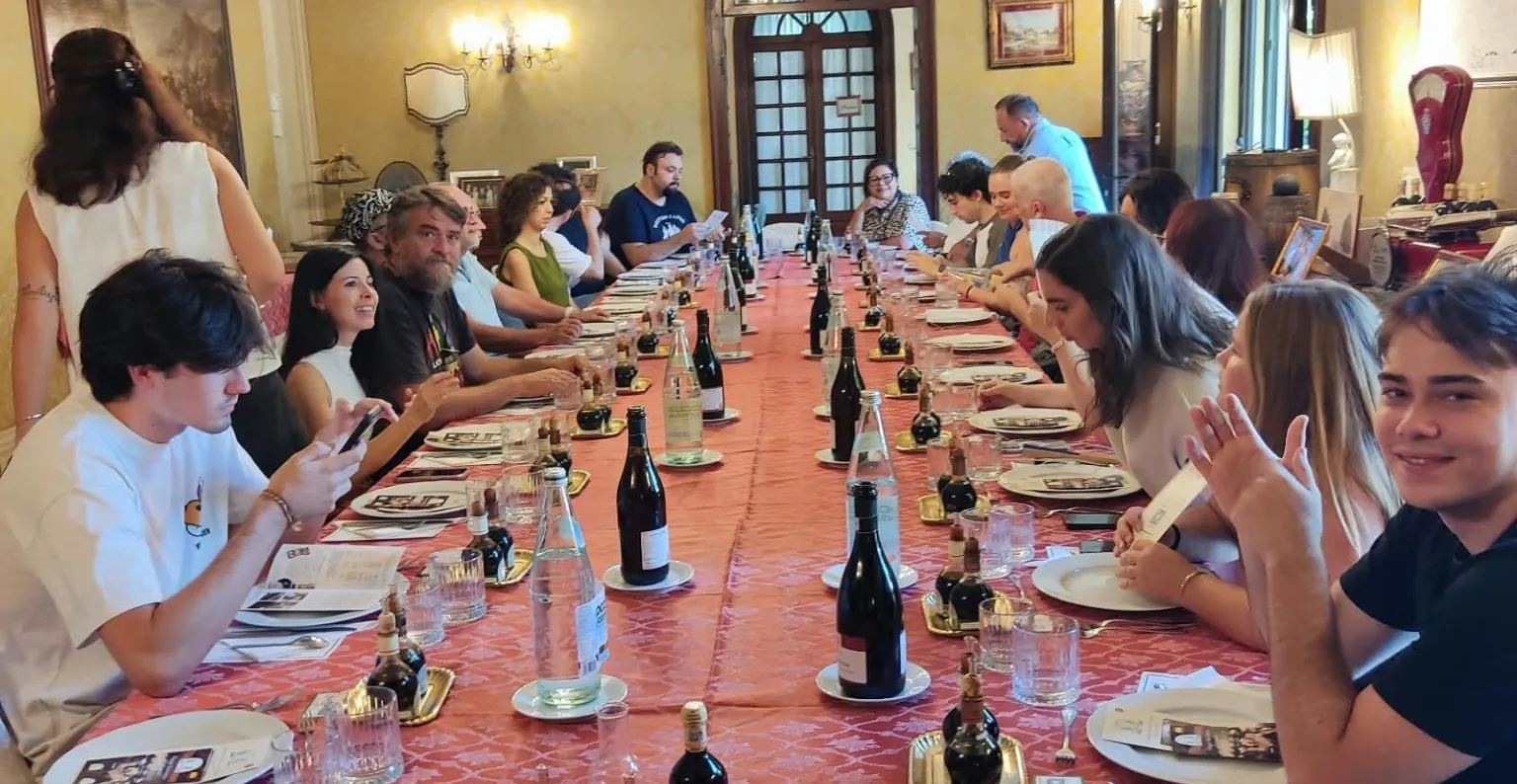
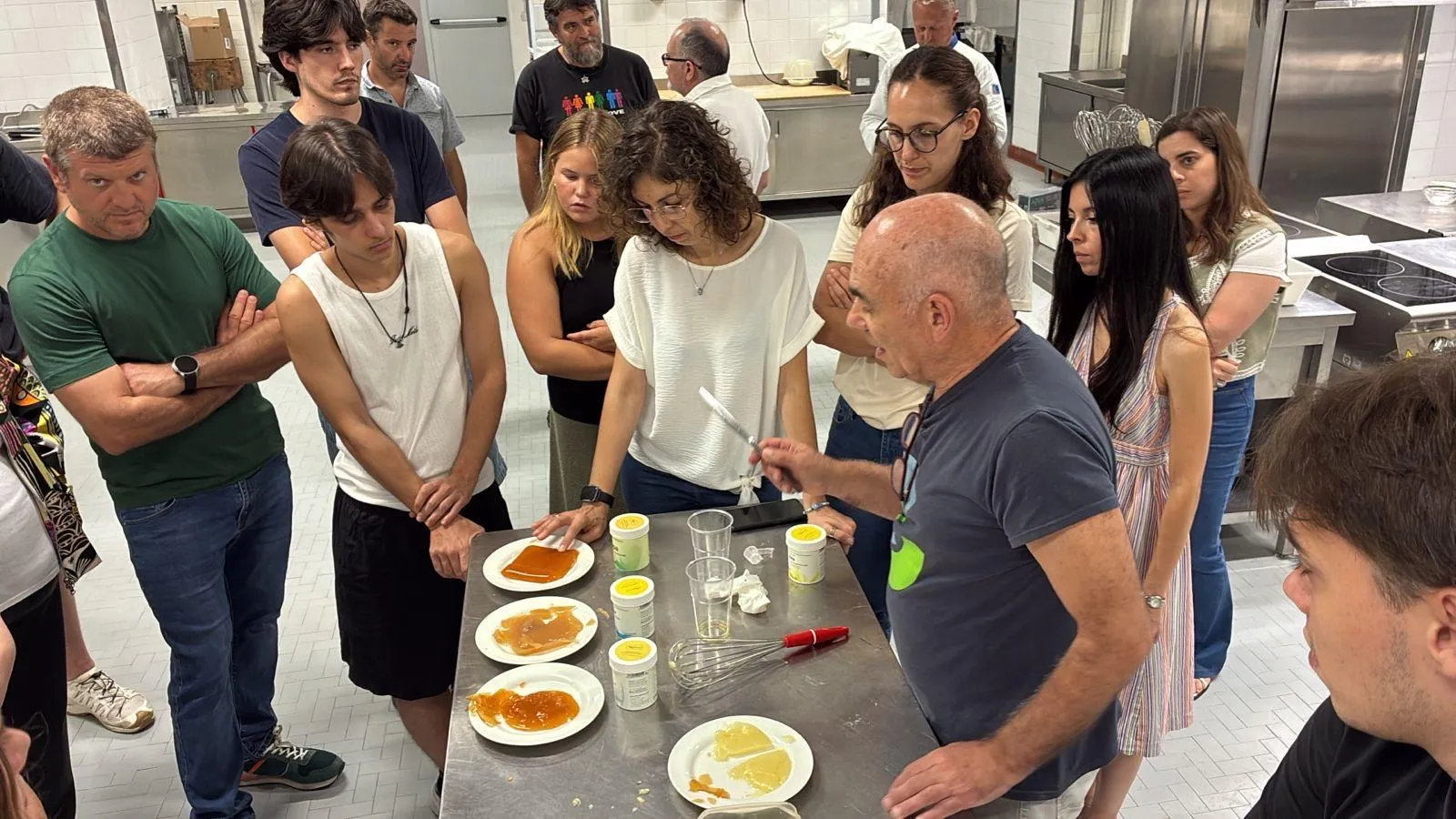
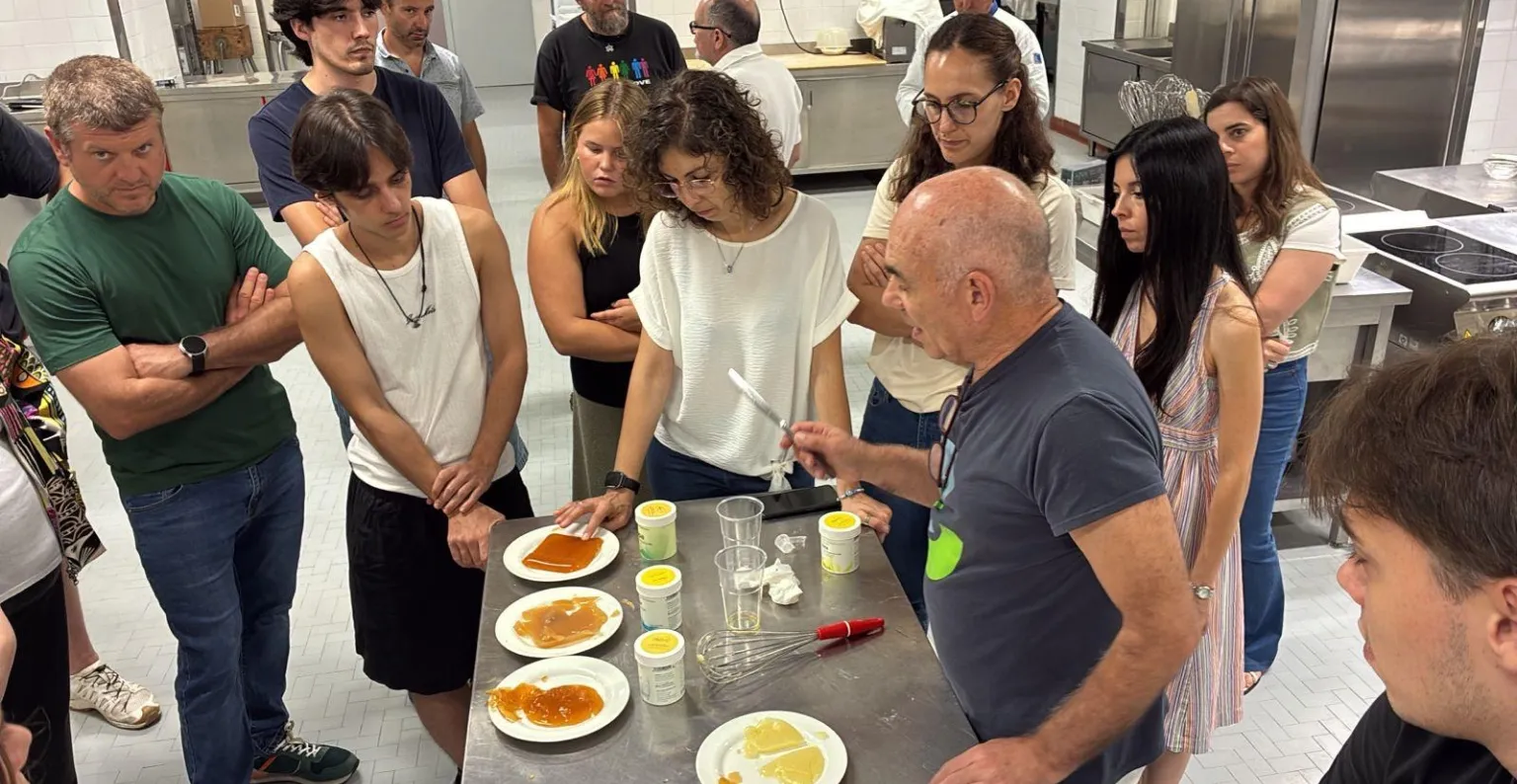
Artur Badia, Cristina Torres, Eloy Fidalgo, and Pol Franco, first-year students in CETT’s Bachelor’s Degree in Culinary and Gastronomic Sciences, participated in the 4th International Summer School on Scientific and Computational Gastronomy, a five-day educational experience combining theoretical sessions, hands-on workshops, and fieldwork focused on cutting-edge culinary science.
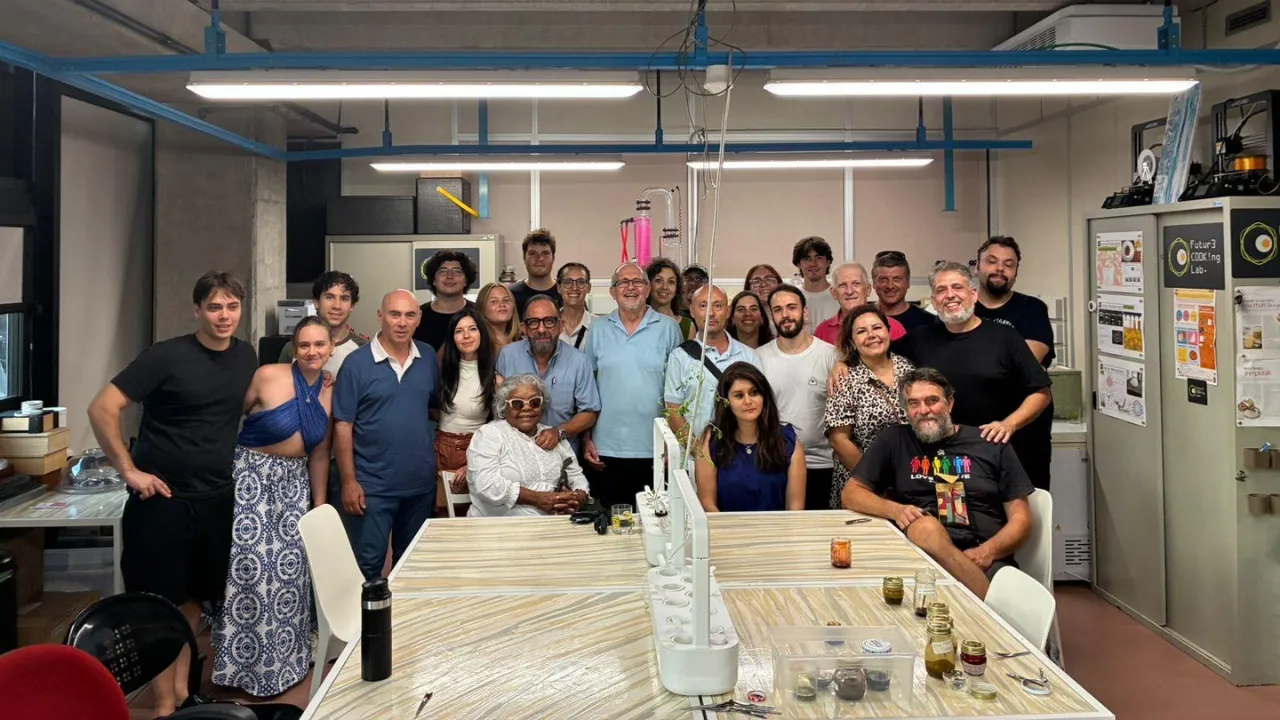
Held at the Solari Magnaghi Institute in Salsomaggiore Terme (Parma, Italy), from August 31 to September 4, the summer school offered just 20 places to students from around the world, 4 of which went to CETT students. The experience gave them the opportunity to expand their knowledge and explore the connections between science, technology, and gastronomy.
We spoke with Artur, Cristina, Eloy, and Pol to learn more about their experience.
- First of all, congratulations! The International Summer School on Scientific and Computational Gastronomy is a highly selective program. How did this opportunity come about?
Our degree program coordinators shared the information with us, and as soon as we learned about the program, we knew we wanted to participate. Although traveling to Italy on our own felt a little intimidating at first, it was a unique opportunity we couldn't pass up. Just a few days after submitting our applications, which included information about the languages we speak, our résumés, and a letter of motivation, we received confirmation that we had been accepted. That made us even more excited to make the most of the experience.
- It sounds like an intense week! Looking back on everything you experienced, what stands out the most?
There are so many highlights that it's difficult to choose just one! We absolutely loved sharing the experience with such a diverse group of people from countries across the Americas, Asia, and Europe. Learning about other cultures, exchanging experiences, and discovering different perspectives on gastronomy was incredible, both inside and outside the kitchen.
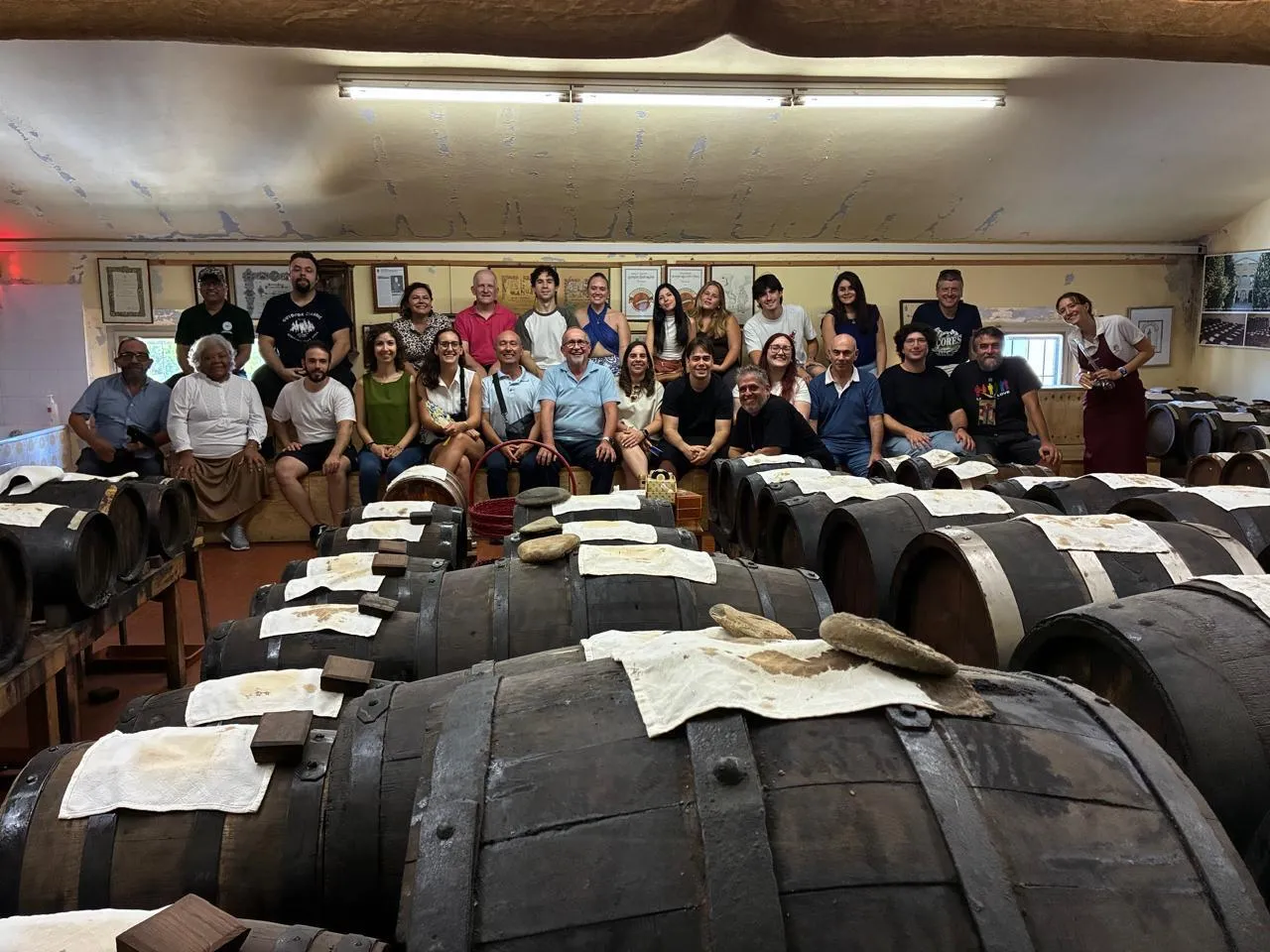
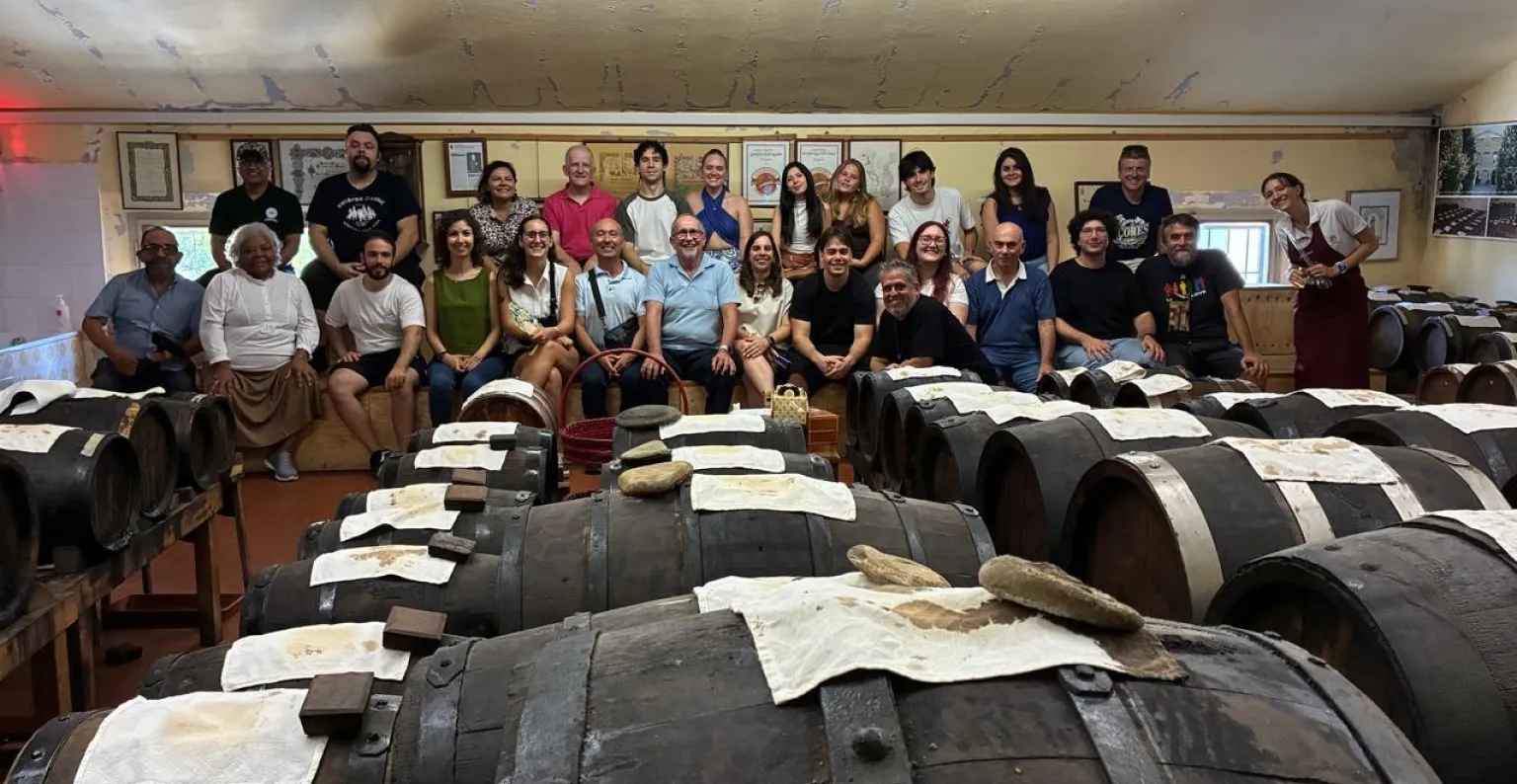
Salsomaggiore Terme, the town where we stayed, captivated us with its beauty and warm, welcoming atmosphere. We were also fortunate to take part in field trips to local factories and producers, where we learned firsthand about traditional production methods and gained a deeper understanding of the work behind them.
It was a week full of learning, discoveries, and personal connections that we'll remember as one of the best experiences we've ever had.
-
The summer school explores cutting-edge disciplines in culinary science. What was it like to dive into these subjects so early in your academic journey?
It was an incredibly rewarding experience because many of the topics we explored were already familiar to us thanks to courses we had taken during our first year at CETT, such as Food Chemistry, Anthropology, Physiology, and Biochemistry. This allowed us to connect what we had learned at CETT with new concepts and develop a deeper understanding of the relationship between science and gastronomy.
It was also fascinating to discover just how much science can help us better understand food and culinary processes, and how this knowledge can be applied to drive innovation in gastronomy. Being exposed to these disciplines so early in our education has opened up new perspectives and shown us just how much there is still to discover and learn.
-
As you mentioned, you visited traditional food producers. What was it like to experience firsthand how science is applied to artisanal production methods?
These visits showed us how closely science and tradition are connected. Behind every product are processes involving transformation, fermentation, aging, and quality control, all of which are essential to achieving its final characteristics. Learning directly from the people who work with these products was incredibly valuable. It helped us realize that in gastronomy, science isn't just found in laboratories. It's also present in many of the artisanal processes that are part of our culinary heritage.
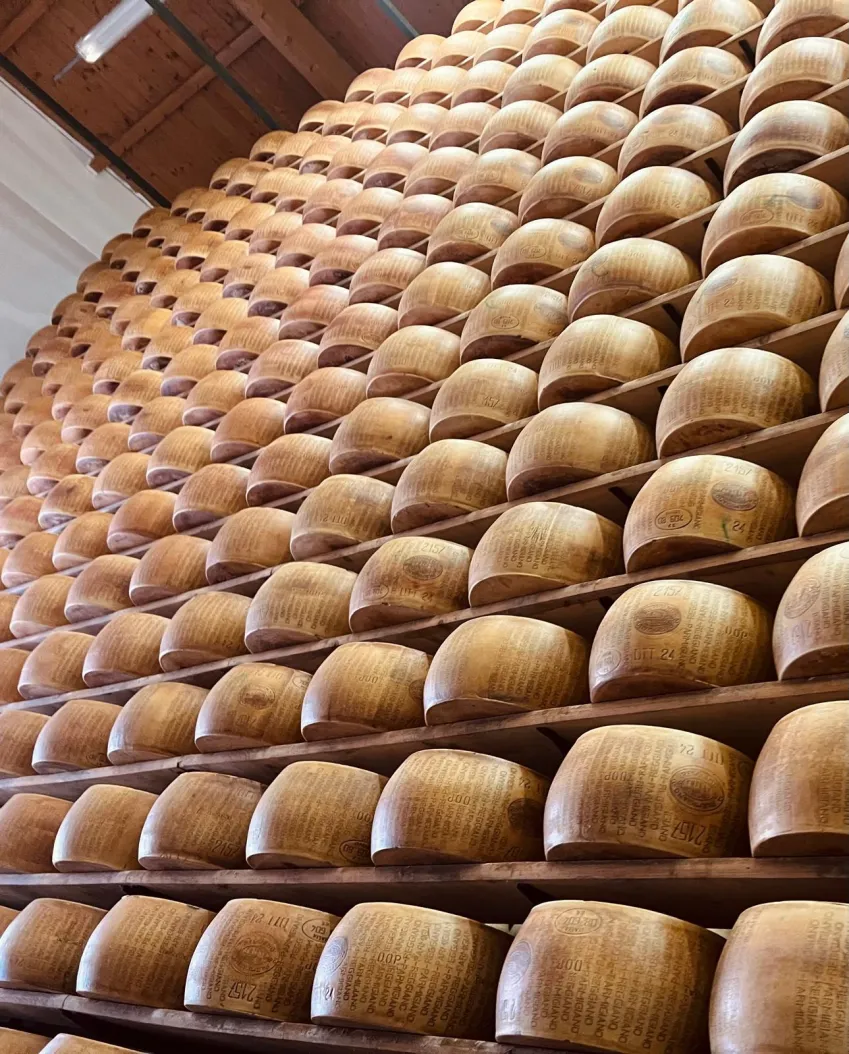
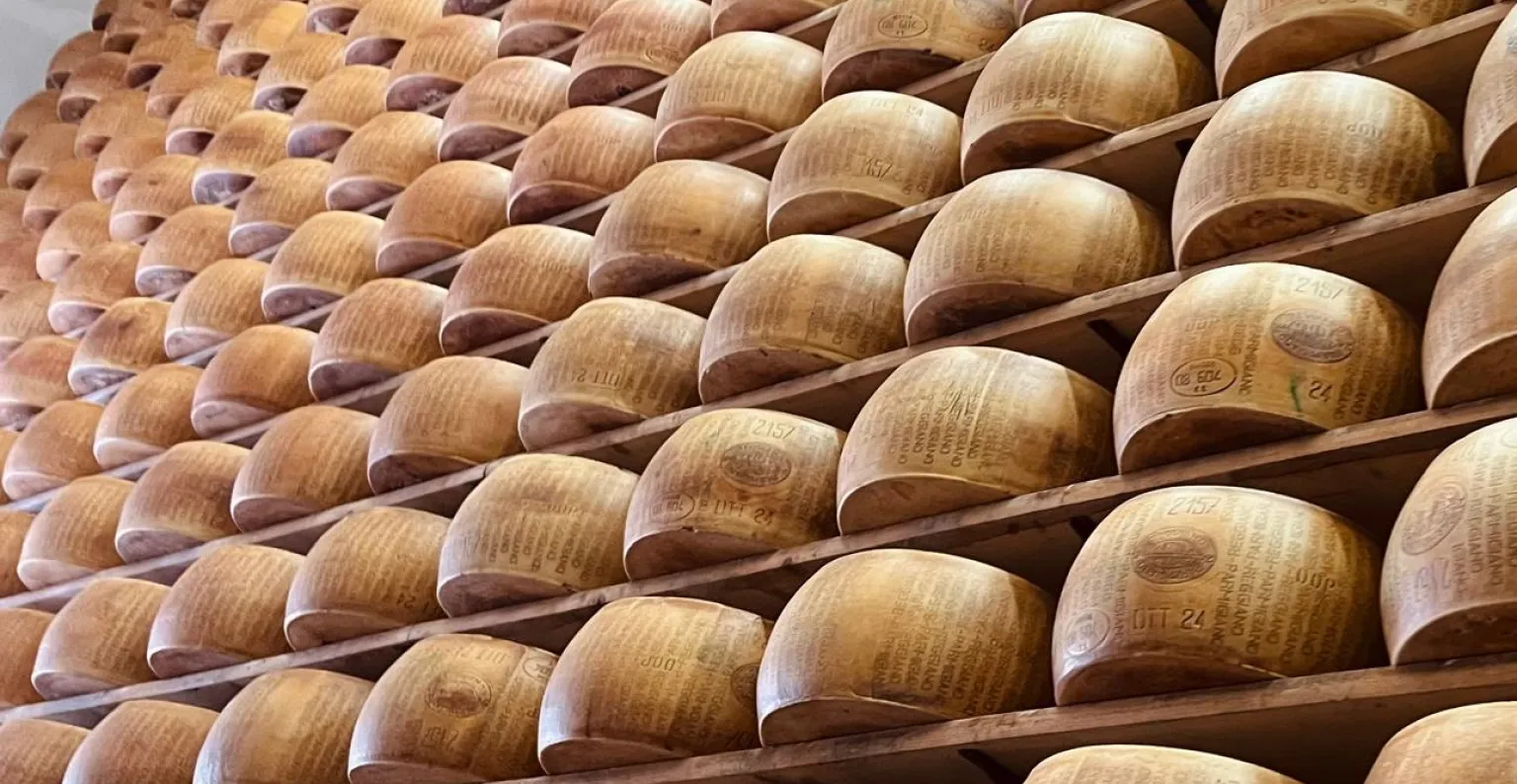
For example, during our visit to a Parmigiano Reggiano cheese factory, we learned about the entire production process and gained a better understanding of the techniques and expertise behind a product that's so familiar to us that we rarely stop to consider everything involved in making it.
-
What will you take away from your time in Italy and apply to your next academic year at CETT? And how do you think this experience will influence your future careers?
Above all, we're taking away a wealth of scientific knowledge and a new way of understanding gastronomy. We discovered new methods, explored concepts we had already studied at CETT in greater depth, and saw how they can be applied in practice. But the experience went far beyond academics. Meeting people from around the world, listening to their stories, and discovering other cultures helped us broaden our perspectives and understand that there are many different ways to experience and approach gastronomy. All of this motivates us to keep learning, stay curious, and never stop asking questions.
This experience also made us appreciate even more how important it is to take advantage of every opportunity that comes our way during our education. That's why we want to keep learning, exploring new fields, and participating in as many initiatives offered by CETT as possible.
-
Looking ahead, did this experience introduce you to any new areas of the industry you'd like to pursue or explore further?
Overall, we already had a fairly clear idea that we wanted to pursue careers related to science, particularly in the food industry, and this experience reinforced that interest. It's a field that really appeals to us because it allows us to combine scientific knowledge with gastronomy and food innovation.
At the same time, the experience showed us that there are other fascinating career paths worth exploring. Some of us are also considering working in more traditional, artisanal settings, such as small-scale producers or family-run businesses with strong ties to their local communities. We believe this would be a wonderful way to continue learning, help preserve local knowledge and traditions, and support regional producers and products.
-
Would you encourage other CETT students to participate in initiatives like this summer school? Why?
Absolutely! We would encourage every student to apply. The most important thing is to take that first step and go for it. Experiences like this go far beyond classroom learning. They allow you to connect with people from across the industry, from students who are just beginning their careers to highly experienced professionals and leading experts.
They're also a great way to step outside your comfort zone and develop your communication skills in an international environment. All of these experiences help you grow personally, academically, and professionally.