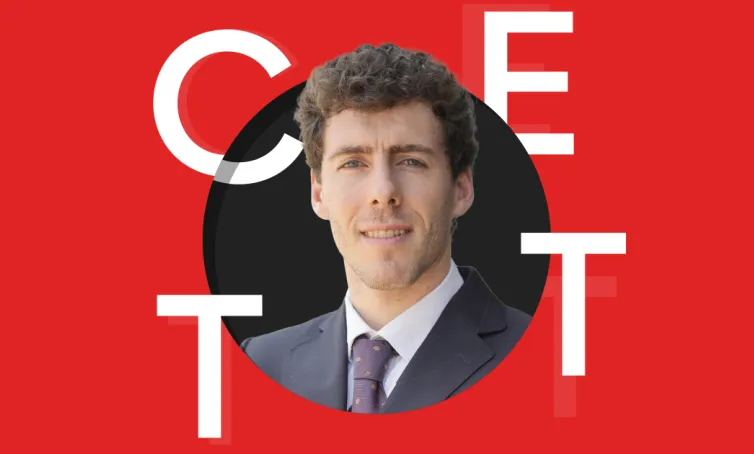
Dr Paola Quifer, Director of the Master’s Degree in Culinary Nutrition: “We need professionals capable of connecting science with cooking”

Dr Paola Quifer, Director of the new Master’s Degree in Culinary Nutrition, shares her vision on the future of food and the key principles behind this innovative programme.
Is it possible to combine health and pleasure when it comes to eating? Culinary nutrition was born with precisely this purpose: to connect scientific knowledge about nutrition with culinary creativity in order to transform dietary recommendations into attractive, healthy and sustainable food experiences.
We spoke with Dr Paola Quifer, Director of the new Master’s Degree in Culinary Nutrition at CETT-UB, about the future challenges of food and nutrition, the role of collective catering as a driver of change, and the need to educate professionals capable of integrating health, gastronomy and well-being.
-
Eating is about much more than simply nourishing ourselves. Yet nutrition and gastronomy are often discussed separately. What happens when we bring them together?
Nutrition studies how nutrients affect our bodies, while gastronomy explores food, cooking and the act of eating from a cultural, social and sensory perspective. Culinary nutrition brings these two worlds together to understand food in a holistic way, connecting health with the pleasure of eating.
It is not only about knowing what we should eat, but also how to prepare it and turn nutritional recommendations into enjoyable and sustainable eating experiences. We need professionals capable of combining scientific knowledge with culinary creativity so that healthy eating also becomes desirable eating.
-
Nutrition is often associated with restrictive diets and limitations. What exactly is Culinary Nutrition and what makes it different from other approaches?
The main difference is that it goes beyond defining what people should eat. It also focuses on how food should be prepared, presented and incorporated into everyday habits so that healthy eating is both practical and enjoyable. Ultimately, culinary nutrition recognises that dietary recommendations will only be effective if people can enjoy them, adopt them and maintain them over time.
From this perspective, cooking becomes a powerful health tool. It is not about giving up the pleasure of eating, but about using that pleasure as an ally to promote healthier eating habits.
-
What makes the Master’s Degree in Culinary Nutrition different from other programmes, and why has CETT decided to invest in this field?
The Master’s Degree in Culinary Nutrition offers a unique specialisation at the intersection of health, nutrition and gastronomy. Its added value lies in the fact that it not only provides scientific knowledge about nutrition but also equips students with the skills to transform that knowledge into attractive, practical and feasible culinary solutions adapted to different groups and contexts—a combination that is still uncommon within today's educational landscape.
CETT has developed this programme in response to a growing need within society and the food sector: professionals capable of integrating health and pleasure into the act of eating. At a time when nutrition plays an increasingly important role in disease prevention and well-being, there is a growing demand for professionals who can bridge nutritional science with the realities of cooking and people's everyday eating habits.
-
Who is this master's degree designed for? Is it intended only for nutritionists, or is it also aimed at professionals from gastronomy and other disciplines?
The Master's Degree in Culinary Nutrition is not exclusively aimed at nutritionists. It is designed for professionals who support people with specific dietary needs, as well as those working in gastronomy and foodservice who wish to deepen their understanding of the relationship between food, health and cooking.
It is particularly relevant for chefs, foodservice managers and professionals working in hospitals, nursing homes, healthcare facilities, institutional catering services and other settings where food plays a key role in people's health and well-being.
The programme has been developed in close connection with the realities of the sector. CETT currently collaborates with Hospital Germans Trias i Pujol through the Ruti-Xef Therapeutic Cooking Project, and with Hospital Vall d'Hebron on an initiative aimed at improving the quality of life of oncology patients through an integrated nutritional, culinary and physical activity intervention. These collaborations clearly demonstrate the potential of bringing gastronomy and health together.
-
Can gastronomy help improve adherence to therapeutic or specialised diets?
Absolutely. Scientific evidence shows that improving healthcare professionals' confidence and skills in nutritional counselling, while helping patients and their families translate dietary recommendations into practical, affordable and easy-to-prepare home-cooked meals, significantly improves adherence to therapeutic diets.
-
We are living in an increasingly diverse society in terms of health conditions, cultural backgrounds and dietary preferences. How should cooking respond to this reality?
Cooking needs to become increasingly flexible, inclusive and personalised in order to respond to a population with highly diverse dietary needs. Today, we live alongside people with specific nutritional requirements, different cultural and religious traditions, emerging dietary trends and a growing awareness of sustainability.
Culinary creativity is the key to addressing this diversity. It is not simply about replacing ingredients, but about designing gastronomic proposals that respect these different needs without compromising flavour or the overall dining experience.
-
Can school, hospital and residential care catering become a driver of healthier eating habits?
Without a doubt. In fact, they are among the most influential agents of food transformation that we have. School canteens help educate future generations in healthy eating habits; hospitals can make nutrition an integral part of the therapeutic process; and care homes play a fundamental role in promoting the health, well-being and quality of life of older adults.
Collective catering therefore has the potential to become much more than a food service. It can become a powerful tool for promoting health and well-being. The key is understanding that feeding people goes far beyond meeting nutritional requirements—it is also about creating enjoyment, comfort and quality of life. When nutrition and gastronomy come together, collective catering becomes a powerful instrument for public health.
-
Finally, looking ahead, what challenges are professionals working in collective catering facing, and what role will specialists trained in culinary nutrition play?
Food systems are facing increasingly complex challenges. On the one hand, they must respond to a more diverse population, with specific nutritional needs, allergies, intolerances, cultural preferences and different life stages. On the other, they must evolve towards more sustainable models capable of reducing food waste, optimising resources and promoting eating patterns that are more respectful of the environment. At the same time, there is growing scientific evidence that nutrition is a key factor in disease prevention and in improving people's quality of life.
In this context, professionals trained in culinary nutrition will play a fundamental role. They will be able to bridge scientific knowledge with culinary practice, developing proposals that are nutritionally sound, gastronomically appealing and operationally feasible. Ultimately, they will help shape a new way of understanding food—one in which health, gastronomy and well-being go hand in hand.