Innovation in Gastronomy: From Local Products to Experiential Cuisine
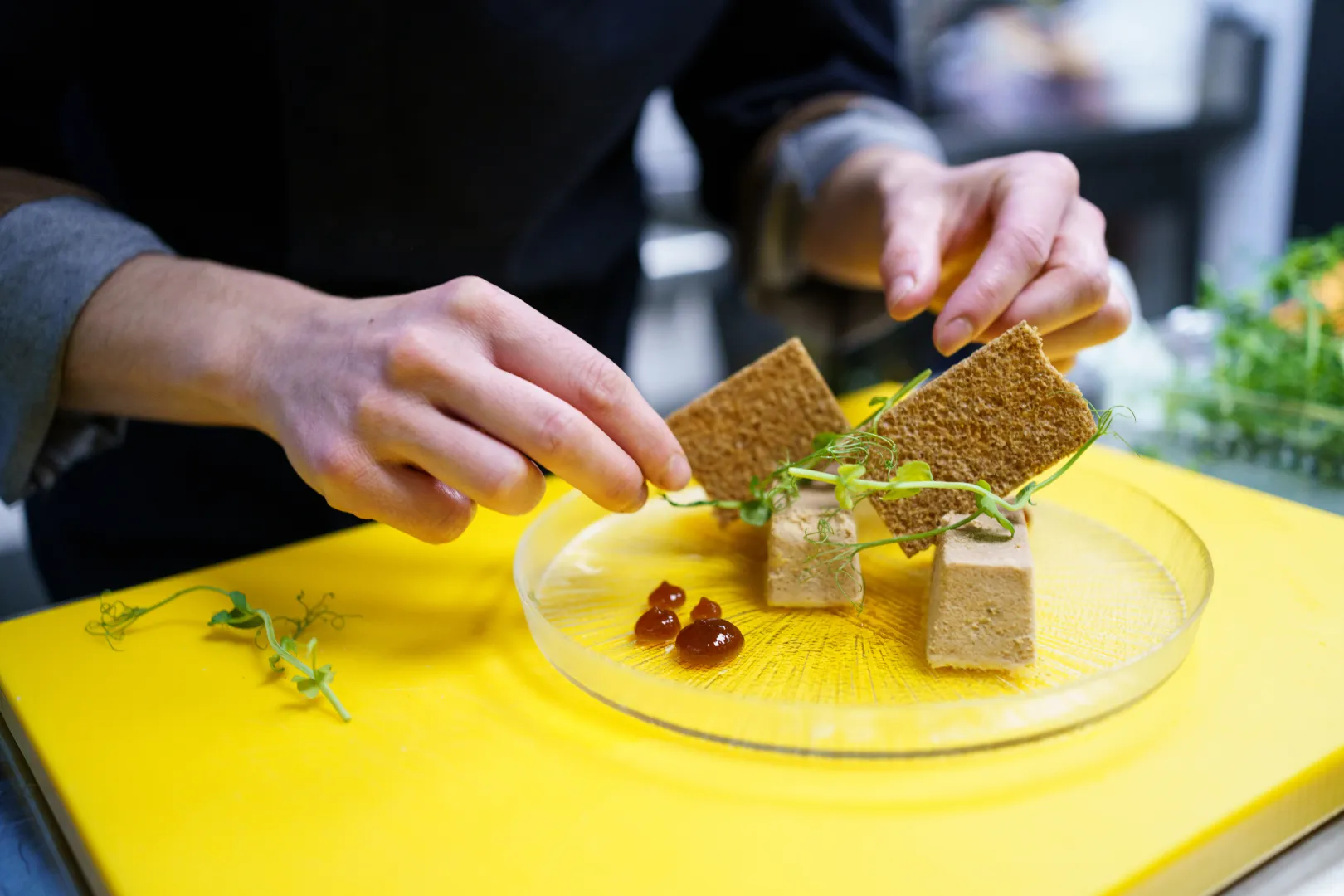
Discover how gastronomic innovation transforms cuisine through local products and unique culinary experiences.
Gastronomy is currently undergoing a phase of constant transformation. In recent years, the sector has evolved from a cuisine focused exclusively on technique or product toward culinary proposals capable of creating memorable experiences. Gastronomic innovation combines creativity, scientific knowledge, sustainability, and management to respond to new consumer expectations and the challenges of the food industry.
Today, gastronomy is no longer understood solely as an act of nourishment, but as a cultural, social, and economic phenomenon. Restaurants, chefs, producers, and tourist destinations work together to create culinary offerings that convey identity, emotion, and value. In this context, two concepts have taken on a central role in the sector's evolution: local products and experiential cuisine.
Gastronomic Innovation as a Driving Force in the Industry
Gastronomic innovation refers to the ability to introduce new ideas, techniques, processes, or business models within the field of cuisine and hospitality. This innovation process can be applied not only to the development of new recipes, but also to the way a restaurant is managed, how a menu is designed, or how culinary experiences are created.
Today, gastronomy stands at the intersection of multiple disciplines: food science, culinary creativity, sustainability, gastronomic marketing, and technology. This interdisciplinary approach makes it possible to develop new proposals that go beyond traditional cuisine and respond to the demands of an increasingly discerning audience.
In this context, specialized education is a key driver of innovation. University programs such as the Bachelor’s Degree in Culinary and Gastronomic Sciences at CETT-UB provide an understanding of gastronomy from a scientific, technological, and business perspective, preparing professionals to design, manage, and lead innovative gastronomic projects.
This degree integrates knowledge of cooking, food science, and gastronomic management to address the current challenges of the restaurant sector and the food industry.
The Role of Local Products in Contemporary Gastronomy
One of the main drivers of culinary innovation is the recovery and valorization of local products. Each region has its own ingredients, traditions, and techniques that form part of its cultural and gastronomic identity.
The use of locally sourced ingredients allows for fresher, higher-quality products, while also contributing to strengthening local economies and preserving gastronomic heritage. More and more restaurants are choosing to establish direct relationships with producers, farmers, and fishermen to build a more sustainable and transparent food chain.
Moreover, local products have become a key element in gastronomic tourism. Travelers are increasingly seeking authentic experiences that allow them to discover the flavors and culinary traditions of the destinations they visit.
In this context, modern culinary education places strong emphasis on product knowledge, sustainability, and the relationship between gastronomy and territory. Training programs such as the Higher Degree in Kitchen Management at CETT combine both traditional and avant-garde cuisine, while also incorporating concepts of innovation and sustainability in gastronomic management.
This type of education enables future professionals to understand how to transform local ingredients into creative and distinctive culinary proposals.
From Traditional Cuisine to Experiential Cuisine
Gastronomic innovation not only affects ingredients or culinary techniques; it has also transformed the way diners experience food.
Experiential cuisine emerges precisely from this evolution. Today, gastronomy is conceived as a multisensory experience that combines flavor, aesthetics, storytelling, and emotion. The design of the space, the presentation of dishes, lighting, and even music all contribute to a complete culinary experience.
Many restaurants use gastronomic storytelling to explain the origin of ingredients, the story behind each dish, or the creative process involved in its preparation. This narrative helps create an emotional connection between chefs and diners.
Culinary creativity is also reflected in new techniques and processes that reinterpret tradition from a contemporary perspective. In this context, programs such as the University Higher Diploma in Professional Chef at CETT-UB offer intensive training in culinary techniques, international gastronomic culture, and innovation in professional cooking.
These types of programs enable students to master both the foundations of classical cuisine and the most innovative techniques in contemporary gastronomy.
Trends Redefining Gastronomy
Gastronomic innovation is also driven by a range of trends that are transforming the restaurant industry.
One of the most important is food sustainability. More and more restaurants are adopting practices aimed at reducing food waste, optimizing resources, and promoting responsible consumption. Zero-waste cooking, the use of seasonal products, and circular economy principles have become common elements in the most innovative culinary proposals.
Another key trend is the integration of science and technology into the kitchen. Molecular gastronomy, sensory analysis, and the use of new fermentation and preservation techniques have greatly expanded the creative possibilities of contemporary cuisine.
At the same time, digitalization is transforming the way gastronomic businesses are managed. From reservation systems to consumer data analysis, digital tools help enhance the customer experience and optimize restaurant management.
In this context, programs such as the University Higher Diploma in Gastronomic Pastry at CETT-UB enable the development of creative skills in sweet cuisine from an innovative and scientific perspective, combining technique, creativity, and product knowledge.
Innovation in pastry is one of the areas that has evolved the most in recent years within contemporary gastronomy.
Gastronomy, Innovation, and New Professional Opportunities
The evolution of gastronomy is creating new professional opportunities across a wide range of fields. Beyond working in the kitchen, there are now roles related to gastronomic management, food product development, culinary research, and the design of gastronomic experiences.
For example, professionals trained in gastronomy can work in fine dining restaurants, food companies, gastronomic consultancy, culinary tourism projects, or entrepreneurial ventures within the food sector.
In this context, vocational training programs also play a key role in starting a career in the industry. The Intermediate Vocational Diploma in Cooking, Gastronomy, and Restaurant Services at CETT provides hands-on training in cooking, pastry, and restaurant service, allowing students to develop professional skills from the early stages of their education.
These types of programs combine practical culinary training with knowledge of service, management, and customer care across different gastronomic business models.
Education for Innovation in Gastronomy
Gastronomic innovation requires professionals who can combine culinary creativity, scientific knowledge, business management, and sensitivity toward local products. The gastronomic sector is constantly evolving and demands profiles that understand cuisine not only as a technique, but as a discipline that connects culture, sustainability, customer experience, and innovation.
In this context, specialized education becomes a key tool for developing the skills needed to lead innovative gastronomic projects. Academic programs that integrate cooking, food science, sustainability, and management enable professionals to understand gastronomy from a global perspective.
CETT Barcelona School of Tourism, Hospitality and Gastronomy, affiliated with the University of Barcelona, offers a wide range of programs designed to prepare professionals who will lead the future of gastronomy. With more than five decades of experience connecting education, research, and industry, the school promotes academic programs that combine culinary creativity, innovation, and sustainability.
Among the programs related to gastronomic innovation are the following:
- Bachelor’s Degree in Culinary and Gastronomic Sciences – a university program that combines culinary creativity, food science, and management to drive innovation in the gastronomic and food industry.
- Bachelor’s Degree in Design for Food Systems (Food Design) – an interdisciplinary program that connects design, gastronomy, and sustainability to develop new products, experiences, and food systems.
- Intermediate Vocational Training in Cooking, Gastronomy, and Restaurant Services – a vocational program focused on developing technical skills in cooking and restaurant service, with a strong practical component in real environments.
- Higher Vocational Training in Culinary Management – a program that combines traditional and avant-garde cuisine with knowledge of gastronomic management and innovation in the restaurant sector.
- Higher University Diploma in Professional Chef Studies – an intensive program designed to master culinary techniques and international trends in contemporary gastronomy.
- Higher University Diploma in Integral Executive Chef – a program aimed at developing professionals capable of leading culinary teams and managing innovative gastronomic projects.
- University Higher Diploma in Gastronomic Pastry – specialized in creative pastry, with an innovative and scientific approach to developing new pastry concepts.
- Master's Degree in Hotel and Food & Beverage Management – a program that integrates business management, innovation, and leadership in the hospitality and restaurant sector.
- Master’s Degree in Innovation in Tourism Management – a program that provides the tools to manage tourist destinations smartly and sustainably, integrating cultural, natural, and gastronomic heritage.
Thanks to this educational offering, future professionals can acquire the skills needed to drive innovation in gastronomy and develop culinary projects that connect local products, creativity, and unique gastronomic experiences.